





 Portuguese
  English
  Spanish
  5 min of reading
  0 comments


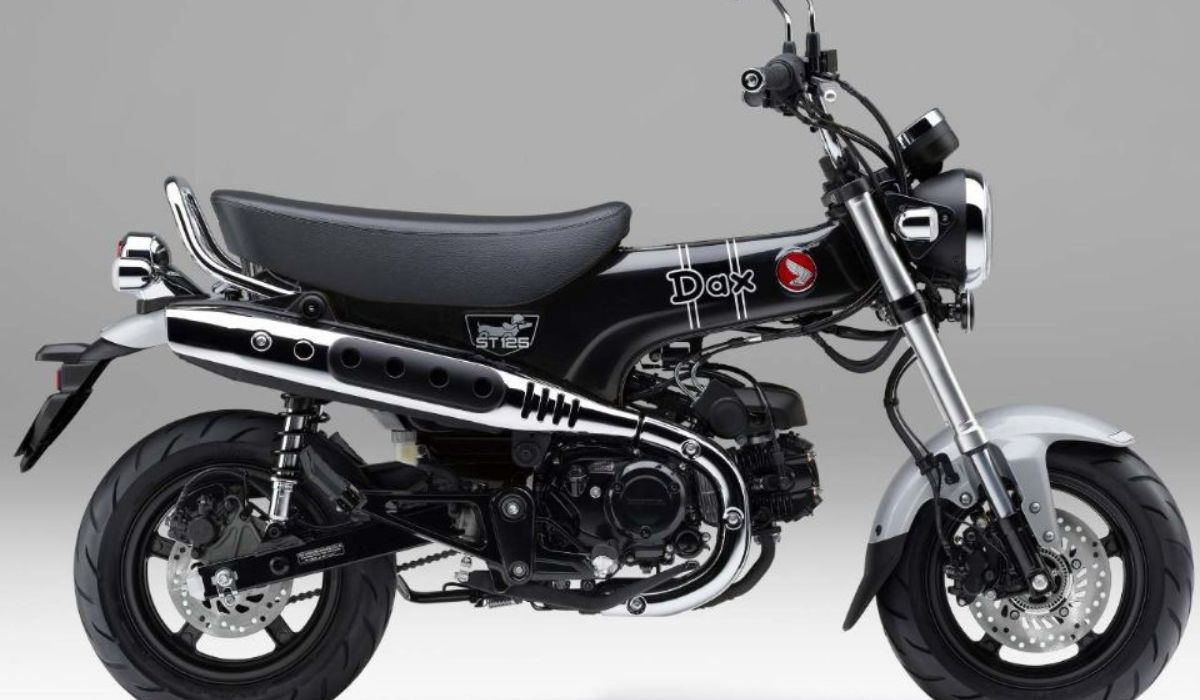
Icon of Honda Mini Bikes Returns to Europe With Preserved Classic Design, New Colors and Official Consumption Data That Catch the Attention, Keeping Focus on Urban Use, Mechanical Simplicity and Energy Efficiency in a Low Displacement Segment.
Honda has confirmed the arrival of the Dax (ST125) 2026 line in the European market, maintaining the proposal that characterizes the model since its relaunch: compact dimensions, a look inspired by the 1960s and 1970s, and a focus on energy efficiency.
The update preserves the classic design and brings new color options, in addition to officially reported consumption of 1.5 l/100 km, equivalent to about 66.7 km/l in the WMTC cycle.
The mini bike remains positioned as an urban low-displacement alternative, with capacity for two occupants, LED lighting and clutchless transmission.
-
Less than a Tera TSI, up to 710 km of range and charging in 9 minutes: the new BYD Song Ultra expands the Chinese brand’s bet on increasingly faster, more technological, and competitively priced electric SUVs.

-
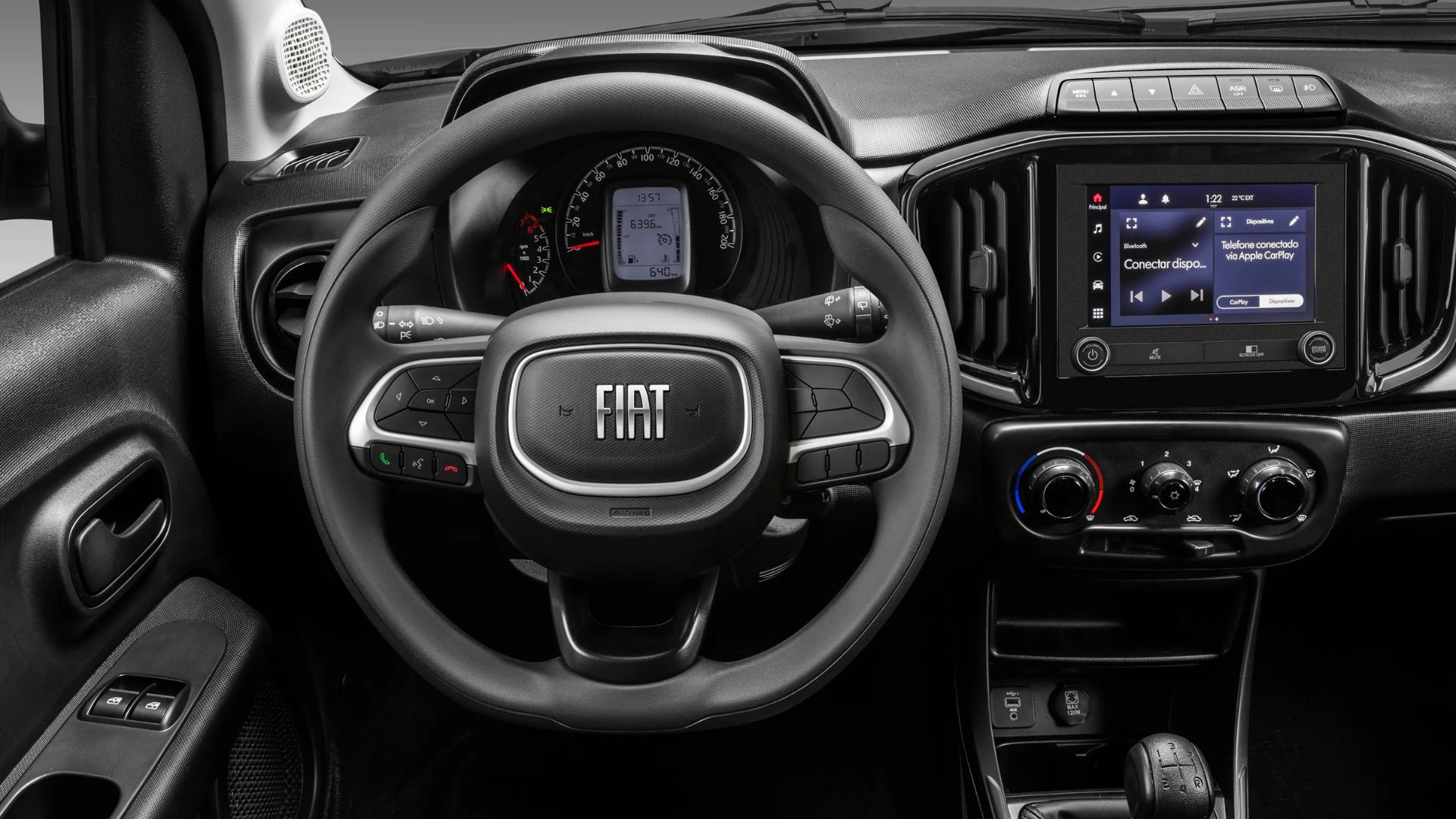
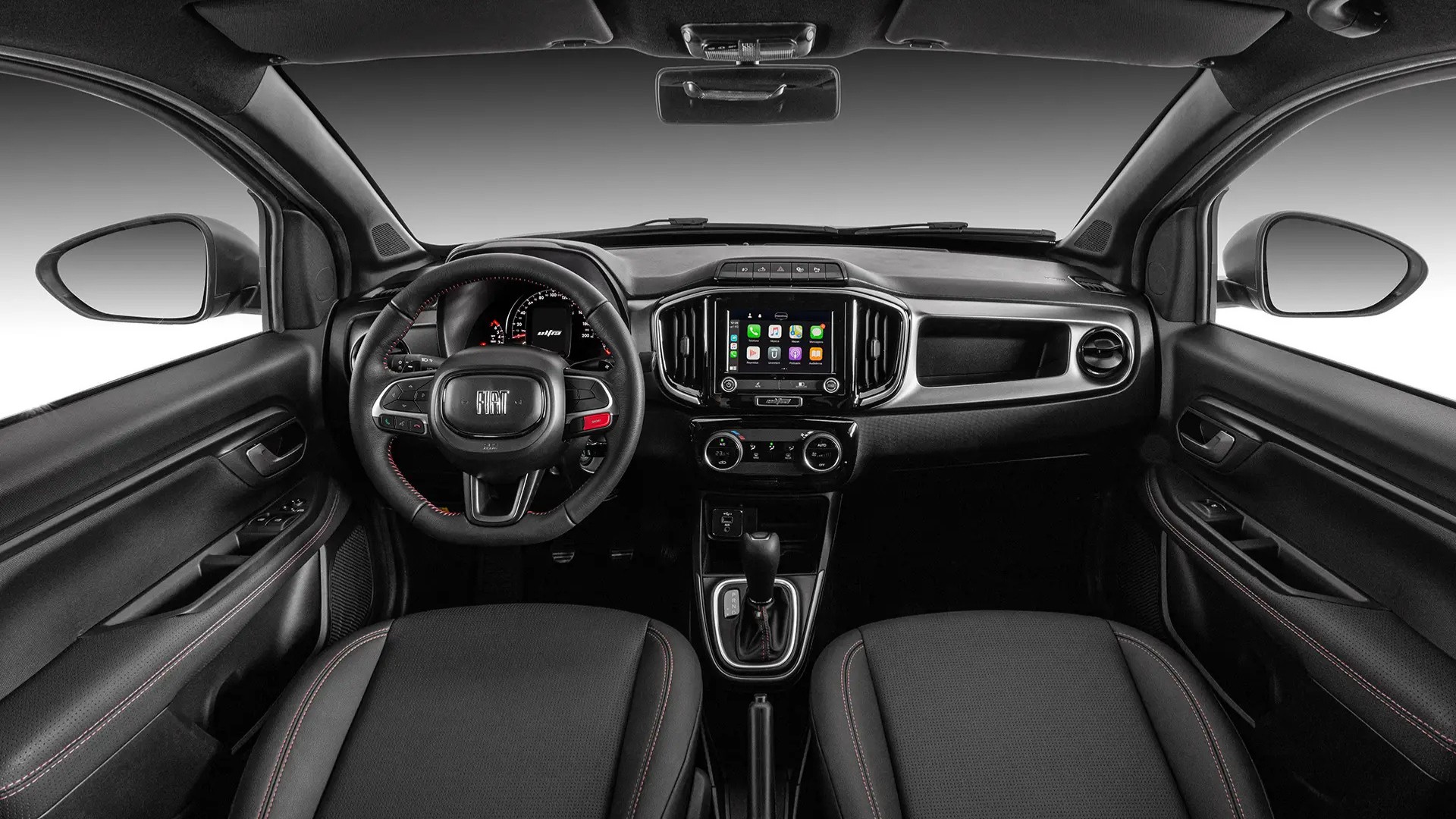
With a 1.0 engine producing 75 hp and costing less than R$ 70,000, Fiat’s car returns to the podium as the cheapest in the country; a temporary promotion for the 2026 Like version reduces the price of the Fiat Mobi.
-
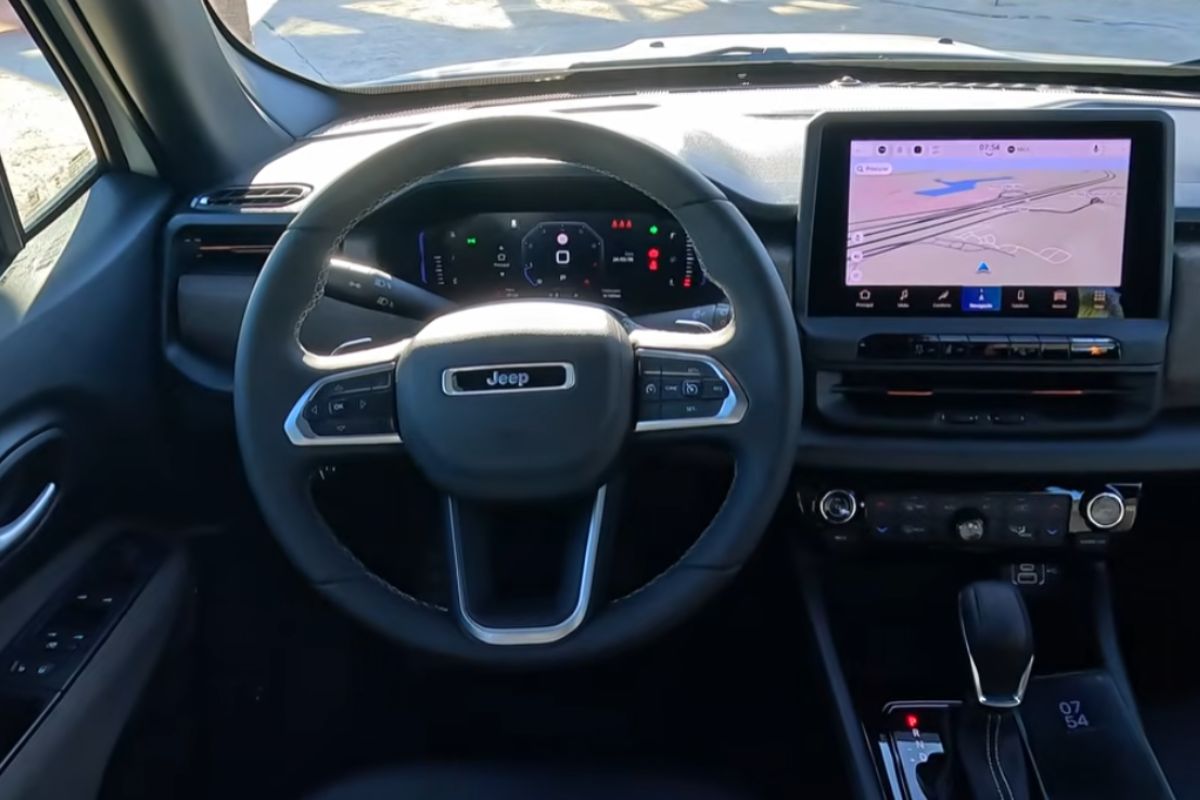
With a mild hybrid system of 48 V, 176 hp and a price of R$ 175,990 in the Sahara version, the new Jeep Renegade changes mostly on the inside, improves slightly in fuel consumption, and remains almost the same car.
-
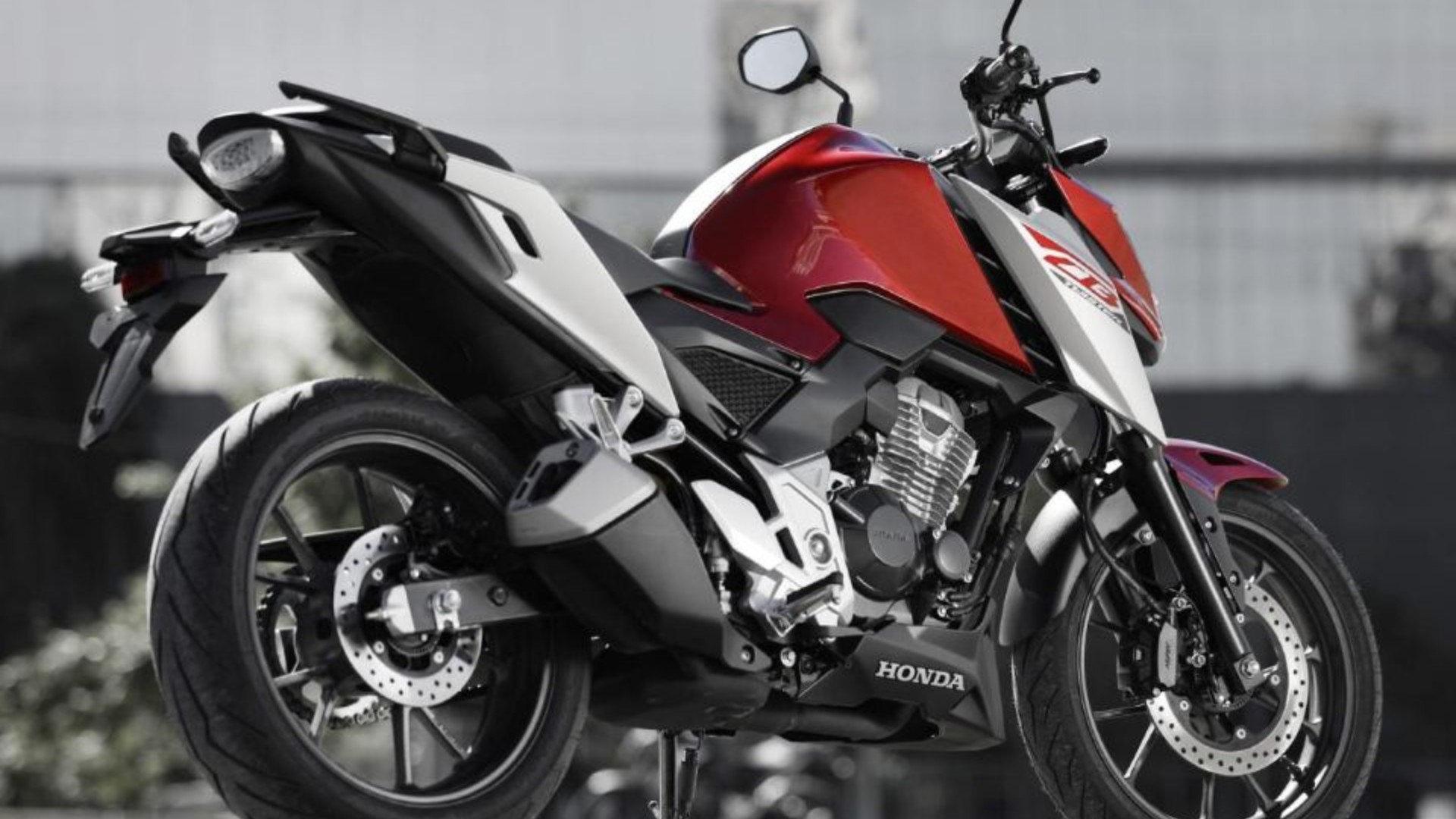
With a 293.5 cm³ engine and a range of up to 400 km with a 14.1-liter tank, the Honda CB 300F Twister 2026 has up to 24.7 hp, an initial price of R$ 25,150, and already exceeds R$ 29,000 in the Fipe Table.

These elements are part of the well-known technical package of the Dax in Europe and remain in the 2026 line without significant structural changes.
Classic Design and “T” Frame Chassis Maintain Historical Identity
The base of the project continues to be the “T” shaped chassis, made of stamped steel and responsible for housing the fuel tank.
This design defines the model’s silhouette and is directly linked to the original concept of the Dax, launched by Honda in the late 1960s.
The look recalls the mini bikes of the brand from that period, with elevated exhaust, high handlebars, and chrome parts.
Despite the appearance associated with classic models, the Dax 2026 has been homologated for everyday use.
The seat height is 775 mm, a measurement that facilitates foot support on the ground for riders of different heights.
The declared weight in running order is 107 kg, a characteristic that influences low-speed handling and urban maneuvers.
The double seat remains a standard item and has been designed to accommodate two adults.
According to the manufacturer, the proposal is to allow rides for two without compromising the basic ergonomics of the set, within the limitations of a small motorcycle.
LED Lighting and Digital Panel Reinforce Urban Proposal
The lighting is fully LED and is part of the technology package maintained for 2026.
The circular headlight preserves the traditional shape, while taillights and indicators follow the same standard.
The instrument panel also adopts a round design and uses an LCD screen, which gathers essential information such as speed, fuel level, and odometer.
According to Honda, the choice for a simple digital panel aims to maintain direct readability without altering the model’s visual identity.
Details such as the chrome grab rail for the passenger and the finishing of the set reinforce the aesthetic continuity in relation to the previous versions sold in Europe.
124 cc Engine and Automatic Transmission Prioritize Ease of Use

In the mechanical set, the Dax 2026 is equipped with a single-cylinder engine of 124 cc, air-cooled, with a single overhead camshaft and two valves.
The declared maximum power is 6.9 kW, equivalent to 9.4 hp, at 7,000 rpm.
The torque reaches 10.8 Nm at 5,000 rpm, according to technical data released by the manufacturer.
The cycling remains oriented towards urban use.
The model uses 12-inch wheels and 31 mm inverted front suspension, in addition to disc brakes on both wheels with ABS system.
These components are already part of the set offered in the European market and have not undergone changes in the 2026 line.
One of the main technical differentiators of the Dax lies in the transmission.
The four-speed gearbox uses automatic centrifugal clutch, eliminating the need for a lever on the handlebars.
In practice, gear changes are made only by the pedal, while the system manages the engagement of the clutch, a solution adopted by Honda in other low-displacement models.
Official Consumption and Autonomy Informed by the Manufacturer
The consumption informed by the manufacturer is one of the most highlighted data in the technical specifications.
According to Honda, the Dax 2026 records an average of 1.5 l/100 km in the WMTC cycle, the European homologation standard.
Converted to the most common metric in Brazil, the number corresponds to approximately 66.7 km/l.
With a tank of 3.8 liters, the theoretical autonomy can reach about 250 km, considering the official data.
Industry experts often highlight that consumption and range vary according to traffic conditions, load carried, riding style, and maintenance.
Still, low-displacement and lightweight motorcycles tend to show good energy efficiency rates.
New Colors of Honda Dax 2026 in the European Market
In the 2026 line, the main visual update is in the colors.
Honda confirmed three options for the European market: Pearl Horizon White and Candy Energy Orange, both new, in addition to the Pearl Shining Black, already known.
No mechanical or structural changes have been announced compared to the previous model year.
In official communications, the manufacturer describes the Dax 2026 as a targeted update, focused on maintaining the original concept and expanding visual customization options.
The offer of original accessories, such as items for luggage transport, varies depending on the European country where the model is sold.
Launch of Honda Dax 2026 in Brazil Remains Undefined
In Brazil, so far, there is no official confirmation from Honda regarding the arrival of the Dax 2026.
Consultations to the company’s communications and institutional channels in the country do not indicate plans for launching or importing the model.
The brand focuses its line of compact motorcycles in the national market on other products, such as Biz and Pop.
The Dax has already appeared in institutional actions and exhibitions from Honda aimed at the Brazilian public.
This type of presentation, however, does not necessarily represent a commercial decision.
Without a formal announcement, the model remains restricted to markets such as Europe, where the concept of mini bikes with a classic look is already well-established.
If it were ever officially offered in Brazil, the Dax would compete in a segment dominated by utility low-displacement motorcycles, but with quite different characteristics in terms of design and riding style; the question that remains is whether there would be sufficient demand to sustain this kind of proposal in the national market.







-

-

-

-

19 pessoas reagiram a isso.