





 Portuguese
  English
  Spanish
  3 min of reading


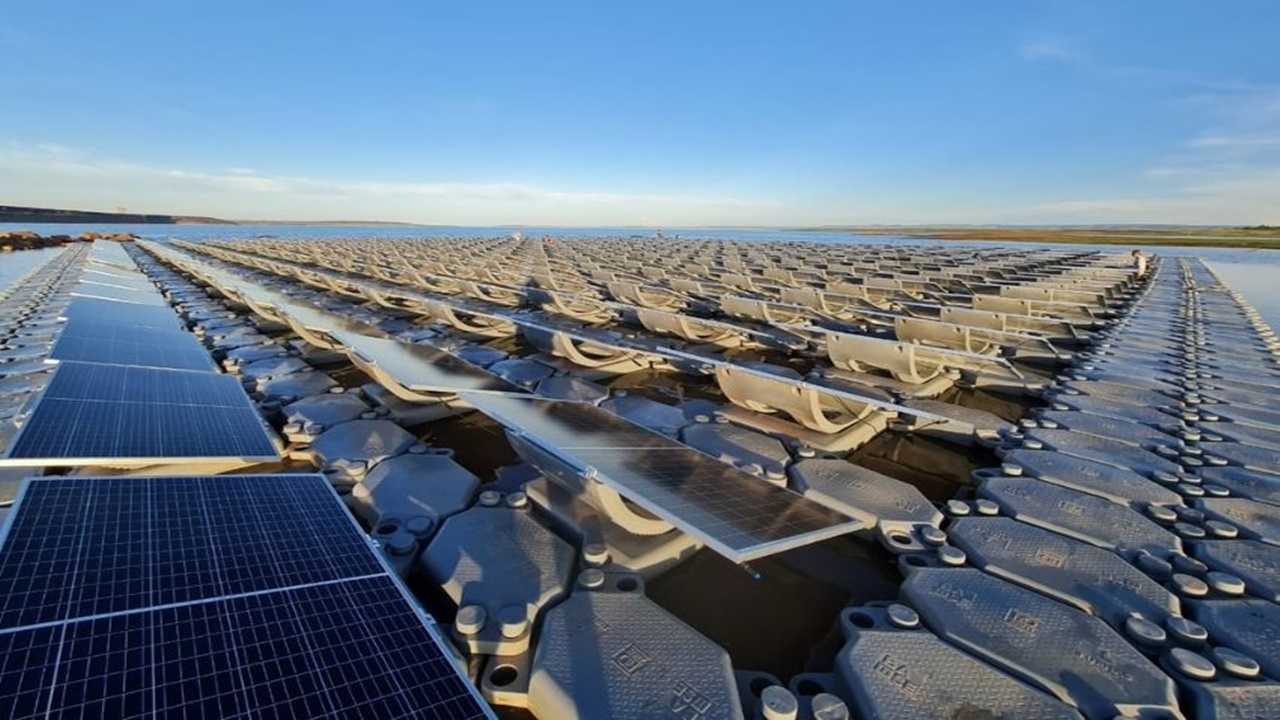
Intermittency and Seasonality of Renewable Energies Can Be Used Strategically to Expand the Service Capacity of the Brazilian Energy System
Water, solar irradiation, and hydrogen are three elements abundant on the planet. Combined, they are the best solution from both an environmental and an economic perspective to provide clean energy for the world. According to engineer Demóstenes Barbosa da Silva, president of BASE Energia Sustentável, the development of projects with this arrangement has achieved promising results, reinforcing their contribution to the energy transition, the low-carbon economy, and environmental conservation.
Also Read
- 132 job openings for high school and higher education to work at the multinational General Electric, today, September 1st
- 100 job openings for Black students and recent graduates, LGBTQI and PWD this day, August 31st
- Senai, Senac, and Endex call for 1300 openings in free technical courses in electronics, mechanics, IT, industry, health, marketing, and occupational safety
- Company offers 200 job openings for home office and in-person in SP and BH; candidates from all over Brazil can participate in the selection process
“Renewable energies are associated with issues of seasonality and intermittency. Solar irradiation is captured during the day, for example. Hence, hydrogen comes in as a linking element between solar and hydropower, as it can be stored and used to generate energy at night or during dry periods,” explained Silva during the BW Talks “Sun, Water, and Hydrogen: What Combination is This?”, promoted by Movimento BW, an initiative of the Brazilian Association of Technology for Construction and Mining (Sobratema), on August 26th.
Discover other CPG sites, where we provide firsthand job openings and topics in the areas of Civil Construction and Infrastructure, Mining, Renewable Energy and Naval Construction, Ports, and Shipyards
-
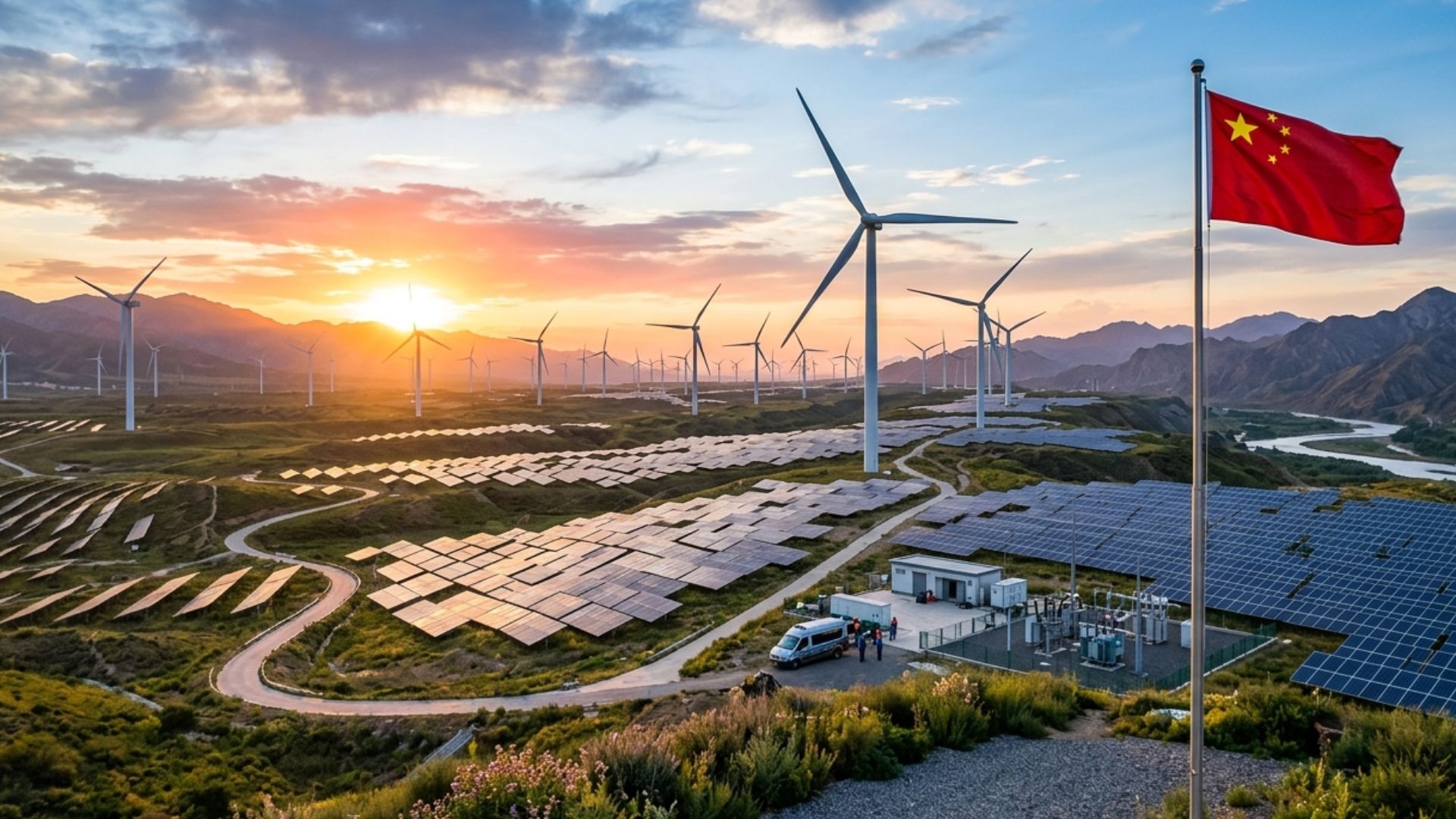
Renewable energy advances globally with Asia taking the lead; Irena’s analysis indicates a strategic progress that drives the energy transition and reduces generation costs.
-
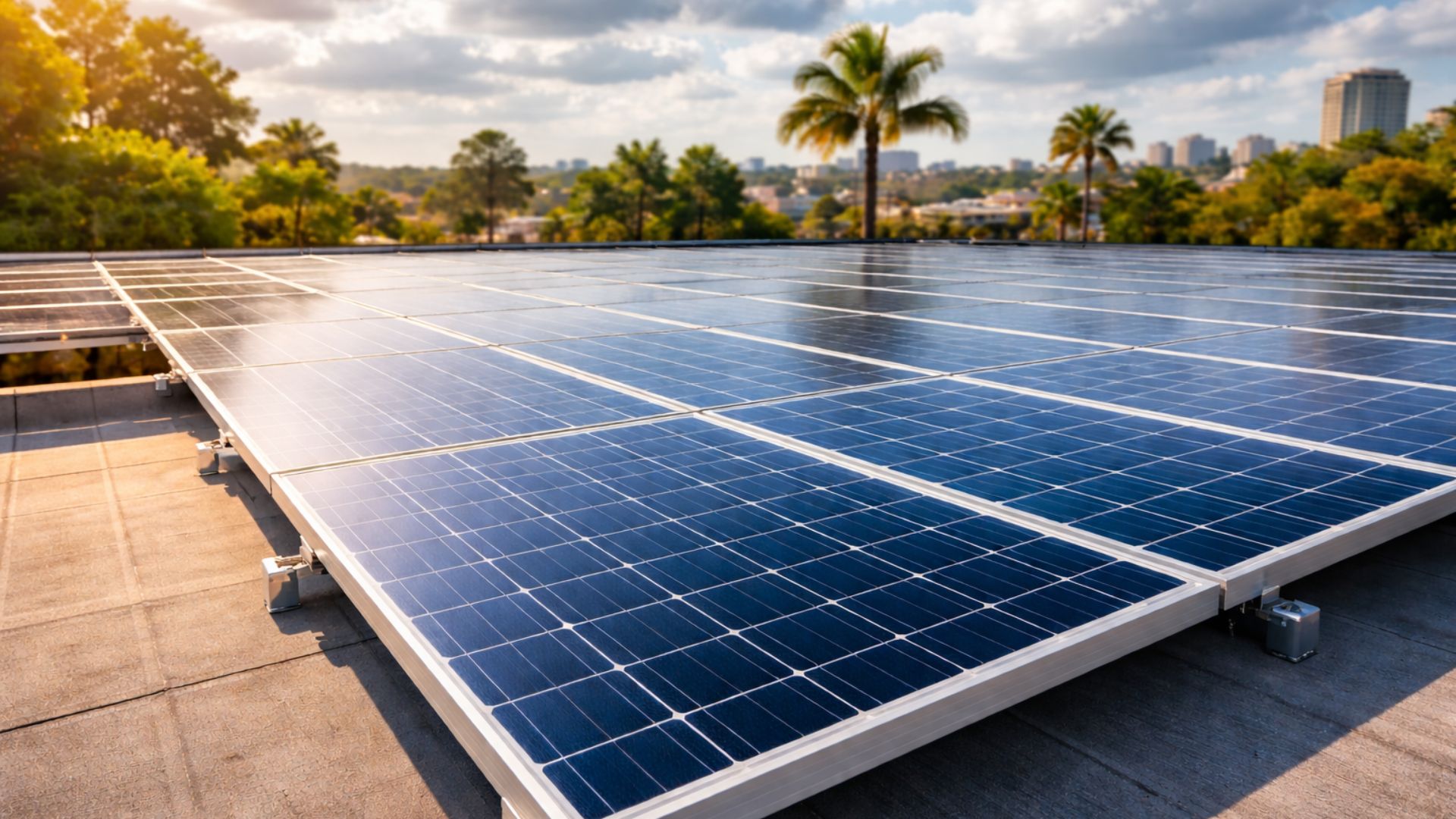
Globo broadcaster achieves 100% renewable energy and advances climate goal, strengthening environmental commitment, reducing emissions, and influencing large companies to adopt more sustainable and competitive strategies.
-
New mapping reveals the Brazilian states with the greatest potential for the production and use of green hydrogen in Brazil to lead the global market.
-
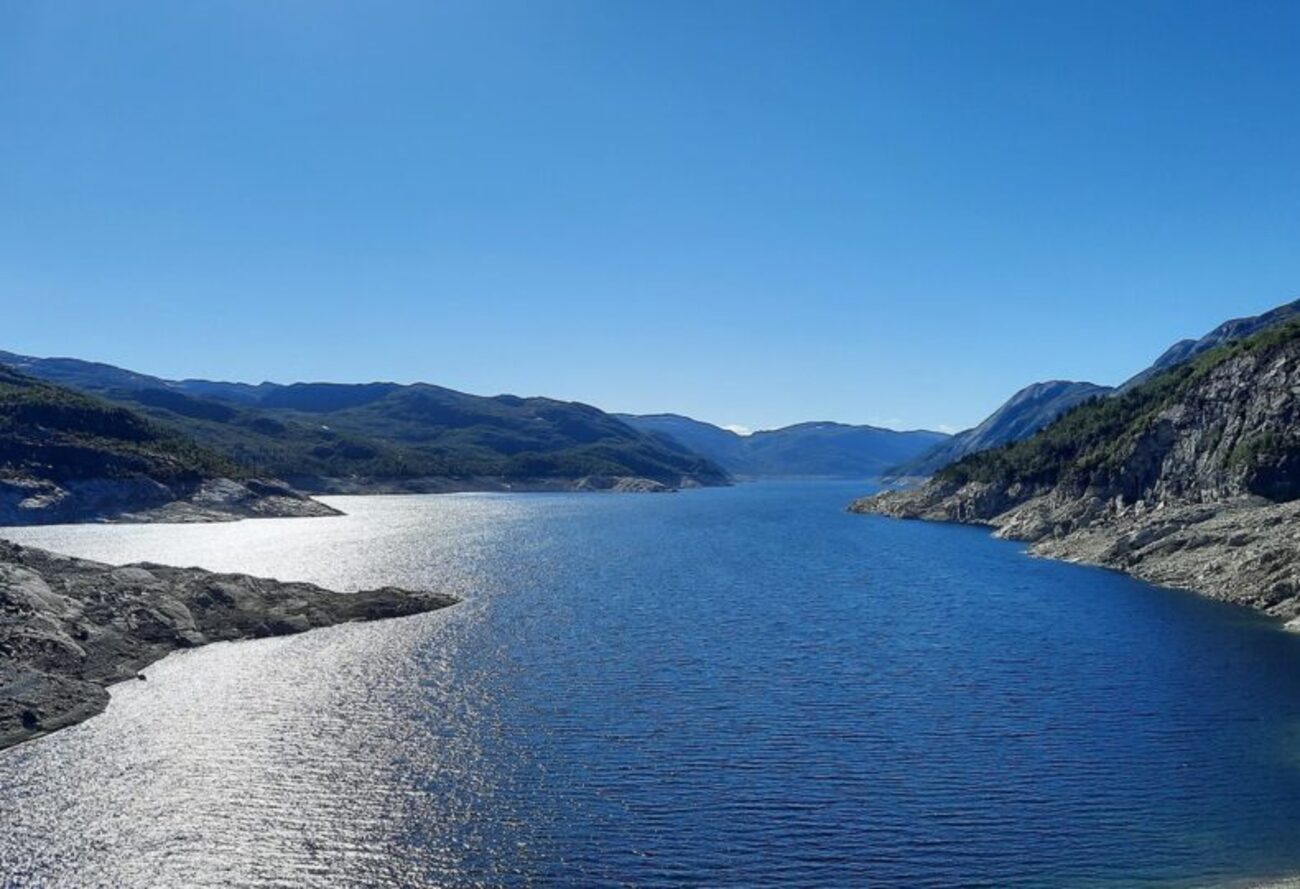
Historical drought and lack of snow in the Norwegian Alps threaten the largest clean energy reserve in Europe and could drive up electricity prices.
Combination Between Solar and Hydropower Sources Could Become a Strong State Policy
According to the specialist, these intermittency and seasonality situations of renewable energies can be used strategically to expand the service capacity of the Brazilian energy system. “When there is an abundance of one source, we can convert more energy into hydrogen and later reconvert it into energy when there is less availability,” he elucidated. In his view, the combination of solar and hydropower sources could become a strong state policy due to the social, environmental, and economic benefits provided to the country.
To exemplify these benefits, the president of BASE Energia Sustentável presented at BW Talks a study, based on projects conducted in partnership with two major energy companies, CESP and Furnas, which showed the possibility of doubling Brazil’s energy generation capacity through the installation of floating photovoltaic plants in about 10% of the reservoir areas of hydroelectric plants scattered throughout the national territory.
Potential of the Synergy Between the Electric and Natural Gas Sectors, Through the Use of Hydrogen
In this case, according to Silva, hydrogen would not only connect renewable energy sources but also serve as a catalyst for the production of other products, such as ammonia for later urethane production. In this way, the fertilizer industry could benefit from local manufacturing, as this element is 100% imported.
He also commented on the potential of the synergy between the electric and natural gas sectors through the use of hydrogen. “We can inject pure hydrogen into the gas pipelines,” Silva pointed out, emphasizing that in meetings held with government institutions, it was concluded that this application could be made in 2% of the gas pipeline network volume. “That’s a lot of energy,” he emphasized.
The BW Talks “Sun, Water, and Hydrogen: What Combination is This?” is available on the official site of Movimento BW.







Seja o primeiro a reagir!