





 Portuguese
  English
  Spanish
  3 min of reading


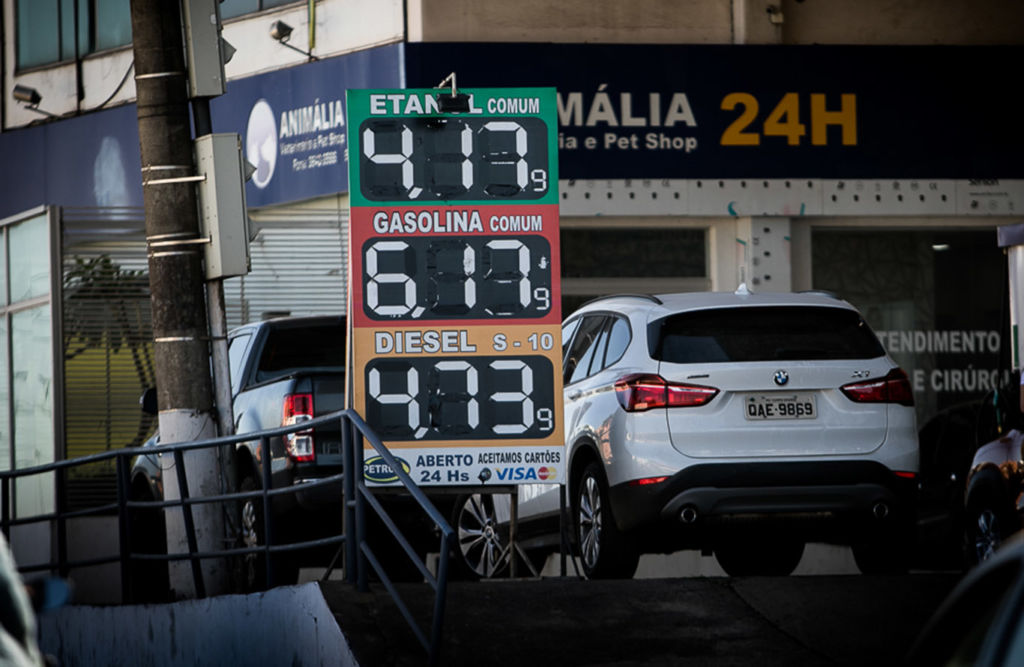
Petrobras Executive Said That Oil-Producing Countries Have Been Increasing Production, But There Is No Outlook for Stabilization of Fuel Prices
The General Manager of Marketing at Petrobras, Sandro Barreto, announced to the members of the Consumer Defense Committee of the House of Representatives that there is still no outlook for the stabilization of fuel prices. He explained that there are pressures from increased consumption with winter in the Northern Hemisphere, and with the acceleration of global production from the improvement of the COVID-19 pandemic figures. Read this news: With the possible sale of the Gabriel Passos Refinery (Regap) of Petrobras, in Minas Gerais, fuel prices could rise even more
- Universities in Canada, the United Kingdom, and the USA are offering scholarships for Brazilians who wish to study abroad and enhance their resumes
- On the eve of the truck drivers’ strike, the Federal Government announced “diesel aid” aimed at benefiting 750 thousand truck drivers, but it does not please the category
- Gasoline and diesel prices may go even higher with Petrobras’ supply cuts
- Global semiconductor chip crisis drives up the price of entry-level cars and leaves used cars in short supply in the Brazilian market
- RS gains a plant worth R$ 60 million with a capacity to produce 10 million liters of ethanol per year
Petrobras Does Not Know When Fuel Prices Will Stabilize
The Petrobras representative stated that oil-producing countries have been increasing the production of derivatives, but it is unclear whether the equilibrium point between supply and demand is near.
On the 13th of this month, the House of Representatives approved a bill (PLP 11/20) that establishes a fixed rate for the ICMS tax on fuels. Last Thursday, the Senate President, Rodrigo Pacheco, met with governors to discuss alternatives to the bill that alters this calculation. The proposal was approved in the House and faces criticism from state managers.
-
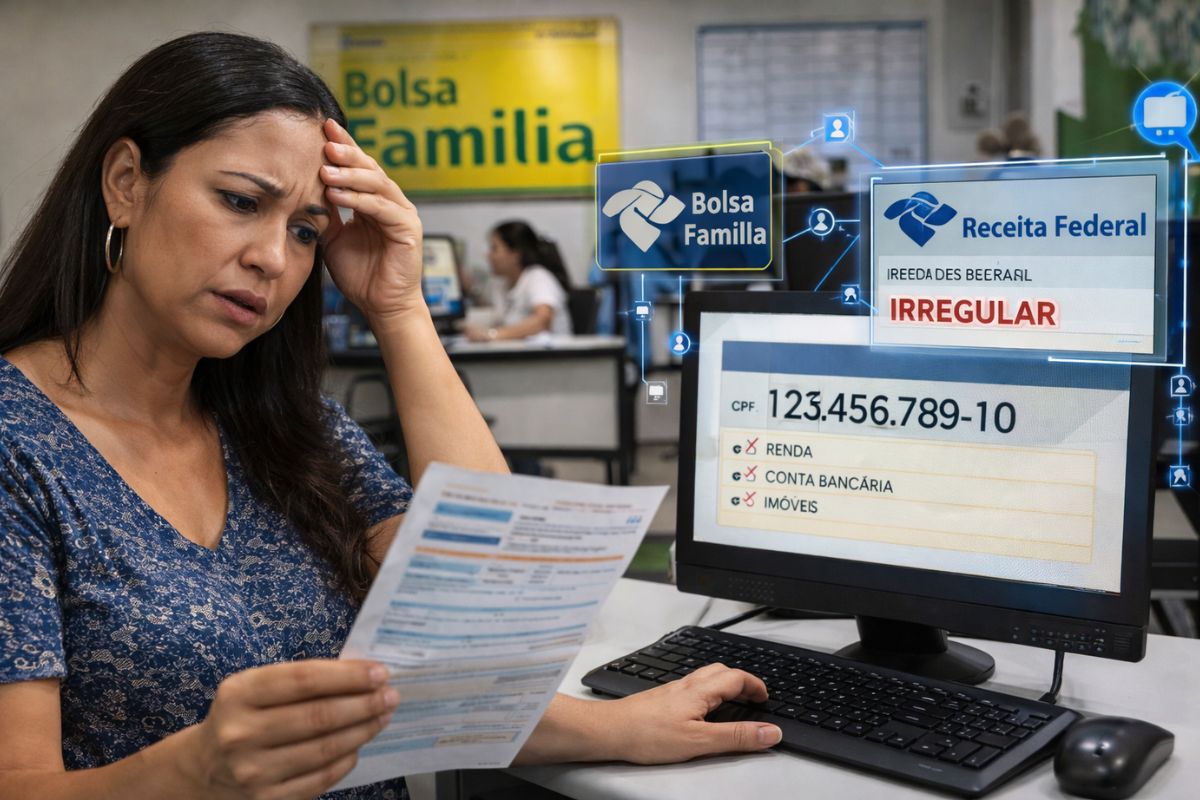
The federal government will cancel Bolsa Família and other benefits for millions of Brazilians who do not update their CadÚnico in 2026, and the new system already cross-references data with the Federal Revenue Service in real time to identify those who are irregular.
-
Famous sertanejo singer and the automaker BYD appear together on the federal government’s dirty list after instances of work analogous to slavery in Goiás and Bahia.

-
Correios lose more than 3,000 employees in mass layoffs and still aim to reach 10,000 dismissals in an attempt to save a state-owned company that has accumulated losses of R$ 6 billion and a negative net worth of R$ 10 billion.
-
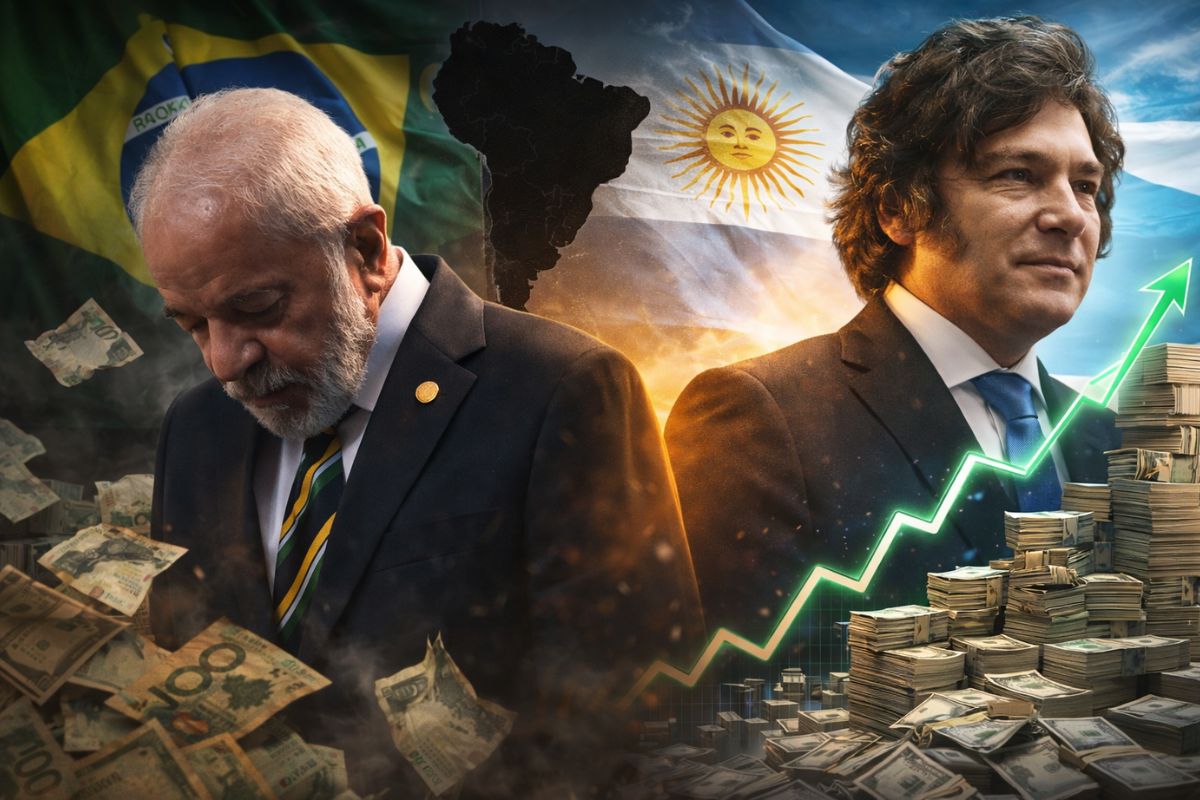
Latin America is stagnant, and Brazil is part of the problem, says the World Bank in a report that highlights Argentina as the main positive exception in the region thanks to fiscal adjustment and Milei’s reforms.
Low Competition
For the President of the Consumer Defense Committee, Congressman Celso Russomanno (Republicanos-SP), there is still a lack of competition in the ethanol sector. He requested that the technicians provide more details on whether direct sales from refineries to gas stations in this segment are already being practiced. Sandro Barreto stated that, of the average gasoline price of R$ 6.32, only R$ 2.18 is attributed to Petrobras. State and federal taxes account for R$ 2.40; distributors and resellers, R$ 0.69; and anhydrous, R$ 1.06.
He reiterated that Petrobras has free pricing, which follows international fluctuations. “The commodities market is extremely volatile, nervous. Exchange rates also have intense variations, sometimes from one day to the next. What Petrobras seeks in its pricing policy is precisely to avoid passing this immediate volatility onto its pricing in the Brazilian market,” declared Barreto.
Also Check: Petrobras Defends Current Fuel Pricing Policy and Truck Drivers Talk About New Strike
In an interview with UOL, the president of Petrobras, retired General Joaquim Silva e Luna, defended his management and denied that the company is responsible for the rising prices. Silva e Luna supported the company’s adjustment policy amid skyrocketing fuel prices and with Petrobras under criticism, including from the political class. Truck drivers on the last 16th, after a meeting in Rio de Janeiro, promised a new stoppage starting November 1st.
The general stated that Petrobras will not accept intervention, that “pricing regulation has always brought the worst consequences,” that the pursuit of profit should not be condemned, and that the decision on whether to privatize the company is up to the government. “What prevents supply shortages in markets and enables balanced economic growth is precisely the acceptance that prices are determined by the market, not by ‘pen strokes’,” said Silva e Luna.
Petrobras’ current pricing policy has been in effect since October 2016, under President Michel Temer’s administration, which established the Price Parity of Imports (PPI), passing on the increases in oil prices in the international market and also the dollar, which rose nearly 30% in 2020 and has increased by 5% this year. Petrobras’ pricing policy caused the largest truck drivers’ strike in the country in May 2018, which led to shortages of products nationwide. At that time, Temer altered the adjustment rules and dismissed Petrobras’ then-president, Pedro Parente.





Seja o primeiro a reagir!