





 Portuguese
  English
  Spanish
 3 min of reading
  0 comments


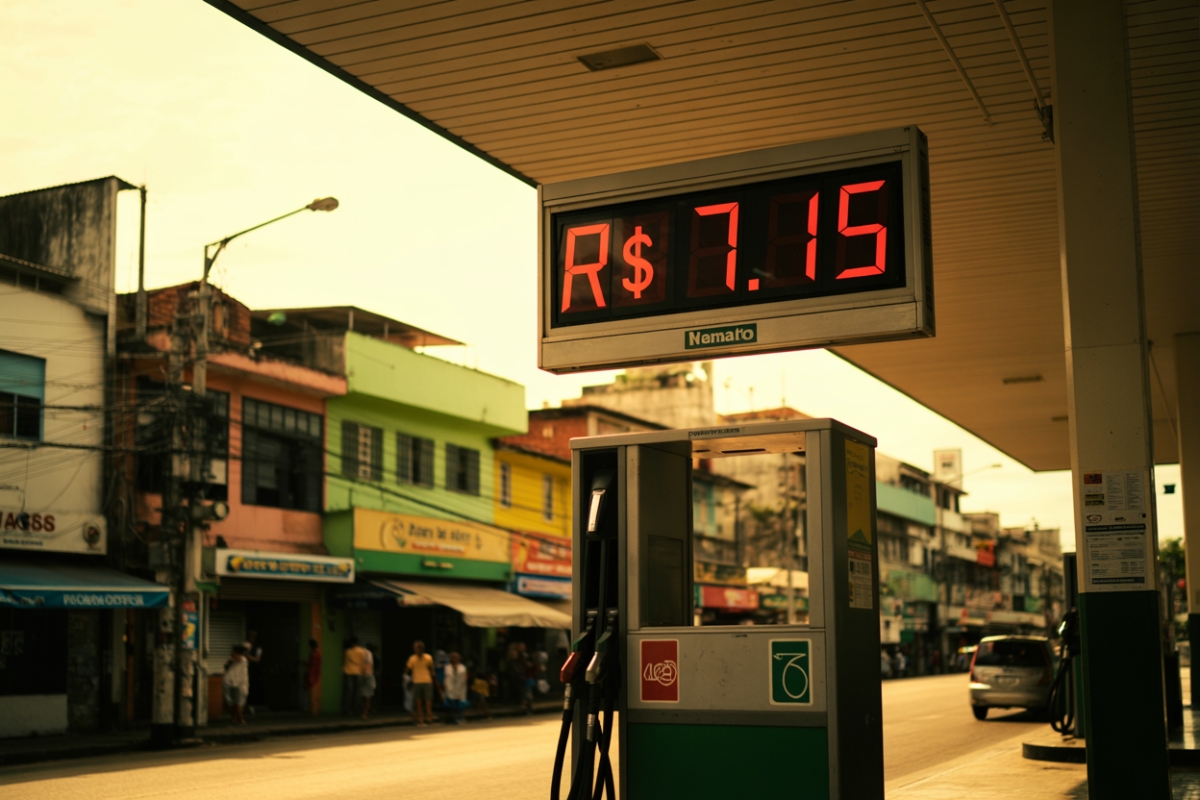
The Privatization of Ream Transformed Manaus into a Logistics Base, Ruined Local Refining, and Caused Gas Prices to Spike in Amazonas, with an Increase of 52.6% and Prices Already Above R$ 7.00
The price of gasoline in Amazonas has skyrocketed since the privatization of the Manaus Refinery (Ream), turning consumers’ lives into a true challenge.
According to data from the Inter-Union Department of Statistics and Socioeconomic Studies (Dieese), released by the subsection of the Unique Federation of Oil Workers (FUP), the accumulated increase has reached 52.6% since 2022.
The liter, which cost R$ 4.60 in December of that year, reached R$ 7.02 in August 2025, placing the region among the most expensive in the country for fuel.
-
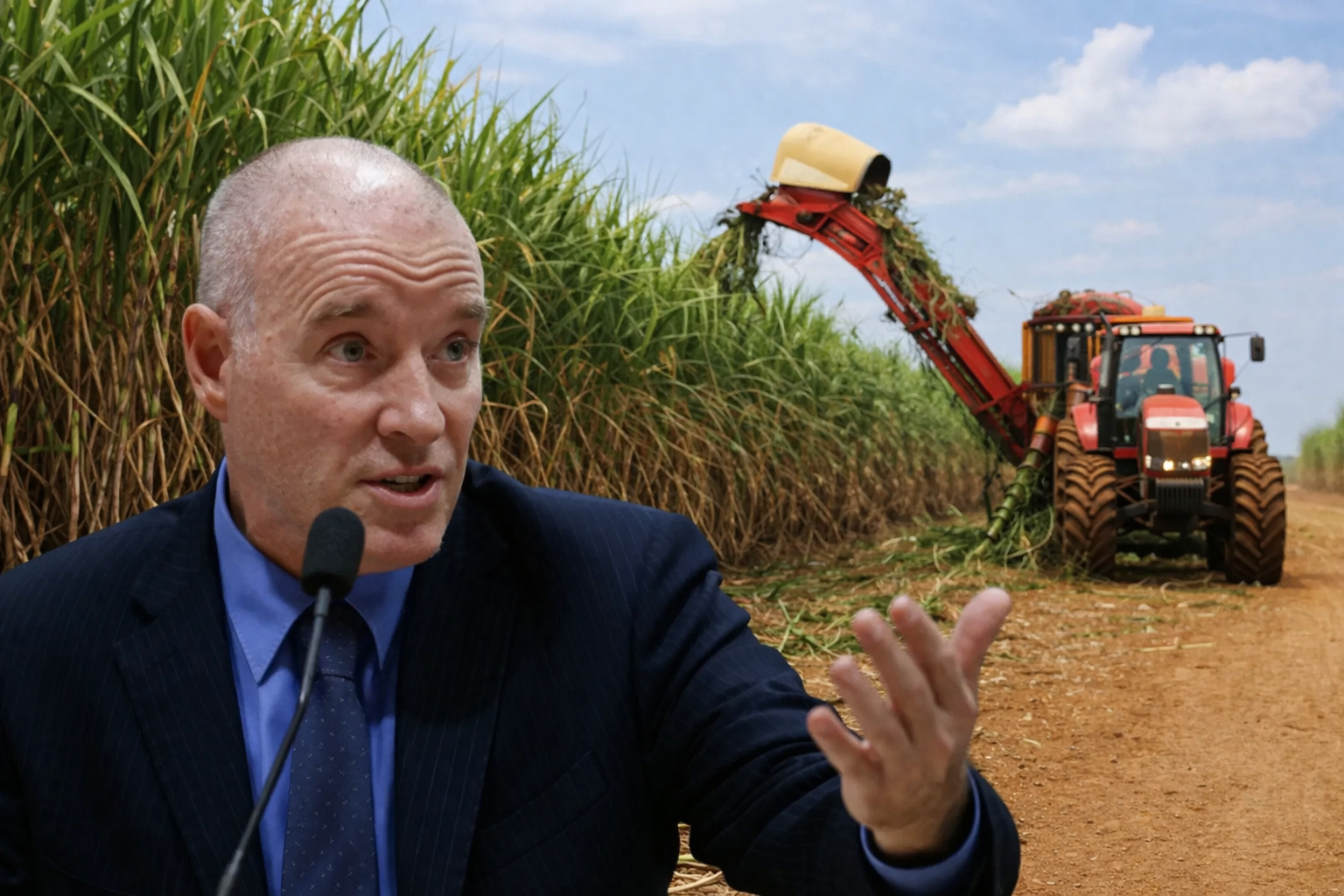
3 times more ethanol per hectare can be produced with Eike Batista’s supercane amid rising gasoline prices — how can this technology change fuel prices in Brazil?
-
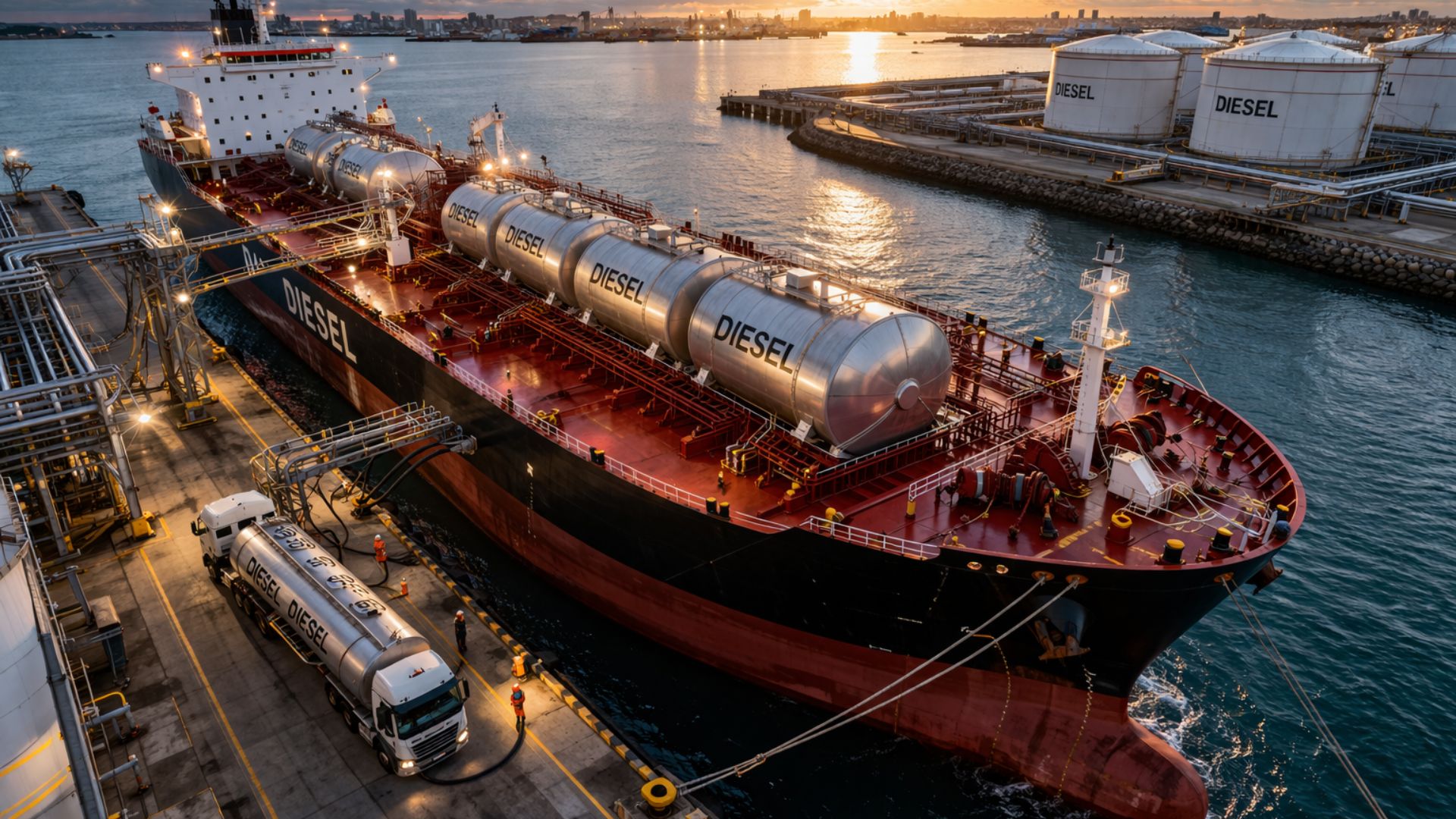
Former president of IBP highlights that dependence on diesel imports pressures prices in Brazil, increases vulnerability to global crises, and underscores the need for more robust and sustainable energy policies.
-
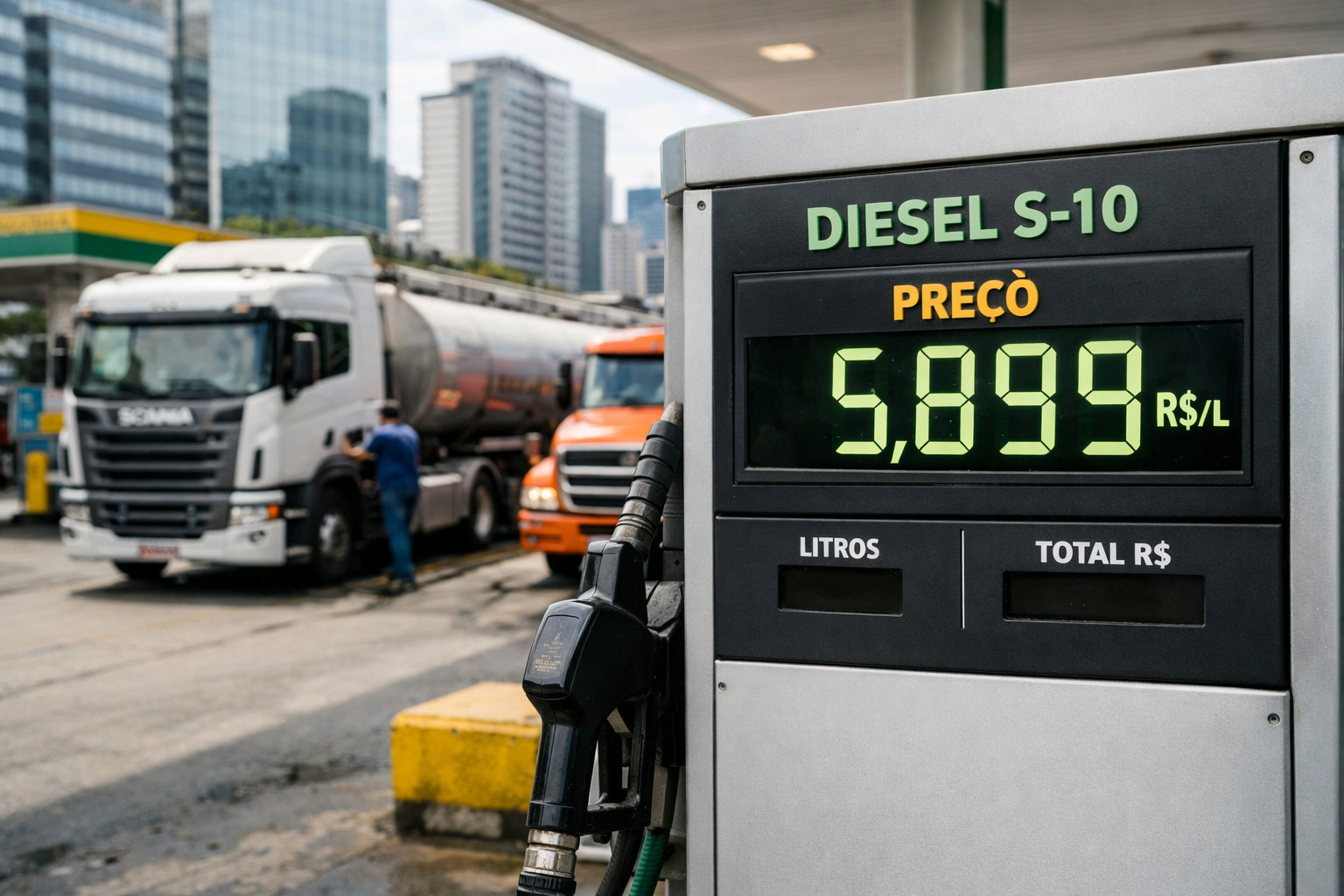
Middle East War Drives Up Oil Prices, And Petrobras Increases Diesel: Fuel Reaches R$ 3.65 Per Liter At Distributors
-
Oil Soars to Nearly $120, Middle East Tensions Shake Global Market, and a Little-Known Detail Returns to Energy Debate: The Gigantic Strategic Reserves Hidden by G7 Countries — See How Many Millions of Barrels Each Nation Holds in Reserve to Face a Global Crisis

A report from the Institute of Strategic Studies on Oil and Gas (Ineep), published on September 15, confirmed that the North Region recorded the highest national average price: R$ 6.19 per liter.
States like Amazonas and Acre pulled this average, in contrast to the Southeast, where the price stood at R$ 6.05.
From Refinery to Logistics Base
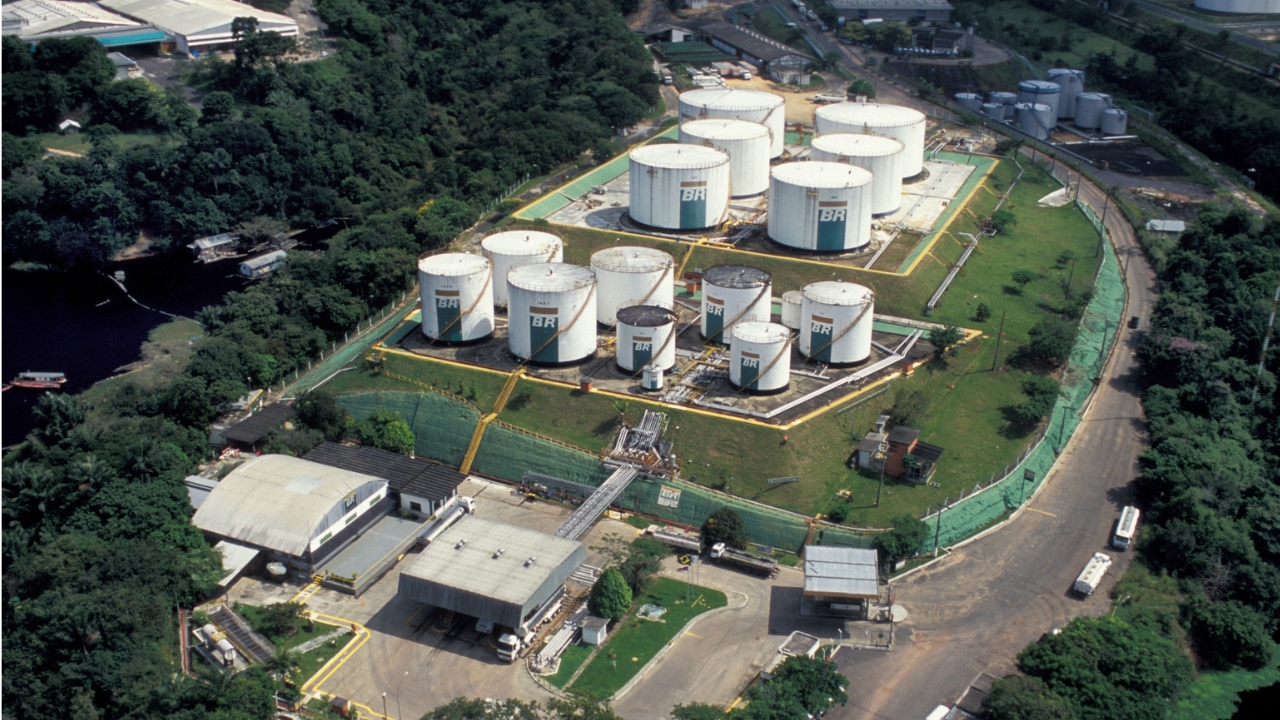
Before the privatization, Ream processed over 900,000 barrels of oil per month, particularly focusing on the production of Urucu (AM). However, by 2025, activity had dropped to symbolic levels: only 296,000 barrels in March and 114,000 in April.
Today, under the control of the Atem group, the unit mainly functions as a storage terminal, ceasing oil refining and increasing reliance on derivatives coming from other regions.
For Deyvid Bacelar, general coordinator of FUP, this change has further increased logistics costs. “Consumers in Amazonas are already among those who pay the most for gasoline and cooking gas in the country. The loss of local refining has only worsened this scenario,” he stated.
Document Sent to Lula
The FUP and the Oil Workers Union of Amazonas (Sindipetro-AM) delivered to President Luiz Inácio Lula da Silva a report detailing the impacts of privatization. The document points out:
- abrupt drop in refining activity;
- greater dependence on imports;
- considered abusive prices;
- mass layoffs and precarization of labor;
- billion-dollar losses for the state finances;
- risk of the unit becoming just a storage terminal.
Proposed Alternatives
Among the suggested measures, the entities advocate two main paths: reversing the privatization, reincorporating the refinery into Petrobras, or establishing a partnership with the Atem group to resume processing Urucu oil in Manaus.
According to Bacelar, these actions could reduce logistics costs, create qualified jobs again, and strengthen the regional economy.
In addition, the document calls for the inclusion of Amazonas in the national energy strategy, with Petrobras taking on a central role in the refining sector and ensuring more affordable prices for the population.








Seja o primeiro a reagir!