





 English
  Francês
  Alemão
  Italiano
  Japonês
  Norueguês
  Portuguese
  Spanish
  2 min of reading


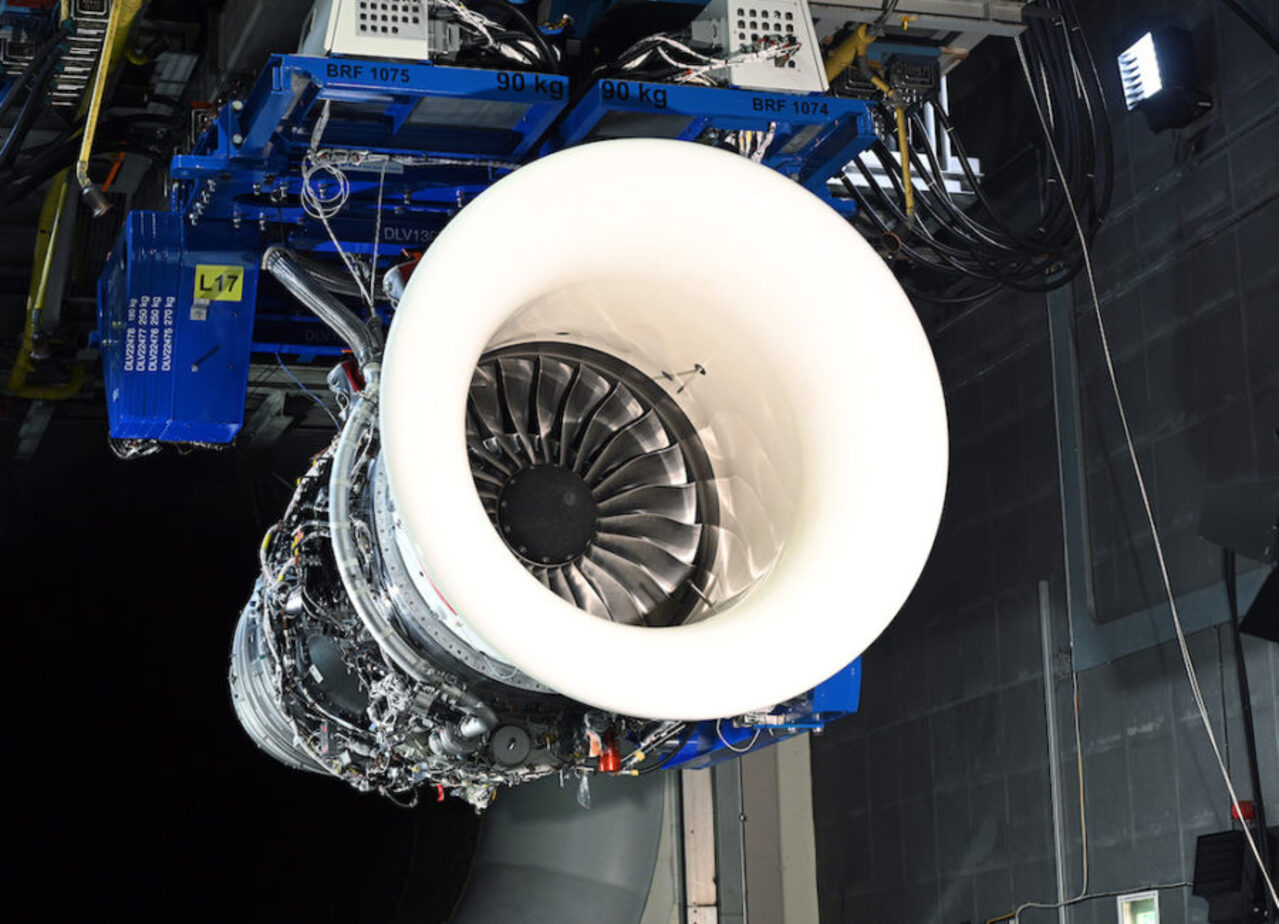
The First Study on the Effects of Using SAF – Sustainable Aviation Fuel Released
Released this week by Airbus, Rolls-Royce, and fuel manufacturer NESTE, the first study on emissions of 100% sustainable aviation fuel, known as SAF (Sustainable Aviation Fuel), was launched in a commercial passenger aircraft. The Emission and Climate Impact of Alternative Fuels project studies the effects of using pure SAF on emissions and aircraft performance.
Read Also
Airbus Director Provides Explanations on Sustainable Fuel
“Currently, aircraft can only operate with a maximum blend of 50% SAF and fossil jet fuel; this partnership will allow us to understand how gas turbine engines operate using 100% sustainable fuel aimed at certification, in addition to identifying potential emission reductions and environmental benefits,” explains the Director of Airbus’s New Energies Program, Steven Le Moing.
Testing on the turbines began this week at Airbus facilities in Toulouse, France, using an A350-900 with Rolls-Royce engines. It was the first flight to confirm the operational compatibility of using pure sustainable fuel with the aircraft’s systems. Emission tests in flight and ground analyses are also planned to measure particulate emissions and determine the environmental impact of using SAF in airport operations.
-
Rio Grande do Sul accelerates energy transition: State invests in renewable technologies and consolidates decarbonization strategies and pathways to attract billions in new industrial investments.

-
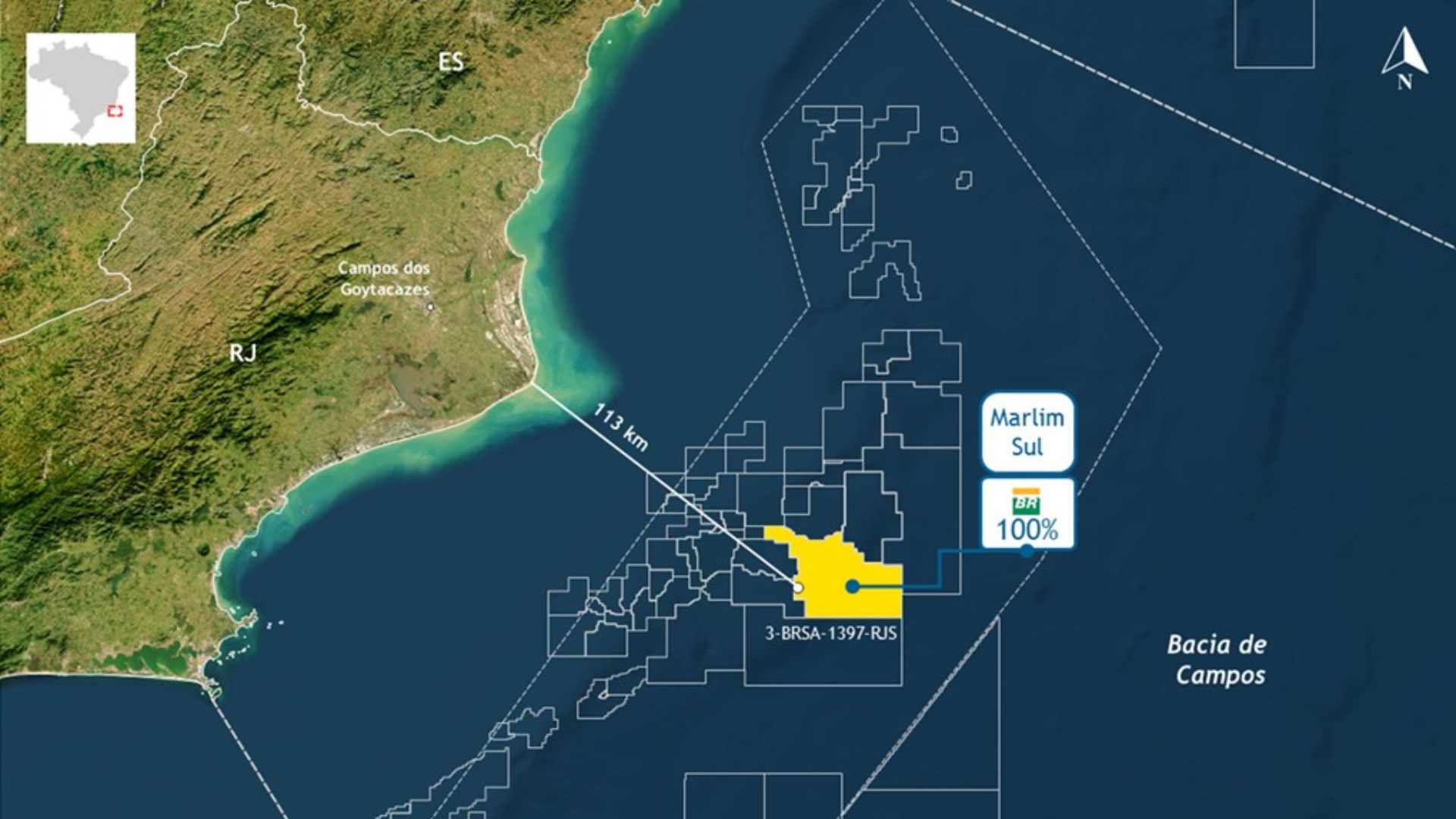
Petrobras finds high-quality oil in the pre-salt at 113 km from RJ and reignites expectations about strategic reserves in the Campos Basin.

-
Ocyan opens registrations for startups focused on innovation in the oil and gas sector and will select projects for Innovation Day with the support of Nexio.

-
With 160,000 m² of collectors, an area larger than 20 football fields, Silkeborg, in Denmark, hosts a solar thermal plant that heats 19,500 homes and could become the largest solar heating plant in the world.


International Civil Aviation Was Already Responsible for 2% of Global CO2 Emissions Before the Covid-19 Pandemic, Which Drastically Reduced the Number of Flights.
CORSIA, based on an international agreement, committed to emissions-neutral growth targets starting in 2020, in a pilot and voluntary phase. Starting in 2027, the emission reduction measures and targets will apply to all countries, and sustainable fuel will play a crucial role in this regard.
According to NESTE’s Vice President for Europe, Jonathan Wood, the sustainable aviation fuel produced by the company reduces greenhouse gas emissions by up to 80% compared to fossil fuels.
Commercial Aircraft Ready to Use Biofuels by 2030
The initiative from the group comes in the wake of a recent announcement from Boeing to ensure that all its commercial aircraft will be ready to use 100% sustainable aviation fuels by 2030.
In January of this year, the American manufacturer announced that it had conducted flight tests by replacing fossil jet fuel with renewable fuel, and committed to working with regulators to raise the allowed blend limit.







Seja o primeiro a reagir!