





 Portuguese
  English
  Spanish
 3 min of reading


Comgás: A Protagonist in the Energy Transition
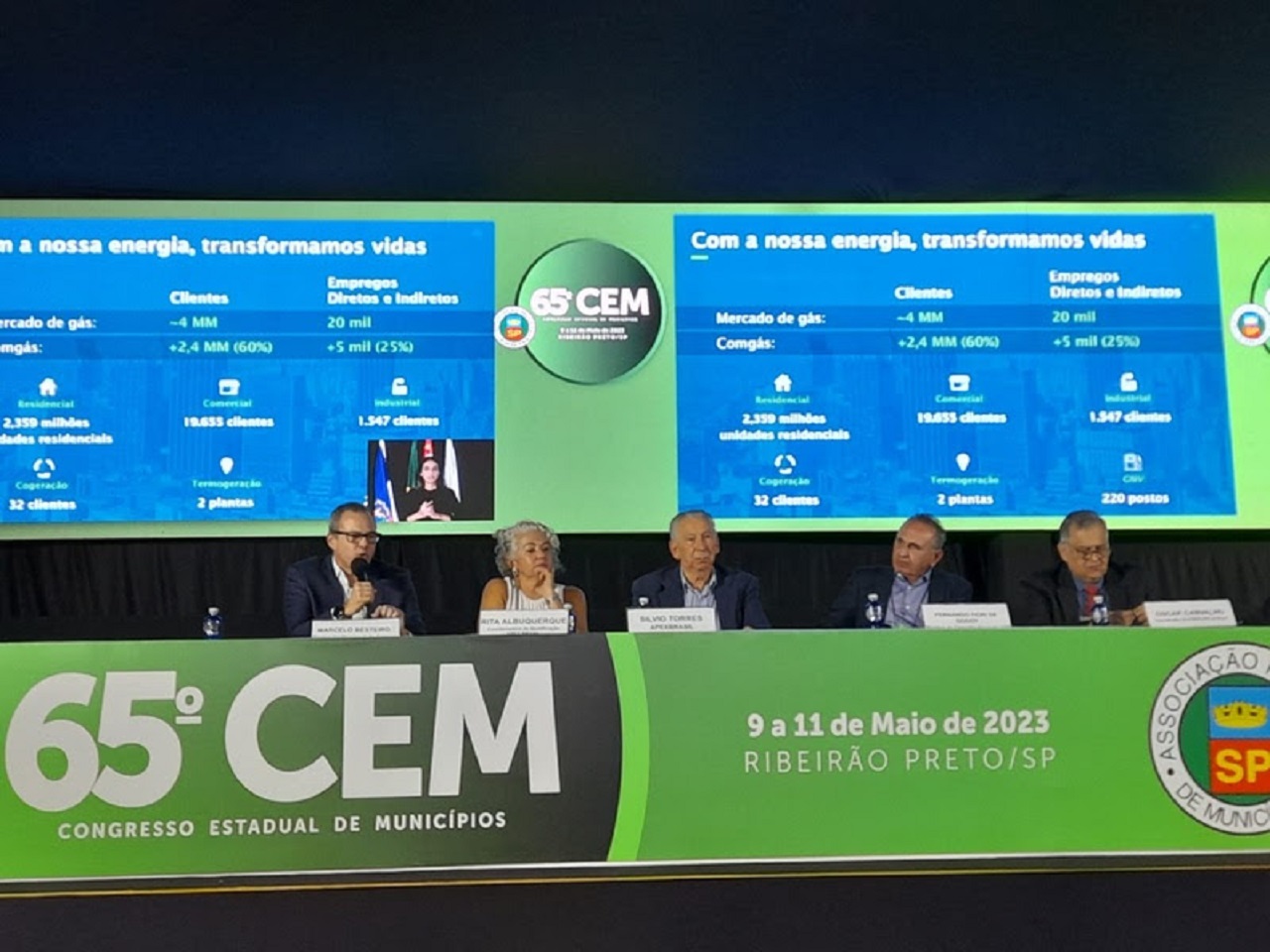
In a brilliant example of collaboration for progress, Comgás, the largest distributor of piped natural gas in Brazil, has shown its leadership in the energy sector by sponsoring the 65th State Congress of Municipalities (CEM). This landmark event, held by the renowned Association of Paulista Municipalities (APM), took place from May 9 to 11 at the Taiwan Event Center in Ribeirão Preto.
With the theme “Strong Municipality. Developed Country,” the congress brought together municipal, state, and federal public managers in a collective search for practical solutions to the most pressing issues faced by municipalities. As part of its contribution, Comgás presented proposals that highlighted the challenges and opportunities in natural gas distribution infrastructure.
Video: Learn More About the Event


Natural Gas: An Essential Fuel for the Future
“Natural gas is a crucial element for the State of São Paulo in its efforts for decarbonization and the transition to low-carbon energy sources, ensuring the energy security needed for the state’s reindustrialization,” emphasized Marcelo Besteiro, director of Institutional Relations, Regulatory, ESG, and Communication at Comgás. He highlighted the importance of uniting efforts to develop public policies and incentives for the industry at both national and state levels.
-
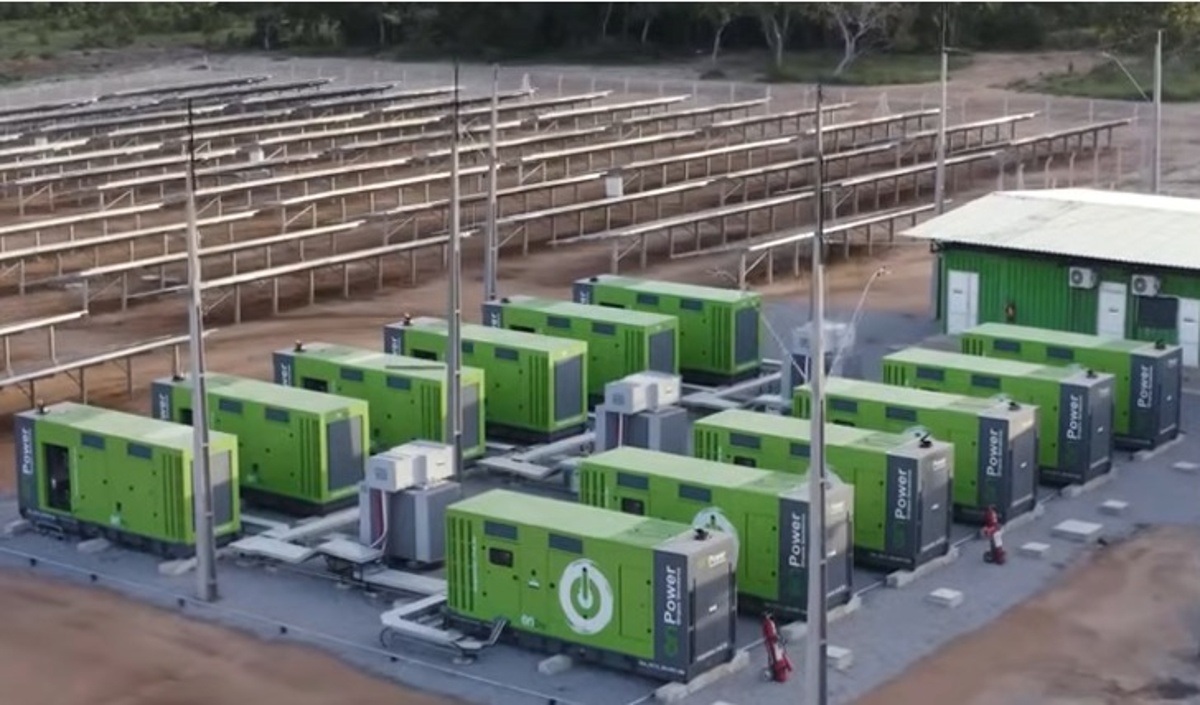
Thermal expansion and capacity auction boost suppliers of generators and turbines in Brazil with nearly 20 GW contracted.
-
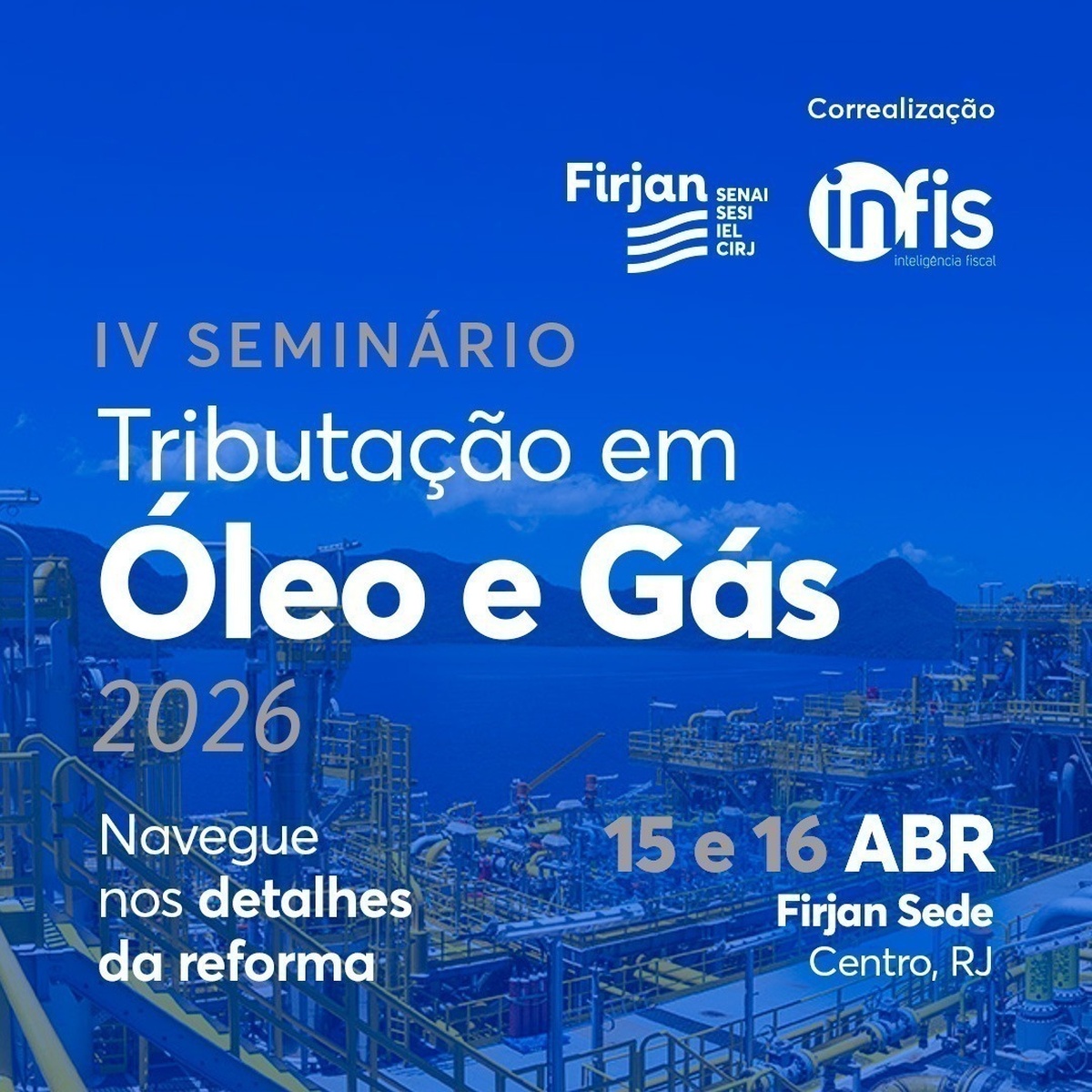
Tax reform advances in Brazil and places the oil and gas sector at the center of strategic discussions at the IV Seminar on Taxation in Oil and Gas 2026 in Rio de Janeiro, focusing on IBS, fiscal impacts, and business repositioning.
-
Brazilian city bets on the business environment to generate jobs and attract investments in the energy sector — secretary reveals strategy at Macaé Energy 2026.

-
The largest South American oil company, Petrobras, is preparing for a historic leap in production with new FPSO platforms and the expansion of refining — projects that could add up to 900,000 barrels per day and strengthen Brazil’s energy security.
Enhancing Energy Efficiency in the Transport Sector
At the event, Comgás also made a compelling demonstration of the power of compressed natural gas (CNG) in heavy vehicle fleets. According to Comgás specialists, the average savings from CNG in these fleets is nearly 15% per kilometer traveled compared to diesel, considering that the truck travels an average of 10,000 km per month.
They highlighted the company’s commitment to encouraging the establishment of refueling garages in transport companies and industries, which could reduce the overall freight costs, generating savings of 30% to 40% compared to diesel sold at conventional gas stations. Moreover, compressed natural gas results in a reduction of 20% to 25% in greenhouse gas emissions and can achieve a significant reduction of over 90% in local pollutant generation and particulate matter.
A Brief Overview of Comgás and APM
Comgás is a pioneering force in the energy sector, with over 21,000 kilometers of natural gas distribution network in 95 municipalities. The company serves more than 2.4 million customers in its concession area in the State of São Paulo.
The APM, on the other hand, is an entity representing municipalities, operating since 1948. With a successful history of advising municipalities on technical and administrative matters and organizing public services, APM has been an influential voice in defending the interests of municipalities before the Executive and Legislative Powers at both the state and federal levels.
Conclusion: Toward a Sustainable Future
Comgás’s participation in the 65th State Congress of Municipalities highlights its position as one of the leaders in Brazil’s energy transition. Through its sponsorship of this event, Comgás demonstrated its commitment to decarbonization and the pursuit of more sustainable energy solutions.
The collaboration between companies like Comgás and institutions like APM is essential for the progress and sustainable development of the country. Together, they are paving the way for a future where cities are stronger, the country is more developed, and energy solutions are more sustainable and efficient.









Seja o primeiro a reagir!