





 Portuguese
  English
  Spanish
  5 min of reading
  0 comments


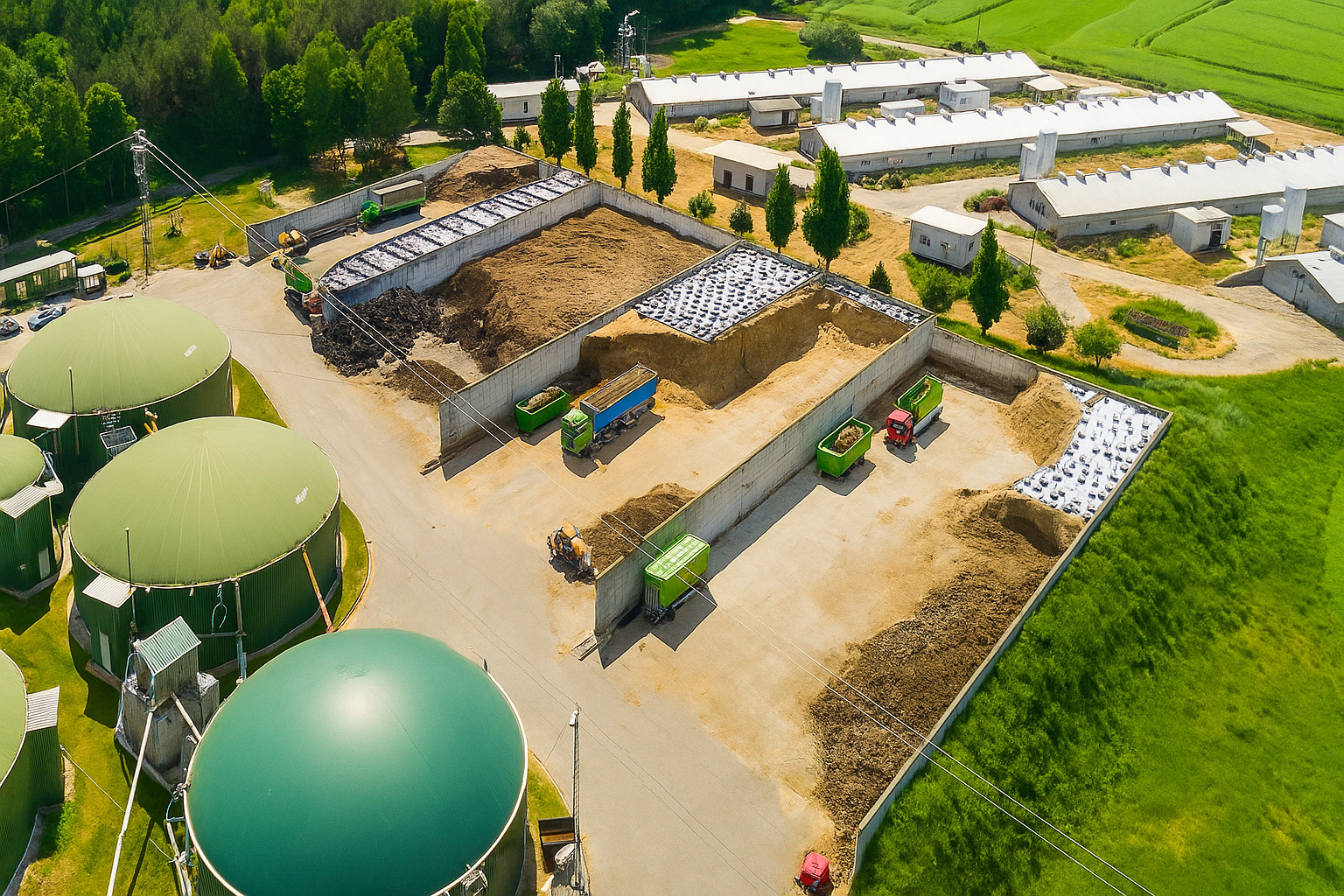
The Biogas Committee of MS Expands Its Presence and Strengthens Dialogue with Society, Bringing Together Institutions, the Productive Sector, and Citizens Towards Energy Transition.
The Biogas Committee of MS has gained digital space and increased its relevance by opening a direct communication channel with society. With the launch of its official Instagram profile, the group strengthens dialogue with different sectors and reaffirms its role as a leader in the energy transition of the State.
This initiative, coordinated by the State Regulatory Agency for Public Services (AGEMS), places Mato Grosso do Sul in a prominent position in the national scenario of renewable energies. Furthermore, it shows how technology and digital communication have become strategic tools to bring institutions and citizens closer to issues related to sustainability.
The digital presence enables rural producers, entrepreneurs, universities, public institutions, and the population to follow, in real-time, debates, events, and information about biogas and biomethane. Thus, the committee consolidates itself as a reference space in the dialogue about the energy future.
-
Brazil accelerates hydrogen and biofuel projects to consolidate the fuel of the future and reduce dependence on oil by 2026.
-
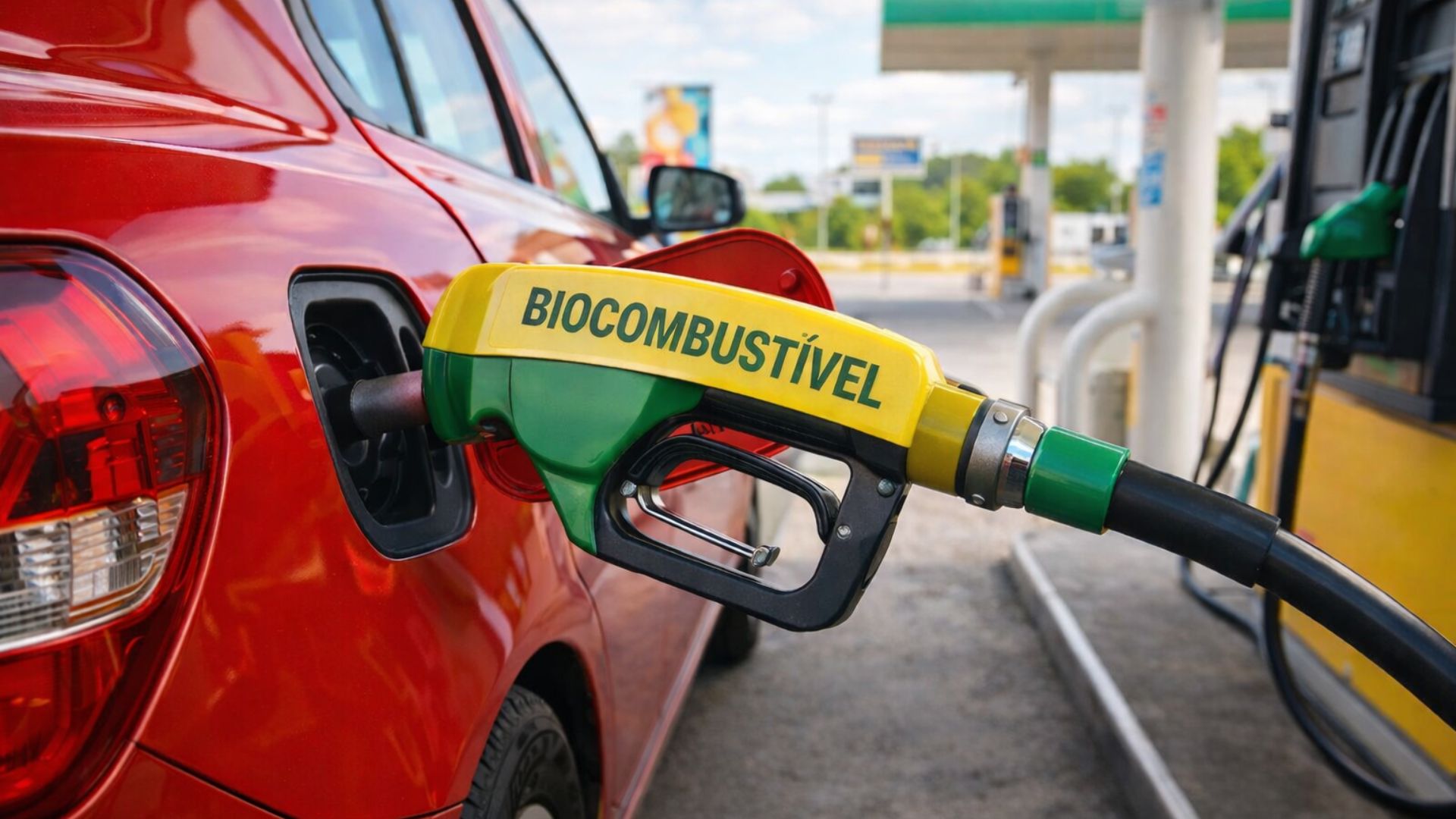
CNPE strengthens policy and prevents imported biodiesel from being mixed with diesel, aiming to strengthen the Brazilian industry and protect jobs by reducing external dependence amid tensions in the global market.
-
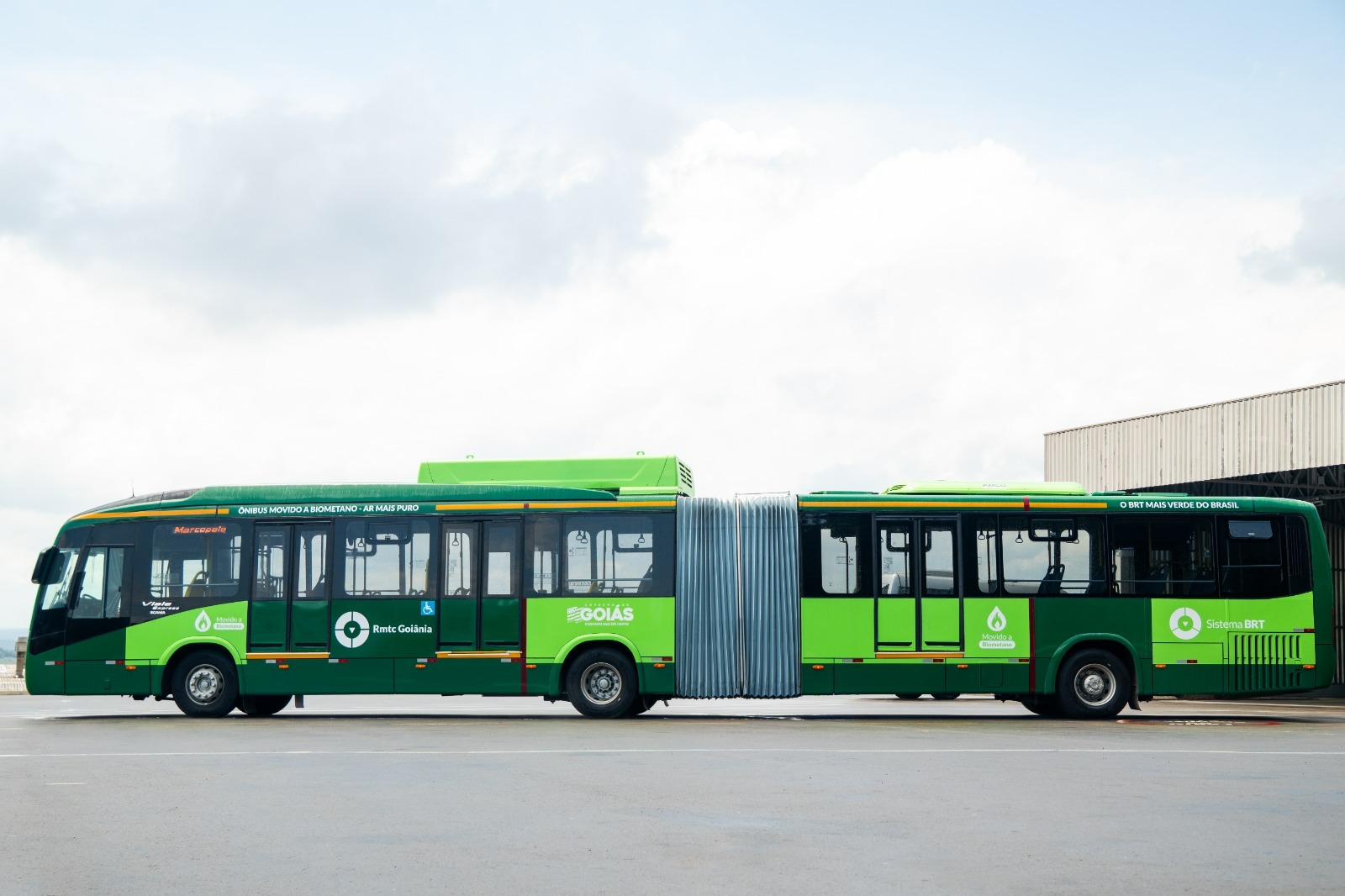
Revolution in public transport: Goiânia puts into circulation the first articulated buses powered by biomethane in Brazil and promises to drastically reduce pollution on the Anhanguera Corridor.
-
From the field to the pipelines: Mato Grosso do Sul accelerates the energy transition and consolidates a new axis in renewable energy with the arrival of a giant biogas plant.
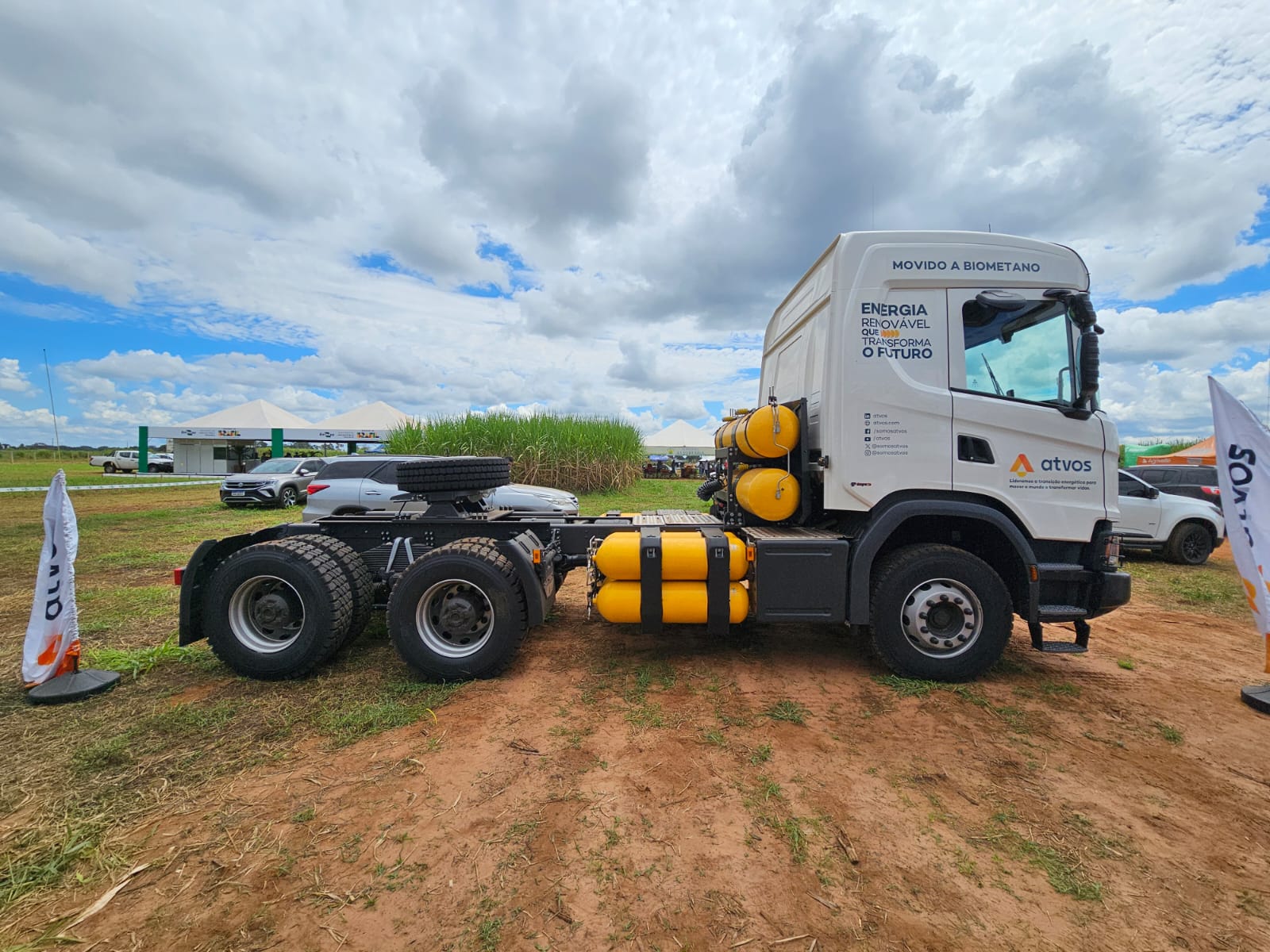
Moreover, the digital platform allows participants to share experiences, questions, and solutions, fostering collaborative innovation. This interaction contributes to accelerating the implementation of new technologies and sustainable practices, making Mato Grosso do Sul a national example of energy governance.
The Historical Milestone of the Biogas Committee of MS
The Biogas Committee of MS was established in August 2024 as a response to the new energy demands of the State and Brazil. Since then, it represents a milestone in governance and innovation in public policies aimed at biodiesel.
Even before the committee’s creation, AGEMS had already taken significant steps. In 2023, the publication of Ordinance No. 256 regulated the inclusion of biomethane in the piped gas system, creating conditions for the fuel to safely and efficiently integrate into the state’s energy matrix.
Subsequently, in 2025, Mato Grosso do Sul further consolidated its position by signing a Technical Cooperation Agreement with the National Agency of Petroleum, Natural Gas and Biofuels (ANP). This agreement brought regulatory alignment with federal policy and ensured legal security to attract investments, demonstrating the State’s potential to lead the sector.
With these measures, the committee contributed to creating a safe environment for new businesses in the energy sector, encouraging entrepreneurs to invest in biogas and biomethane technology and infrastructure.
Additionally, the consolidation of the regulatory framework also generated confidence among national and international investors. This increased interest in clean energy projects, promoting the establishment of new production units and strengthening the local economy.
The Importance of Representativeness
Another factor that distinguishes the Biogas Committee of MS is its strategic composition. It brings together prominent institutions such as AGEMS, ABIOGAS, MSGÁS, Energisa, FIEMS, IMASUL, SEMADESC, SEFAZ, and Biosul. The coordination is led by Matias Gonsales, the director of Regulation and Supervision of Piped Gas, Energy, and Mining at AGEMS.
This representativeness enhances the legitimacy of actions and ensures that different perspectives are part of the construction of energy policies. By bringing together the productive sector, public agencies, and civil society entities, the committee creates an environment of cooperation and dialogue that promotes sustainable and innovative solutions.
Furthermore, the advisory and technical nature of the committee strengthens its role as a consultation body. It proposes strategies to expand the presence of biogas and biomethane in the state’s energy matrix, illustrating how collaborative governance can drive profound transformations in the sector.
The committee also plays an educational role, promoting workshops, lectures, and training to empower professionals and students. This way, a new generation of biogas and biomethane specialists is formed, ready to face the challenges of the energy transition.
Digital Connection and Energy Future
With its entry into the digital environment, the Biogas Committee of MS brings society even closer to its projects. Through Instagram, the population can follow news, analyses, and events in real-time. This movement not only increases transparency but also promotes social engagement around the topic.
Moreover, digital communication expands the reach of initiatives and makes the debate about sustainability more accessible. Young people, entrepreneurs, and citizens interested in clean energies find in the committee’s profile a space to get informed and actively participate in the energy transition.
The president of AGEMS, Carlos Alberto de Assis, reinforces this vision by stating that the creation of the committee reflects a commitment to sustainable development. He emphasizes that the goal is to promote the growth of biofuels and build a greener energy future for Mato Grosso do Sul.
Digital communication also enables the dissemination of success cases, showcasing examples of rural and industrial enterprises that adopted biogas and biomethane with positive results. This serves as inspiration and a model for new entrepreneurs and public managers.
The Strategic Role of the Biogas Committee of MS
The future of energy in Brazil relies on the diversification of the energy matrix. In this context, the Biogas Committee of MS plays a fundamental role by encouraging the use of biogas and biomethane as clean and renewable alternatives.
These fuels, produced from organic waste, have the potential to reduce greenhouse gas emissions and increase the energy security of the State. Additionally, they promote economic gains by turning waste into energy, strengthening the circular economy.
By connecting government, society, and the private sector, the committee creates a favorable environment for innovation. It also contributes to attracting investments and strengthening local productive chains, placing Mato Grosso do Sul as a protagonist in a sustainable energy scenario.
The committee also engages in the analysis of public policies, offering technical recommendations to enhance tax incentives, financing programs, and biofuel distribution infrastructure. This ensures that the development of the sector is strategic and sustainable, benefiting all of society.
The Future of Biogas
The Biogas Committee of MS represents much more than a governance body. It symbolizes the State’s capacity to innovate, engage in dialogue with different sectors, and lead the energy transition in Brazil.
With its digital presence, it further expands this mission, making information accessible and encouraging active societal participation. Thus, Mato Grosso do Sul reinforces its position as a national reference in the sector and demonstrates that sustainability can align with economic and social development.
Additionally, the committee envisions a future in which technology, education, and innovation go hand in hand, strengthening the local economy, generating jobs, and consolidating the State as a reference in clean and renewable energy.






Seja o primeiro a reagir!