





 Portuguese
  English
  Spanish
  3 min of reading


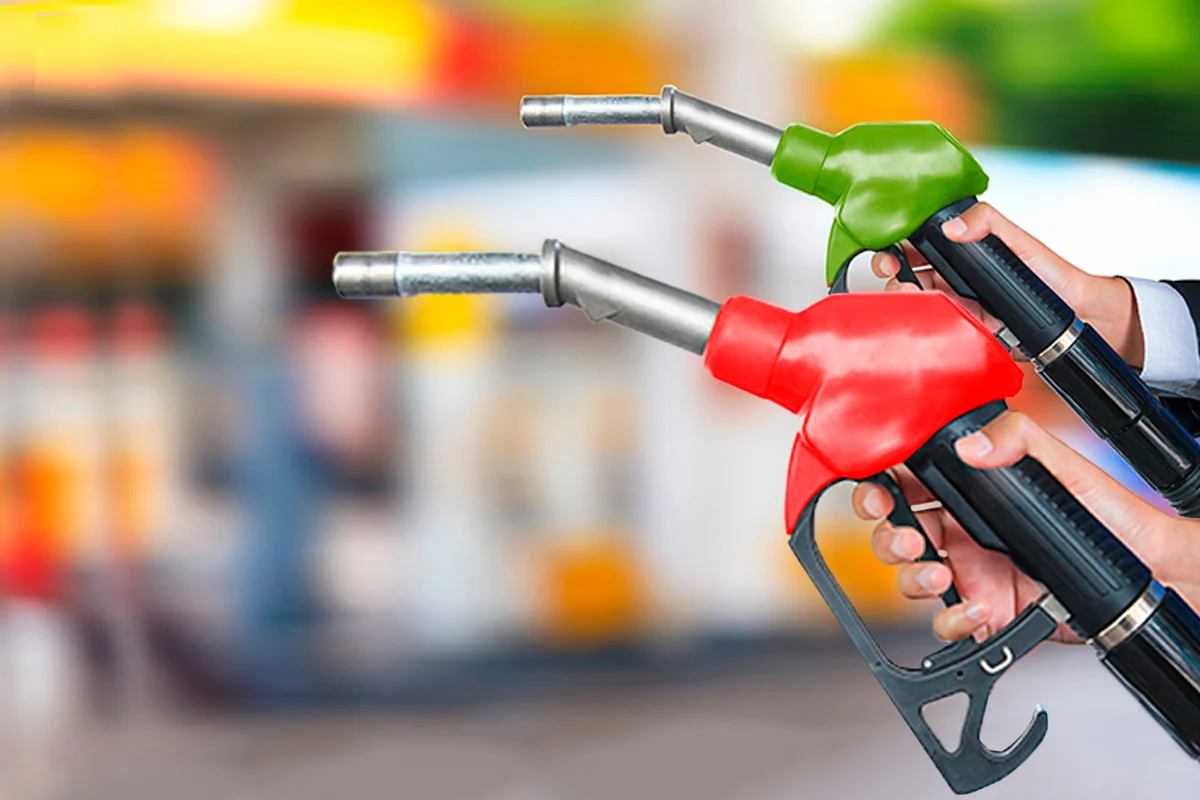
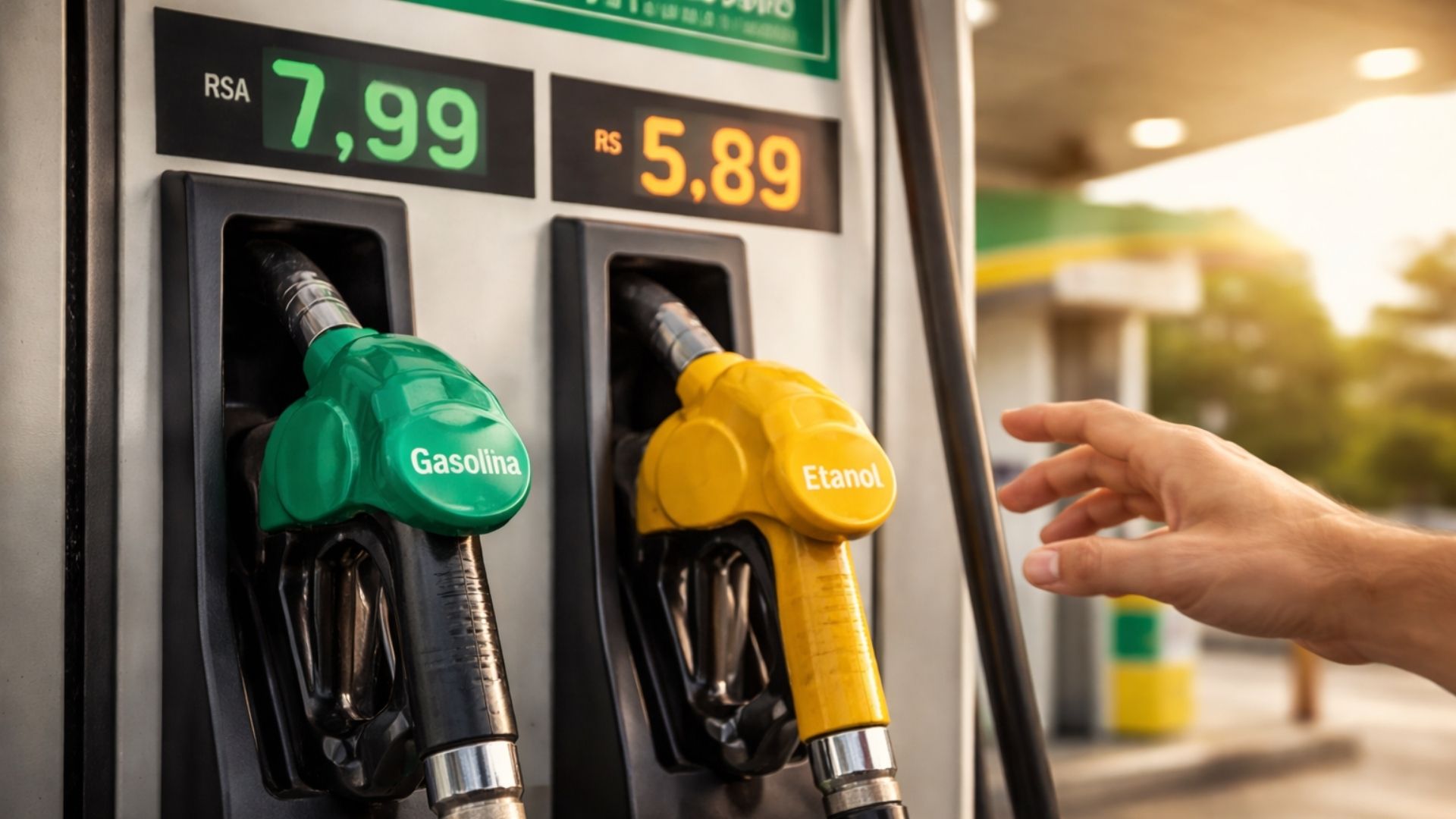
Even With Taxation Advantages, Gasoline May Be More Advantageous Than Ethanol for Refueling Your Car, According to a Survey by Veloe in Partnership with Fipe. The Flex Cost-Benefit Indicator Showed That, at the Beginning of This Year, the Price of Hydrated Ethanol Fuel Was Equivalent to 81.6% of the Price Charged for the Same Amount of Gasoline.
Analyzing Data from the National Biotechnology Union, It Is Possible to Confirm That the Reduction of Federal Rates and ICMS Responsible for a 19% Decrease in Gasoline Prices Was Not Enough to Compensate for the Greater Sensitivity of fuels to Taxation.
The Biofuel Suffered a Major Setback with the Exemption of Taxes Announced by Jair Bolsonaro for Fossil Fuels. The Lack of Differentiated Taxation Between Ethanol and Gasoline Led to the Former Losing Competitiveness Compared to the Latter.
According to Pedro Rodrigues, Partner at CBIE Advisory, It Was This Measure That Caused Drivers to Choose to Fuel Their Flex Vehicles with Gasoline. The Specialist Emphasized That Ethanol Should Have Received Incentives Similar to Those Granted to Electric Vehicles to Stimulate the Use of the renewable fuel.
-
Unemployment rises again to 5.8% at the beginning of 2026, raising alarms about the end of temporary positions and its impact on the Brazilian job market.

-
Document organization can cut invisible costs in small businesses, a simple step that prevents waste, rework, and losses in daily operations.

-
Chinese giant worth nearly R$ 4 billion that manufactures cables for electric cars, solar energy, and robotics wants to open a factory in SC.

-
Many employers do not know, but the law guarantees domestic workers a 25% increase in salary during trips, 50% for overtime, 20% for night shifts, and 17 additional benefits that can lead to labor lawsuits if not paid.


However, Even in the Face of This Disadvantage, Ethanol Still Plays an Important Role in the Brazilian Energy Matrix. According to Data from ANP (National Petroleum Agency), It Represented 36% of the Total Volume Consumed in the Country in 2021 – a Number Practically Equal to 2020 (35%).
Despite This, It Is Necessary to Conduct Specific Studies to Better Assess the Economic and Environmental Effects of the renewable fuel and Establish More Favorable Criteria to Encourage Its Use. This Will Ensure Real Benefits for Both Citizens and the Environment.
Future of Fuel Tax Exemption
The Exemption of the fuel Was Extended for More 60 Days by Lula, in Order to Ensure the Reduction of Taxes for Gasoline, Ethanol, Diesel, Biodiesel, Natural Gas and Cooking Gas. The Measure Is Valid Until February 28.
Although It Promotes Significant Savings for Brazilian Consumers, the Lula Government Faces a Dilemma: to Recover Revenues That Would Have Been Collected from Taxes or to Maintain the Exemption of the fuel to Alleviate the Burden on Taxpayers. Pedro Rocha from CBIE Advisory Explains That This Decision Is Extremely Delicate and Involves Various Factors.
The Impact of the Exemption Is Already Being Felt in Several Areas. The Ministry of Finance Estimates That the Reductions in Fuel Prices Have Led to a 2% Increase in the Budgets of Brazilian Families in the Last Three Months. This Means That More People Have Access to Transportation and Take Advantage of the Economic Benefits.
Additionally, Part of the Savings Generated by the Exemption Is Allocated to Social Areas. About 20% of This Amount Is Used to Fund Programs Such as Bolsa Família and National Urban Housing Program. On the Other Hand, It Is Up to the Oil Companies to Pass These Discounts on to Final Consumers.
In Light of This, Experts Diverge on the Best Course of Action Regarding Fuel Tax Exemption. On One Hand, There Is the Urgent Need for the State to Recover Lost Tax Revenues; On the Other Hand, There Is a Consensus That a Responsible Fiscal Policy Is Necessary That Takes into Account the Interests of Taxpayers and Society as a Whole.
In the Midst of This Conflict Between the Government and Taxpayers, All That Remains Is to Wait for the Final Decision to Be Made by President Lula by the End of This Month. Meanwhile, Millions of Brazilians Remain in Expectation of Whether They Will Have the Right to Continue the Reduction of the Fuel Price or If They Will Have to Return to Bearing the High Prices Charged Before the Waiver.
Understand Why Haddad Did Not Want Fuel Tax Exemption










Seja o primeiro a reagir!