Portuguese
  Spanish


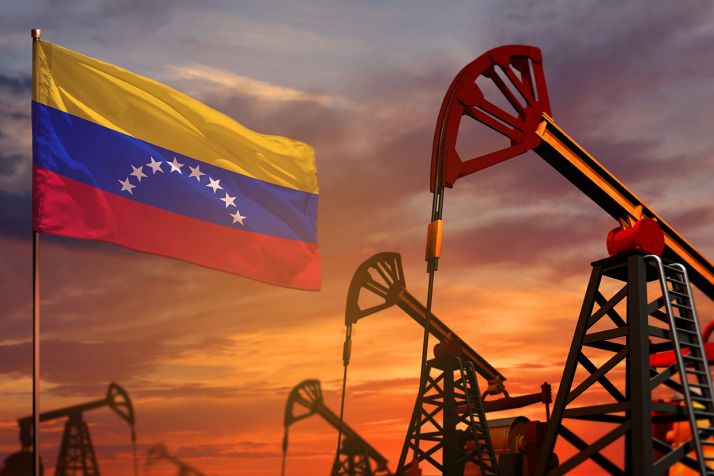

The Purpose of Venezuela’s Announcement Is to Ensure an Increase in Oil Production
Venezuela, a country with the largest oil reserves in the world, warned the foreign oil companies Chevron and Repsol to help increase production, in order to prevent them from stopping exploration in the country. Petróleos de Venezuela and the Ministry of Oil of Caracas sent a letter last month to all 19 joint venture partners whose contracts will expire in 2026, to inquire about their exploration intentions.
See Also Other News of the Day:
- Subsea 7 Opens Positions in RJ for Candidates Without Experience for Its Internship Program in the Oil and Gas Industry
- Brazil’s Renewable Energy Matrix May Have 17 New Biofuel Plants, According to ANP
- Resumption of Uranium Mining in Bahia May Boost the Brazilian Economy
- Federal Government and ANEEL State That Solar Energy Will Be Taxed in the Coming Years
According to the letter, all oil companies had until January 15 to respond, and the companies could still request a contract renewal with the country.
Venezuela will seek new partners if the current ones do not respond and help to reactivate the collapsed oil industry, after years of mismanagement and sanctions from the United States.
-
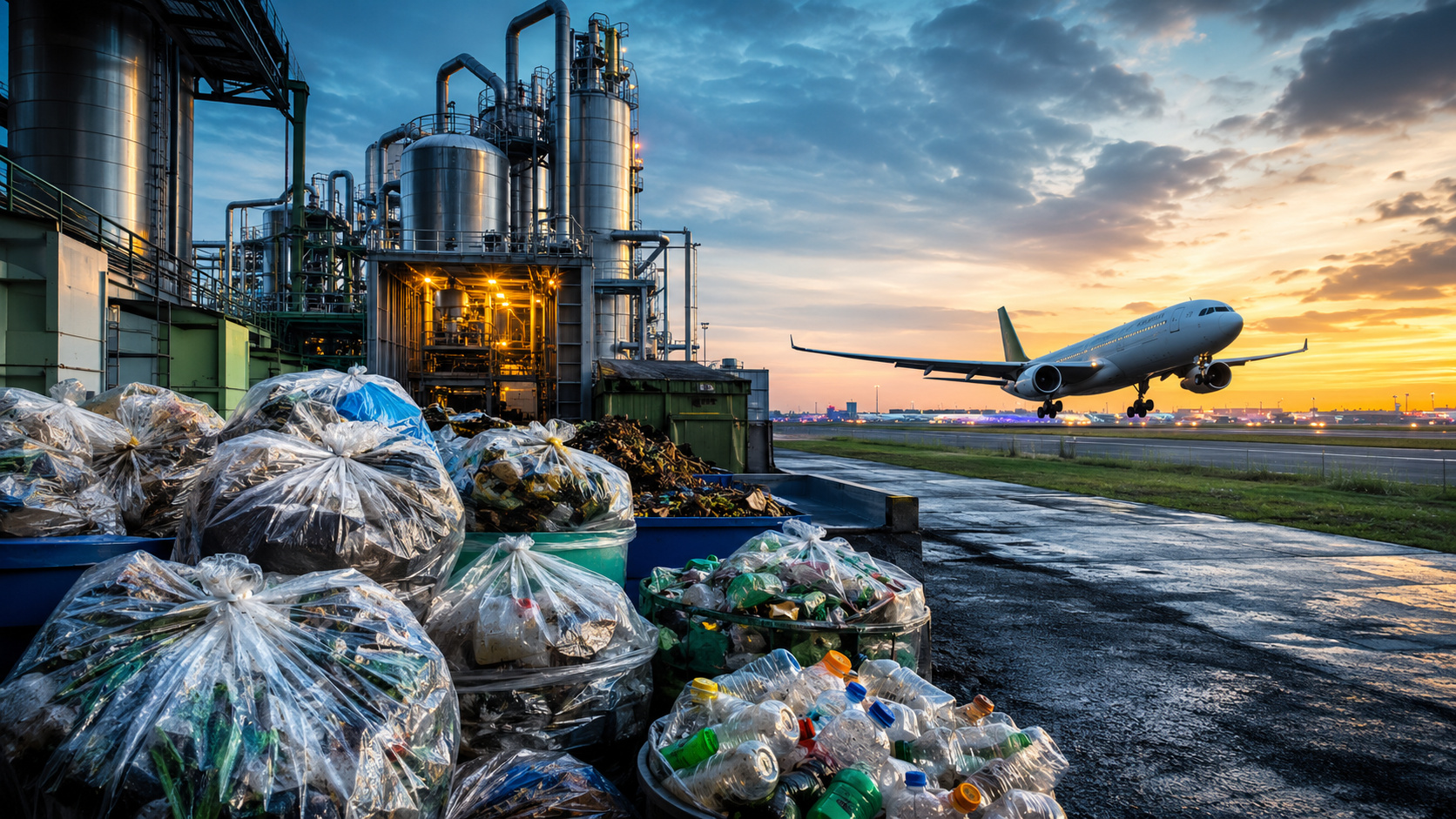
Qantas and Airbus Invest in Company Aiming to Convert Unsorted Household Trash into Jet Fuel

-
Brazil’s ANP Opens 86 New Oil Blocks in the Equatorial Margin, Expanding the Amazon River Mouth Frontier

-
OPEC+ Boosts Oil Supply by 188,000 Barrels per Day in July 2026, Leading to Price Drop from $112 to $89 per Barrel in Under Two Months

-
TotalEnergies Signs 20-Year Deal to Purchase 2 Million Tons of LNG from Alaska, Boosting Project Viability



Chevron, headquartered in the United States, is one of the major global companies in the energy sector, particularly oil. Although sanctions have effectively prevented the company from producing oil in Venezuela since April, it has been authorized to carry out transactions deemed essential to protect its assets.
Petróleos de Venezuela reported that the company is trying to review joint venture agreements and present new partners before the current license expires. As foreign companies are afraid of conflicting with sanctions, most projects have very little progress.
Venezuela’s oil exports fell last year to the lowest level in about 70 years.