





 Portuguese
  English
  Spanish
  4 min of reading
  0 comments


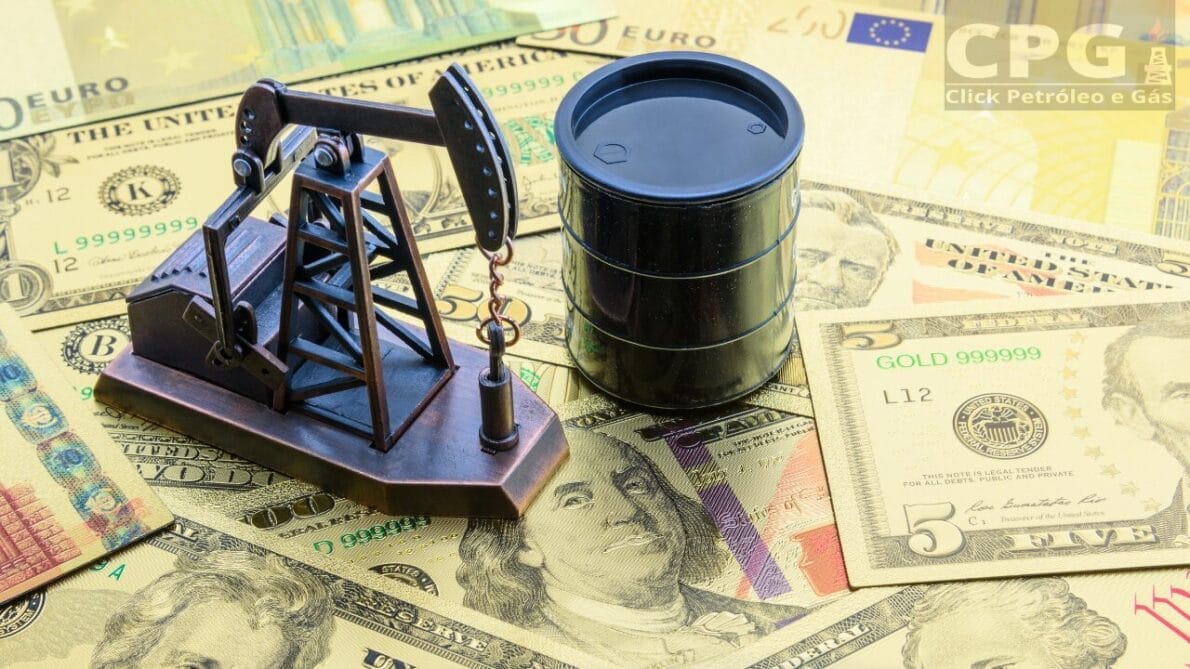
The End of the Petrodollar Agreement Between Saudi Arabia and the USA Challenges the Dollar’s Dominance, Alters the Oil Market, and Affects Global Investments. Discover the Economic and Geopolitical Repercussions
The year 2024 marks a historic milestone in the economic and geopolitical relations between Saudi Arabia and the United States. The Kingdom of Saudi Arabia has decided to not renew the petrodollar agreement, an alliance that has been fundamental to the global economy for nearly 50 years. This change not only challenges the hegemony of the US dollar but also has the potential to significantly alter the global economic landscape.
The End of an Era: The Petrodollar Agreement
The petrodollar agreement, signed in 1974 between then US Secretary of State Henry Kissinger and Saudi Crown Prince Fahd, stipulated that Saudi oil exports would be paid exclusively in US dollars. This pact solidified the dollar as the predominant global currency in energy trade and strengthened the economic position of the United States in the world.
For decades, this alliance benefited both countries. For the United States, it meant a constant and global demand for its currency, which helped maintain its value and stability. For Saudi Arabia, it ensured a continuous flow of dollars that could be reinvested in the global economy, in addition to receiving military and economic support from a superpower.
-
Spain challenges the USA and closes its airspace for operations against Iran, raising global tension and provoking the threat of a trade rupture.

-
While no other country manufactures tanks in Latin America, Argentina activates the TAM 2C-A2 and raises a curiosity about the technological lag in the region.

-
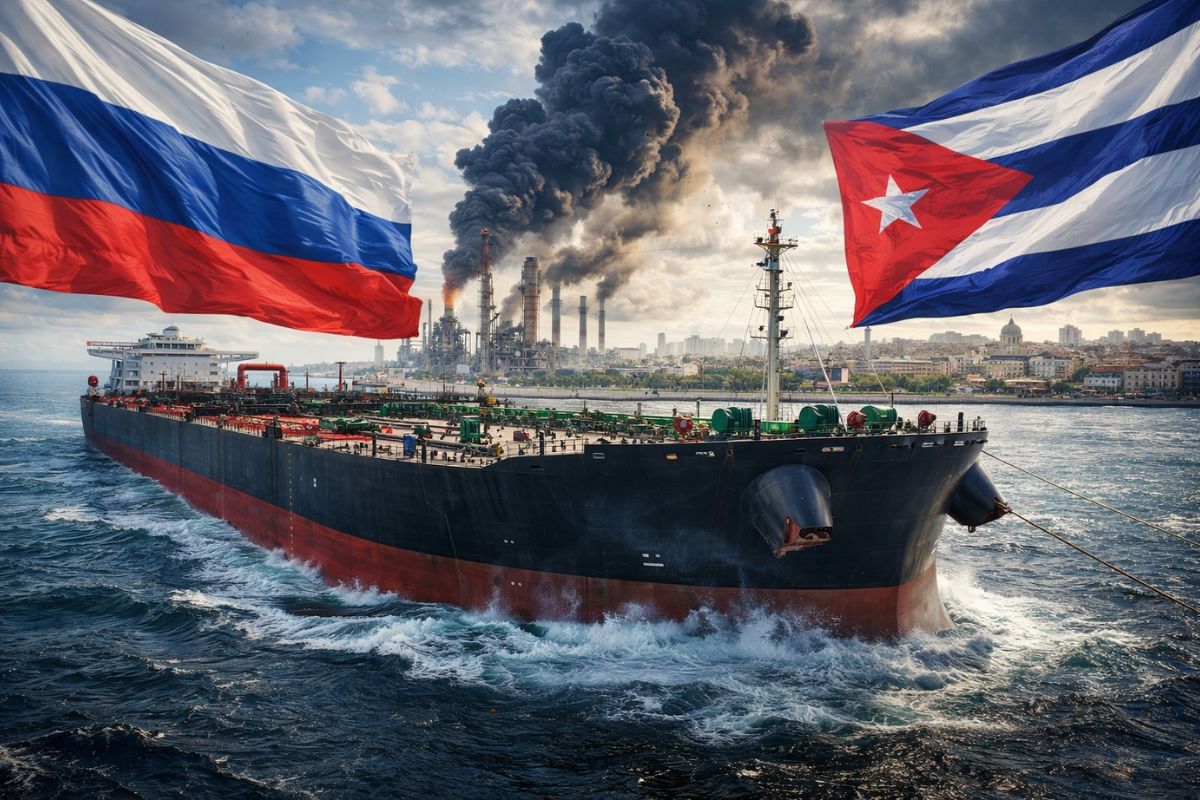
A Russian ship with 730,000 barrels of oil has just arrived in Cuba while Mexico negotiates fuel sales through private companies: the communist island is desperately seeking alternatives after losing its supply from Venezuela due to American military action.
-
Iranian drones and missiles destroyed a 270 million dollar American spy plane in Saudi Arabia, splitting the E-3 Sentry aircraft in half and injuring 12 military personnel in an attack that exposes the vulnerability of U.S. bases in the Persian Gulf.


Reasons for the Saudi Decision
Since 2022, Saudi Arabia has begun showing signs of a strategic shift, allowing China, one of its main oil buyers, to pay in yuan instead of dollars. This decision reflected not only a reassessment of the Kingdom’s international relations but also a response to China’s growing economic influence and the need for economic diversification in Saudi Arabia under Crown Prince Mohammed bin Salman’s Vision 2030 plan (Eurasia Review) (KSAexpats.com).
The political tensions between the United States and Saudi Arabia also played a crucial role. Criticism from the United States regarding human rights management in Saudi Arabia and the lack of support in regional conflicts, such as the war in Yemen, deteriorated mutual trust (Eurasia Review) (UNCTAD Investment Policy Hub).
Impact on the Global Economy and the Price of the Dollar
Saudi Arabia’s decision not to renew the petrodollar agreement has profound economic implications. By opening up to the possibility of trading oil in other currencies like the yuan, euro, yen, and others, Saudi Arabia weakens the global demand for US dollars. This could lead to a depreciation of the dollar, affecting its value and the economic stability of the United States.
Dedollarization
The non-renewal of the agreement could accelerate an already underway process of dedollarization. Countries like Russia and China have promoted the use of their own currencies in international trade to reduce dependence on the dollar. The inclusion of Saudi Arabia in this movement could give a significant boost to these efforts and foster the creation of a multipolar financial system【6†source】.
Energy Markets
Trading oil in multiple currencies may lead to greater volatility in energy markets. Fluctuations in exchange rates can influence oil prices, affecting both producers and consumers. Additionally, countries that rely on Saudi oil may be forced to adjust their monetary reserves and investment strategies to adapt to this new reality.
Geopolitical Relations
The change in Saudi Arabia’s oil trade policy could also redefine geopolitical alliances. With greater economic cooperation with China and possibly other BRICS countries (Brazil, Russia, India, China, and South Africa), Saudi Arabia may find new strategic partners that provide a counterbalance to US influence in the region.
Consequences for the United States and the Dollar
For the United States, the non-renewal of the petrodollar agreement represents a significant challenge. The loss of exclusivity in oil trade in dollars may reduce global demand for its currency, affecting its value and ability to finance its external debt. Furthermore, it could lead to a reassessment of its foreign and economic policy strategy.
Value of the Dollar
A decrease in global demand for dollars could lead to a depreciation of the currency. This would affect US imports, making them more expensive and potentially increasing internal inflation. At the same time, a weaker currency could benefit US exports, making them more competitive in the international market.
Monetary Policy
The Federal Reserve of the United States may be forced to adjust its monetary policy to counteract the effects of decreased demand for dollars. This could include increasing interest rates to attract foreign investments and stabilize the currency, which would have implications for economic growth and employment in the United States (Eurasia Review) (Arab News).
The End of an Era and the Beginning of a New Chapter in the Global Economy
Saudi Arabia’s decision not to renew the petrodollar agreement with the United States marks the end of an era and the beginning of a new chapter in the global economy. This change has the potential to redefine energy trade, destabilize the value of the dollar, and alter geopolitical relations worldwide. As markets and governments adapt to this new reality, the impact of this decision will be felt in all corners of the globe.
In summary, Saudi Arabia’s non-renewal of the petrodollar agreement not only challenges the hegemony of the US dollar but also opens the door for greater diversification in global oil trade, with profound implications for the world economy and international politics.










Seja o primeiro a reagir!