





 Portuguese
  English
  Spanish
  5 min of reading
  20 comments


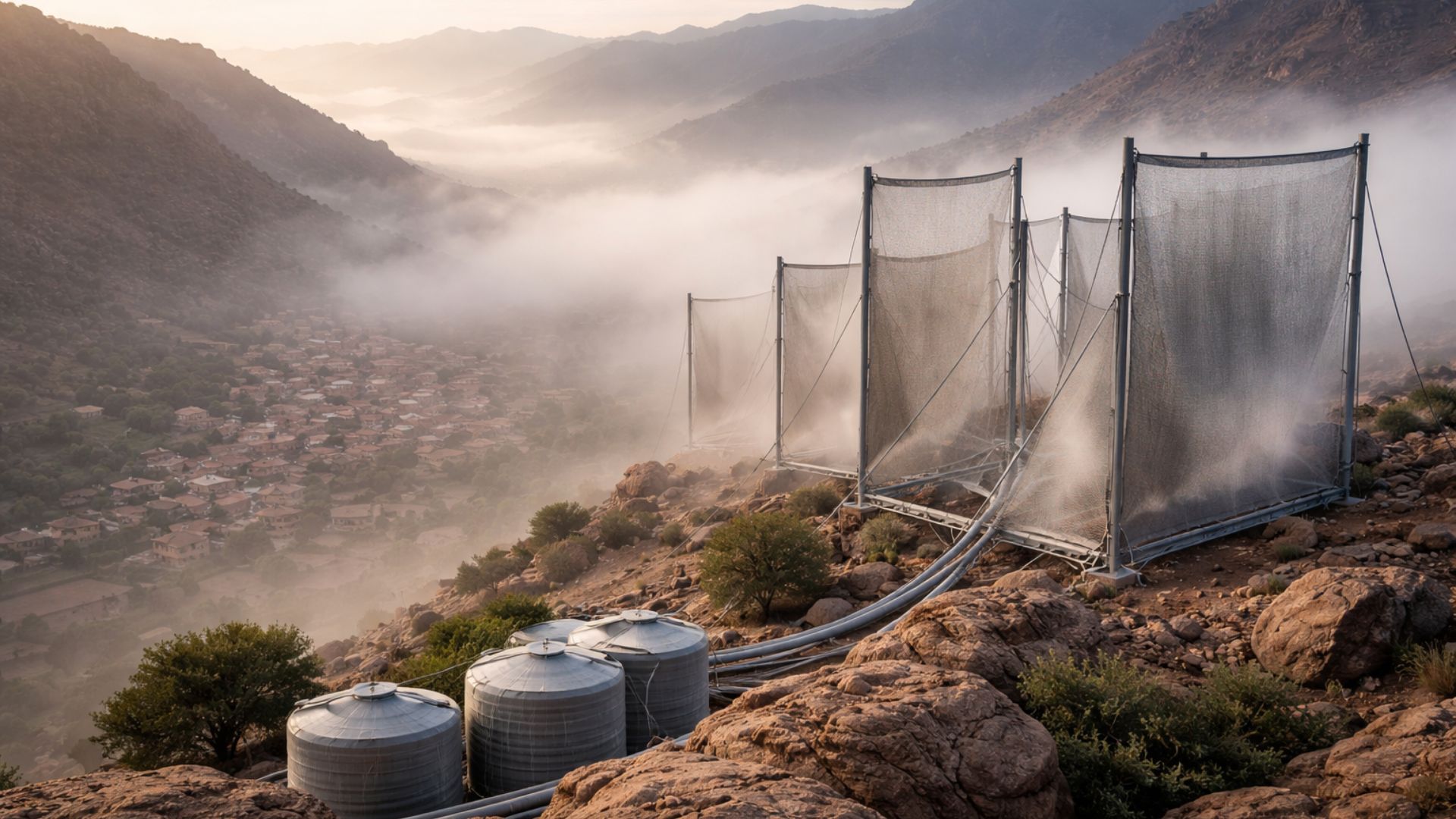


German System Installed In Morocco Transforms Fog Into Drinking Water By Capturing Microdroplets From The Air In Mountains Near The Sahara, Supplying Rural Villages With A Technology Based On Wind, Gravity And Atmospheric Capture.
In a mountain range of the Anti-Atlas, in southwestern Morocco, structures made of stretched nets on metal frames have been used to capture drinking water from fog.
The system, known as CloudFisher, collects suspended microdroplets in the air when the Atlantic fog reaches the peaks and directs the collected water to troughs, pipelines, and reservoirs that supply nearby rural communities at the edge of the Sahara.
According to data released by the Wasserstiftung, a German organization associated with the project, the installation located on Mount Boutmezguida comprises 31 collectors and about 1,686 square meters of mesh area.
-
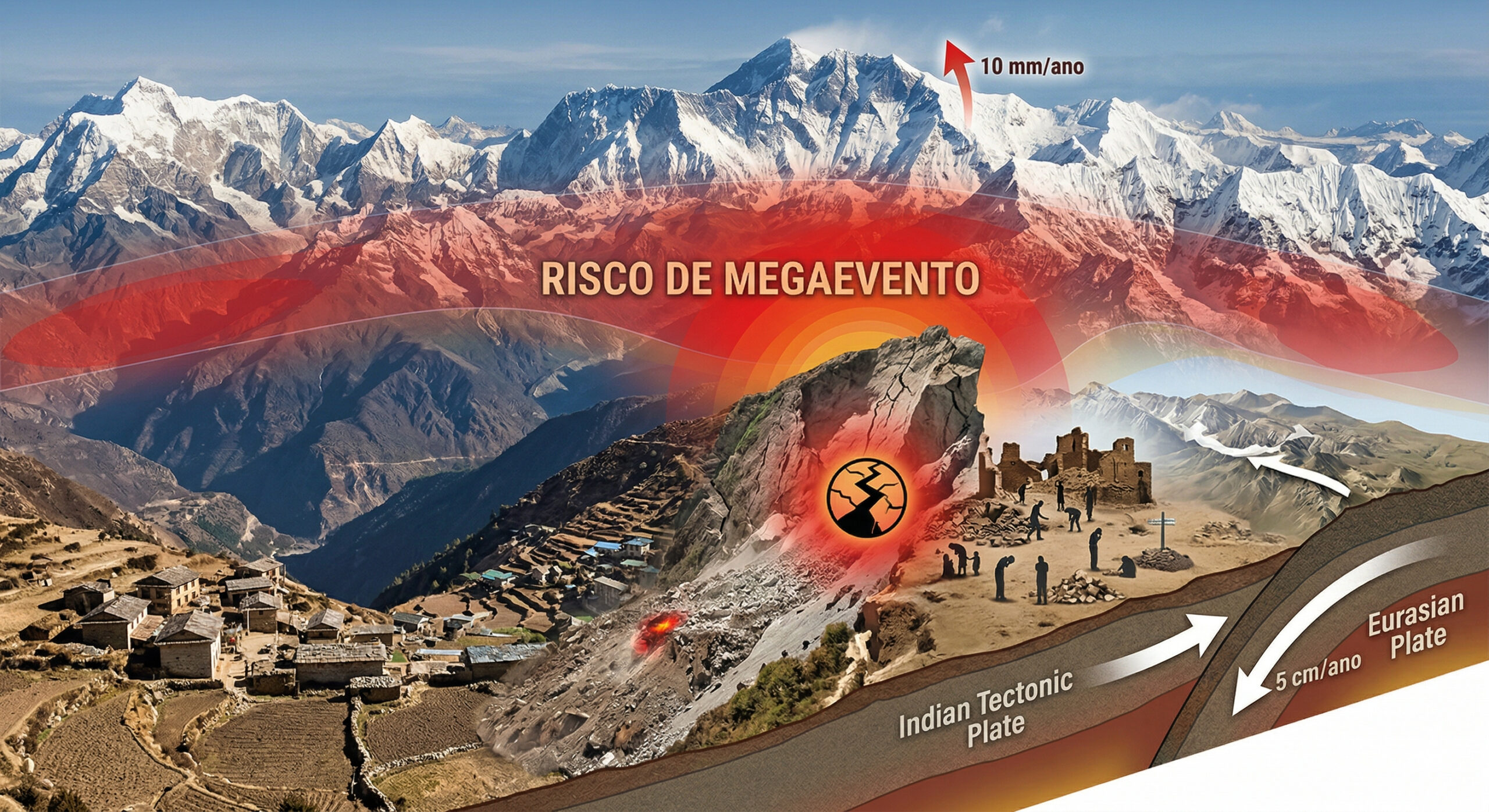
The Himalayas continue to grow to this day, with tectonic plates advancing 5 cm per year, mountains rising up to 10 mm annually, and the 2015 earthquake that killed 9,000 people may have increased the risk of an even larger seismic mega-event.
-
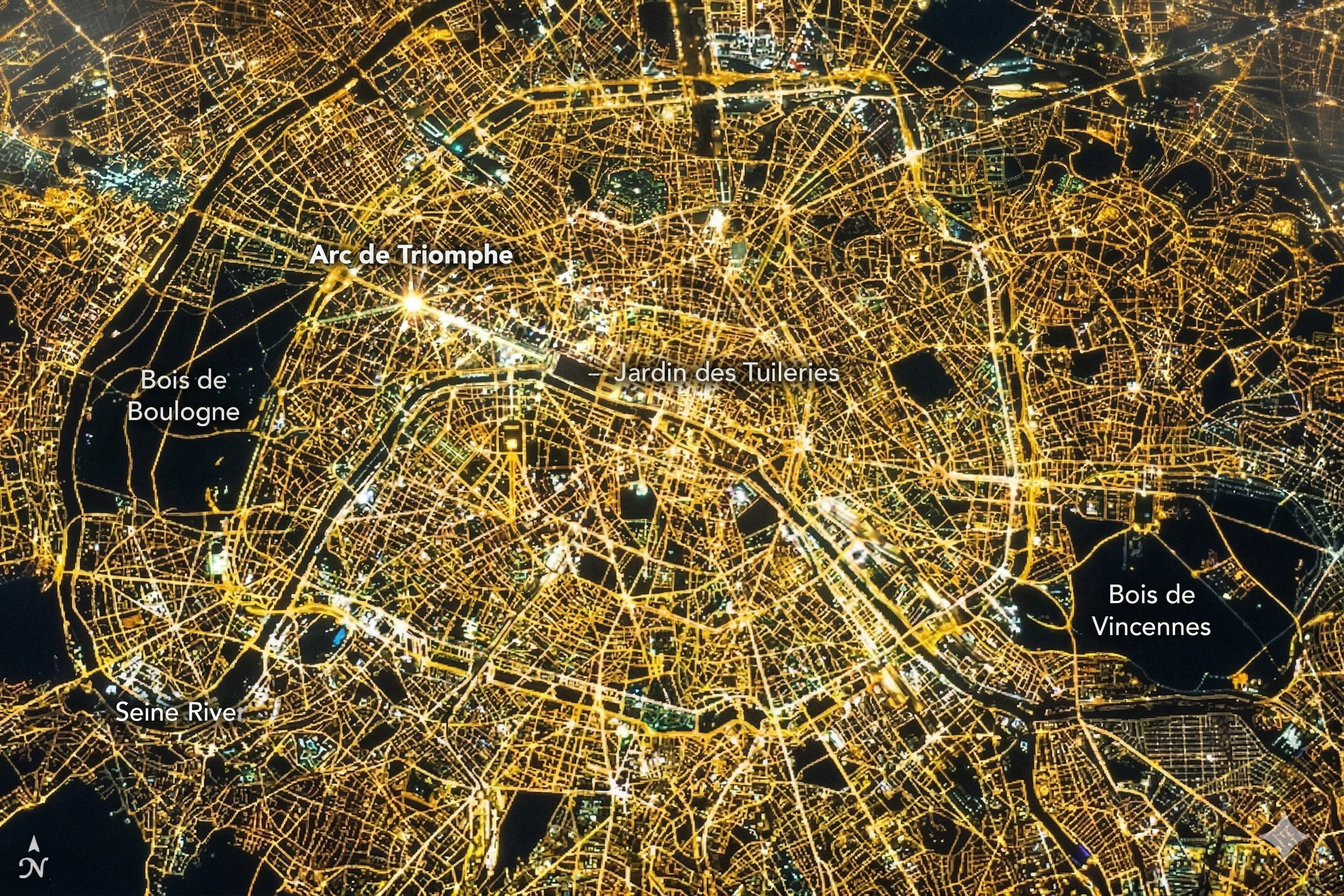
At an altitude of 400 km by astronauts from the International Space Station, Paris transforms at night into a golden mesh so precise that it reveals the outline of the Seine River, avenues, and entire neighborhoods like a luminous map drawn over the Earth.
-
iPhone 17 reaches historic low price with 256 GB, 120 Hz display, and drops to R$ 5,703 on Shopee, featuring A19 chip, dual 48 MP cameras, battery life of up to 30 hours, and advanced AI features.

-
Trip to Mars getting closer: Pulsar Fusion, from the UK, advances with plasma ignition in fusion engine and could drastically reduce space travel time, making crewed missions faster, safer, and economically viable.


On foggy days, the estimated production reaches approximately 37 thousand liters of water.
The network serves 16 villages, with about 1,300 residents, as well as community structures such as a school.
Anti-Atlas Region Combines Humid Coast And Desert Climate
The Anti-Atlas region occupies a climatic transition zone, marked by the influence of the Atlantic Ocean, which favors fog formation, and by semi-arid characteristics inland.

According to the project leaders, this combination is essential for capture since the system relies on the frequent presence of fog to operate.
In remote rural areas, traditional supply usually depends on deep wells and sources with variable quality.
Reports related to the initiative indicate that the CloudFisher proposal is to complement this scenario by creating an altitude collection infrastructure and gravity distribution, bringing water closer to inhabited areas.
How The Technology That Captures Water From Fog Works
The technology is based on a known physical principle: fog is formed by microscopic water droplets in suspension.
When the wind pushes this humid air against the collector mesh, some of the droplets collide with the fibers, accumulate, and form larger droplets that slide down due to gravity.
At the base of each panel, troughs direct the captured water to pipes leading to reservoirs.
From there, distribution occurs without the need for constant pumping, taking advantage of the terrain’s slope.
Technical descriptions of the project indicate that the metal structure was designed to withstand wind and prolonged sun exposure, reducing damage and the need for frequent replacement.
International Partnerships Enabled The Project In Morocco
Fog collection experiences had already been carried out in other countries, such as Chile and Peru, with varied results.
In the case of Morocco, the initiative is associated with a partnership between the Moroccan organization Dar Si Hmad, Wasserstiftung, and German designer Peter Trautwein, alongside institutional support from entities such as the Munich Re Foundation.

According to information released by the Munich Re Foundation, the project in Boutmezguida received funding from the Federal German Ministry for Economic Cooperation and Development.
The installation went through testing and expansion phases starting in the second half of the 2010s.
The foundation describes the structure as the largest fog collection operation in the world at that time.
Water Production Varies According To The Presence Of Fog
The numbers presented by the CloudFisher team vary according to climatic conditions and the method of measurement.
Wasserstiftung reports that on days with intense fog, production can reach about 37 thousand liters, while long-term averages are expressed in liters per square meter of mesh per year.
These data do not indicate continuous production.
When there is no fog, capture is reduced or nonexistent, which makes storage and local management central aspects of the system.

Project documents highlight that the reservoirs allow compensation for less favorable periods and maintain basic supply.
The same documentation associates the network with an average offer of around 12 liters per person per day in the served communities.
In small villages, this volume is indicated as sufficient to meet essential needs, such as consumption, food preparation, and basic hygiene, according to parameters used by the system operators.
Local Maintenance And Limits Of Atmospheric Capture
Despite the simple appearance of the nets, their functioning depends on regular maintenance.
Institutional reports indicate that local residents receive training for inspection and small repairs, which reduces dependency on external teams and facilitates the project’s continuity.
Water management specialists emphasize that fog collection does not replace broad sanitation policies and access to water.

Academic studies on the subject classify the technique as suitable for regions with frequent fog occurrence, but highlight the variability in performance and the need for integration with other sources and strategies.
What Can Be Said About The Total Volume Of Water Produced
The reference to “millions of liters” is associated with the accumulated production potential over time, considering successive days of fog.
However, the public data available on the Boutmezguida project mainly presents production in daily terms or by mesh area.
There is no consolidated balance detailing a total accumulated volume over a specific period.
Thus, it can be stated that the installation produces tens of thousands of liters on favorable days and serves hundreds of people in multiple villages.
The exact total in millions of liters depends on the annual frequency of fog and consolidated reports that are not presented in a standardized manner by the entities involved.
If water capture from fog is already part of the supply for communities in a region marked by scarcity, how can similar solutions be evaluated and adapted to other climatic contexts?






esa wea se hace en chile hace mas de 4 décadas
Eso lo hacen en América del Sur hace muchos años!!!
En Canarias se lleva haciendo de forma tradicional con las nieblas.