





 Portuguese
  English
  Spanish
  4 min of reading
  0 comments


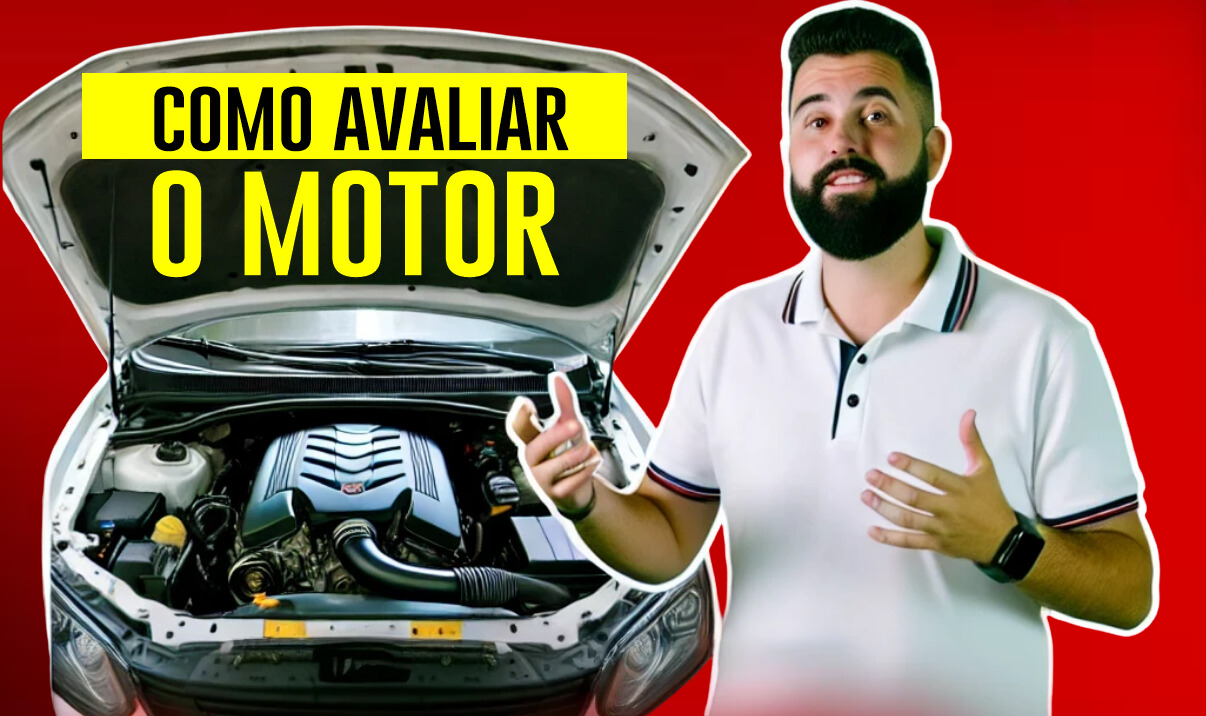
Before Buying a Used Car, Evaluating The Engine Is Essential. Check Out The Practical Tips To Identify Potential Problems And Ensure A Safe And Reliable Purchase.
When acquiring a used car, the dream of savings can turn into a nightmare if the engine presents hidden issues. Repairing a used car engine is not cheap, and ensuring quality before closing the deal is essential to avoid hassles. Therefore, following a simple yet effective checklist can make all the difference.
Below, we detail the main actions to evaluate the engine of a used car, ensuring a safe and satisfying purchase.
Consult A Trusted Mechanic
The first step to analyze any used vehicle is to rely on the opinion of a specialist. An experienced mechanic can identify problems that go unnoticed by less trained eyes. If you already have a trusted professional, take them along for the inspection. They will evaluate the engine, the electrical system, and other crucial components, providing a technical overview that can prevent future unpleasant surprises.
-
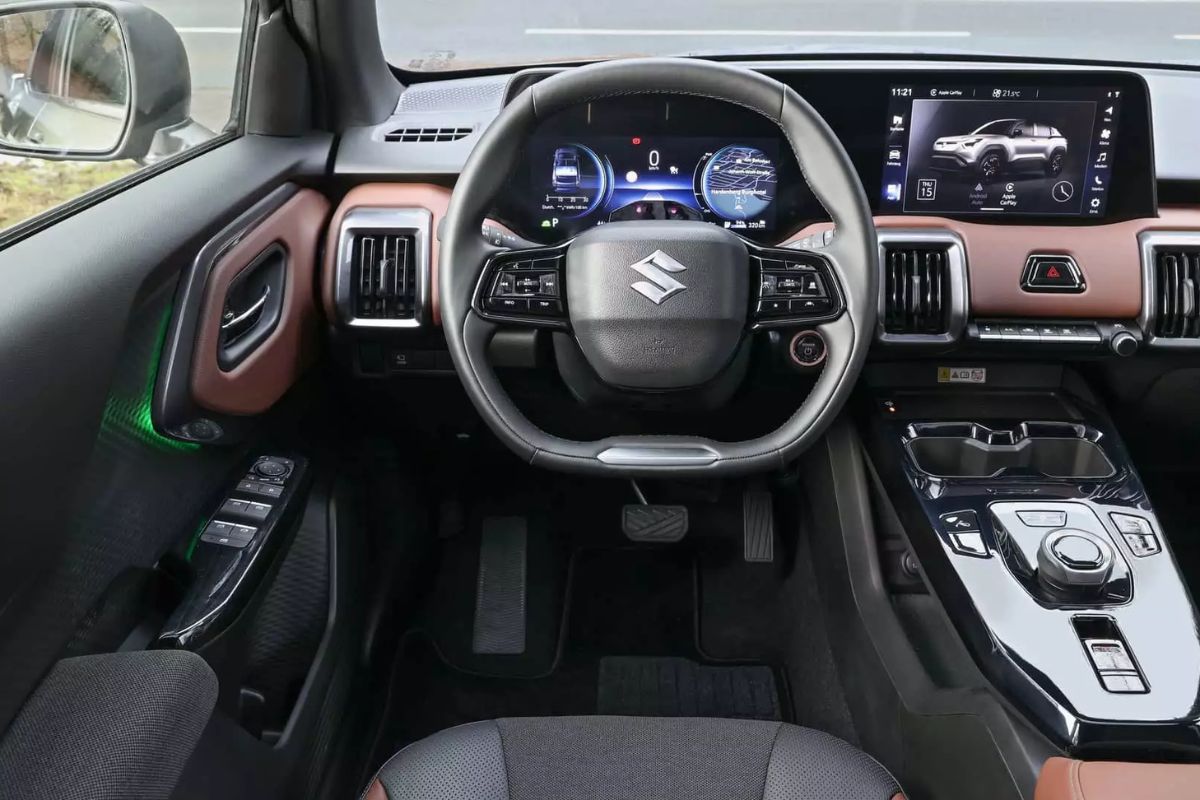
The 2026 electric Vitara arrives in Brazil and proves that Suzuki is not leaving: 4×4 traction, 184 hp, 61 kWh LFP battery, 293 km range, R$ 259,000, and a trunk capacity of 224 L.
-
Hyundai has unveiled the Boulder, a square SUV with a body-on-frame design, 37-inch mud tires, and carriage-style doors that seems to be made to take on the Ford Bronco and the Scout Traveller in the United States.

-
The Toyota Hilux is R$ 75.5 thousand cheaper and bets on the 2.8 turbodiesel engine with up to 204 hp and 50.9 kgfm to catch up with the VW Saveiro, which leads with 4,472 sales.

-
The new Renault Koleos has a screen exclusively for the passenger that is invisible to the driver, heated rear seats, and 29 assistance systems, but its Chinese competitors cost R$ 40,000 less and deliver more power.


Visual Inspection Under The Hood
Before starting the car, open the hood and observe carefully. This initial step can reveal much about the engine’s condition. Use a flashlight and follow the steps below:
- Look For Leaks: Inspect radiators, hoses, and connections. Any sign of leaking could indicate problems.
- Check The Battery: Look for corrosion on terminals or signs of wear. These indications may reveal a lack of maintenance.
- Smell For Odors: The smell of burnt oil or fluids like coolant leaking indicates serious problems.
- Analyze The Paint And Visible Repairs: Wear or changes in the paint may point to previous interventions that need to be investigated.
Don’t forget to look under the engine. Hidden leaks may be present, and everything needs to be dry, including the transmission.
Check The Oil And The Reservoir
The oil is one of the best indicators of the engine’s health. Remove the dipstick, clean it, and insert it again to check the level. Ensure the oil is clean and at the proper level. Dirty oil or oil below the level may indicate excessive engine wear.
Additionally, inspect the oil reservoir cap. Carbon deposits accumulated under the cap are signs of poor maintenance. A clean cap suggests that the car has received regular care. The channel Edson Viana shared some tips.

Cold Start Test
The cold start is a critical step in identifying hidden problems. Perform the test in the morning, when the engine is completely cold. A healthy car should start quickly and without difficulties. Pay attention to the engine’s sound. Unusual noises may indicate wear or mechanical problems.
Another important point is to observe the smoke coming from the exhaust. Blue smoke indicates excessive oil consumption, a problem that can lead to costly repairs on the engine. If this occurs, it’s better to walk away from the deal.
Analyze The Dashboard Lights
When starting the car, the dashboard lights illuminate, but all warning lights should turn off after a few seconds. If any stay on, such as the oil or engine lights, the vehicle may have issues that require immediate investigation.
The car’s electronic system is designed to alert about possible problems, so do not ignore any anomalies on the dashboard.
Take A Test Drive
Nothing replaces the experience of driving the car. During the test drive, it is possible to identify problems that do not appear in a static inspection. Try the vehicle in different conditions, such as rough terrains, inclines, and hard braking.
Pay attention to signs such as:
- Strange Noises: Noises from the engine, brakes, or suspension may indicate mechanical failures.
- Steering Wheel Vibrations: Vibrations while driving may point to misalignment or suspension problems.
- Lack Of Power: If the engine does not respond well on inclines or during acceleration, there may be internal wear.
- Excessive Vibrations: Abnormalities in this regard need to be checked before the purchase.
The Engine Of The Used Case Is Not The Only Point That Needs Attention
In addition to the steps above, always pay attention to the car’s history. Check if the vehicle has undergone regular maintenance and ask for the manual or inspection reports. This way, you will have more security about the overall condition of the engine and other components.
If the car passes all the tests, it’s time to negotiate. Make sure the price reflects the car’s quality, and avoid making hasty decisions.
Acquiring a used car can be an excellent deal, as long as you take the necessary precautions. A careful evaluation of the engine, combined with the help of a trusted mechanic, is the safest way to avoid losses.
With these tips, you increase the chances of making a successful purchase and ensuring a car in good condition to drive for a long time. Good luck and happy shopping!









-

-

-

-

4 pessoas reagiram a isso.