





 Portuguese
  English
  Spanish
  4 min of reading
  0 comments



Million-Dollar Engine Theft Exposes Security at Kia Factory in India. Employees Diverted More Than a Thousand Units Over Three Years, Deceiving Internal Systems and Selling Parts on the Black Market with the Support of Counterfeiting and Illegal Transport.
For three years, a large-scale industrial theft went unnoticed at one of Kia Motors’ main factories in India, located in the city of Penukonda, Sri Sathya Sai district, Andhra Pradesh state.
The fraud involved the systematic diversion of 1,008 automotive engines, resulting in an estimated loss of US$ 2.3 million.
The scheme was discovered only in March 2025, after the completion of a financial audit, which initially pointed out the disappearance of 900 units.
-
It surpassed the T-Cross, Creta, and Tracker: with nearly 8,000 units sold, the Volkswagen Tera was the best-selling SUV in March 2026.

-
A new technology attached to the helmet can detect motorcycle accidents in seconds, assess the severity, and send the location to emergency services; meet Quin, a small smart device.

-
The bizarre train that uses Cold War jet fighter engines to blast air at over 1,000 km/h, melting ice walls and freeing frozen tracks in minutes where ordinary machines would take hours.

-
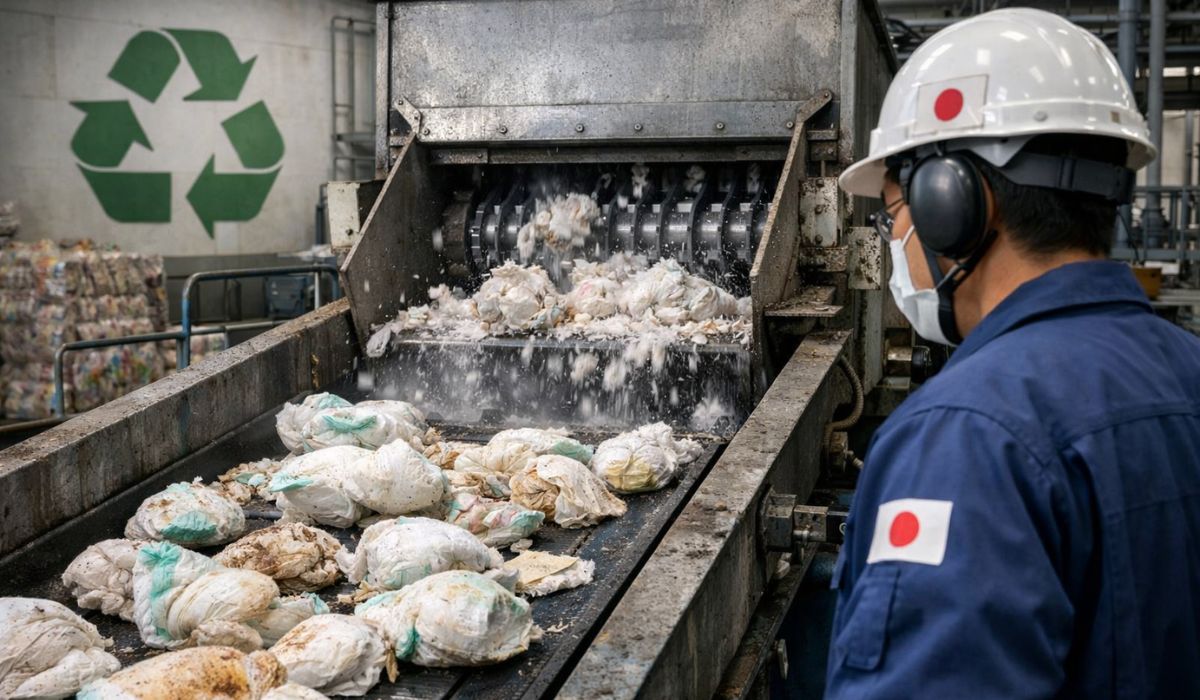
Japan is transforming dirty diapers from babies and the elderly into an ambitious and surprising project that could forever change the way the world deals with one of the most difficult types of waste to dispose of.

The factory, considered one of Kia’s strategic centers in South Asia, has been operational since late 2019 and is responsible for assembling models such as Sonet, Seltos, Carens, and Syros, aimed at the domestic market.
With annual production between 300,000 and 400,000 vehicles, the absence of more than a thousand engines raised serious questions about internal security protocols in automotive factories and the tracking system for parts.
Kia Employees Involved in the Industrial Theft Scheme
Investigations conducted by local police point to two former employees in leadership positions within the assembly line as the main suspects.
Vinayagamoorthy Veluchamy, 37, was the head of the engine section until 2023 and is currently in custody.
Patan Saleem, 33, was a team leader until 2025 and is currently a fugitive.
Both are accused of masterminding and executing the operation with the help of two internal aides.
In addition to their direct involvement in diverting the engines, the suspects counted on the collaboration of scrap dealers in New Delhi, the Indian capital, where the components were resold in the parallel market.
The route between Penukonda and the capital is approximately 2,000 km and requires over 30 hours of road transport.
How Engines Were Diverted from Kia Motors India Factory
The corporate theft scheme in the automotive industry involved forgery of tax documents and factory entry and exit passes.
The engines were transported in trucks with tampered license plates, making identification difficult.
According to the police report, the suspects used “repeated illegal transactions and disguised vehicles to move the cargo”.
During the investigation, police seized nine mobile phones, screenshots of conversations from messaging apps, copies of fraudulent invoices, and images of the trucks used in the operation.
Digital forensics revealed that those involved manipulated logistics routines with precision, suggesting an advanced level of knowledge of the company’s systems.
Million-Dollar Loss and Security Failures at Kia Motors
It is considered highly unusual for such a significant volume of engines to disappear without prior alerts in internal audits.
The factory conducted periodic inventories, but, according to sources linked to the investigation, there were serious failures in the reconciliation processes between the entry and exit of parts.
The industrial theft caused a direct financial loss of US$ 2.3 million.
However, the reputational impact was even greater.
An internal report indicates that the case affected “the credibility of Kia Motors India with investors, suppliers, and the state government”, which provides tax incentives to the automaker.
Kia Motors India Response to Engine Theft
In response to the scandal, Kia announced an emergency security enhancement package.
Measures include the installation of 360° surveillance cameras, digitalization of inventory processes with IoT (Internet of Things) sensors, and the use of anti-fraud systems in automated inventory control.
Additionally, all employees at the Penukonda plant will undergo industrial security training, focusing on corporate ethics and internal auditing.
New contracts with transport companies will require joint liability clauses and real-time GPS monitoring.
Corporate Crime and Vulnerability of the Automotive Industry
Cases like Kia’s are not isolated.
According to data from the Society of Indian Automobile Manufacturers (SIAM), around 1.8% of total losses in sector factories are attributed to internal thefts and logistical frauds.
The high value of parts like engines, gearboxes, and electronic components makes this type of crime especially attractive to organized crime syndicates.
According to Rajeev Batra, a corporate security consultant quoted by local newspapers, “the flaw lies in excessive trust in manual processes and lack of integration among stock, transportation, and accounting departments”.
For him, crimes like the one that occurred at Kia are “symptoms of an industrial ecosystem still vulnerable”.
Trial and Possible Penalties for Those Responsible
Although they have not yet been formally accused, Veluchamy and Saleem are the main defendants in the police inquiry.
If convicted of qualified theft, criminal association, and document fraud, they could face up to ten years in prison, according to India’s Penal Code.
Part of the money obtained from the sale of the engines was reportedly used to pay off personal debts and invest in properties and side businesses.
The Andhra Pradesh state administration has requested detailed reports from Kia Motors India on the preventive measures taken.
The case has also drawn the attention of federal authorities, which are seeking to increase regulation on interstate transport of high-value automotive parts.
In light of such serious failures, is the automotive industry truly prepared to deal with internal threats of large-scale theft and fraud?






Seja o primeiro a reagir!