





 Portuguese
  English
  Spanish
  3 min of reading
  0 comments


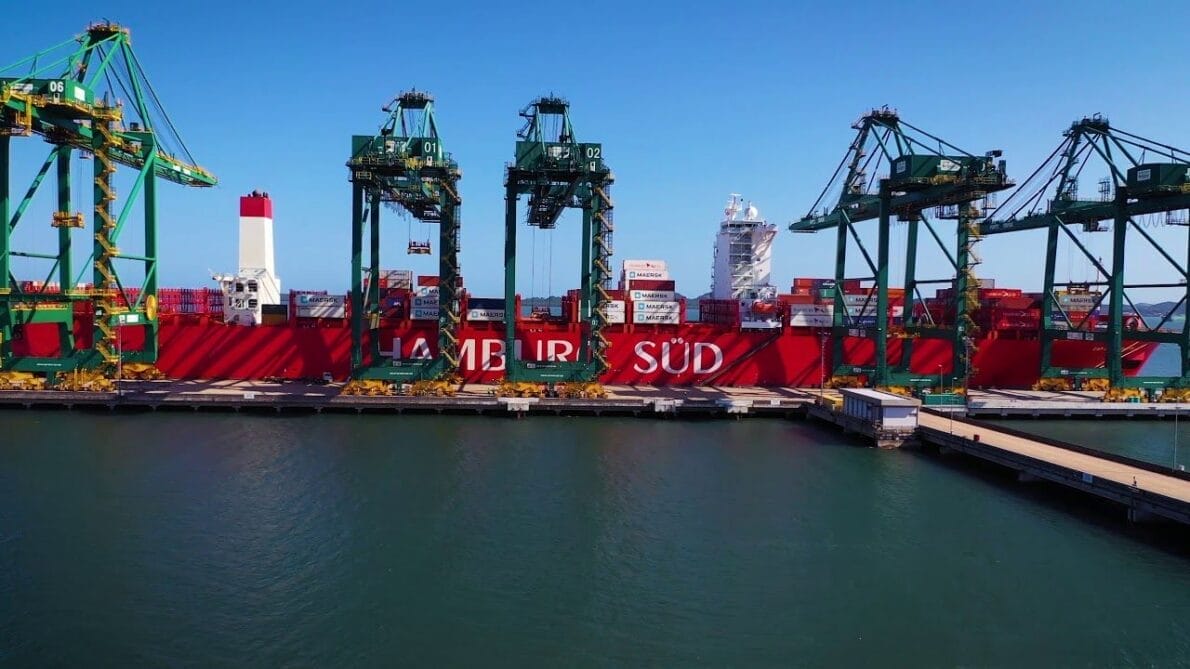
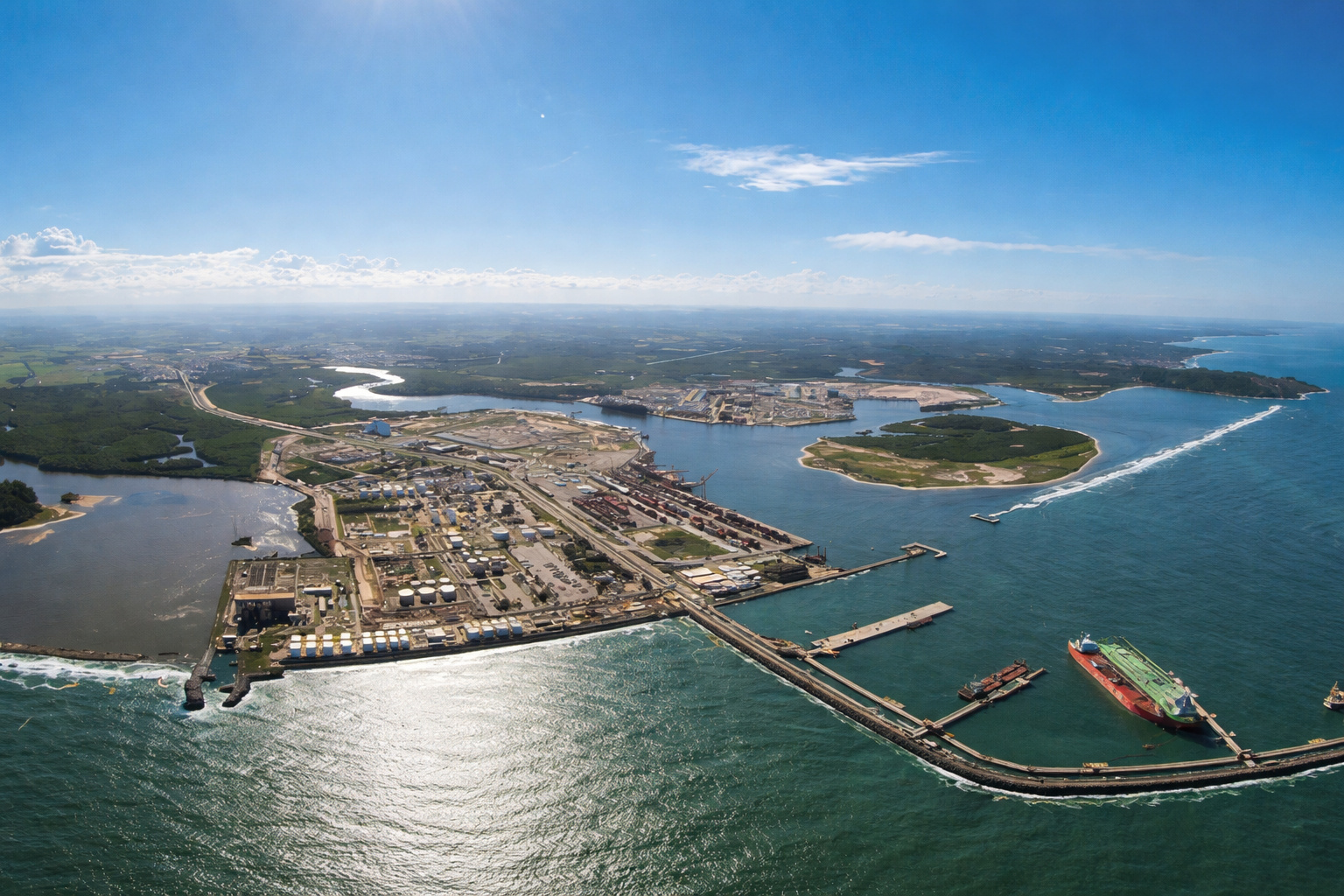
At The Port of Itapoá, The Berthing Operation of Container Ships Involves Precise Techniques and Collaboration Between Pilots and Tugboats, Ensuring a Safe and Efficient Maneuver Within One of The Most Modern and Agile Ports in Latin America.
At The Port of Itapoá, One of The Most Efficient in Latin America, The Berthing of a Ship Is An Operation That Combines Technique, Precision, and A Lot of Safety. This Essential Activity Allows The Gigantic Container Ships, With Containers As Large As Three-Axis Trailers, to Be Loaded and Unloaded Efficiently.
During Berthing, The Role of The Pilot Is Crucial. This Professional Specializes in The Particularities of The Local Port Channel and Assists The Ship’s Captain, Who Is Not Familiar With The Port’s Restricted Waters. The Pilot Is Responsible for Planning The Ship’s Route, Considering Factors Such As Water Depth and Tide Conditions, Ensuring That The Ship Navigates Safely to The Pier.
When A Ship Approaches The Port, It May Initially Anchor or Drift
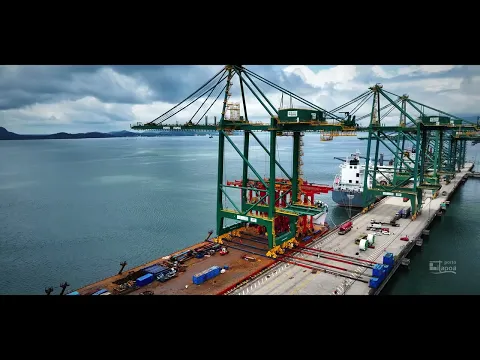

When A Ship Approaches The Port, It May Initially Anchor or Drift While Awaiting Permission to Berth. Once Authorized, The Pilot Boards The Ship Using A Pilot Ladder and Heads to The Bridge to Begin The Berthing Maneuver.
-
São Paulo surprises the world with a colossal railway network project that promises over 1,000 km of tracks, R$ 194 billion in investments, and 40 projects connecting the capital to the interior with fast and sustainable trains.
-
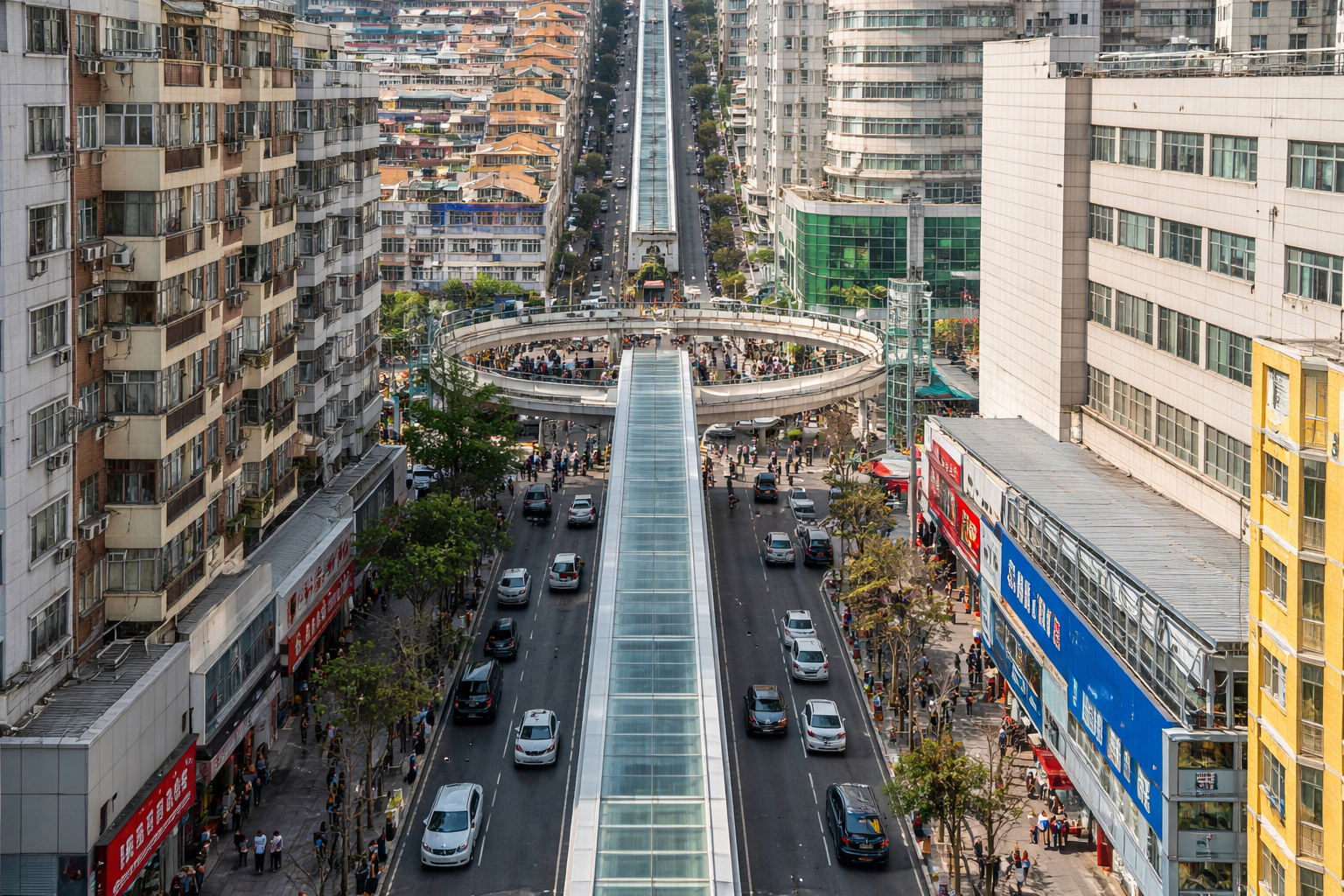
The world’s largest escalator, measuring 905 meters in China, reduces urban travel time from 1 hour to about 20 minutes and transforms mobility in mountainous regions with an engineering solution adapted to the terrain.
-
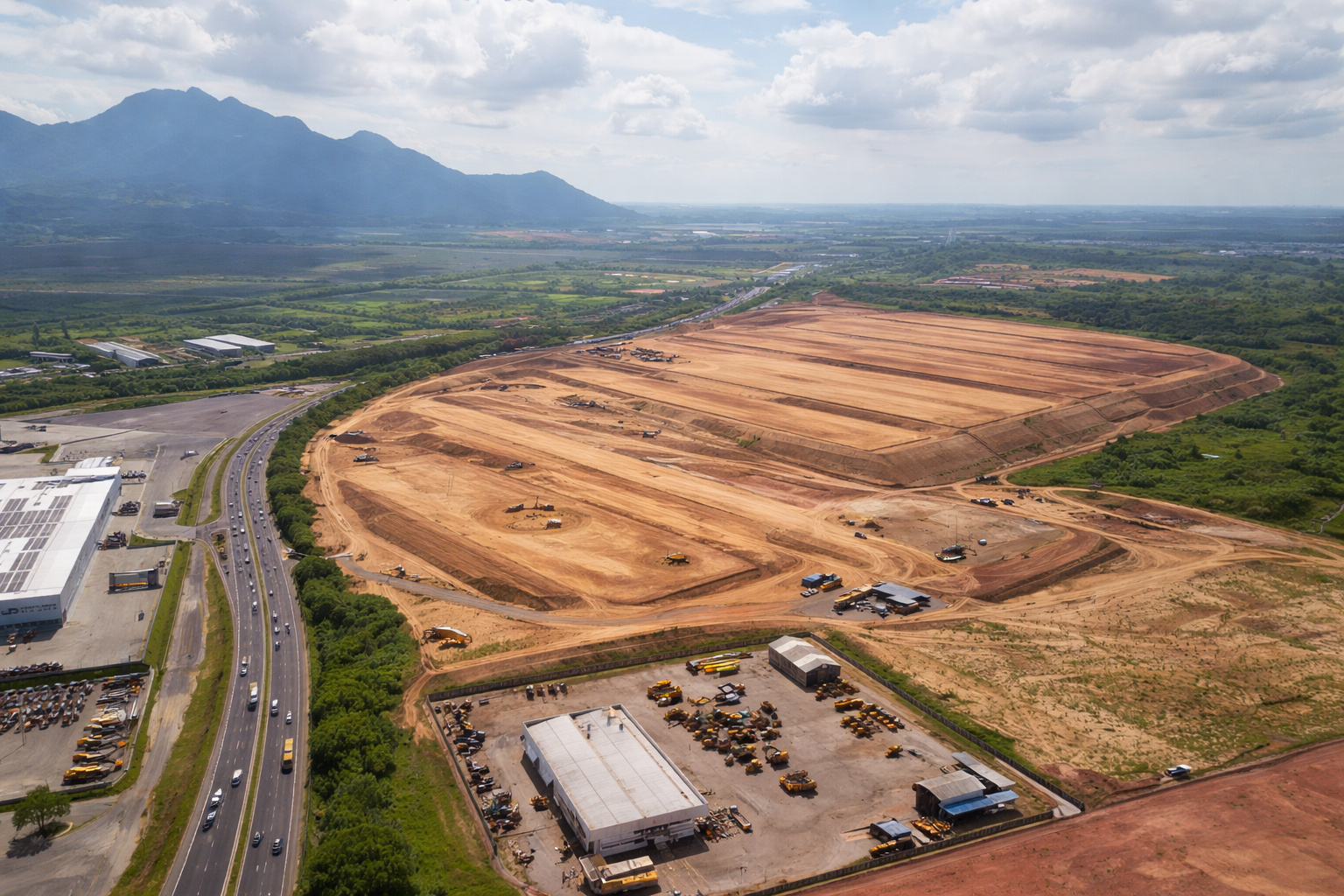
A R$ 300 million logistics giant is taking shape in Serra with over 100,000 m² and raises a question: how can this transform e-commerce and distribution in the state?
-
Could Uber Rides Lose Minimum Fare? Understand What’s Happening!


The Maneuver Is Delicate and Requires The Use of Tugboats, Small Powerful Vessels That Help Position The Ship at The Pier. These “Water Tractors” Are Fundamental, Especially When The Ship Is So Large That It Cannot Safely Maneuver Alone Within The Port.
Pilot Communicates Constantly With The Tugboats via VHF Radio
The Pilot Communicates Constantly With The Tugboats via VHF Radio, Giving Specific Instructions to Each As Needed. This Teamwork Between The Pilot and The Tugboat Drivers Is Essential for The Success of The Operation.
As The Ship Approaches The Pier, Bow Thrusters (Bow Thrusters) Are Used to Adjust Its Position Precisely. Once Aligned With The Pier, The Ship Is Secured With Ropes to The Bollards, Which Are Structures Designed to Hold The Ship Firmly.
Once The Ship Is Secure, The Pilot Completes Their Task and Disembarks
Once The Ship Is Secure, The Pilot Completes Their Task and Disembarks. The Berthing Operation Ends With The Ship Firmly Attached to The Pier, Ready for The Loading and Unloading Process. This Process Not Only Highlights The Importance of The Skill and Knowledge of The Pilots but Also Underlines The Efficiency and The Modernity of The Facilities and Operations at The Port of Itapoá. With An Organized Structure and Well-Established Processes, The Port Remains A Crucial Point for Brazilian Foreign Trade.





Seja o primeiro a reagir!