





 Portuguese
  English
  Spanish
  4 min of reading
  1 comment


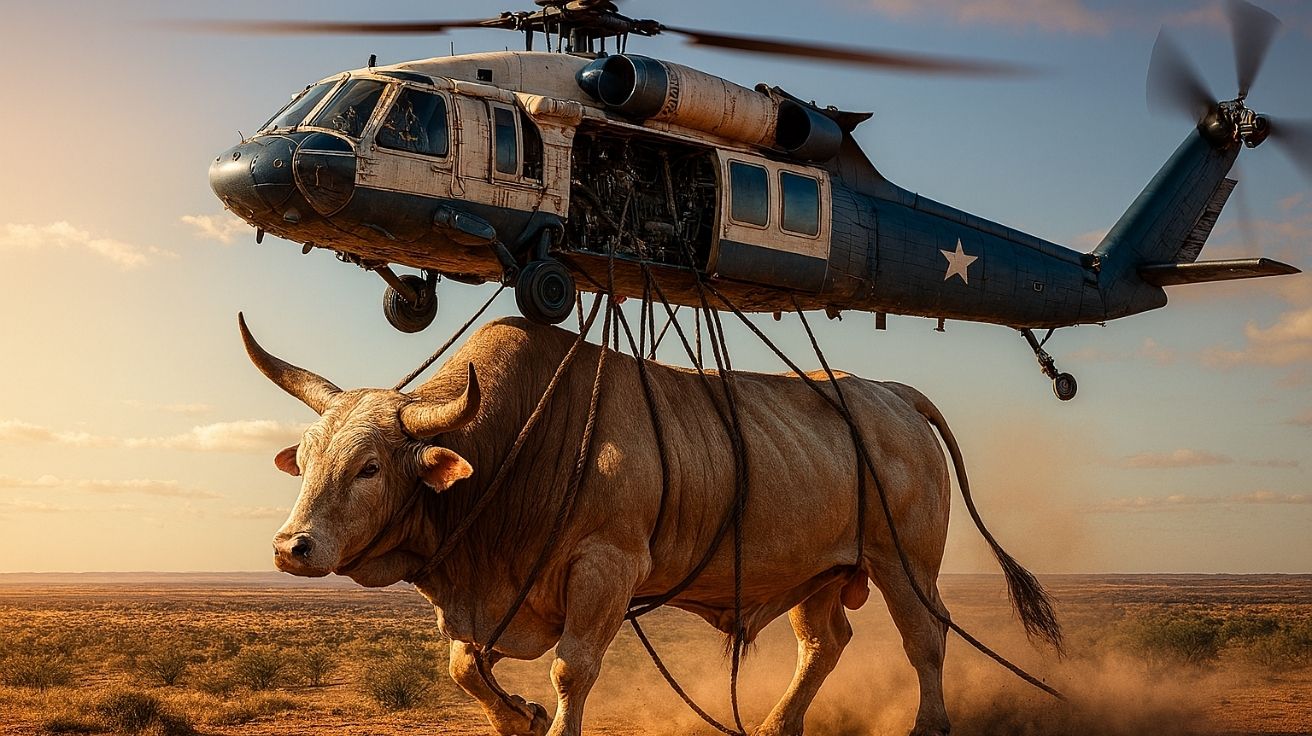


With the Adoption of Helicopters, Drones, and Smart Sensors, Farmers in the United States are Revolutionizing the Management of Large Herds on Farms Covering Thousands of Acres, Reducing Costs and Increasing Agro-Business Productivity
In the United States, where millions of cattle roam freely across vast areas, American farmers have adopted advanced agricultural technology to tackle management challenges: helicopters and drones now replace traditional methods such as horseback riding, transforming daily life on farms and enhancing the efficiency of agro-business.
With hilly terrain and scattered herds, monitoring cattle has always been a challenging and costly task. Helicopters have been used by large farmers to gather animals at strategic points. In regions like the American West, this practice has become routine for farmers managing herds of up to 81 thousand head in areas exceeding 1 million acres.
The use of helicopters allows ranchers to reduce the time needed to gather cattle by up to 90%, as well as decrease labor costs. With a single aircraft, it is possible to accomplish in hours what previously took days with a team of cowboys on horseback. Equipped with GPS and communication radios, pilots lead the cattle with precision and safety, even in forested, swampy, or hilly areas.
-
The water that almost everyone throws away after cooking potatoes carries nutrients released during the preparation and can be reused to help in the development of plants when used correctly at the base of gardens and pots, at no additional cost and without changing the routine.

-
The sea water temperature rose from 28 to 34 degrees in Santa Catarina and killed up to 90% of the oysters: producers who planted over 1 million seeds lost practically everything and say that if it happens again, production is doomed to end.

-
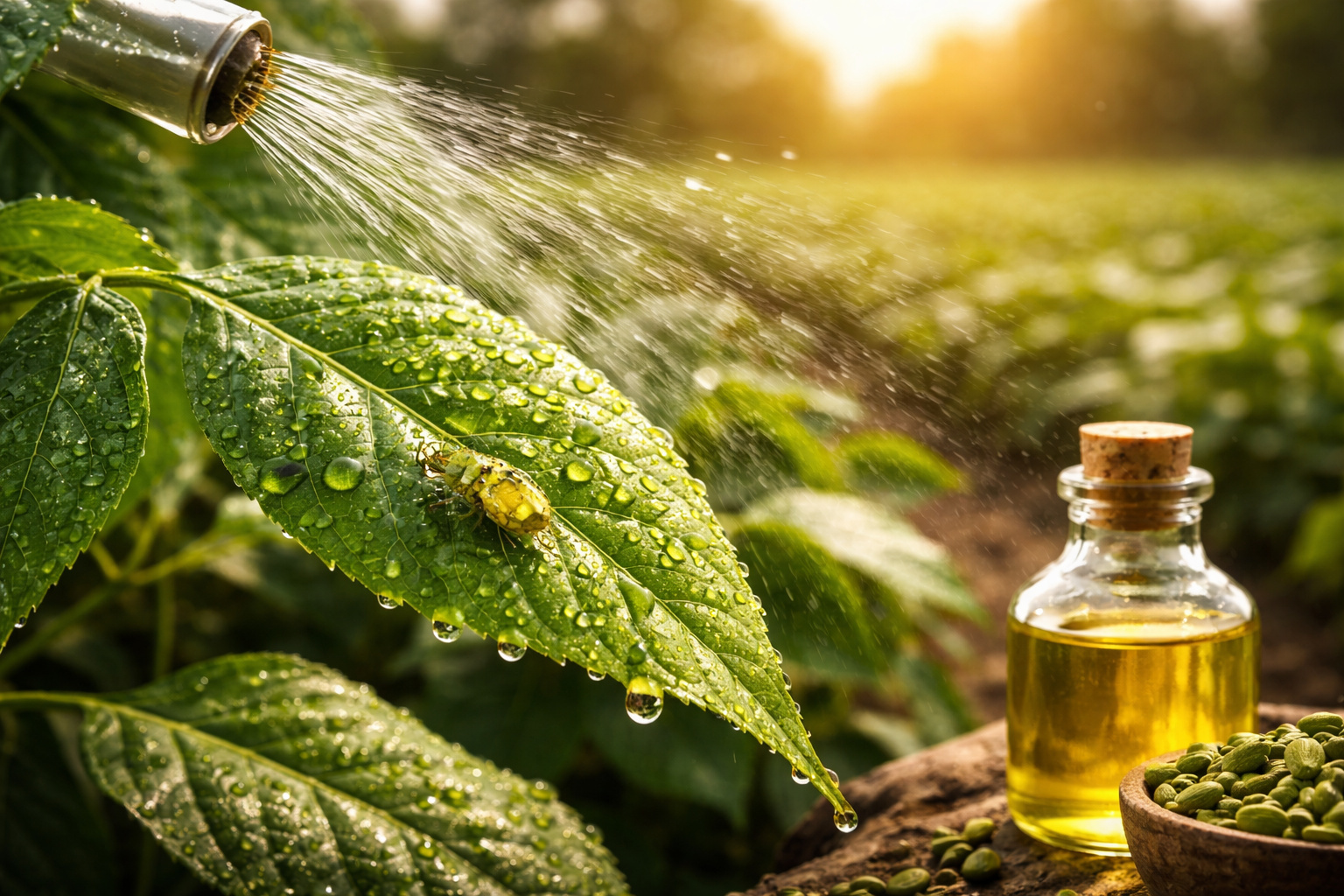
An Indian tree that grows in the Brazilian Northeast produces an oil capable of acting against more than 200 species of pests and interrupting the insect cycle, gaining ground as a natural alternative in soybean, cotton, and vegetable crops.
-
The rise in oil prices in the Middle East is already affecting Brazilian sugar: mills in the Central-South are seeing their margins shrink just as ethanol gains strength.


The Aerial Revolution in Cattle Management
In addition to manned aircraft, drones with thermal sensors and HD cameras are programmed to fly over specific zones. With calculated movements and sounds, these aircraft prompt the herd to move towards pens or grazing areas, minimizing stress on the animals and optimizing rotational grazing, essential for preserving the natural resources of farms.
Agricultural technology also facilitates health monitoring of the herds. From above, it is possible to quickly identify animals showing disease symptoms or mobility issues. This early observation helps to prevent outbreaks and allows for immediate veterinary interventions, protecting the investment of farmers and ensuring meat quality.
During dry periods, helicopters and drones assist in rescuing animals trapped in remote locations, such as riverbanks or swampy areas. In addition, farmers use sensors and integrated software to track productivity, weight, and health of each animal, consolidating real-time data and providing a strategic view for decision-making.
The United States and Australia Lead in Agricultural Technology Usage
The practice, while common in the United States, is also prominent in Australia, where about 29.9 million cattle are managed with aerial assistance. There, farmers move up to 1,500 animals per day with the help of helicopters, optimizing operations and meeting global demand for beef.
In the U.S., agricultural technology has become key in the planning of food and water resources for farms. Drones fly over crops and pastures with sensors that detect pests, dry or flooded areas, contributing to adjustments in irrigation and biological control. These images also help monitor the growth of vegetation used as cattle feed.
The American agro-business also invests in predator prevention. In states like California, drones are used to map the presence of threats like coyotes or felines before moving herds. Early identification protects the animals and reduces economic losses for producers.
Sustainable Production with a Focus on the Future
The demand for organic and hormone-free meat has led many American farmers to adopt sustainable practices. In addition to using drones and helicopters, there are investments in genetics, natural feeding, and environmental management. Many herds are raised in open pastures, following rotational techniques that respect the natural soil cycle.
Agricultural technology has enabled the integration of tradition and innovation. While some families maintain centuries-old management practices, others use software to track the complete history of each animal, from birth to slaughter. This ensures total traceability of production and strengthens consumer market trust.
With these solutions, the American agro-business has managed to maintain competitiveness in the international market. Large farms export high-quality meat to Europe, Asia, and Latin America, reinforcing the role of the United States as a global reference in precision livestock farming and innovation in the field.








Se os desgovernos não atrapalhasse tanto, o agro brasileiro estaria por perto, temos bons fazendeiro por aqui gente capaz, a Embrapa tem pessoal e tecnologia e natureza que ajuda infelizmente os polítiqueiros e suas politicagens **** atrapalha muito