





 Portuguese
  English
  Spanish
 3 min of reading
  93 comments


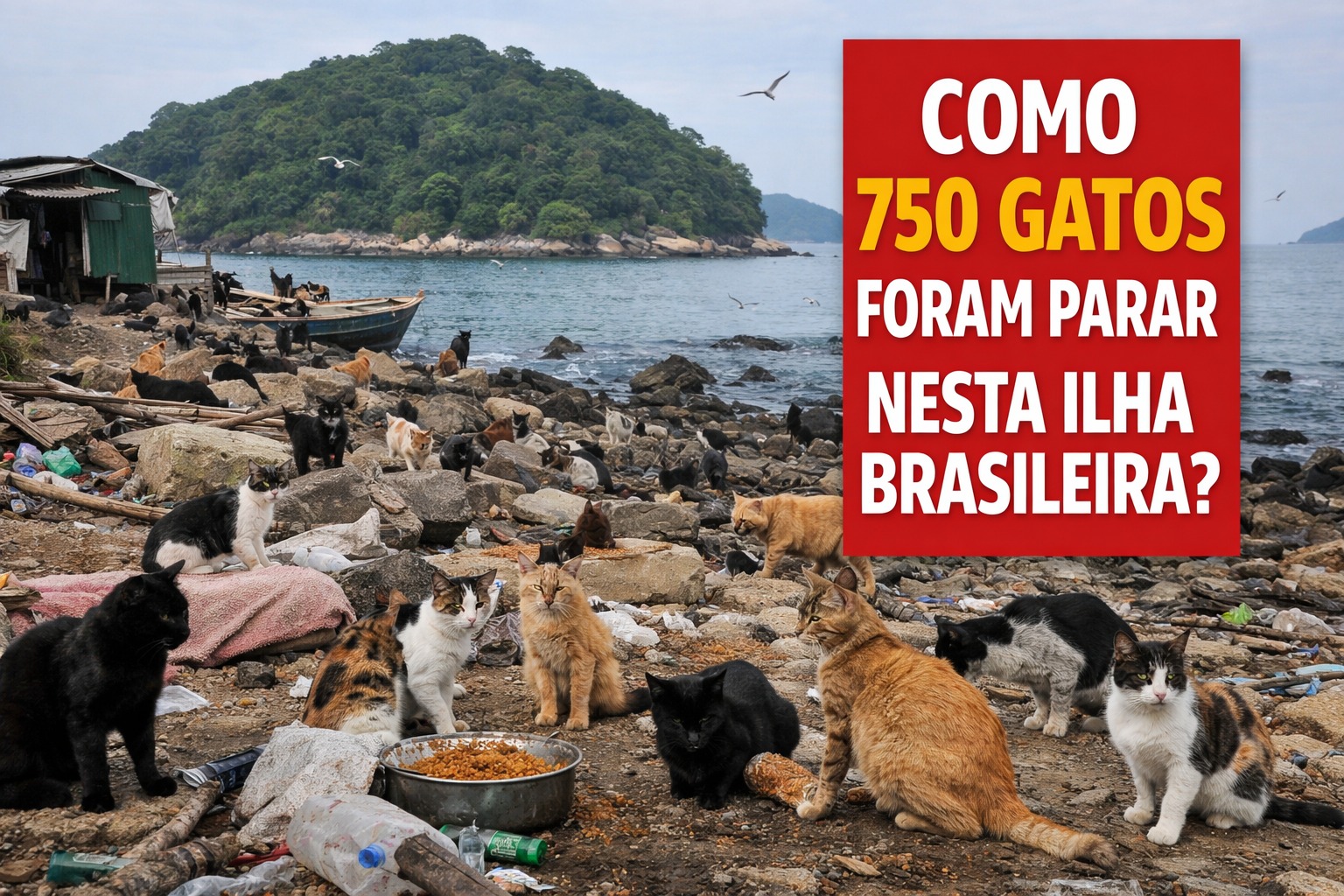


Known as Cat Island, the isolated area in Mangaratiba houses hundreds of abandoned felines for decades, exposing failures in population control, environmental risks, sanitary challenges, and the urgency of effective public policies
Furtada Island, known as Cat Island, gathers between 700 and 750 abandoned felines in Mangaratiba, Rio de Janeiro, after decades of irregular dumping, generating environmental, sanitary, and humanitarian impacts that mobilize authorities and activists.
Continuous Abandonment in Isolated Area
Located on the coast of Mangaratiba, the island began receiving abandoned domestic cats mainly from the 2000s, left by residents and visitors who believed they were providing protection.
Without natural predators and with food left irregularly, the animals began to reproduce rapidly, transforming isolated episodes into a continuous process of uncontrolled growth.
-
Tourists on Everest were poisoned by guides who mixed substances in food to provoke false symptoms of altitude sickness while helicopter operators and hospitals charged inflated rescue fees to insurance companies.

-
Few people know this, but Neil Armstrong, one of the most famous NASA astronauts in history, survived the Korean War after jumping from the plane during his seventh combat mission aboard the USS Essex aircraft carrier of the United States.

-
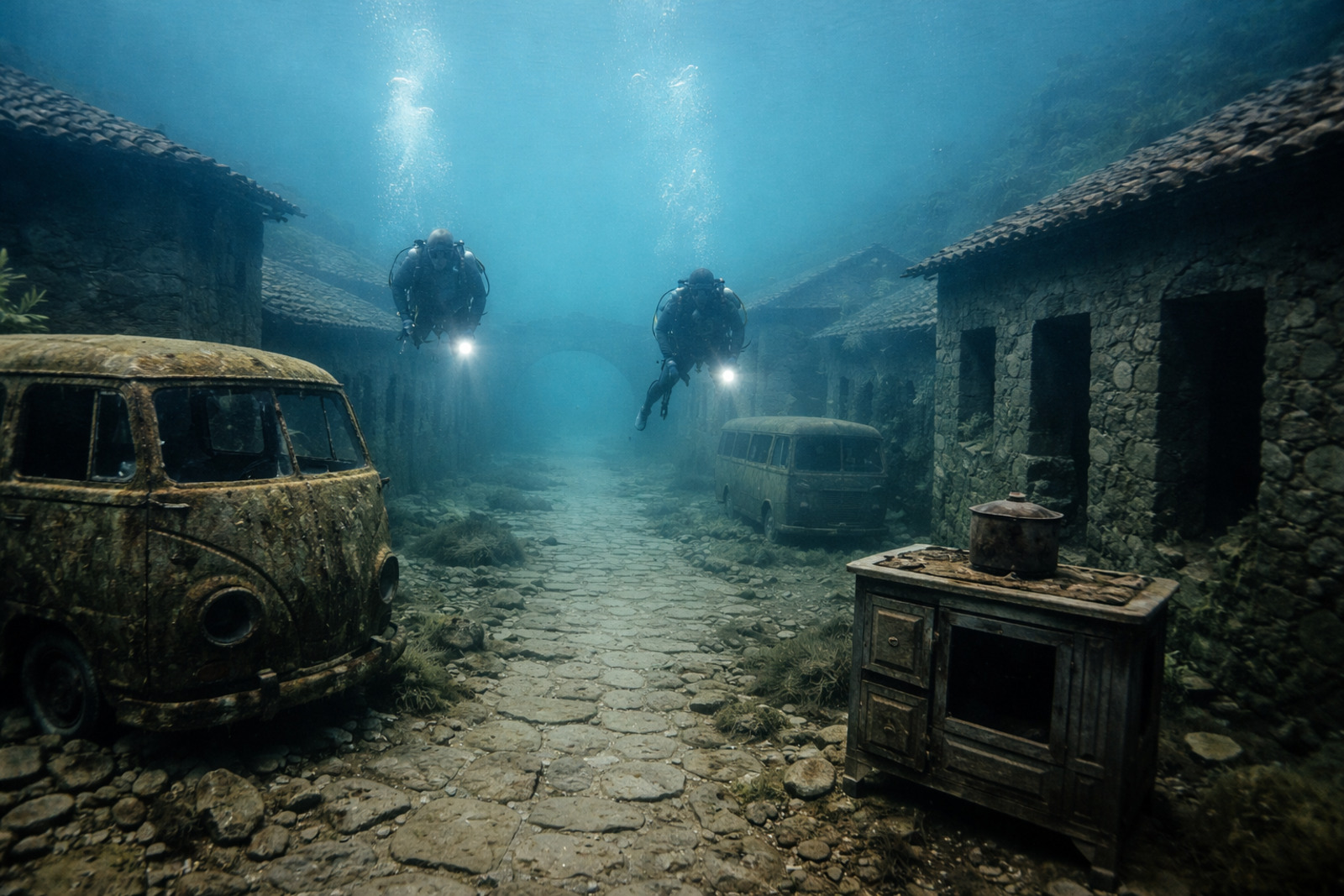
Diving with a camera in Lake Furnas reveals a submerged city with an entire street, almost intact houses, a preserved bridge, a wood stove, a Kombi, and even a bus at the bottom of the largest lake in the Southeast.
-
Iceland accidentally drilled into a magma pocket at 2,100 meters and revealed that the extreme heat beneath the crust could pave the way for a new source of continuous energy.


The lack of any effective control led to the cat population expanding without regular veterinary care, creating a scenario of increasing vulnerability for the animals themselves.
Occasional spaying and neutering occurred over the years, but never on a scale sufficient to contain the population growth, allowing births to outnumber any rescues or deaths.

Precarious Conditions for Animals
Reports from NGOs, activists, and authorities indicate that the environment has become hostile, marked by the absence of constant drinking water, adequate food, and treatment for common diseases.
Many cats live in conditions of permanent stress, competing for scarce resources and facing illnesses that spread rapidly in a limited space.
The absence of continuous management has worsened cases of malnutrition and infections, making survival dependent on sporadic and unpredictable volunteer actions.
Even with isolated efforts, the difficult logistics hinder regular care, increasing animal suffering and complicating any immediate and definitive solutions.
Environmental and Sanitary Impacts
Overpopulation has also raised environmental concerns, with technical alerts about impacts on native fauna, especially seabirds that inhabit the region.
Additionally, sanitary risks emerge from the uncontrolled coexistence of sick animals, organic waste, and lack of adequate environmental management.
Estimates released in 2024 and 2025 indicate that between 700 and 750 cats currently live on the island, a number subject to constant fluctuations.
These variations reflect deaths, births, and sporadic rescues, highlighting the difficulty of accurate measurement without permanent monitoring.
Political Repercussion and Proposals
In light of the repercussion, the issue reached the Legislative Assembly of Rio de Janeiro, where lawmakers demanded emergency actions and oversight.
Among the demands are control of access to the island, logistical support for rescues, and expansion of spaying and neutering programs in institutional partnerships.
In recent months, proposals include capture, spaying and neutering, and gradual relocation for responsible adoption on the mainland, involving NGOs and municipal governments.
Experts acknowledge that the solution will be slow, requiring continuous planning, public resources, and permanent social engagement.
Today, Cat Island symbolizes a national alert about animal abandonment and its accumulated effects.
The case reinforces the need for effective public policies, education on responsible ownership, and punishment for abandonment to prevent similar situations throughout the country.
With information from R7 and other sources.





Resolve casos dos gatos enviando 50 gatos para cada ong, castra coloca para adoção 14 ongs locais ou de cidades vizinhas ou não poderiam alocar esses gatos irem doando…prefeitura podia ajudar com a castração ou ração…eu mesma não sou ong..já resgatei e casarei maus de 300 gatos, conto hoje com 50 gatos todos castrados sob meus cuidados…basta querer e agir..e conscientizar a população que abandono é crime passível de multa e prisão, pelo menos em minha cidade é…Maringá Pr
Que coisa cruel, até onde vai a crueldade humana, essa situação é de arrepiar, Tbm é triste ver que a admiração pública não é pública e nem tão pouco comprometida!
Mto triste de ver os gatos abandonados um ser que faz tão bem pra quem gosta e ter pessoas cruéis que abandonam eu tenho amo e cuido como se fosse minha filha minha LUNA