





 Portuguese
  English
  Spanish
 3 min of reading


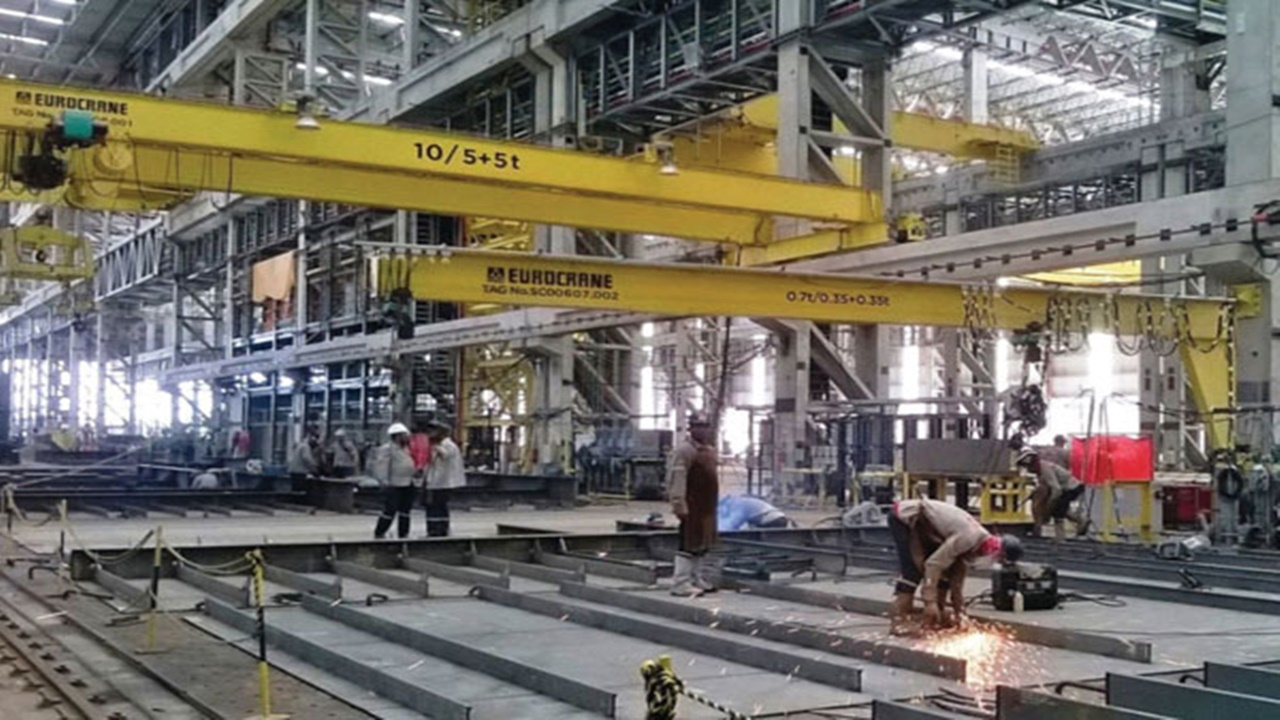
Industrial Commission of Naval, Offshore and Oil and Gas Sector Supports the Establishment of Credit Lines to Increase Local Companies’ Presence in the Market
How to ensure investments so that companies are interested in settling and creating jobs in the naval sector of the state of Rio? This was one of the questions raised during the meeting of the Industrial Commission of Naval, Offshore and Oil and Gas Sector of the Legislative Assembly of the State of Rio de Janeiro (Alerj) with executives from the Brazilian Association of Machinery and Equipment Industry (ABIMAQ/RJ).
Read Also
- Nestlé, the Largest Food and Beverage Company in the World, Calls for Candidates with and without Experience for Positions in SP, MG, BA, and More Regions of Brazil
- GranIHC Secures R$ 47.8 Million Contract with Petrobras and Will Be Responsible for the Construction and Assembly of FPSO P-68
- Distributors Warn of Risk of Gasoline and Diesel Shortages Due to Petrobras Production Cuts
- Shipyard Ecovix Announces It is About to Turn Over Large Repair and Maintenance Works for Ships Providing Services to Petrobras and Many Jobs Will Be Created and Preserved
- Steel and Metallurgical Industries Become Allies for Naval Construction to Restore Its Prominent Role in Brazil’s Economy
The assembly was chaired by state deputy Célia Jordão. The Commission has been promoting frequent discussions with companies, public institutions, and specialists in the field to gather information and jointly build mechanisms that lead to an increase in the presence of local companies in the national market.
Infrastructure, Security, Logistics, Bureaucracy Reduction, and Taxation Were Also Discussed During the Meeting
The opening of new lines of financing was one of the main points of attention addressed during the meeting, which was held virtually. The ABIMAQ board highlighted the need to expand the credit offer to increase working capital margins, encouraging the return of companies that left Rio de Janeiro to settle in other states.
-
New escalation of tensions and oil crisis in the Middle East forces world powers to accelerate energy transition plans.

-
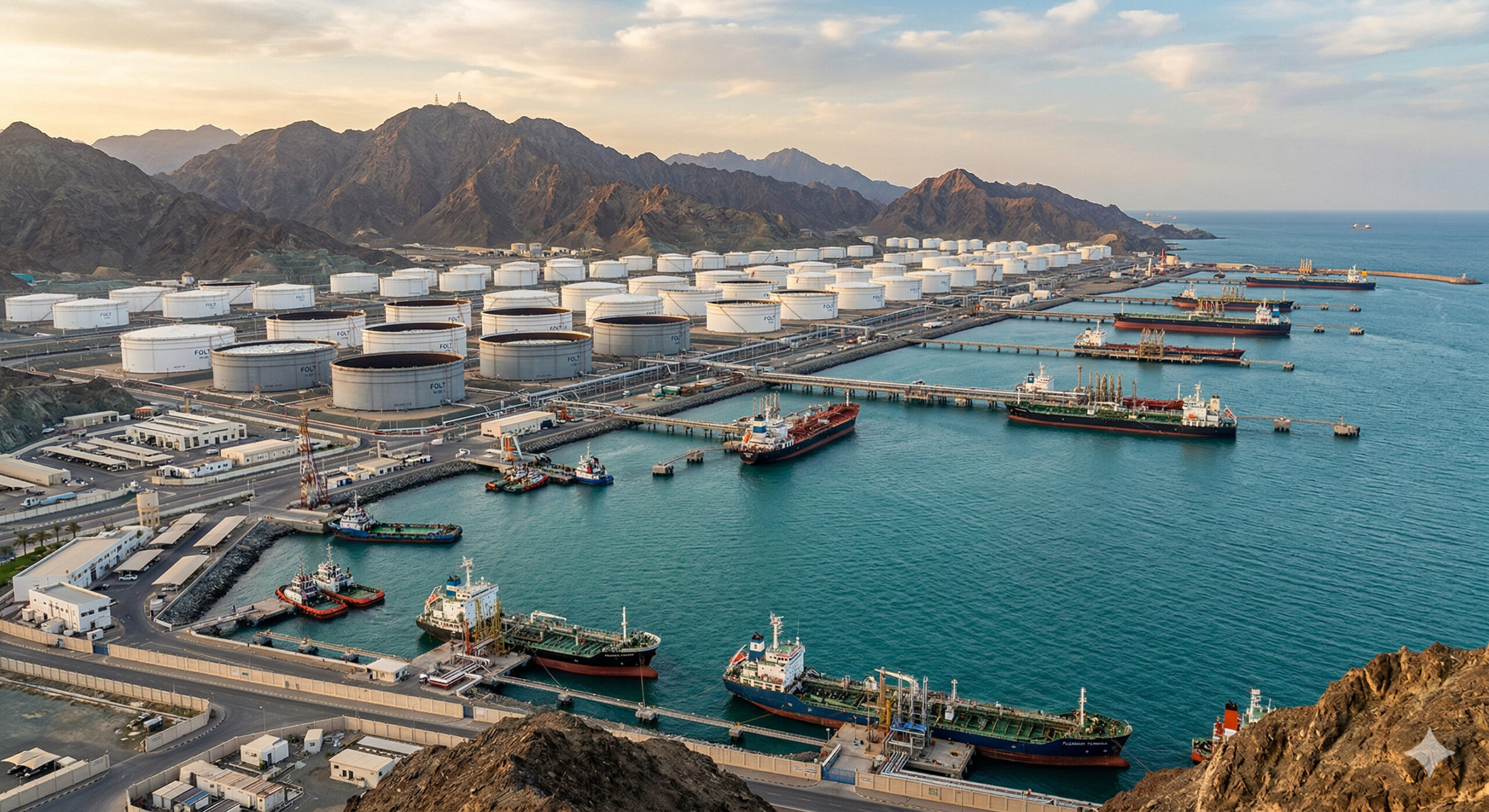
Giant reservoirs with a capacity of 18 million cubic meters have turned Fujairah into one of the largest energy vaults on the planet. This facility, located outside the Strait of Hormuz, stores oil on a colossal scale and has become a silent piece that supports the global flow of fuels.
-
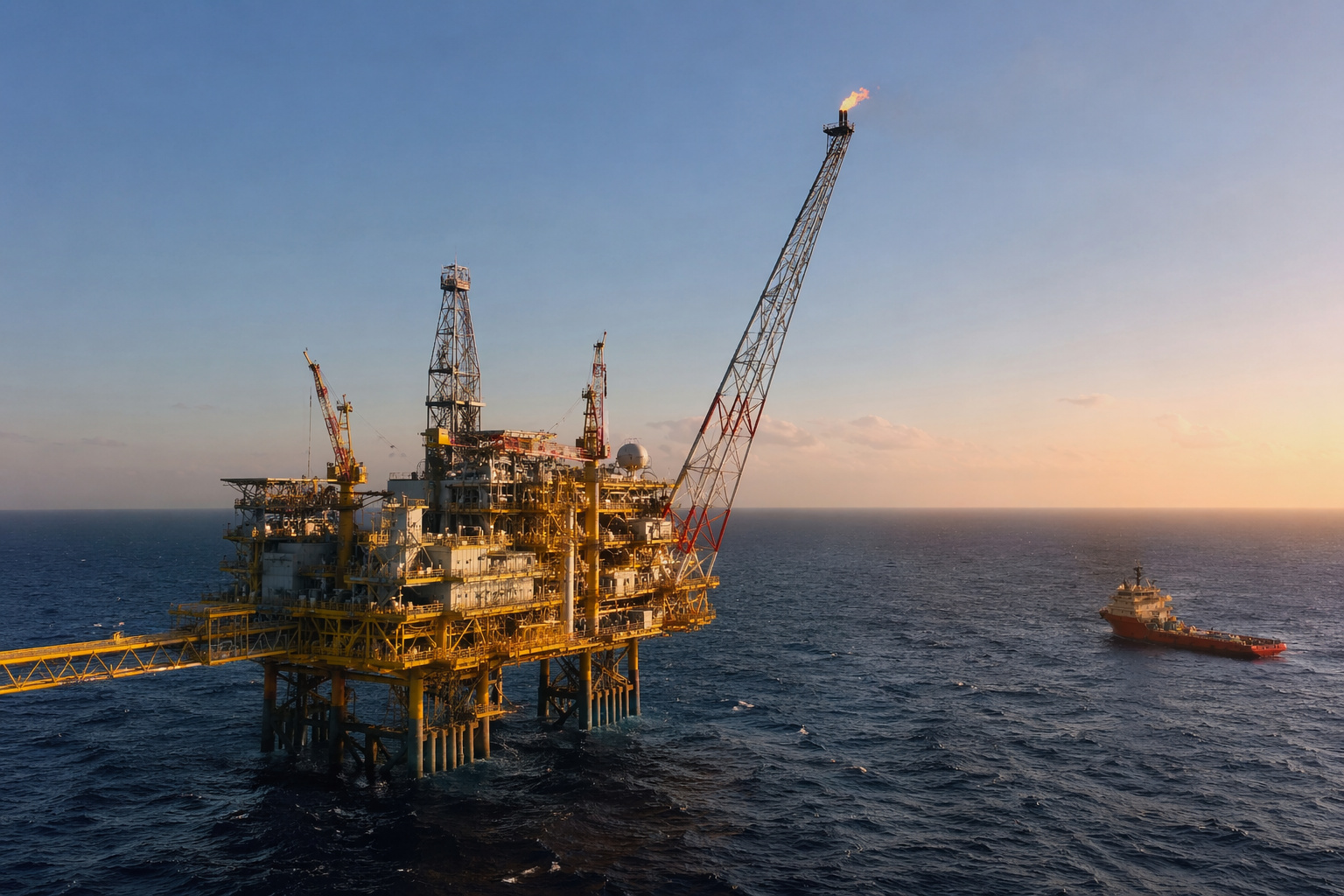
The next exploration auction in the pre-salt will offer 23 blocks in the Campos and Santos basins and may change the interest of oil companies in Brazil.
-
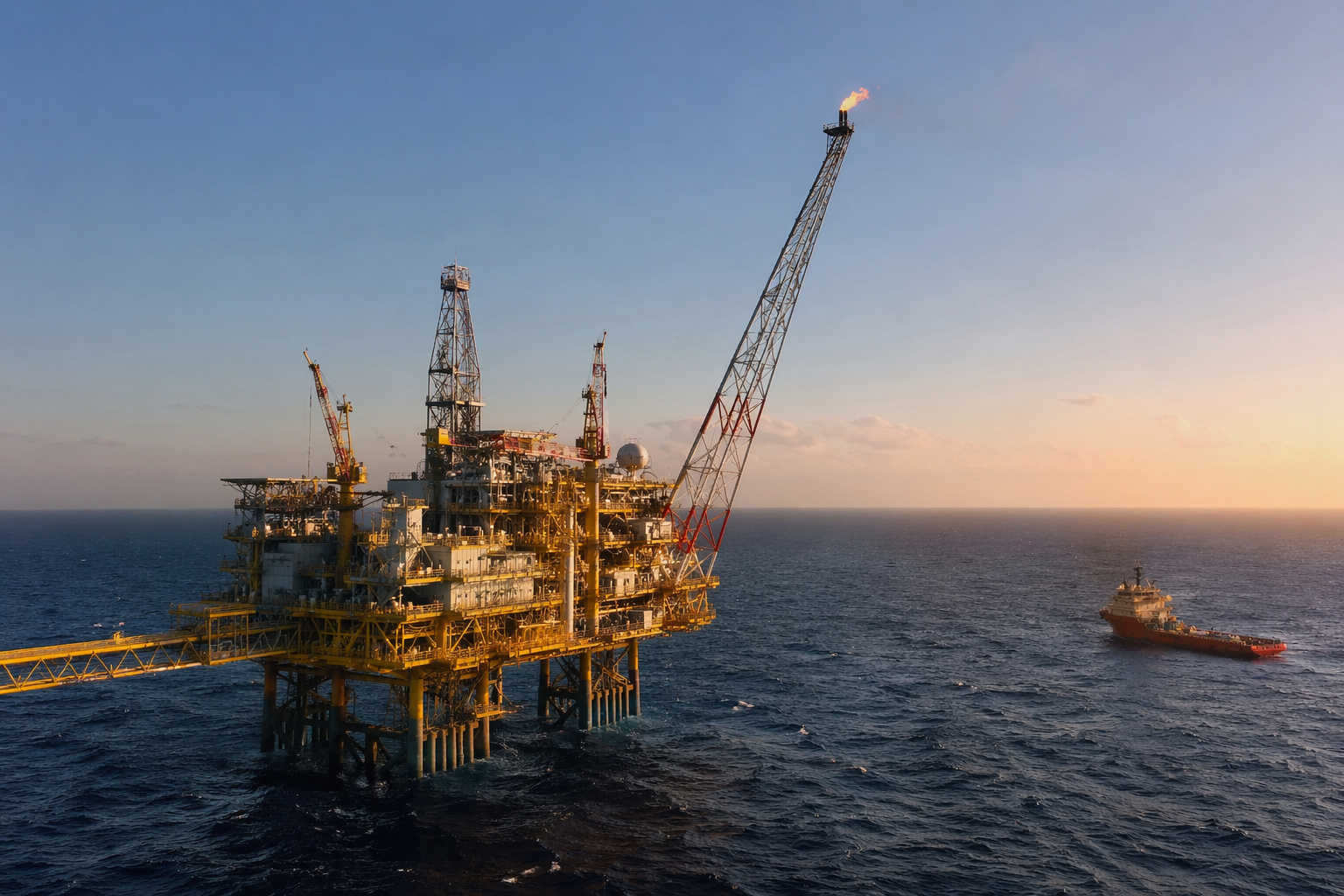
The next exploration auction in the pre-salt will offer 23 blocks in the Campos and Santos basins and could change the interest of oil companies in Brazil.
Recognizing the importance of the demand, deputy Célia Jordão committed to scheduling a meeting with the State Development Agency of Rio de Janeiro (AgeRio) to discuss the matter.
Infrastructure, security, logistics, bureaucracy reduction, and taxation were also discussed. “Tax incentives have been severely undermined over time because they became synonymous with revenue renunciation, instead of a benefit tied to a development commitment,” the deputy stated. The parliamentarian argued that a more in-depth study needs to be conducted, in partnership with Alerj’s Fiscal Advisory, on tax issues.
The Importance of Public-Private Partnerships in the Naval Sector
Marcius Ferrari, vice president of Rio Indústria and president of the Union of Metalworking, Mechanical and Electrical Material Industries of Rio de Janeiro (SIMMERJ), added that any tax incentive plan needs to be aligned with the companies’ business plans and that Alerj has a fundamental role in opening this debate.
Bruno Galhardo, president of the Sectorial Chamber of Naval, Offshore, and Onshore Equipment of ABIMAQ, also spoke about the importance of public-private partnerships in the naval sector. “There are entrepreneurs who want to invest in micrologistics, not just in macrologistics such as, for example, improvements in roads and maintenance of access routes to industries and ports.”
Alberto Machado, president of ABIMAQ/RJ, added that it is necessary to invest in security and infrastructure. “We cannot forget investments in engineering companies, which can also come through startups, to develop components that will generate new jobs in the state in the future. Rio de Janeiro has potential. The best universities with technical expertise and knowledge in the area are here. These are feasible solutions that solve a good part of the problems,” he emphasized.









Seja o primeiro a reagir!