





 Portuguese
  English
  Spanish
  3 min of reading
  0 comments


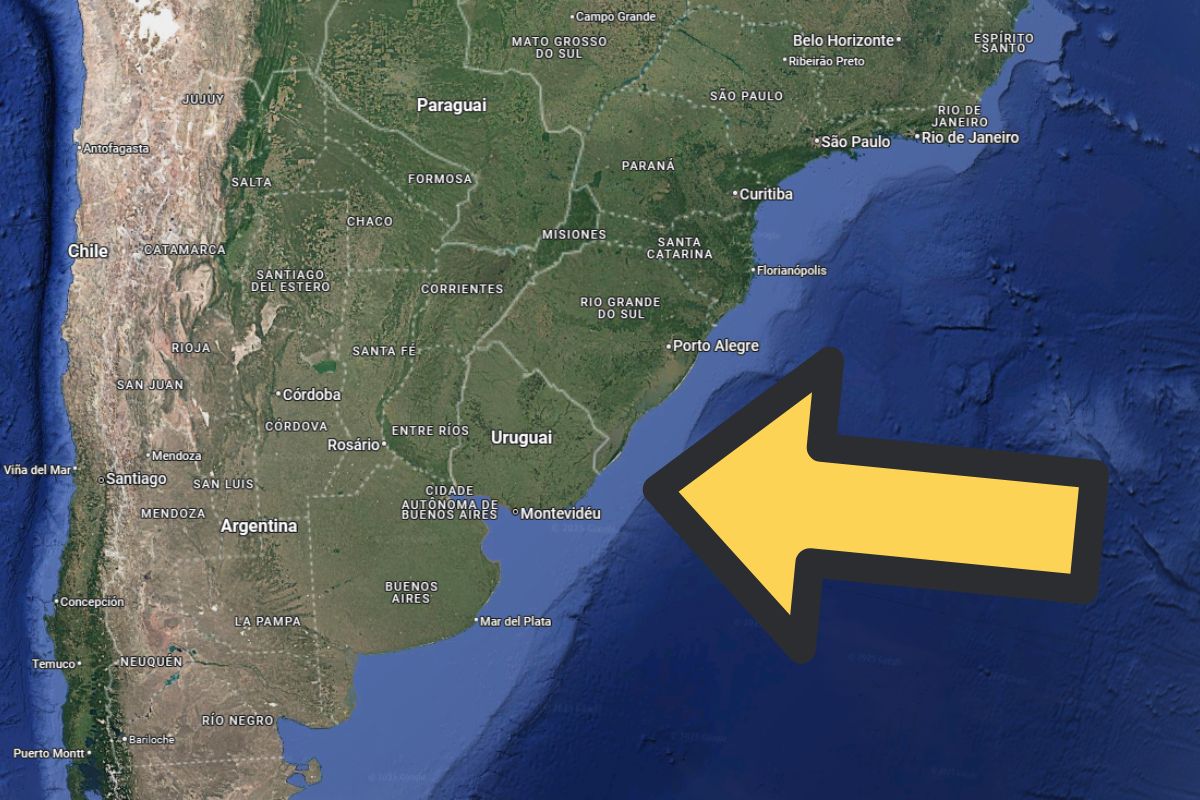
Before Becoming an Independent Nation, Uruguay Was a Province of Brazil Called Cisplatina. Its Independence Was the Result of an Expensive and Unpopular War That Marked the First Great Rivalry With Argentina.
It may come as a surprise to many, but what we now know as Uruguay was once part of Brazilian territory. The so-called Cisplatina Province was incorporated into Brazil in the early 19th century, but a bloody and costly war fought against local rebels supported by Argentina resulted in the loss of the territory and the birth of a new country in South America.
According to historians like John Armitage, who documented the period, the Cisplatina War was Brazil’s first major international conflict as an independent nation. The story of how Brazil lost Uruguay is a saga of colonial disputes, poorly planned battles, and foreign intervention that sealed the region’s fate.
The “No Man’s Land”: The Dispute Between Portugal and Spain
The region where present-day Uruguay is located, known as Banda Oriental, was for centuries a contested territory between Portugal and Spain. In 1680, the Portuguese founded the Colony of the Holy Sacrament on the banks of the River Plate to mark their presence.
-
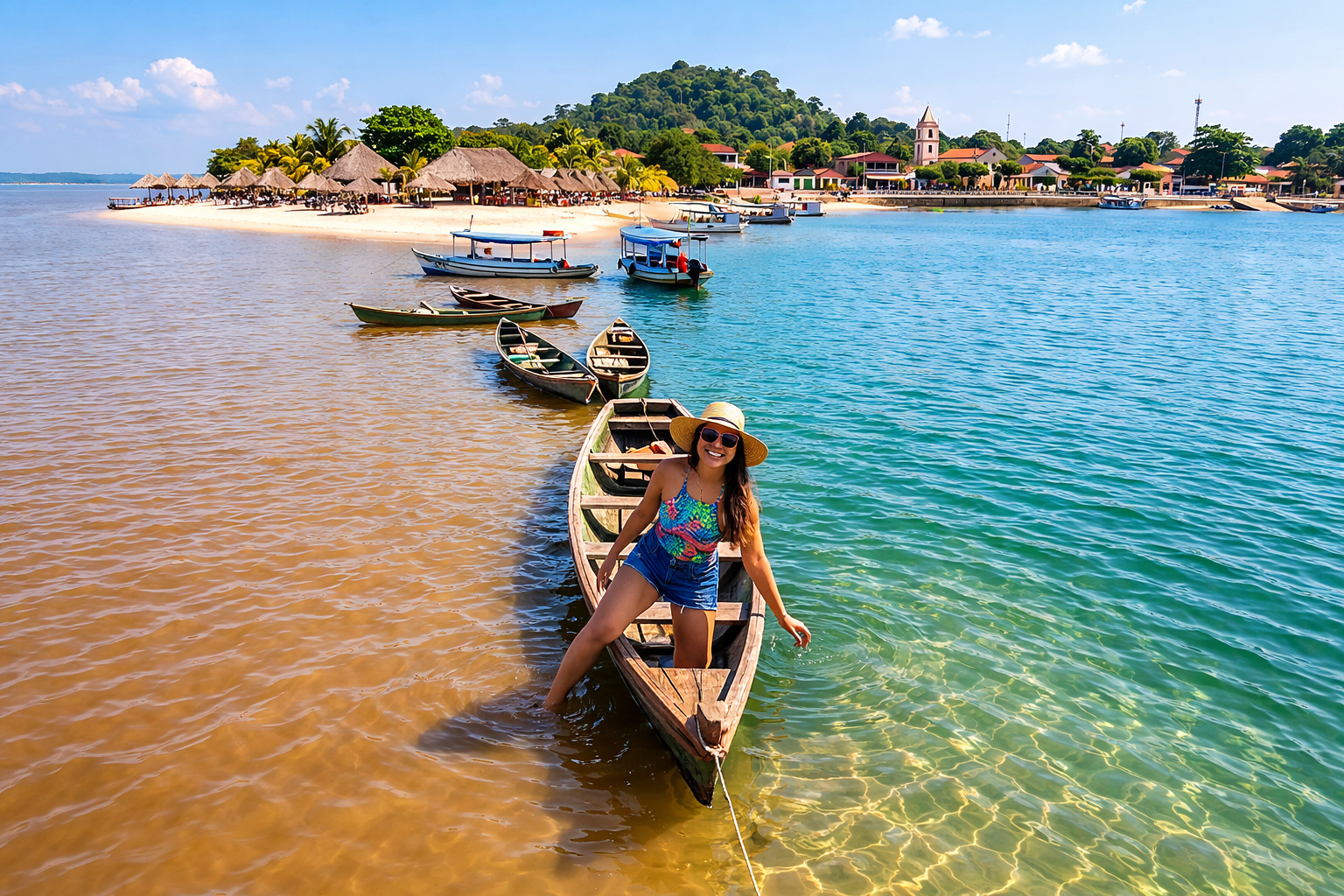
The village where two rivers run side by side without mixing in Santarém and Alter do Chão reveals some of the most beautiful freshwater beaches on the planet.
-
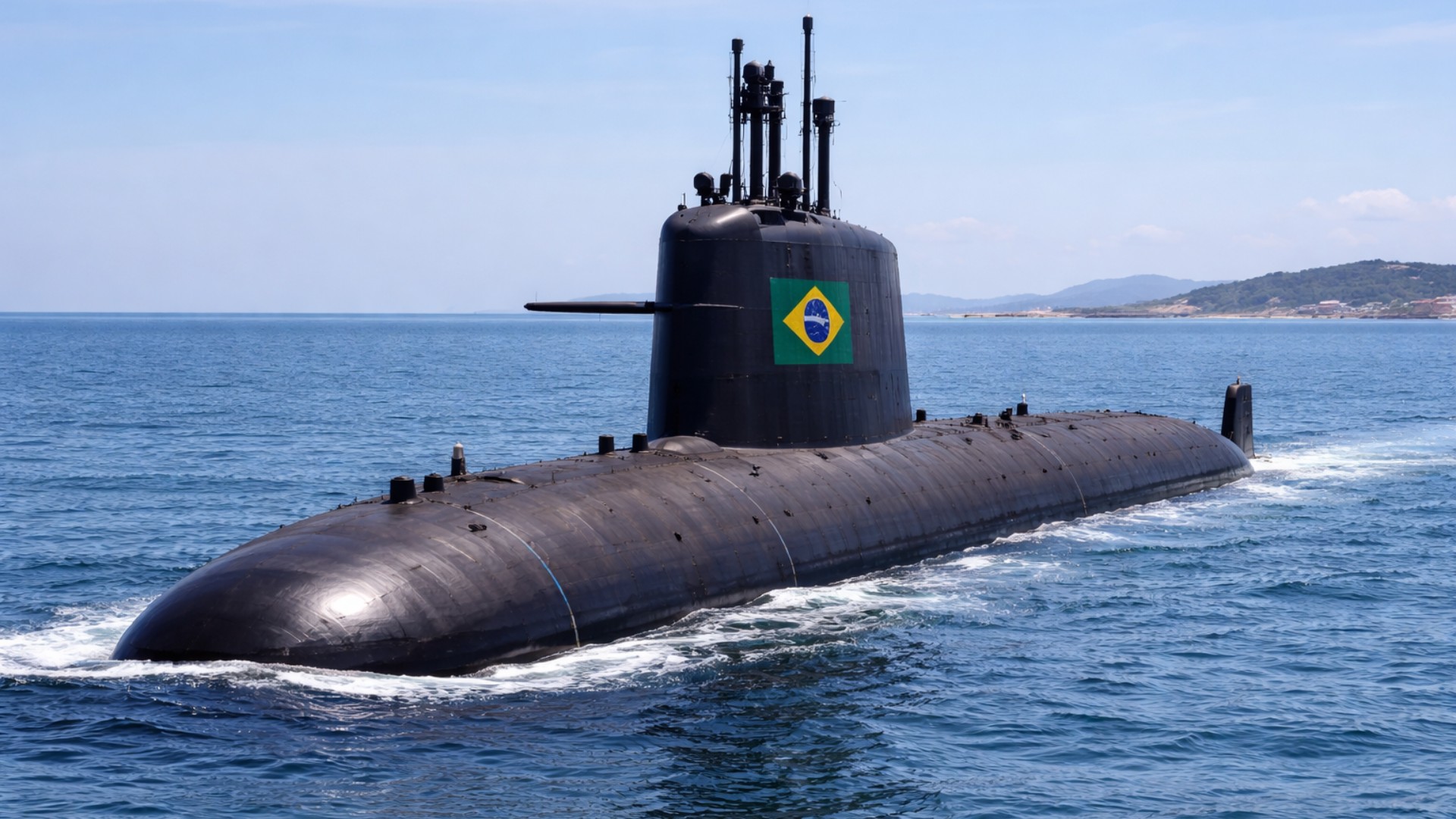
Brazil’s nuclear submarine with a speed 5 times greater than normal advances after nearly 50 years and R$ 40 billion spent.
-
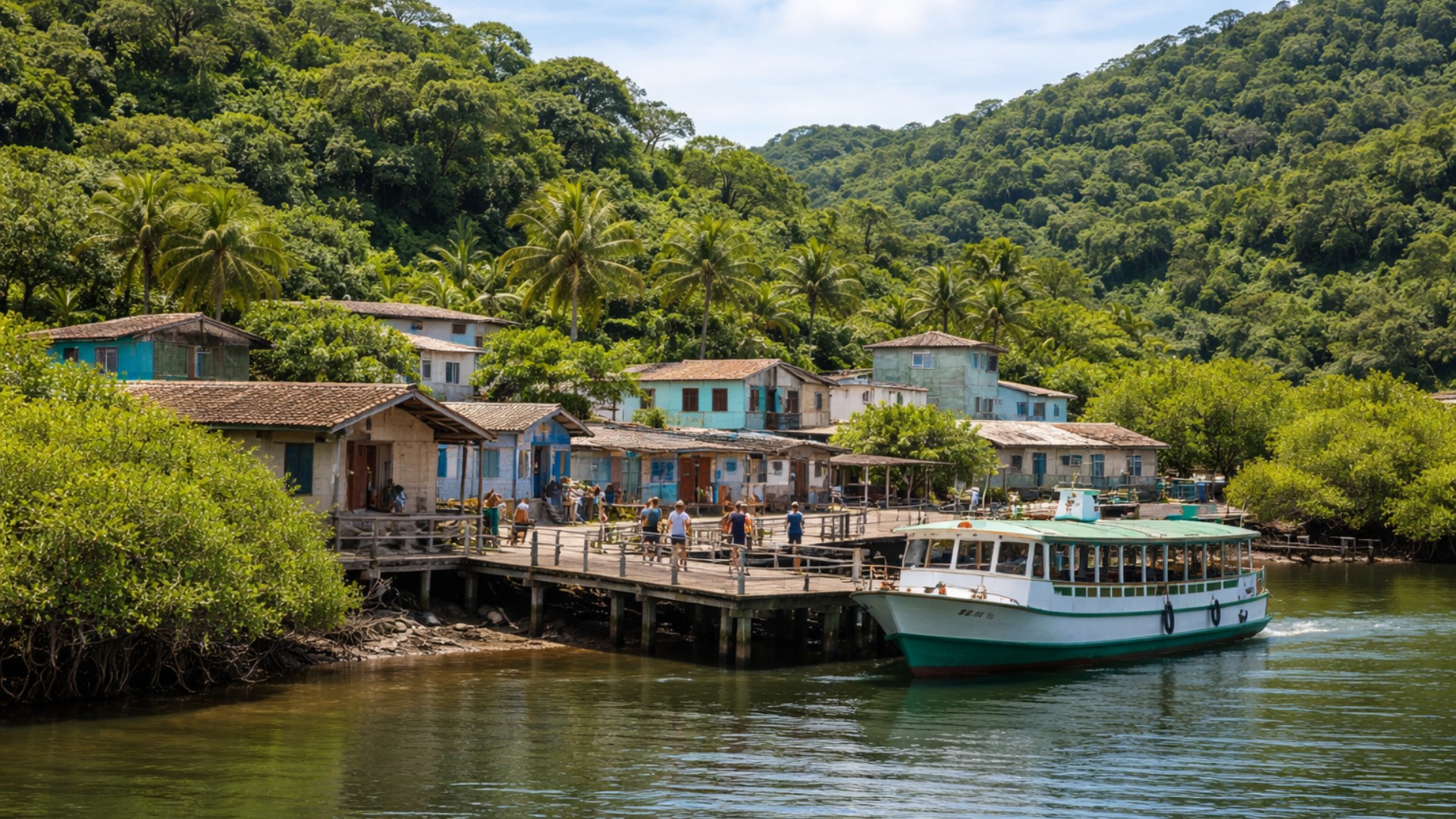
A Brazilian island charges R$ 0.50 to receive visitors and prohibits any new residents.
-
Why was the Great Wall of China built? The truth that many are unaware of!


Spain reacted, and the region became a stage for constant conflicts. Treaties such as the Treaty of Madrid (1750) and the Treaty of Santo Ildefonso (1777) attempted to resolve the dispute, but never definitively. The area became a “no man’s land,” with an identity divided between the two crowns.
The Cisplatina Province: When Uruguay Was Officially Brazilian
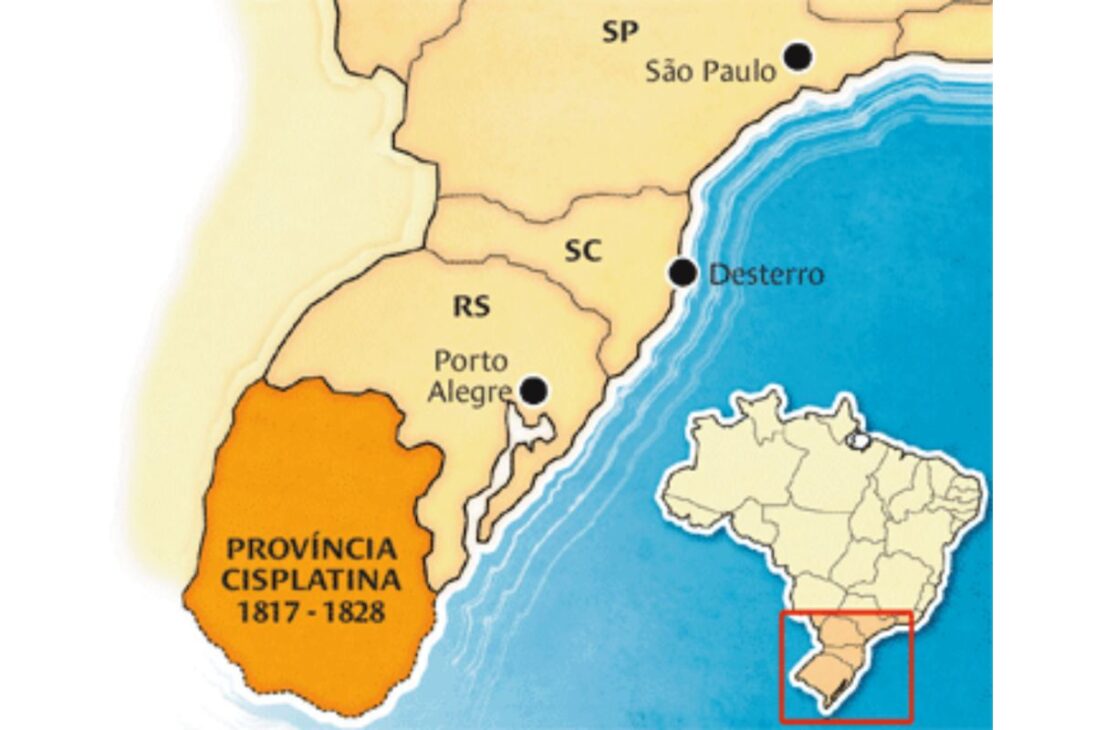
The situation changed with the arrival of the Portuguese royal family in Brazil in 1808. As a kind of retaliation against Spain, which had allied with Napoleon, the regent prince Dom João VI ordered the occupation of Banda Oriental in 1816.
In 1821, the territory was officially annexed to the United Kingdom of Portugal, Brazil, and the Algarves, receiving the name Cisplatina Province. The region even elected deputies and participated in Brazilian politics as if it were any other province.
The Cisplatina War (1825-1828): The Battle for Control of the River Plate
Peace did not last long. In 1825, a group of rebels known as the “Thirty-Three Orientals”, led by Juan Antonio Lavalleja, landed in the province with the goal of expelling the Brazilians and annexing the territory to the United Provinces of the River Plate (the old name for Argentina).
Brazil responded with a declaration of war on December 10, 1825. However, the Empire was unprepared. The Brazilian army was poorly trained, consisting of conscripted peasants and European mercenaries. The Navy, although numerous, struggled to operate in the shallow waters of the region.
The result was a series of defeats for Brazil, such as at the Battle of Sarandí (1825) and the Battle of Juncal (1827), which weakened Brazil’s position in the conflict.
The Treaty of Peace and the Birth of Uruguay
With the military stalemate and the high costs of the war for both sides, the United Kingdom and France, which had commercial interests in the region, intervened to force a peace agreement.
On August 28, 1828, Brazil and the United Provinces signed the Treaty of Rio de Janeiro. The agreement determined that the Cisplatina Province would not belong to either side but would become an independent nation: the Oriental Republic of Uruguay.
The Consequences for Brazil: Crisis, Debts, and the Weakening of Dom Pedro I


Brazil emerged as the big loser of the war. The conflict cost the Empire the equivalent of 30 million dollars at the time and about 8,000 lives.
The loss of Cisplatina generated a massive political and economic crisis. The image of Emperor Dom Pedro I became extremely tarnished, and dissatisfaction with the costs of the war and the loss of territory was one of the factors that contributed to the crisis that led him to abdicate the throne in 1831. The rivalry between Brazil and Argentina, however, was just beginning.
What do you think of this story? Do you believe that the independence of Uruguay was the best outcome of the war? Leave your opinion in the comments.







-

Uma pessoa reagiu a isso.