





 Portuguese
  English
  Spanish
  3 min of reading
  0 comments


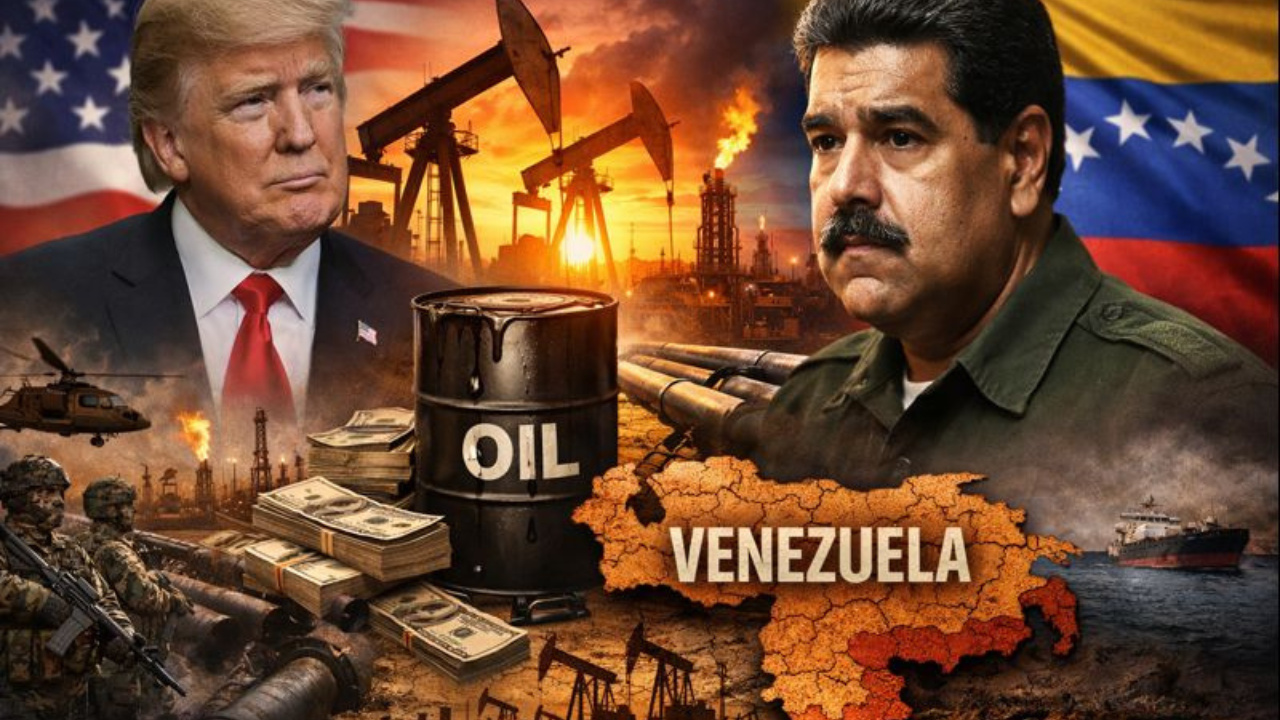
Understand How Oil Reserves Boosted the Economy and Also Deepened the Economic Crisis in Venezuela in Recent Decades.
Caracas, Venezuela – Venezuelan oil came to the center of a geopolitical turnaround in early January 2026, when U.S. forces detained former president Nicolás Maduro.
The White House announced it will take over the administration of the country until a transition deemed safe and fair can be achieved.
In this context, Washington also declared its intention to use Venezuela’s oil reserves, estimated at more than 300 billion barrels, the largest in the world.
-
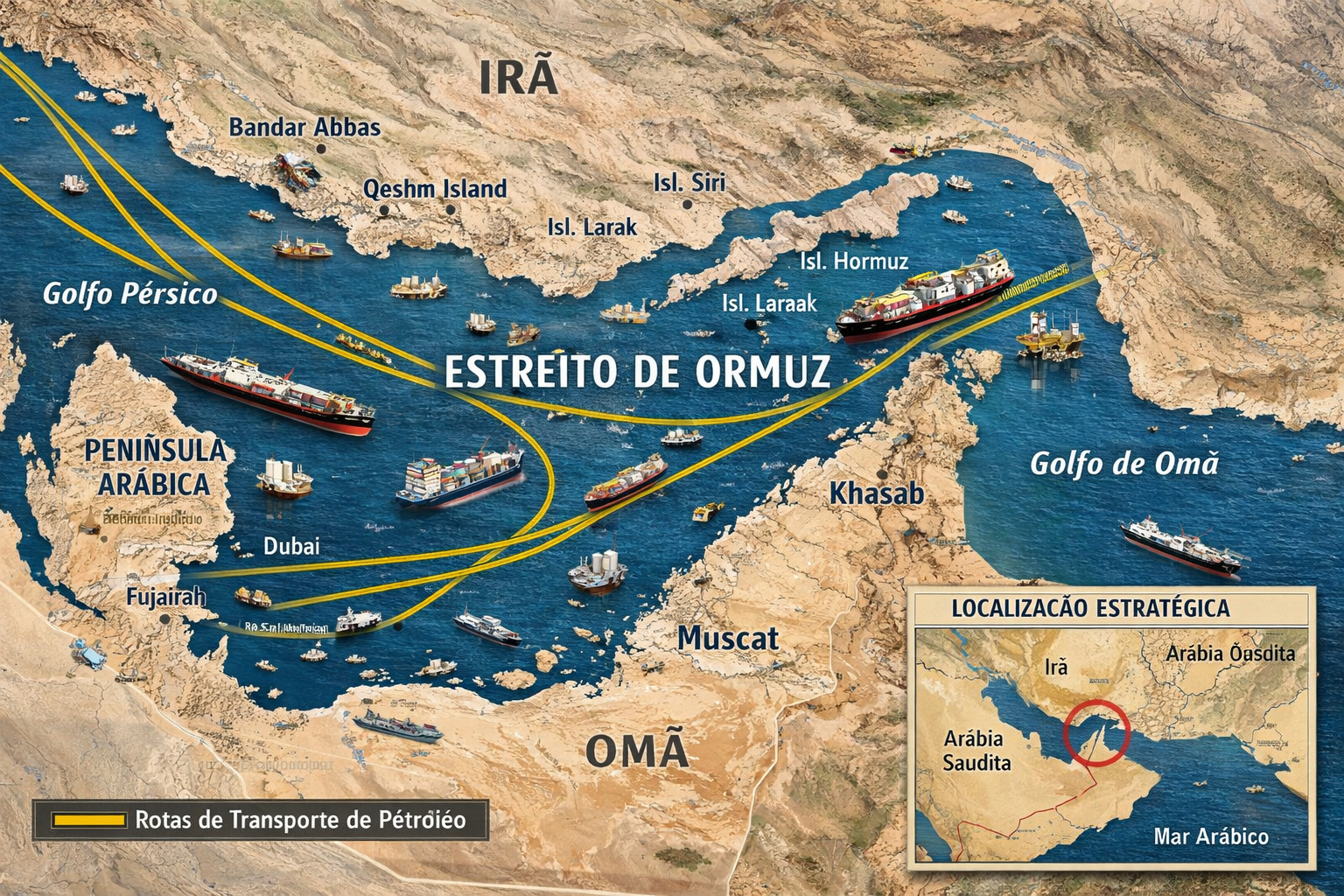
Global summit with over 40 countries pressures Iran for a blockade in the Strait of Hormuz and warns of direct impact on oil, food, and the global economy.
-
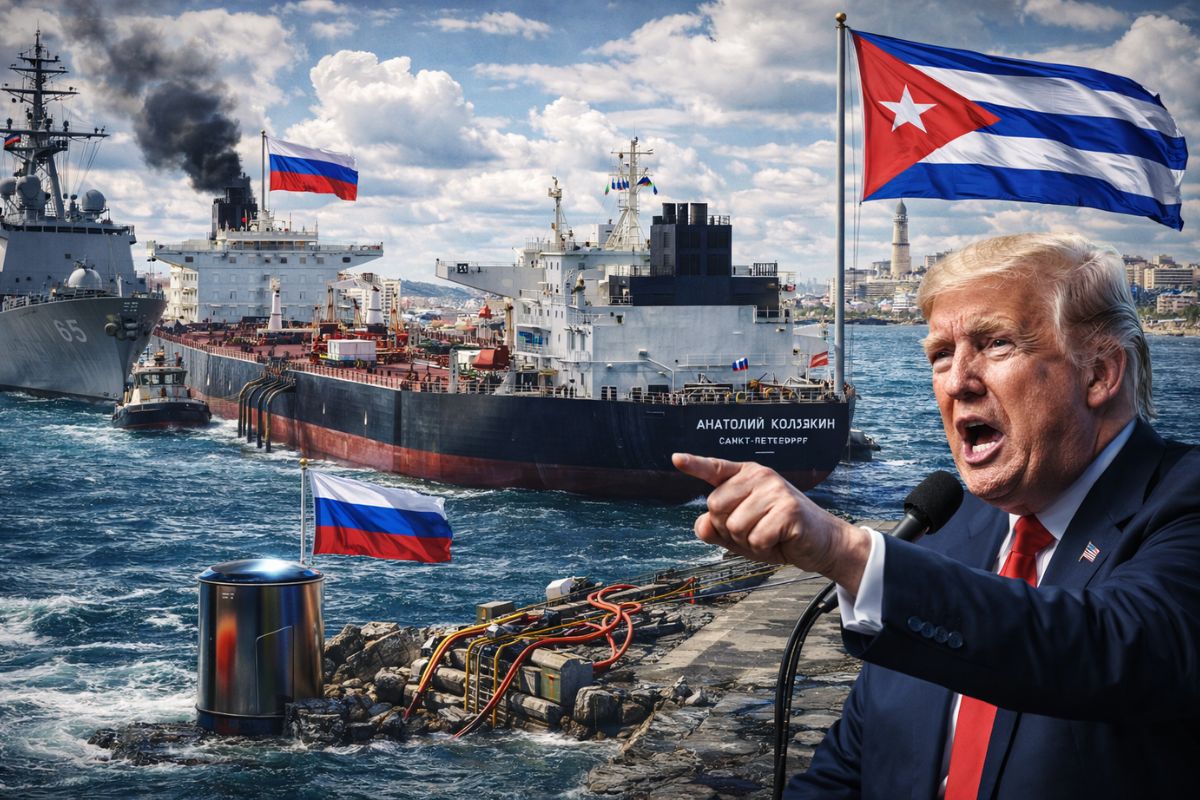
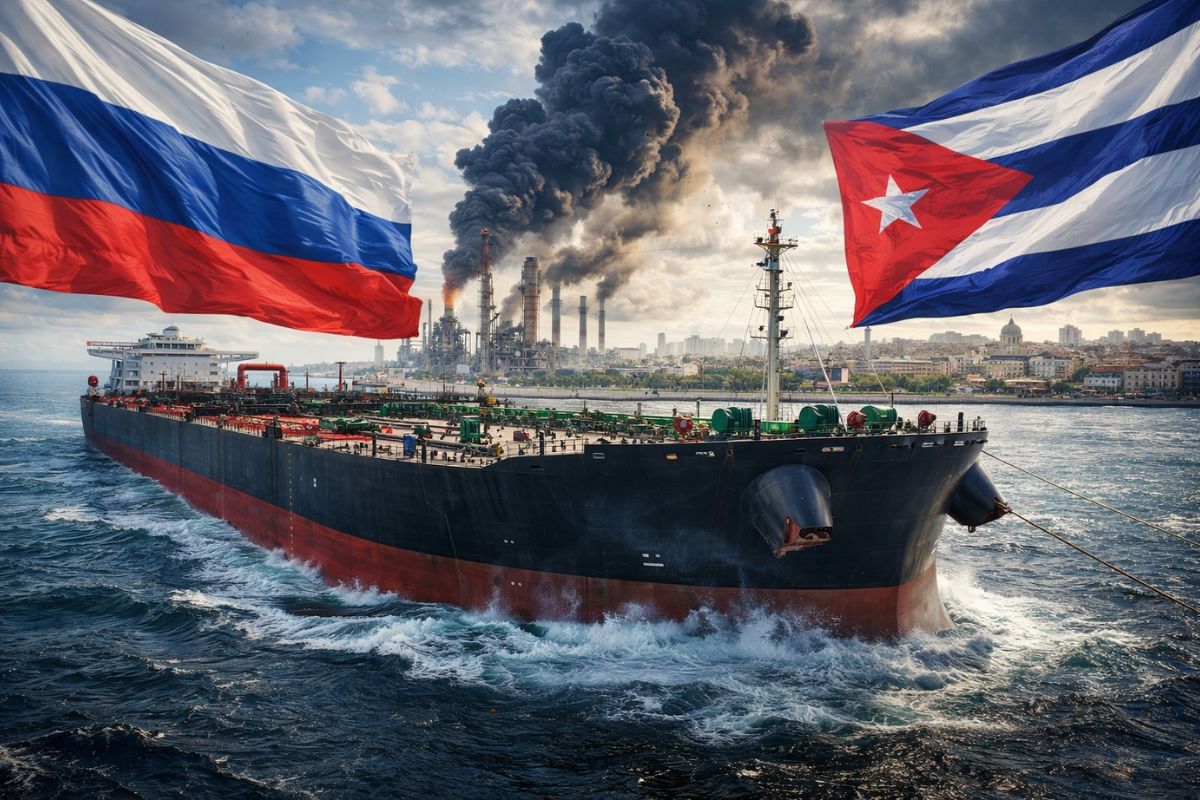
Russia has broken the U.S. maritime blockade to send oil to Cuba and is now loading a second ship while Trump says that “Cuba is next” in a possible military action against the island.
-
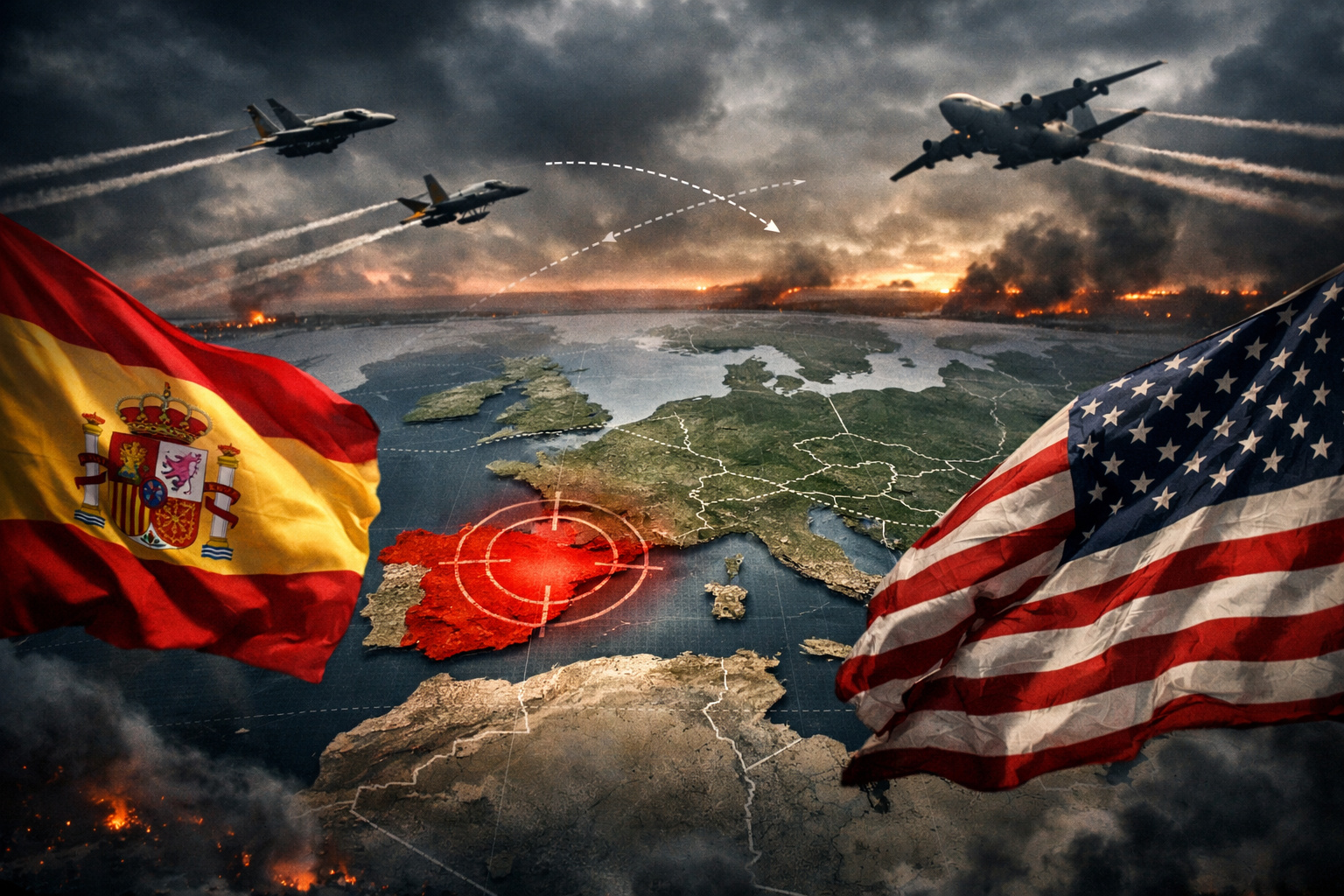
Spain challenges the USA and closes its airspace for operations against Iran, raising global tension and provoking the threat of a trade rupture.
-
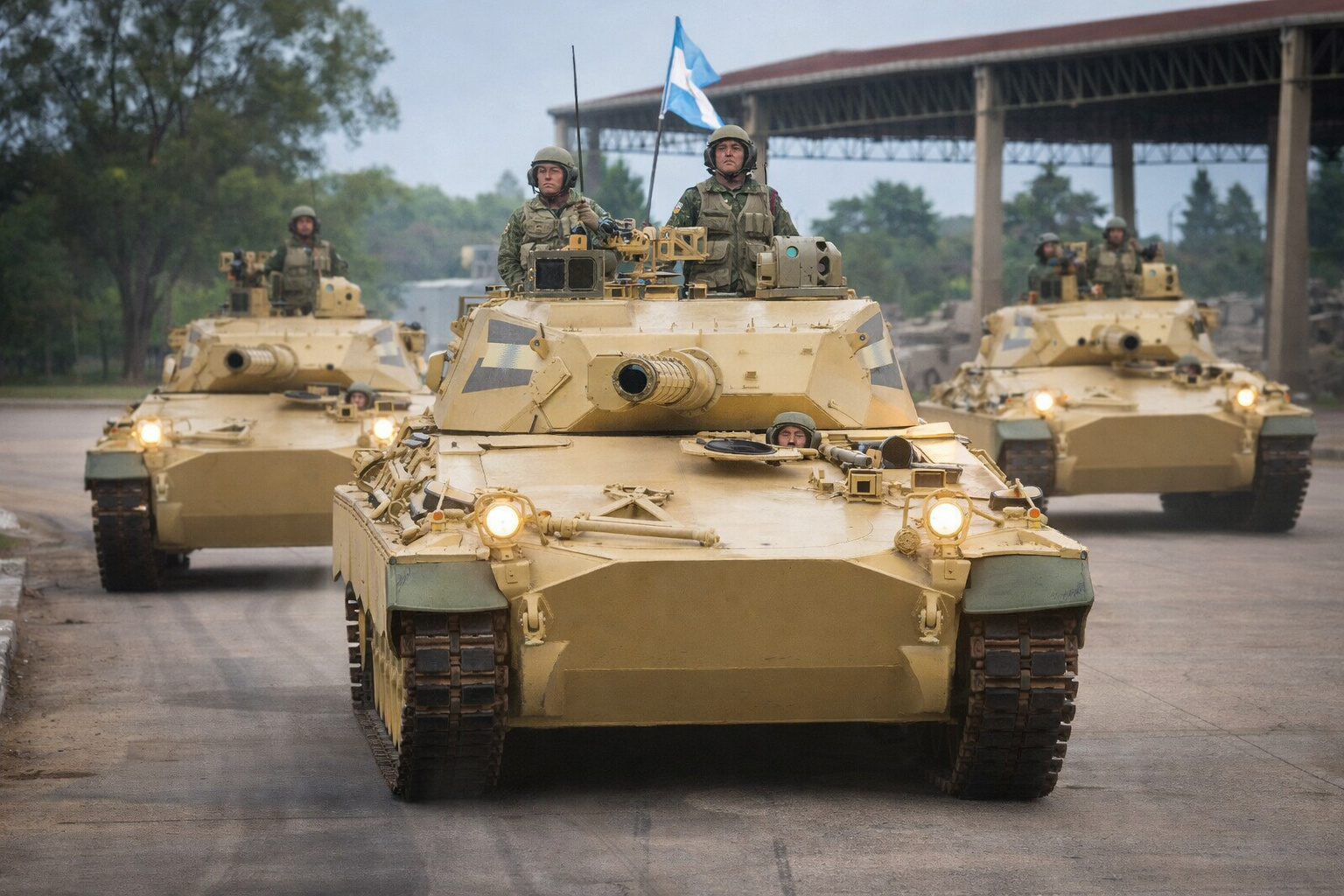
While no other country manufactures tanks in Latin America, Argentina activates the TAM 2C-A2 and raises a curiosity about the technological lag in the region.
The decision marks the beginning of a new phase of the economic crisis in Venezuela.
In recent years, the country has left behind its status as a regional power and has faced hyperinflation, supply shortages, and productive collapse.
Thus, the United States is focusing its intervention on the energy sector, historically the main economic driver in Venezuela and a central piece of regional politics.
What Is at Stake with Venezuelan Oil
Venezuela holds the largest proven reserves of crude oil in the world, estimated at about 303 billion barrels.
Over time, this resource has served both as a source of wealth and a factor of fragility.
Excessive dependence on oil has exposed the economy to external shocks and prolonged mismanagement.
Now, with Maduro’s departure, Washington seeks to reactivate local production while also integrating American oil companies into extraction and marketing.
Moreover, leaders in the U.S. energy sector have already shown interest in investing in Venezuelan infrastructure.
However, legal and political impediments still impose clear limits.
U.S. Intervention and New Administration
Since early January, the U.S. government has intensified direct actions.
The measures include export controls, seizure of oil tankers, and direct negotiation of Venezuelan oil production.
According to the Trump administration, these operations will continue until the country achieves political and economic stability.
Internally, the scenario has also changed rapidly.
After Maduro’s arrest, the Supreme Court proclaimed Vice President Delcy Rodríguez as interim president.
Meanwhile, Washington has mandated that all oil sales occur under its supervision.
Part of the funds, according to the U.S. government, will be used to finance the country’s economic stabilization.
Economic Crisis and Historical Role of Oil
Throughout the 20th century, oil shaped Venezuela’s destiny.
For decades, the country ranked among the most promising economies in Latin America, driven by energy exports.
However, a lack of productive diversification, coupled with corruption and poor state management, progressively weakened the oil industry.
This process was aggravated by international sanctions and a sharp decline in production.
Currently, despite vast reserves, Venezuela struggles to recover its extraction and export capacity.
As a result, the almost total dependence on oil has deepened the economic crisis, increasing unemployment, inflation, and shortages of basic goods.
International Repercussions and Criticism
The U.S. intervention provoked immediate reactions.
Governments such as those of China and several Latin American countries classified the action as a violation of Venezuelan sovereignty.
Moreover, analysts point to parallels with past interventionist practices.
On the other hand, environmentalists warn of the risk of intensifying fossil fuel exploitation without social or environmental guarantees.
Still, proponents of the measure argue that the resumption of production could attract investment and generate essential revenue, provided the country adopts institutional reforms and transparency mechanisms.
The Future of Venezuela and Oil
As the interim administration advances with legal reforms, the country is entering a decisive moment.
The proposals include opening the sector to foreign partnerships, reducing royalties, and increasing contractual flexibility. According to experts, these changes could boost production.
However, analysts reiterate that oil alone will not solve the economic crisis in Venezuela.
The country will also need to ensure political stability, legal security, and effective social policies.
Thus, Venezuela’s future will remain deeply linked to oil and the decisions made in this new international scenario.
See more at: Venezuela: How the Country That Was Once the Richest in South America Became Poor – BBC News Brasil







-

Uma pessoa reagiu a isso.