





 Portuguese
  English
  Spanish
  5 min of reading
  0 comments


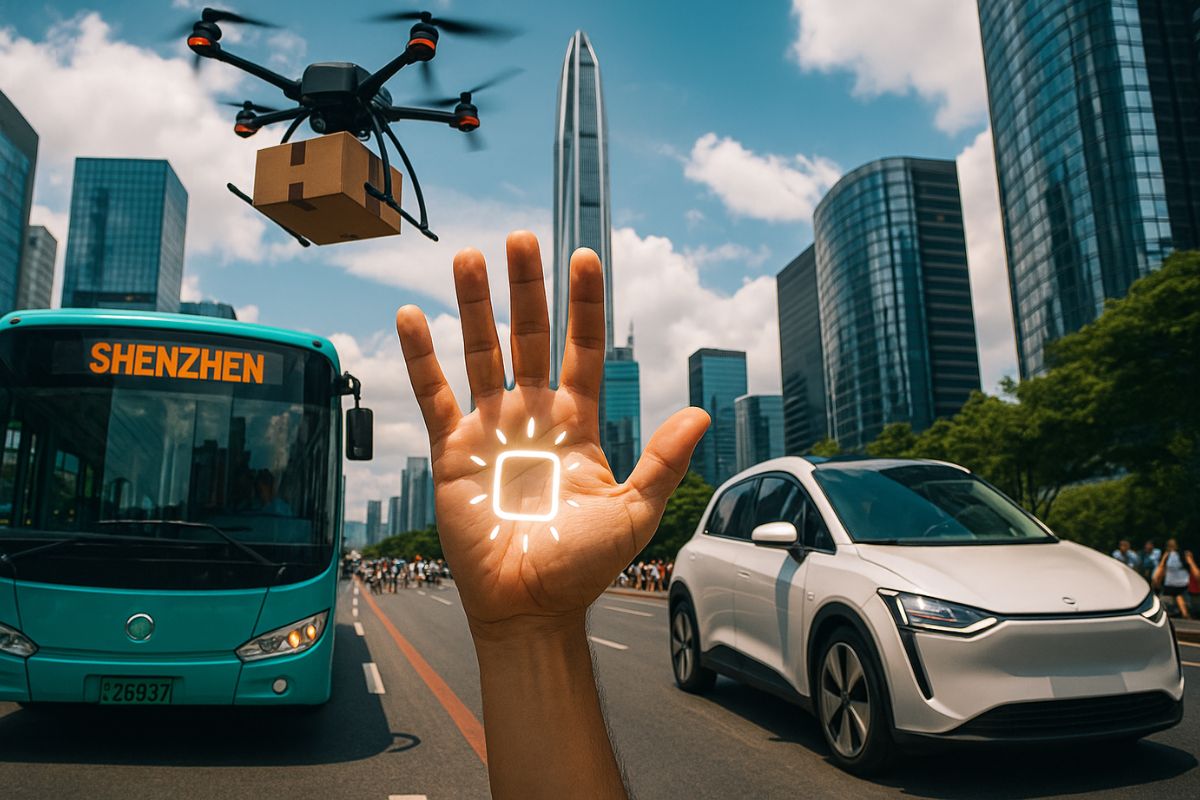
Shenzen, The High-Tech Urban Sanctuary That Emerged From Special Economic Zones, Houses 17 Million Residents and a Connected Daily Life Where the Citizen Pays With the Palm of Their Hand, Orders Delivery by Drones, and Moves in Electric Fleets and Self-Driving Cars, a True Sanctuary of 400 Years Hidden? No, a Living Laboratory of the Present.
Shenzen has transformed from a fishing village into Shenzen, a showcase for pro-innovation policies and urban infrastructure where automation and digital services are now routine. The transformation accelerated when the city was chosen as a special economic zone, attracting investment and relaxing business models. The result was a megacity with around 17 million inhabitants and a technological ecosystem that manifests in the most mundane daily activities, from tea ordered by drone to a metro unlocked with a QR code.
This automated daily life can be seen at the airport filled with LED panels, on roads where green signs identify electric vehicles, and in parks with solar benches that recharge phones through induction. In Shenzen, the promise of a “smart city” is not a slogan: it is daily practice mediated by apps, sensors, and robotics.
Historical Context and the Economic Turning Point
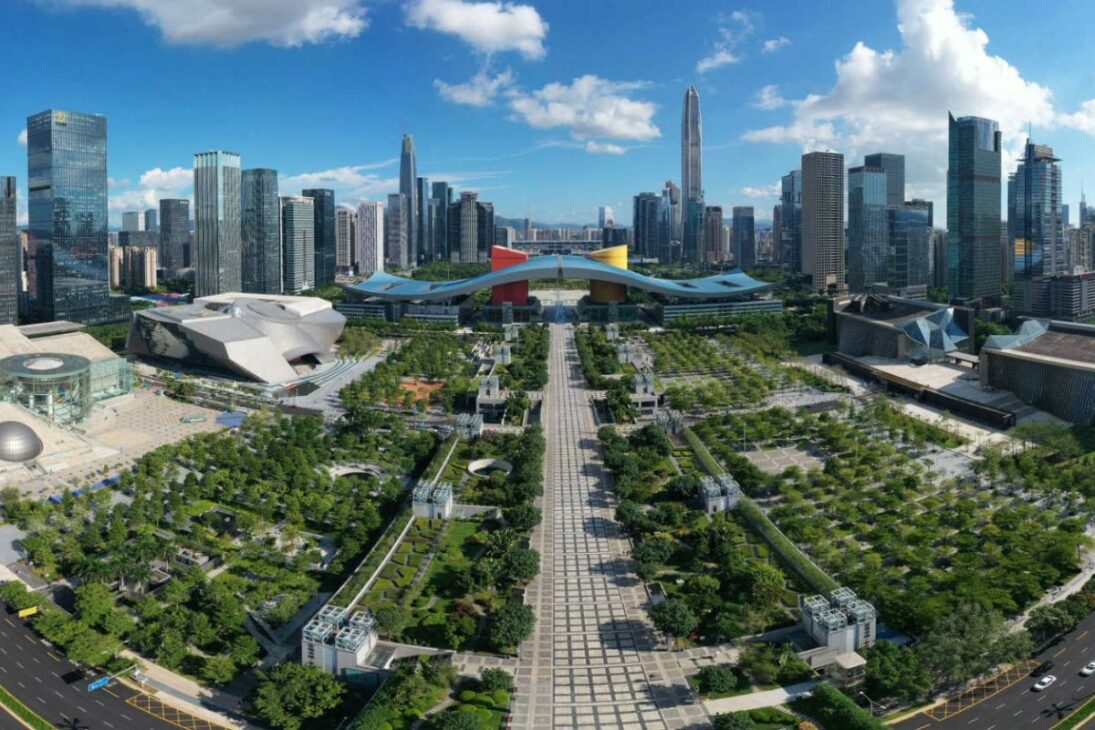
The turning point began when the government designated Shenzen as one of the first special economic zones. The institutional design opened space for foreign capital, new trade rules, and an incentive regime that enabled factories, R&D centers, and supply chains.
-
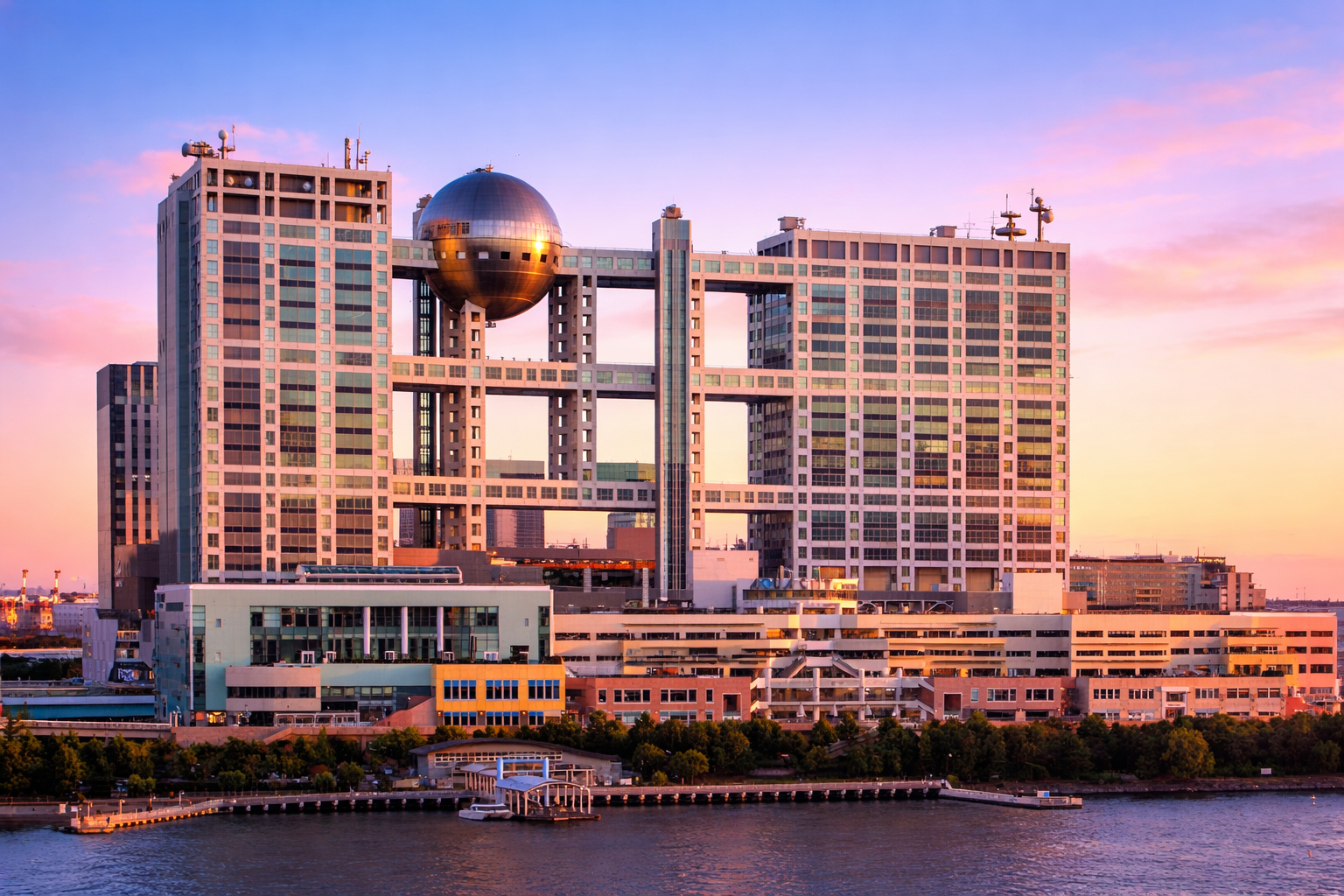
With 1,200 tons suspended, the Japan mega-structure in a grid shape with a floating sphere from Fuji TV features two 25-story towers connected by elevated walkways, titanium panels, and impresses the world with its ability to reduce wind impact.
-
The village where two rivers run side by side without mixing in Santarém and Alter do Chão reveals some of the most beautiful freshwater beaches on the planet.

-
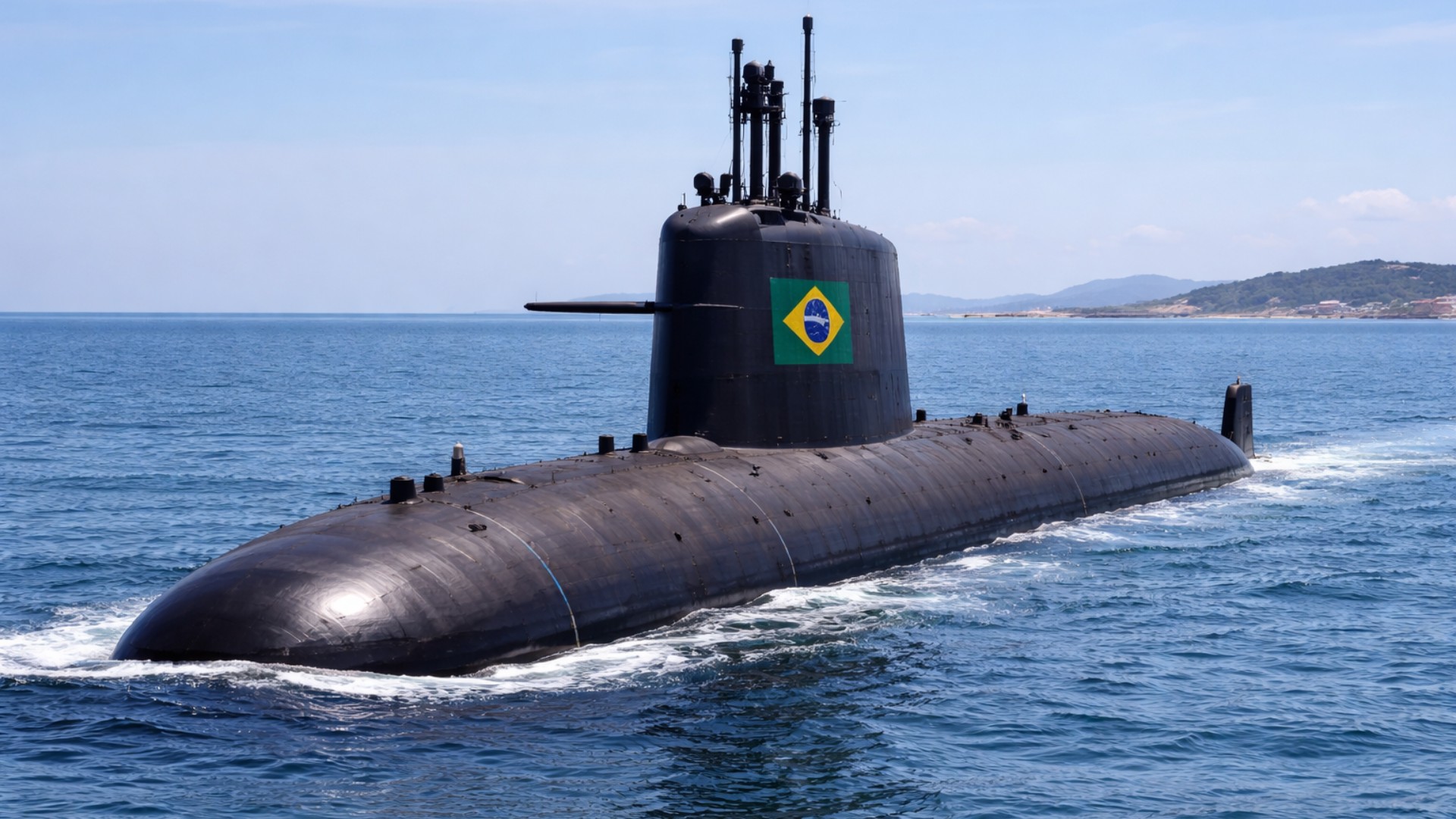
Brazil’s nuclear submarine with a speed 5 times greater than normal advances after nearly 50 years and R$ 40 billion spent.
-
A Brazilian island charges R$ 0.50 to receive visitors and prohibits any new residents.
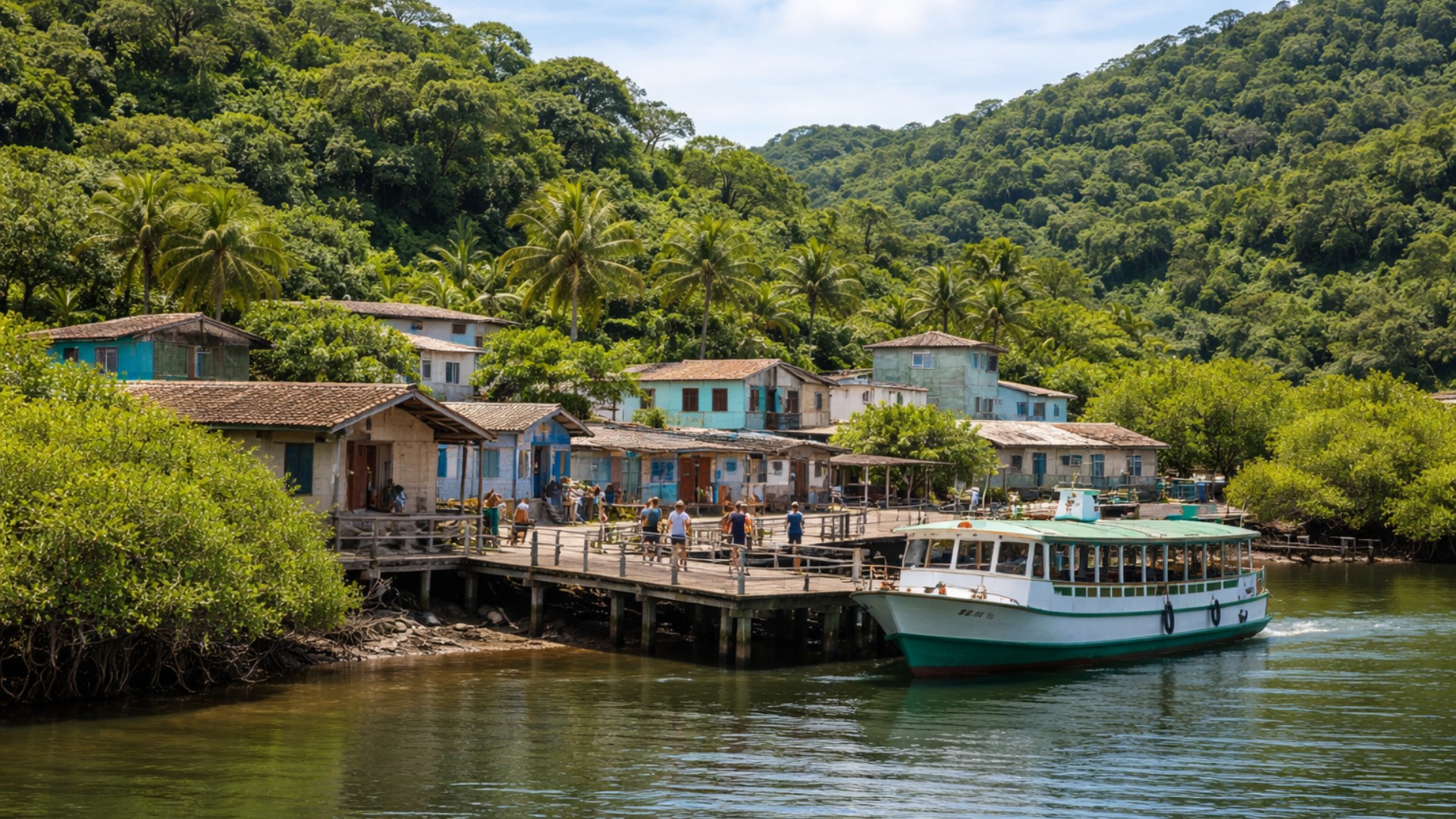
The city, which had about 30,000 inhabitants in the 1980s, began to scale at the pace of a megacity.
This arrangement was not merely financial. The combination of freedom to experiment with business models and expanding urban infrastructure created a real-world prototyping environment.
What started as an “experiment” became a platform for technological production and consumption that now organizes the daily lives of residents.
Sustainability and Electric Mobility as a Standard
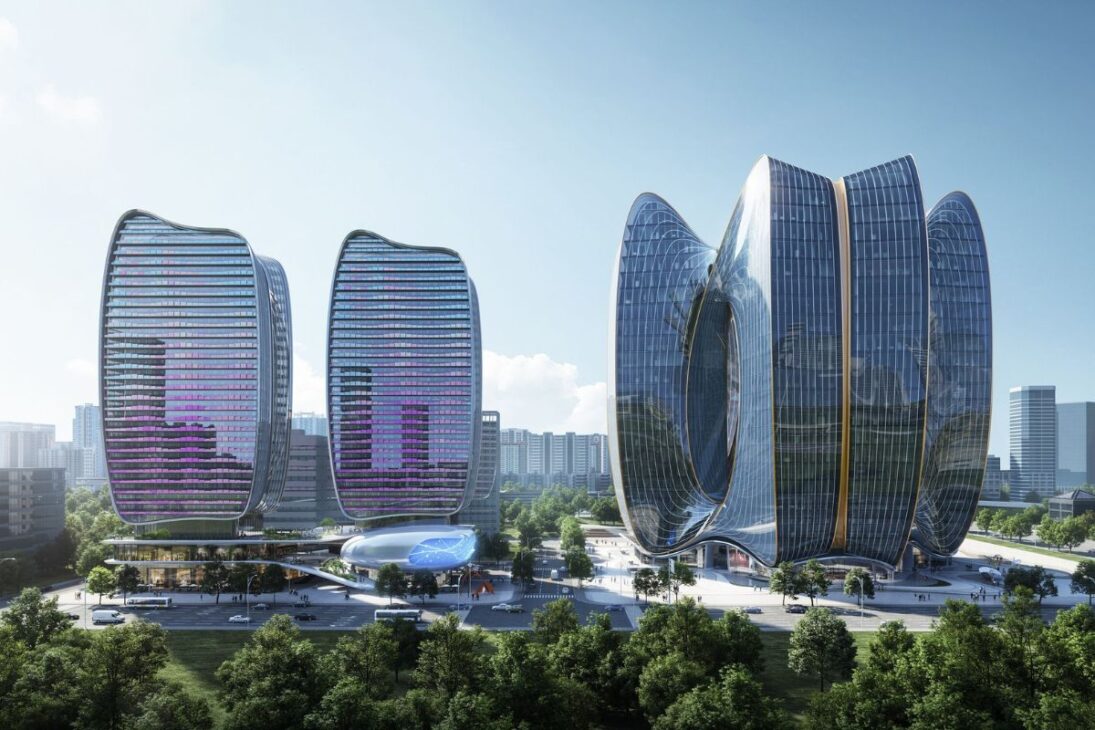
In Shenzen, electrification is not a trend, it is the norm. The city showcases a 100% electric bus fleet, vehicles with green plates, and an abundant supply of electric models at dealerships.
On the street, the scene is straightforward: the majority of vehicles passing by are electric, which overflows into the local economy, from logistics to maintenance.
The impact goes beyond zero emissions at the exhaust. The massive presence of electric vehicles reshapes charging services, route planning, and even the design of roadways. The silent operation and quick response of the motors change the travel experience, while the widespread availability of charging points supports the habit.
Drones, Lockers, and the Frictionless Last Mile
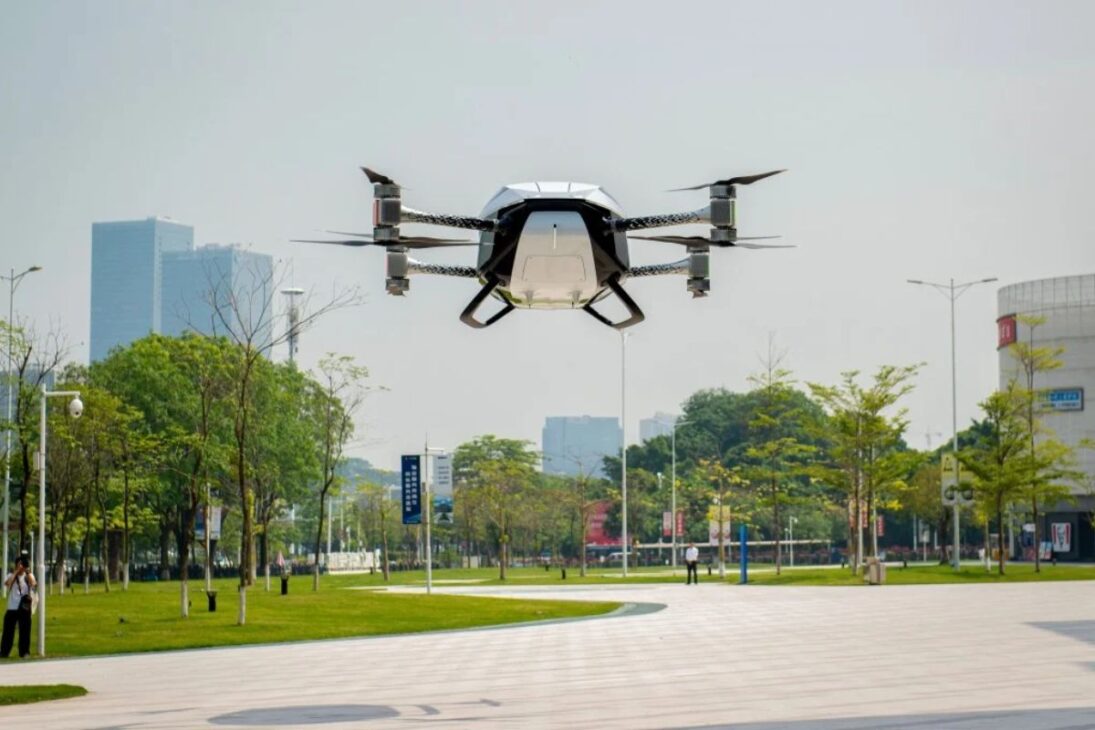
Orders made via QR code originate from platforms dedicated to drones, which traverse areas between buildings, land at predefined points in the park, and release packages in lockers.
Rain or shine, the system operates with pre-planned routes and quick battery swaps, maintaining the flow of orders.
Reverse logistics is also meticulously planned: the packaging returns to a collection point for reuse. This cycle demonstrates how Shenzen integrates technology, operations, and user habits, reducing friction in the act of buying and receiving.
Automated Restaurants and Payments With the Palm of the Hand
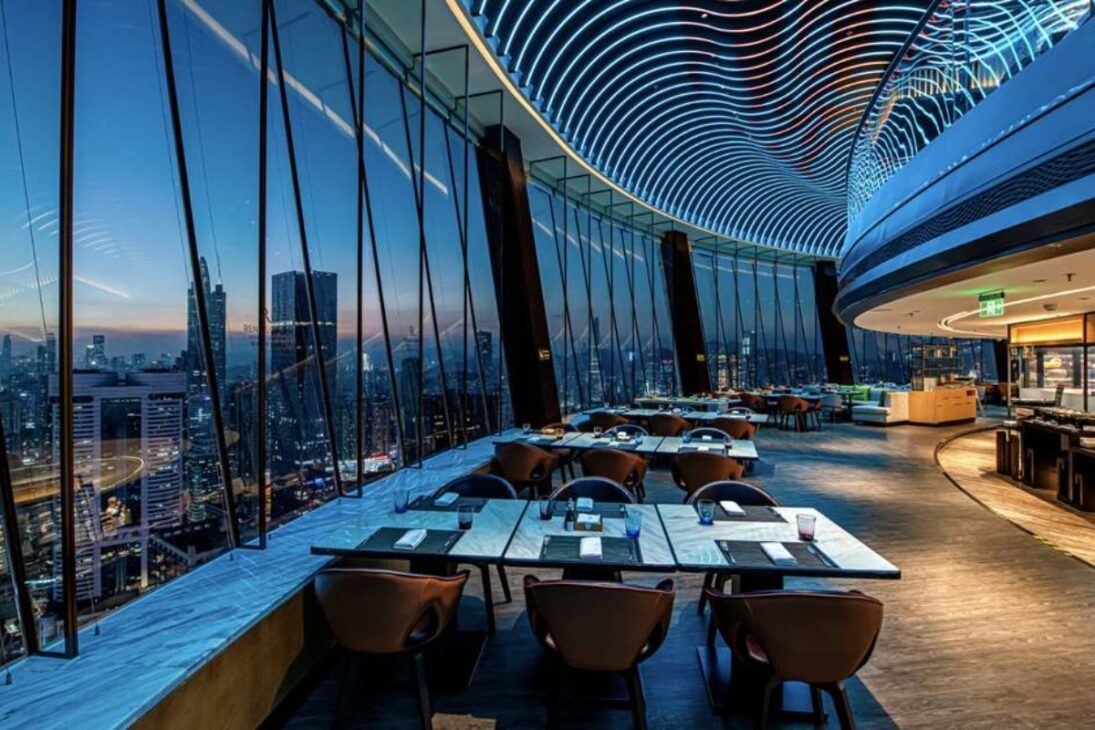
During lunch, the menu opens via QR code, orders enter the system queue, and the open kitchen delivers in minutes.
In convenience retail, payment with the palm of the hand is already linked to the local app, and the reading considers lines and veins for authentication. Facial recognition and iris verification projects are appearing in pilots that make the experience even more instantaneous.
The central point is fluidity: fewer lines, less physical cash, more integration between identity, account, and consumption. The result is a faster and more predictable purchasing cycle, suitable for a megacity’s volume.
Self-Driving Cars in Designated Areas
The autonomous mobility of Shenzen operates in georeferenced areas, with apps that summon driverless vehicles.
The real experience makes the state of the art clear: there are cars with a safety operator on some stretches and others completely without a driver, obeying traffic lights, avoiding buses, slowing down for pedestrians, and even honing the horn when necessary.
Boarding is done via QR code, the seatbelt is a prerequisite for the start of the journey, and a partition prevents interference with the panel.
This is a pilot in production, where different levels of autonomy coexist. Still, the urban message is unequivocal: Shenzen already coexists with self-driving cars and organizes space so that this operates safely.
Metro Via QR Code and Robotic Maintenance
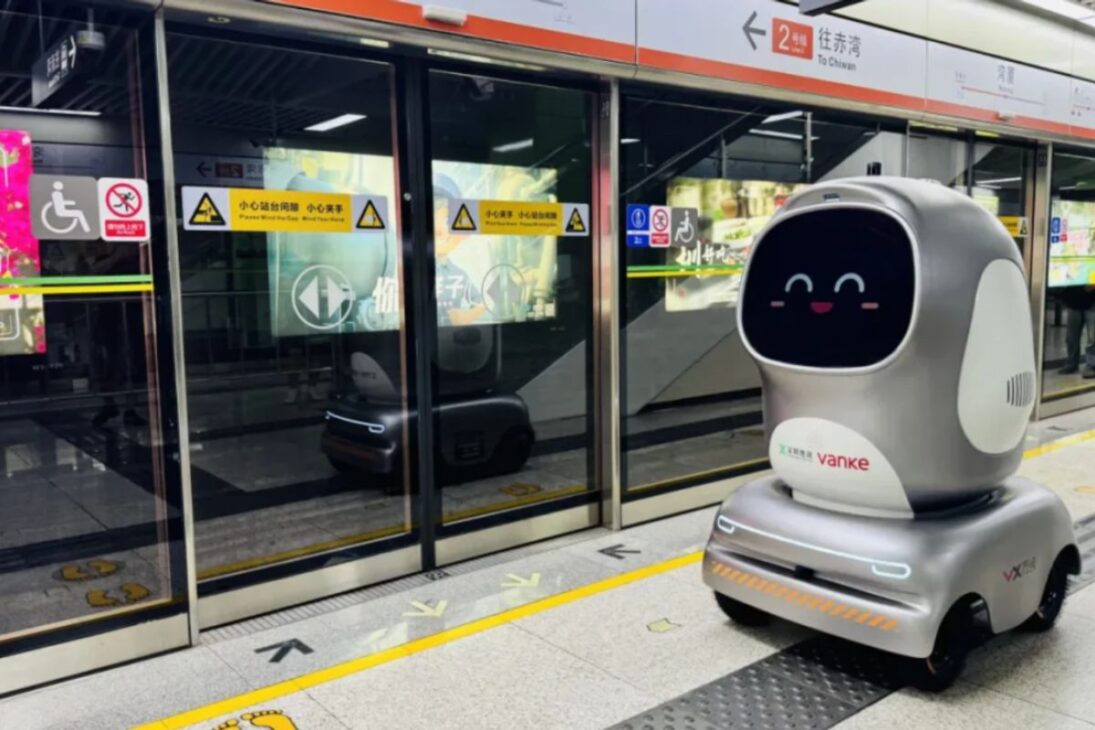
The metro of Shenzen integrates the same digital flow: a QR code in the app opens turnstiles and consolidates the payment. In operation, robots responsible for cleaning circulate regularly, maintaining floors and common areas.
The whole translates a priority: public service with a simple interface and automated maintenance, reducing bottlenecks and operational costs.
Hospitality and Messaging Robots
After work hours, automation reaches the elevator: robots deliver meals and notify in the room upon arrival, following internal routes of the hotel.
The service chain is completed with notifications, confirmation of receipt, and the robot’s automatic return to base. The promise of 24/7 becomes practice, without unnecessary human frictions.
Tech Brands Ecosystem Entering the Automotive Sector
Shenzen is home to concept stores where brands born on smartphones showcase cars with giant screens, induction charging, massage seats, dimming, and even internal projectors.
The showroom is not just a display: it is a demonstration of integration between hardware, software, and services, where the vehicle becomes an extension of the user’s digital ecosystem.
This movement increases competition and reinforces the local logic: those who dominate consumer electronics and the supply chain can scale to mobility quickly.
Surveillance, Data, and the Price of Efficiency


The other side of the coin is the omnipresence of cameras. In Shenzen, the perception is that monitoring goes beyond “recording” and includes facial recognition, age estimation, and expression reading.
Operational efficiency coexists with debates about privacy and data governance, an inherent tension when the entire city becomes an interface.
In this balance, the user experience improves while the responsibility grows regarding who collects, processes, and stores information.
The institutional design and transparency of criteria become as strategic as the sensors.
From drones to electric buses, clear signals emerge from Shenzen: automation is distributed, not concentrated.
Parks, metros, hotels, restaurants, and public roads function as modules of a larger system. This mosaic operates because processes have been redesigned for technology, and not the other way around.
The city, which began as an experiment in special economic zones, consolidated a daily life where the “future” is logistics, payment, and transport operating frictionlessly.
In practice, the design of the urban experience has become applied industrial policy.
For you, should the advancement of Shenzen prioritize even more the automation of daily life or is it time to slow down and discuss privacy limits?







Seja o primeiro a reagir!