





 English
  Francês
  Alemão
  Italiano
  Japonês
  Norueguês
  Portuguese
  Spanish
  3 min of reading


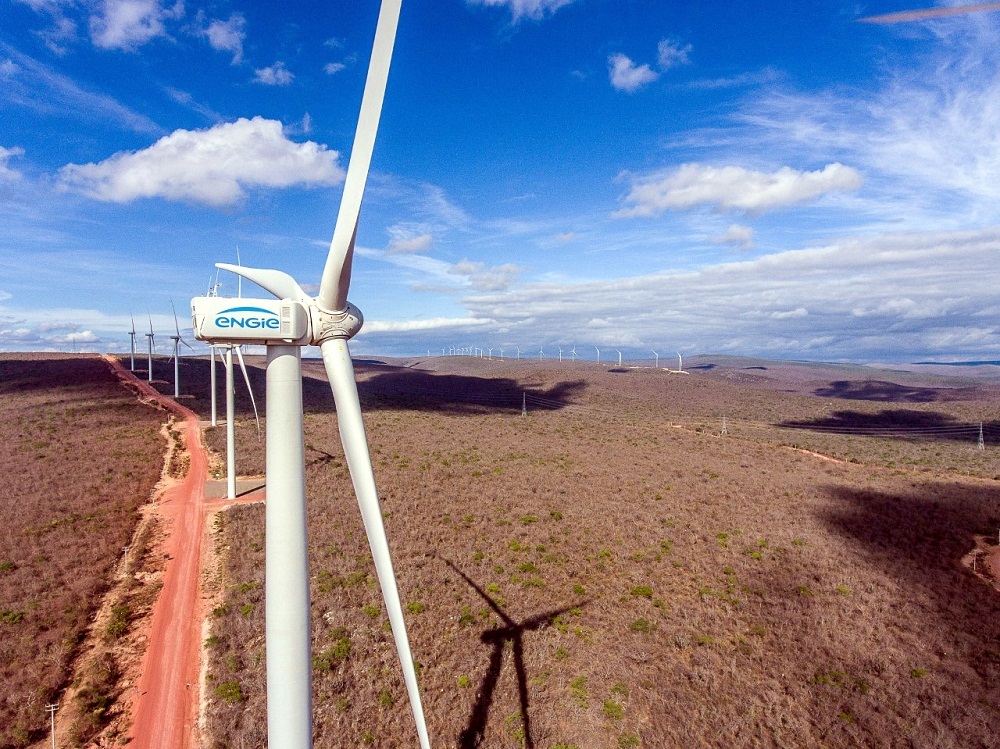
Engie Focuses on Solar and Wind Energy, Besides Transmission Auctions
On December 10, the director of new businesses at Engie Brasil Energia, Guilherme Ferrari, stated that the company continues to be inclined to expand its wind and solar energy matrix through projects with satisfactory capacity factors and natural resources, with the technologies directing most of Engie’s new investments in generation.
“These sources remain more competitive in the current situation of high prices and this is where we will continue directing our investments, seeking new opportunities for M&A and greenfield projects,” added the executive.
See Also:
- More than 100 job openings available at PepsiCo Brazil for sales representatives, multifunctional operators, promoters, production assistants, logistics assistants, and more
- Using cutting-edge technology, Videome creates Brazil’s first educational robot, which has artificial intelligence
- Ocean battery is the latest way to store renewable energy, developed by the Dutch. The model is located on the seabed
In addition, he commented that Engie will participate in auctions for projects located in regions where transmission infrastructure or generation assets already exist. The most important competency of the producer in the bidding process, for him, is the reduction of Capex and the acceleration of commercial operation in the project implementation phase.
-
A study reveals the expansion of renewable energy procurement in Brazil and shows how companies are taking advantage of opportunities to reduce expenses, ensure energy efficiency, and strengthen strategic environmental commitments.

-
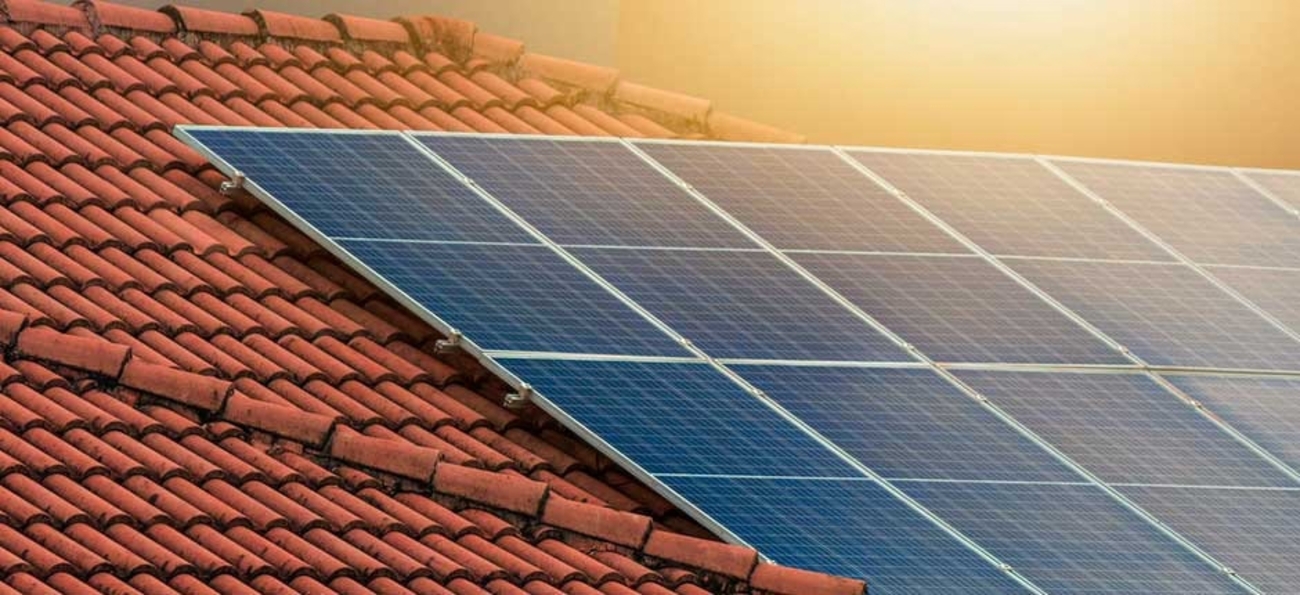
Roraima bets on the sun to escape high tariffs: Amid the energy crisis and price hikes, solar energy is growing in Roraima and transforming consumption in the North region.
-
Mato Grosso do Sul excels in the sugar-energy sector: the state reaches a milestone of 22 operating mills and accelerates the production of clean energy in MS with a focus on sustainability.

-
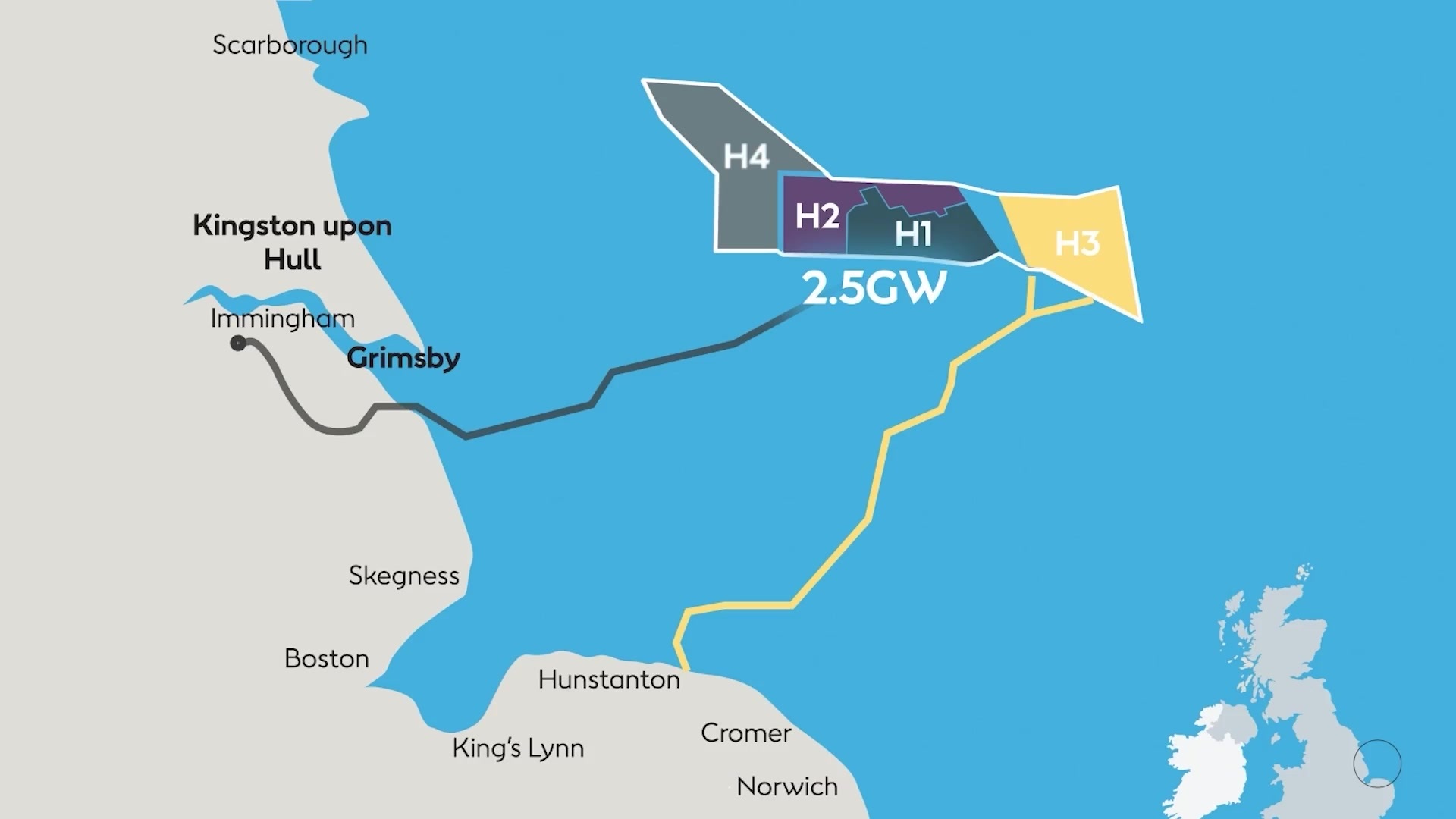
231 turbines of 260 meters at 160 km from the coast, monopiles weighing as much as nine blue whales embedded in the North Sea, and a crane ship taller than the Eiffel Tower: Hornsea 3 will be the largest offshore wind farm on the planet by 2027, and its first components have already arrived in England.

According to the director, Engie’s proposal portfolio reaches 2.2 GW, emphasizing the start of construction for the Assu Solar project (750 MW) in 2022 in Rio Grande do Norte. The ongoing pipeline until 2025 is 1 GW, using the tariff-wiring subsidy and aiming at hybrid plants, regulated by Aneel.
In the transmission sector, Guilherme assured Engie’s interest in competing for Lot 1, linked to the Gralha Azul project, and Lot 4, located near a generation unit.
Ferrari adds: “In the long term, there are 15 lots for next year’s auction, and we will study them, as well as a high voltage direct current (HVDC) systems project for 2023 that we should also participate in.”
Regarding opportunities for partnerships and acquisitions, the director made it clear that, as with the acquisition of the Novo Estado project, this type of procedure is becoming increasingly complex, considering that Aneel only approves asset transfers after the start of commercial operation, along with the high competition in recent auctions, compounded by commodity instability and rising interest rates.
“If they come to the market, it will be difficult to sell at competitive prices because the margin has been compromised by these external factors,” he comments.
Hydrogen Gas Transport in TAG Pipelines
Regarding the subsidiary’s future plans for the natural gas company to work with hydrogen transport, TAG’s CEO, Gustavo Labanca, stated that the carrier is already analyzing the various percentage limits that the recent energy vector could be associated with in the gas pipeline network, called blend.
Stating that much of the expertise of this new market opening to Brazil in the future comes from experiences of the European holding company, he emphasizes: “Up to 5% would not be a problem, 10% requires some additional investment, and as this rate increases, the operational risk rises.”
Without indicating possible deadlines, the executive declared that Brazil has a renewable energy generation capacity, such as wind and solar, much greater than demand and that this factor could accelerate the electrolysis of H2 and the projects that are starting to be implemented. “We are working and looking towards this decarbonized future and aiming to be more efficient in the transport of this and other gases in the future, such as biomethane and biogas,” he concludes.








Seja o primeiro a reagir!