





 Portuguese
  English
  Spanish
  3 min of reading


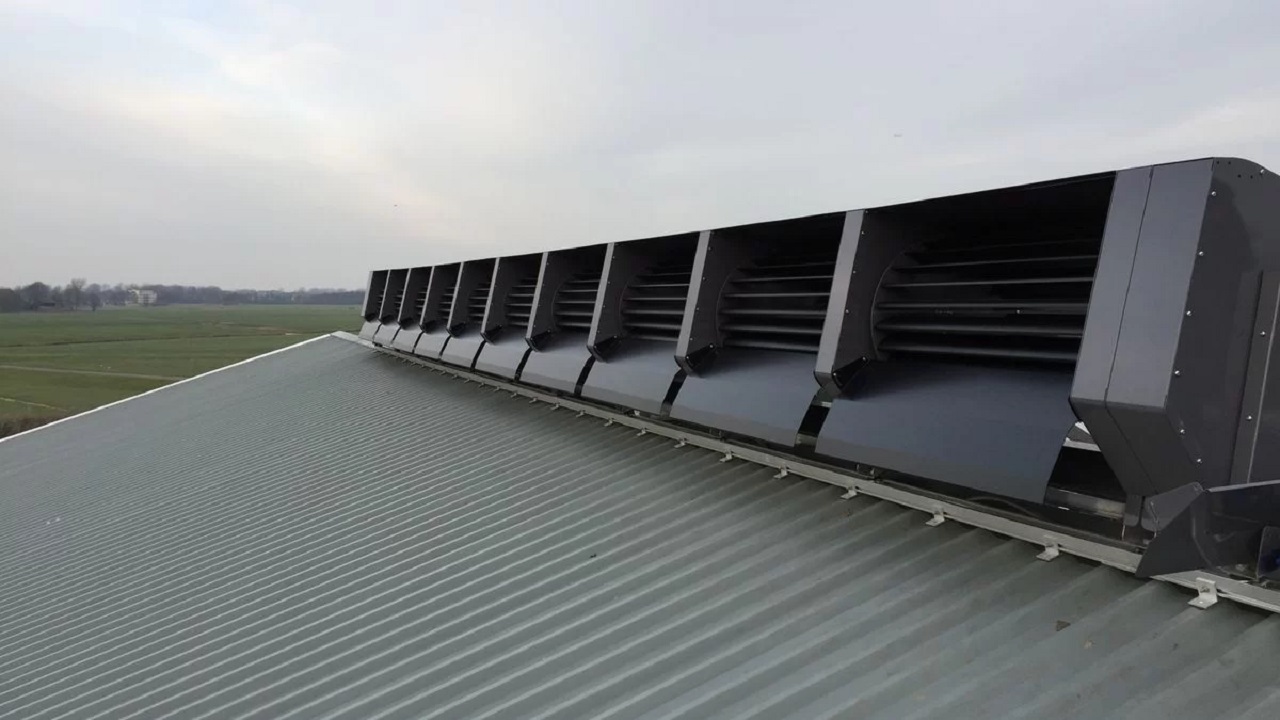
Canadian Company Develops Rooftop Wind Turbine Capable of Generating Renewable Energy Up to 9 Times More Powerful Compared to Common Wind Turbines.
When we think of wind turbines, we often imagine large wind generators located in big parks or even at sea. However, various designs of turbines come in smaller sizes, suitable for several scenarios, including urban areas or small rural properties. It was with this in mind that the Canadian company, Power Collective, developed a rooftop wind turbine called RidgeBlade, known for being both innovative and efficient.
Power Collective’s Rooftop Wind Turbine Can Be 3 Times Faster Than Traditional Models
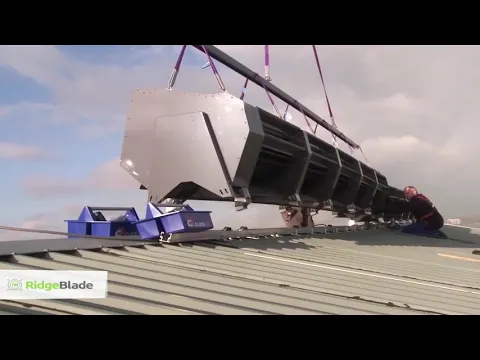

The company Power Collective created wind turbines that fit perfectly on top of residential and commercial roofs. This equipment, capable of generating renewable energy, often goes unnoticed by many, but efficiently harnesses wind energy to produce electricity.
-
The Brazilian state accelerates industrial competitiveness with a focus on the extraction of strategic minerals to boost the energy transition in Goiás.
-
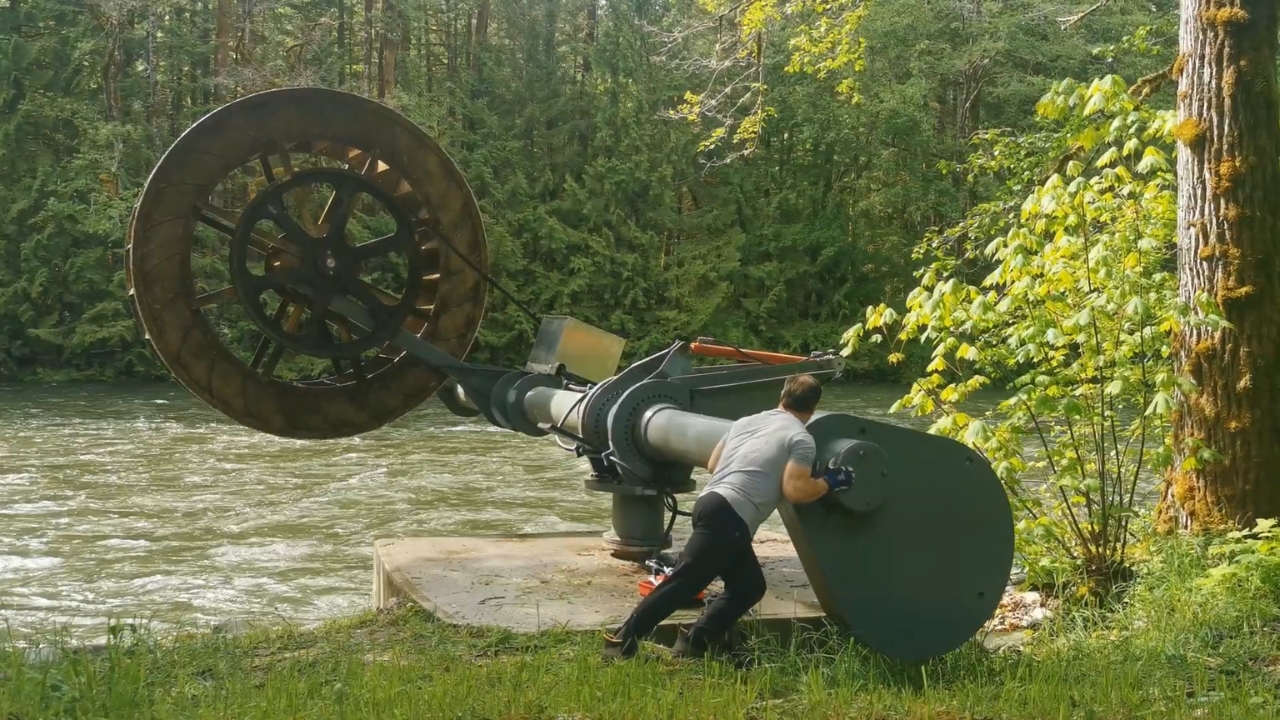
A Canadian retiree creates a hydroelectric system on a real river, generating energy continuously throughout the day and demonstrating how the power of water can supply a house with stability even in a simple structure.
-
Giant of the winds in Rio Grande do Norte: Serra do Tigre Wind Complex receives new investments and accelerates the expansion of clean energy generation to supply millions of Brazilian homes.
-
Petrobras reaffirms its commitment to the market and ensures that it will carry out the energy transition safely to maintain national sovereignty.

The sloped surface of roofs is highly utilized by the technology to direct and concentrate the wind. After flowing over the roof’s surface, it creates a point of compression at the top of the roof, boosting the airflow through the turbine.

The wind speed as it returns from the ridge of the roof is often more than three times the actual ambient wind speed, making it an excellent location for energy production through wind turbines.
Rooftop Wind Turbine Has Up to 9 Times More Power
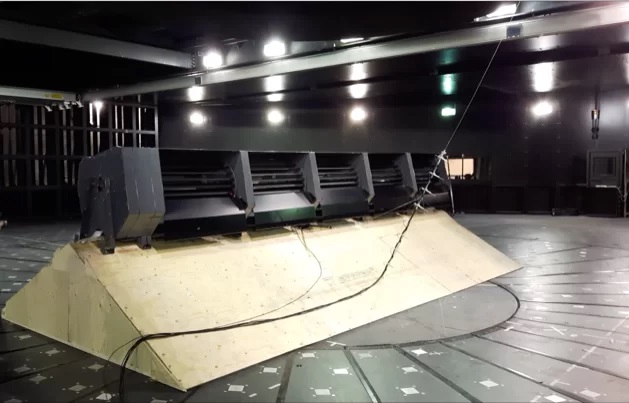
If these wind turbines are placed in a high-flow area, it means they have up to nine times more power compared to a HAWT system, which are horizontal axis wind turbines.
The design of the rooftop wind turbine allows for consistent renewable energy generation, even in unstable wind conditions. The blades were developed to minimize operational noise, and the equipment is designed to self-limit the rotation speed.
The rooftop wind turbine features a specific design that allows it to be installed with minimal visual impact. According to the company responsible for the project, the equipment can be installed in various locations, including urban residences and environmentally sensitive areas like national parks and rural areas.
The Wind Energy Market Is One of the Fastest Advancing in Innovation
An American startup called Halcium, based in Salt Lake City, has a project that could change the global renewable energy market. It is a portable bladeless mini wind turbine named PowerPod.
The project was designed to operate in urban environments and, according to its developers, it is the most powerful and safe wind turbine in history, promising to be much cheaper than solar panels.
The portable wind energy turbine has a very low cost, potentially lower than solar energy generation, with higher efficiency when used in areas with fewer than 300 sunny days per year, according to the developers. The technology has the capacity to generate 1KW, which is 3 times more electricity than a common wind turbine. The extra power is due to an advanced blade system on the Chainstay, which increases wind speed by 40%.
The startup claims that with the new technology, the goal was to develop a device that perfectly fits urban spaces, which can be installed on rooftops, on top of buildings, walls, in motor homes, or on any safe surface for energy generation.
The airflow is collected from outside the casing and then concentrated into a circular blade that is fully contained within the equipment. Due to its shape, the outer shell can capture wind from any direction or from air currents coming from multiple directions at once, potentially posing a risk for the operation of common wind turbines.










-

Uma pessoa reagiu a isso.