Portuguese
  Spanish


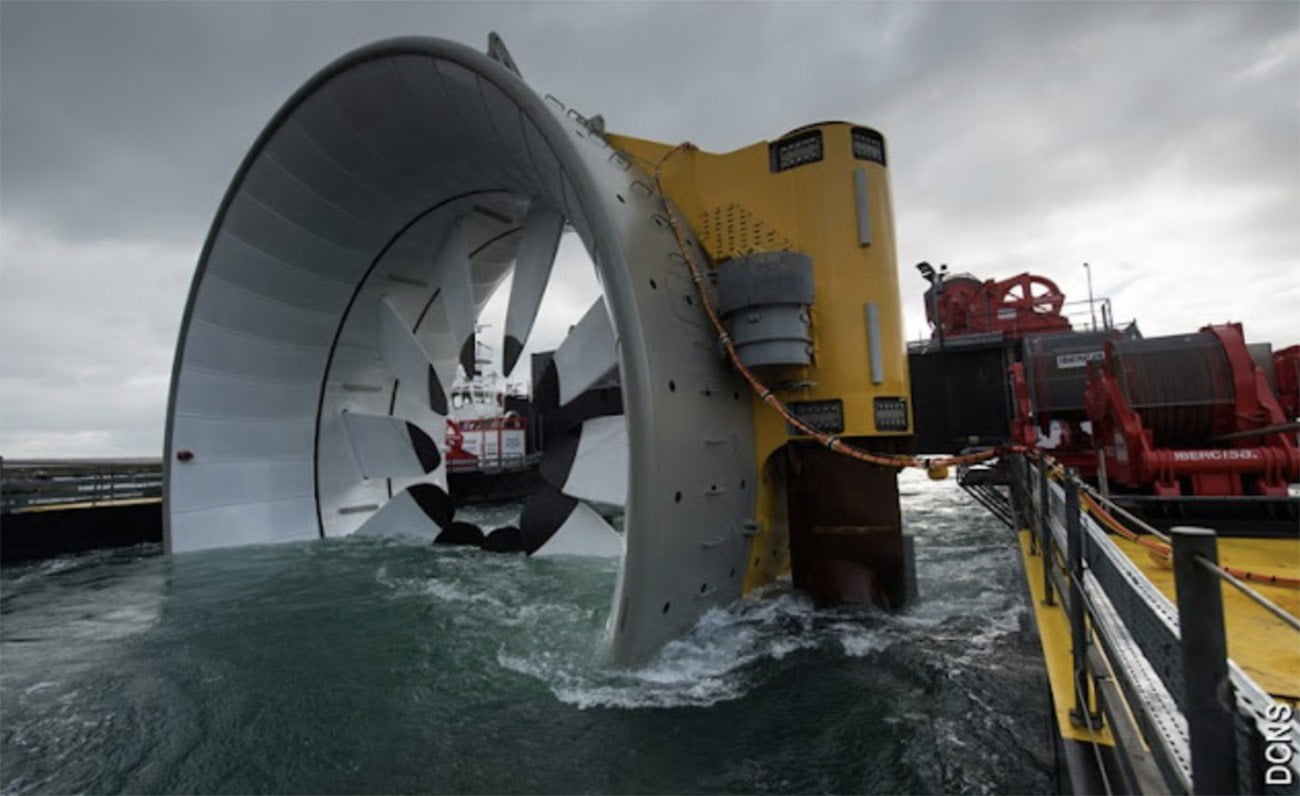

Companies and Scientists Are Developing Renewable Energy Projects That Could Be Up to 10 Times More Powerful Than Solar and Wind Energy. Discover the Energy of the Seas.
Renewable energy sources are one of the best ways to produce electricity; however, there is one major obstacle faced by sources like solar and wind energy, which is intermittency. Renewable energy cannot be produced whenever needed, as, for example, solar energy cannot be generated at night. However, a method has been discovered to produce sustainable energy without intermittency: The energy of the seas, which is exciting many companies and industry experts, considering it can be up to 10X more powerful than solar energy.
Wind Energy and Solar Energy May Become Outdated
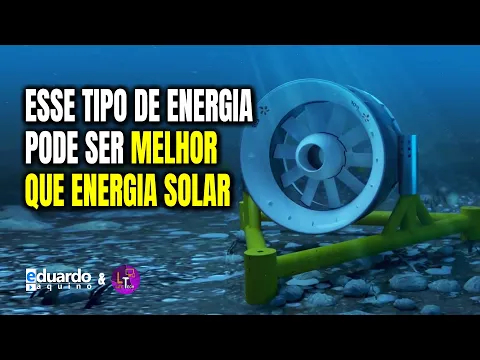

Solar and wind energy are excellent ways to generate renewable energy, being relatively cheap and not causing pollution, unlike power plants that run on fossil fuels, which emit CO2 into the atmosphere. Solar and wind energy would not run out in less than a billion years; however, the renewable energy from these sources has several disadvantages, as it can be affected by daily environmental cycles that may reduce their efficiency, considering these sources cannot always generate energy during the day.
Having these obstacles, companies are investing in the energy of the seas, which is a renewable energy that causes no harm to the environment and can be utilized 24/7, solving the problem of intermittency.
-
Engie Secures 10-Year Use of 625 MWh in Batteries to Store Excess Solar and Wind Energy in Spain by 2028

-
Giant Batteries Take Center Stage in Chile Auction as Company Offers 960 GWh of Solar Energy for Nighttime Use, Aiming to Stabilize Solar Power Supply
-
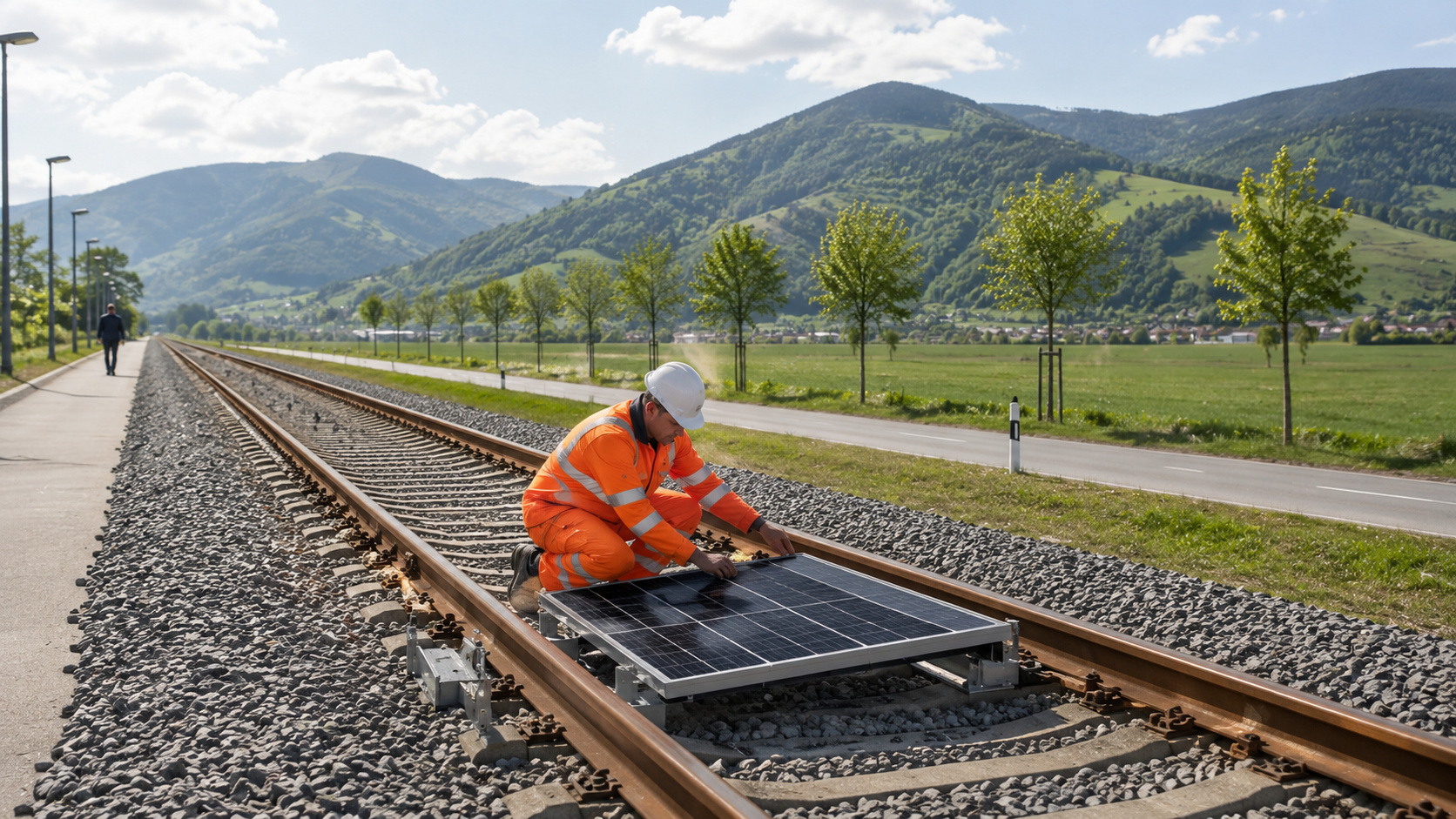
After a Year of Success in Switzerland, Solar Railway Attracts Italy’s Interest for Clean Energy Transformation
-
Robots Clean Solar Panels in Desert Power Plants Without Water, Preventing Energy Losses

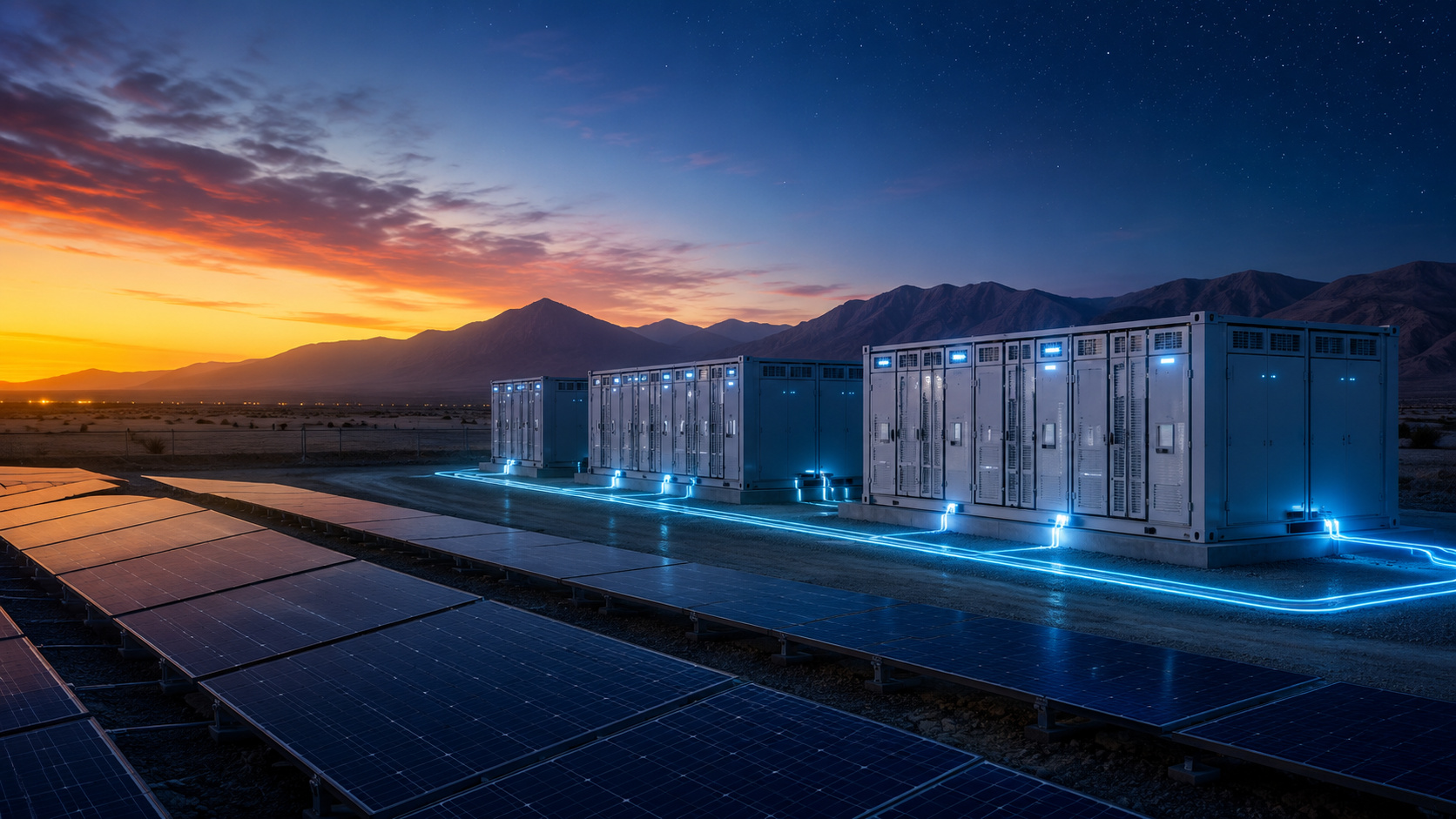

The energy of the seas is generated by the waves of ocean waters during the rise and fall of the tide. Some lakes and rivers can also have these tides. Engineers of this technology harness the phenomenon generated by the moon over the earth’s waters, and the main trick is through kinetic energy generated by the rise and fall of the tides, transformed into electricity.
Types of Tidal Energy Projects
The greater the tidal range or the height difference of the sea between high and low tide, the higher the renewable energy generation.
To develop a functional tidal energy project, engineers can choose between three types, the first being through a tidal turbine, which is very simple and quite similar to wind turbines. These are placed beneath the water’s surface so that the current pushes the blades, potentially generating much more renewable energy than solar or wind power plants.
The second type of project is tidal barrages, built in bays or estuaries, similar to hydropower dams, as they use sluices to form a reservoir on one side of the barrage.
Finally, the last type of project is tidal fences, which works as a combination of the first two projects, with vertical curve styles in their blades that feature a fence to concentrate water.
Suitable Locations for Tidal Energy Projects
The fact is that, although water covers two-thirds of the planet’s surface, not all locations are suitable for this type of project.
Locations must meet specific requirements for the projects to be viable. Tsunamis and tornadoes should also be avoided, as they can be destructive to the projects.
Additionally, the project to generate renewable energy from waves should not obstruct the passage of ships and cargo vessels, as it could affect the economy of the region where it is installed.