





 Portuguese
  English
  Spanish
 4 min of reading
  0 comments


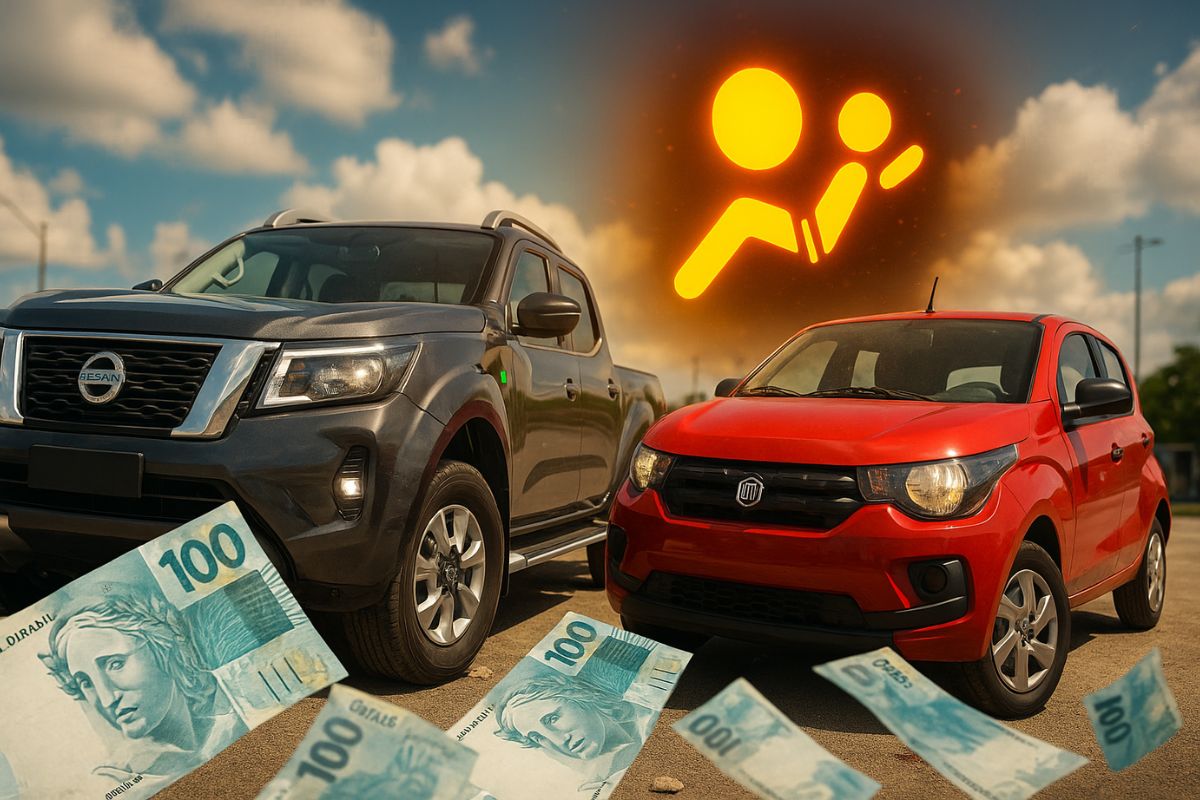
Jundiaí Customer Claims to Have Received the Frontier Zero Km with the Airbag Light Already On, Went More than 100 Days Without the Car, and Today Seeks Refund Supported by the Consumer Defense Code While Driving a Loaned MOBI and Sees His Trust in the Brand Eroding.
The case of Gilmar, a resident of Jundiaí (SP), exposes the fragility of the relationship between consumer and manufacturer in Brazil. After purchasing a Frontier Zero Km, he discovered that the vehicle had an airbag defect since delivery. The problem has dragged on for more than 100 days without a definitive solution, and the car remains held at the dealership.
In light of the delay, the safety risk, and the loss of trust, the customer began to drive a loaned MOBI from the dealership. Today, backed by Article 18 of the Consumer Defense Code, he is requesting a full refund of the amount paid. The case has been monitored by Celso Russomanno and brings to the fore discussions about responsibility, transparency, and respect for consumers.
The Beginning of Disappointment with the Frontier
The purchase occurred in February 2025. Gilmar paid a down payment of R$ 3,736.80 and financed the rest in 12 installments, believing that the contract would be interest-free.
-
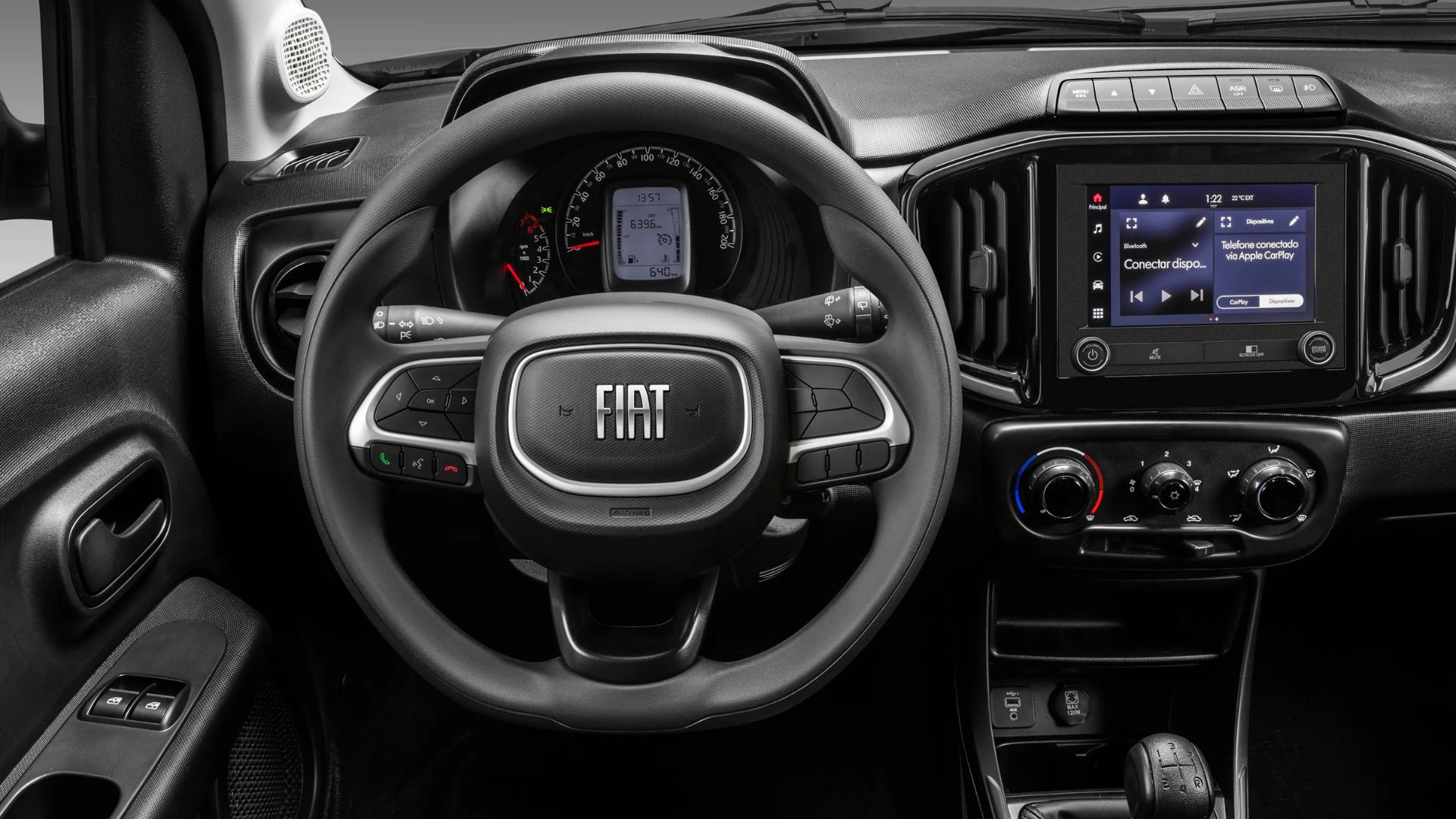
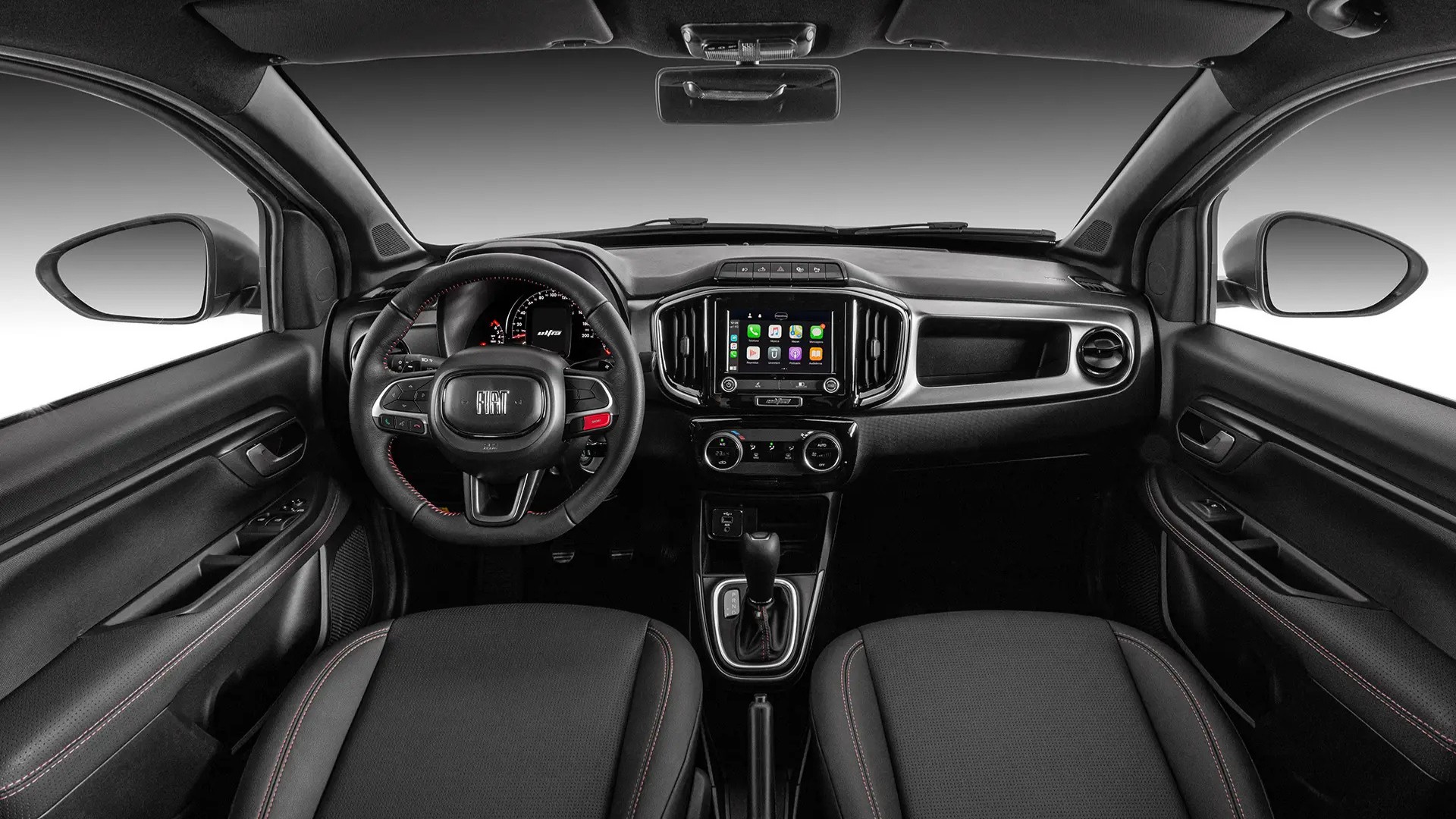
With a 1.0 engine producing 75 hp and costing less than R$ 70,000, Fiat’s car returns to the podium as the cheapest in the country; a temporary promotion for the 2026 Like version reduces the price of the Fiat Mobi.
-
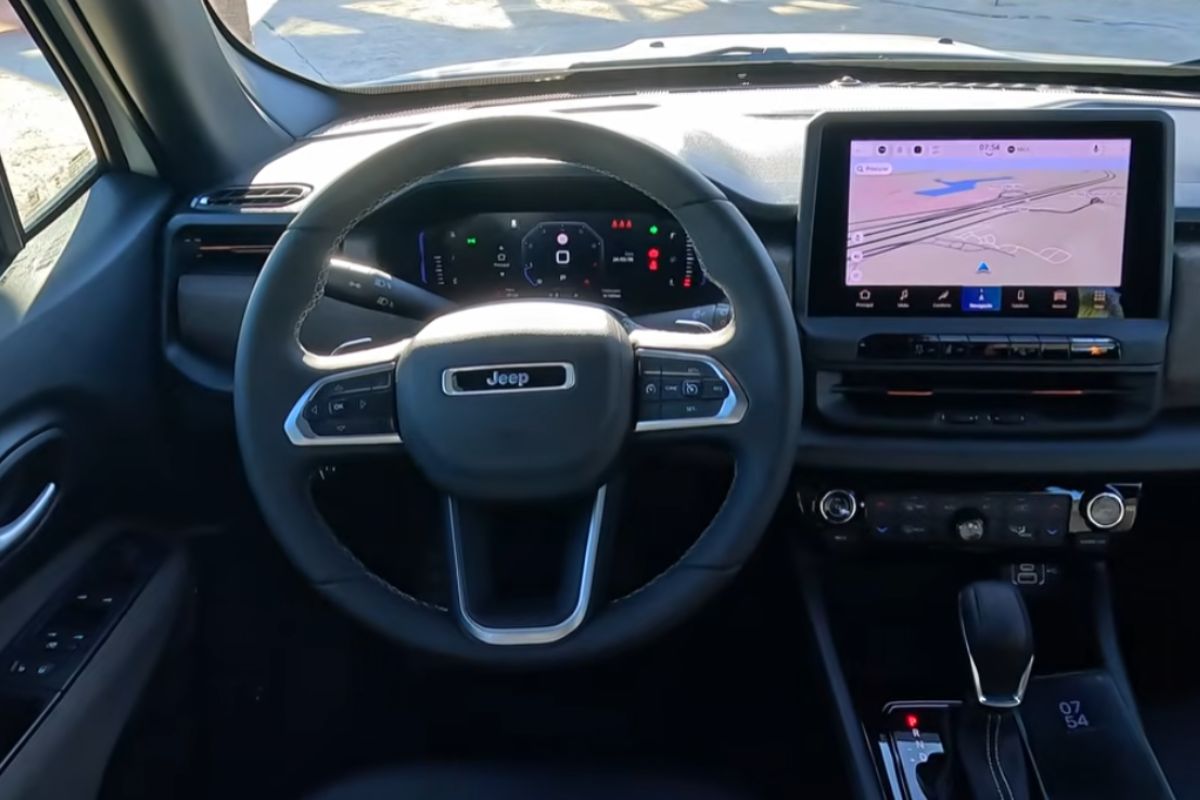
With a mild hybrid system of 48 V, 176 hp and a price of R$ 175,990 in the Sahara version, the new Jeep Renegade changes mostly on the inside, improves slightly in fuel consumption, and remains almost the same car.
-
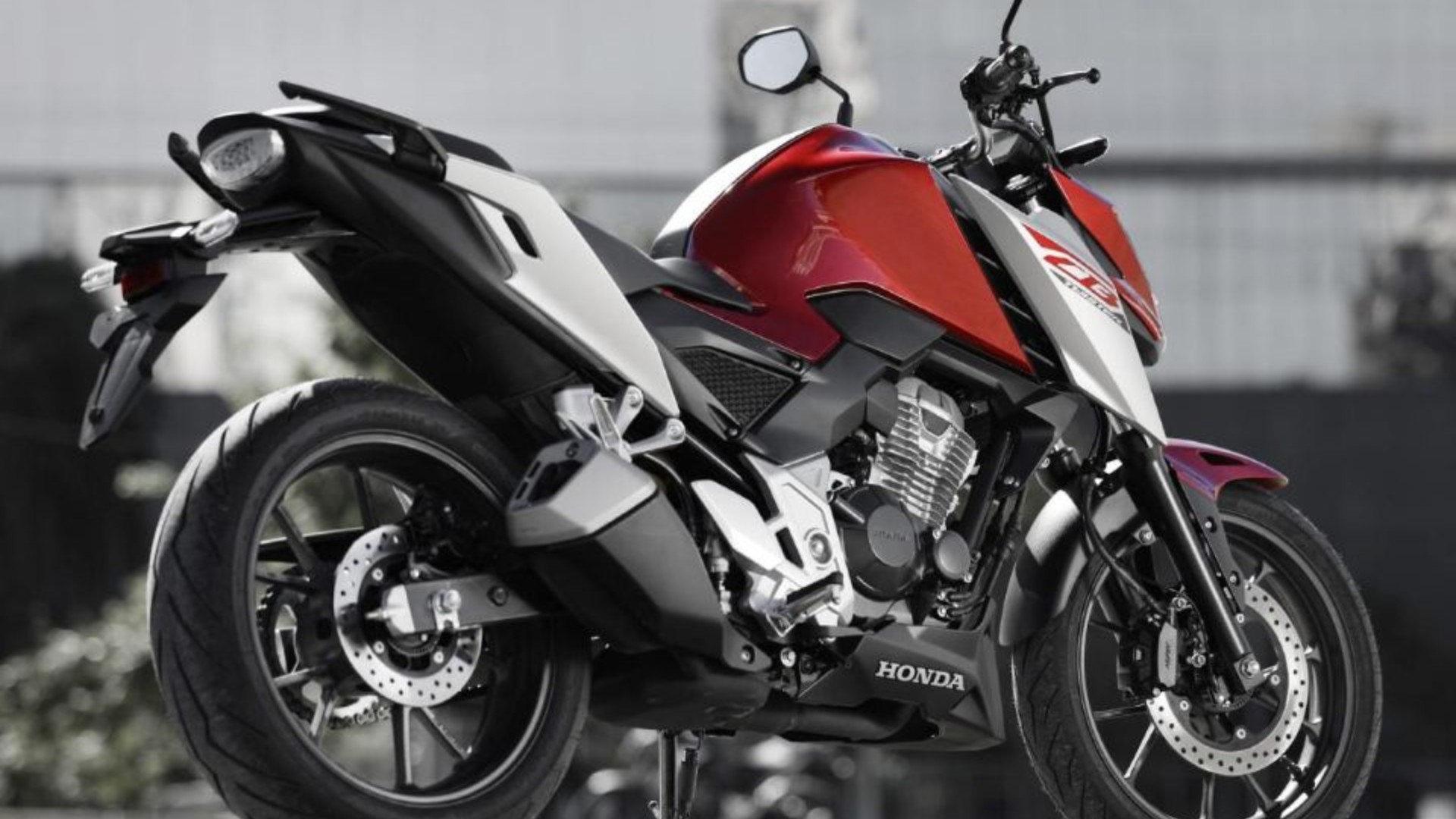
With a 293.5 cm³ engine and a range of up to 400 km with a 14.1-liter tank, the Honda CB 300F Twister 2026 has up to 24.7 hp, an initial price of R$ 25,150, and already exceeds R$ 29,000 in the Fipe Table.
-
With a 1.3 engine, nearly 700 km of range, and Turbo 200, the Fiat model surpasses Polo, Tera HB20, and Onix, becoming the best-selling car in March; see the numbers for the Fiat Strada and others.

He soon realized that the final amount exceeded R$ 60,000, revealing additional charges.
To make matters worse, days after the purchase, the dealership launched a promotion with a discount of R$ 10,000, leaving the customer even more dissatisfied.
On the delivery date, the Frontier already had the airbag light on. When questioned, the consultant claimed that “it was normal.”
Later, the customer discovered that the defect compromised the vehicle’s safety system, making its use risky.
More Than 100 Days Without a Solution and a Loaned Car
Even after several trips to the dealership and repair attempts, the problem was never resolved. The vehicle was left at the workshop in June and remains idle to this day.
During this period, Gilmar received a manual MOBI as a substitute — a striking contrast for someone who had purchased a pick-up truck costing nearly R$ 250,000 with all accessories.
The loaned car, besides not meeting the acquired standard, was only available with weekly renewals.
There were even questions as to whether the consumer was a person with disabilities to justify the refusal of an automatic vehicle as a substitute.
The Consumer Defense Code and Article 18
After unsuccessful attempts to reach an agreement with the dealership and Nissan, Gilmar turned to Procon and began to demand the return of his money.
The request is supported by Article 18 of the Consumer Defense Code, which guarantees the customer the right to request a refund or replacement if the defect is not resolved within 30 days.
Celso Russomanno emphasized that, given the safety failure and the delay in repair, the consumer is not obliged to keep a defective vehicle.
The case reinforces the need for knowledge of the law so that customers can defend themselves in similar situations.
Responsibility of the Dealership and the Manufacturer
Although the dealership claims to be not directly responsible, the Consumer Code also provides for the liability of the retailer when the manufacturer fails to provide a solution.
The lack of an official response and the delay in delivering parts reveal serious flaws in after-sales service.
Russomanno questioned Nissan’s stance in Brazil, recalling that Japanese manufacturers traditionally value reliability.
In his view, the conduct recorded in Jundiaí needs to be explained even to the Japanese headquarters.
The Impact of the Experience on the Consumer
In addition to financial losses, Gilmar reports emotional wear and total loss of trust in the brand.
The episode, widely publicized by the Consumer Patrol, serves as a warning for those investing in high-value vehicles and expecting quality and transparency in service.
By paying almost R$ 250,000 for a Frontier, the consumer did not expect to spend months driving a loaned economy car without assurance of a solution.
The situation raises questions about the seriousness with which manufacturers treat their customers in Brazil.
Gilmar’s story shows that, even in cases of new and high-value vehicles, consumers can be left on the sidelines.
The Consumer Defense Code guarantees clear rights, but they must be invoked to avoid being at the mercy of bureaucracy.
And you, have you ever gone through something similar when buying a new car? Do you think Nissan should refund the money immediately? Share your experience in the comments — your voice can help pressure for more respect for consumers.








-

-

3 pessoas reagiram a isso.