





 Portuguese
  English
  Spanish
  4 min of reading
  0 comments



With 15 Auctions Planned, The Ministry of Transport’s Program, Aligned With The New PAC, Promises To Modernize The Road Network, Generate 1.6 Million Jobs, And Transform The Country’s Logistics.
According to the schedule released by the Ministry of Transport, Brazil is about to begin the largest cycle of highway concessions in Brazil in 2025 in its history. Aligned with the New Growth Acceleration Program (New PAC), the plan, led by Minister Renan Filho, aims to attract R$ 161 billion in investments to modernize and expand approximately 8,449 kilometers of federal and state highways, representing a milestone for national infrastructure.
The initiative seeks not only to recover worn-out sections but also to incorporate advanced technologies to improve safety and logistical efficiency. With auctions planned for all five regions of the country, the highway concessions program in Brazil in 2025 has the potential to reduce transport costs, generate jobs, and boost development in strategic sectors such as agribusiness and tourism, redefining the future of the Brazilian road network.
The Numbers of The Largest Concession Cycle in History
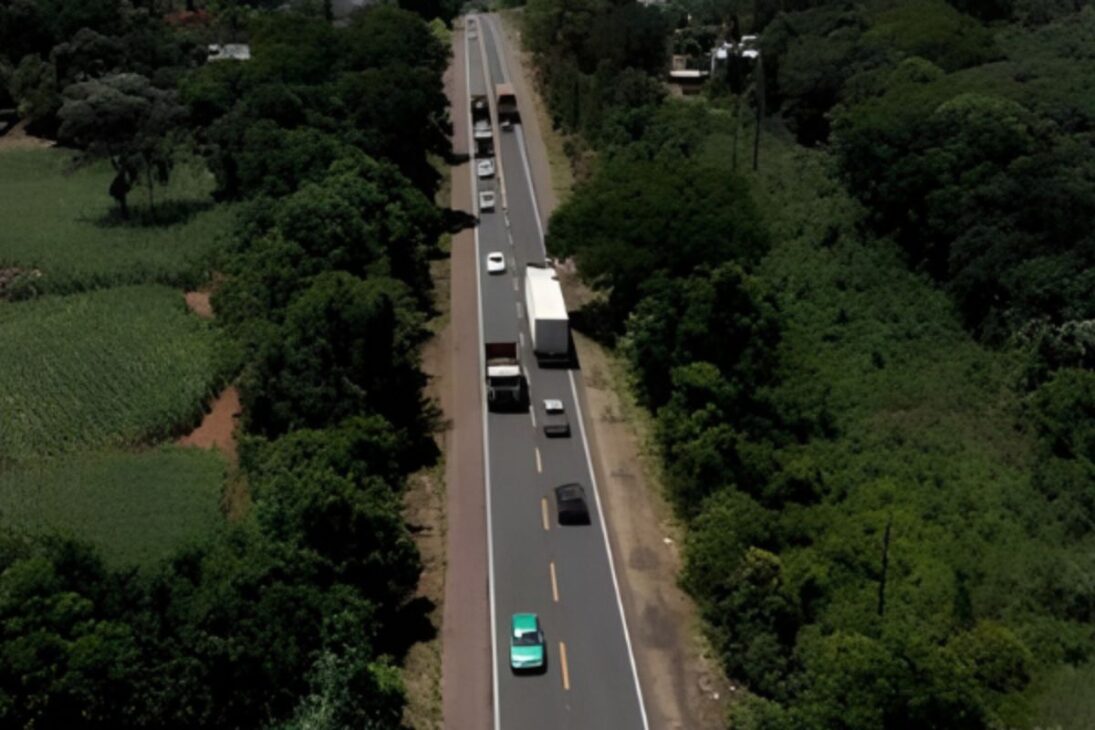
The program for 2025 is ambitious and greatly surpasses previous years. While 9 auctions totaling R$ 108.3 billion in investments were conducted between 2023 and 2024, the plan for the next year forecasts 15 new auctions. The total investment of R$ 161 billion will be divided into R$ 93 billion in Capex (investment in works such as duplications and new lanes) and R$ 68 billion in Opex (operating and maintenance costs over the contract).
-
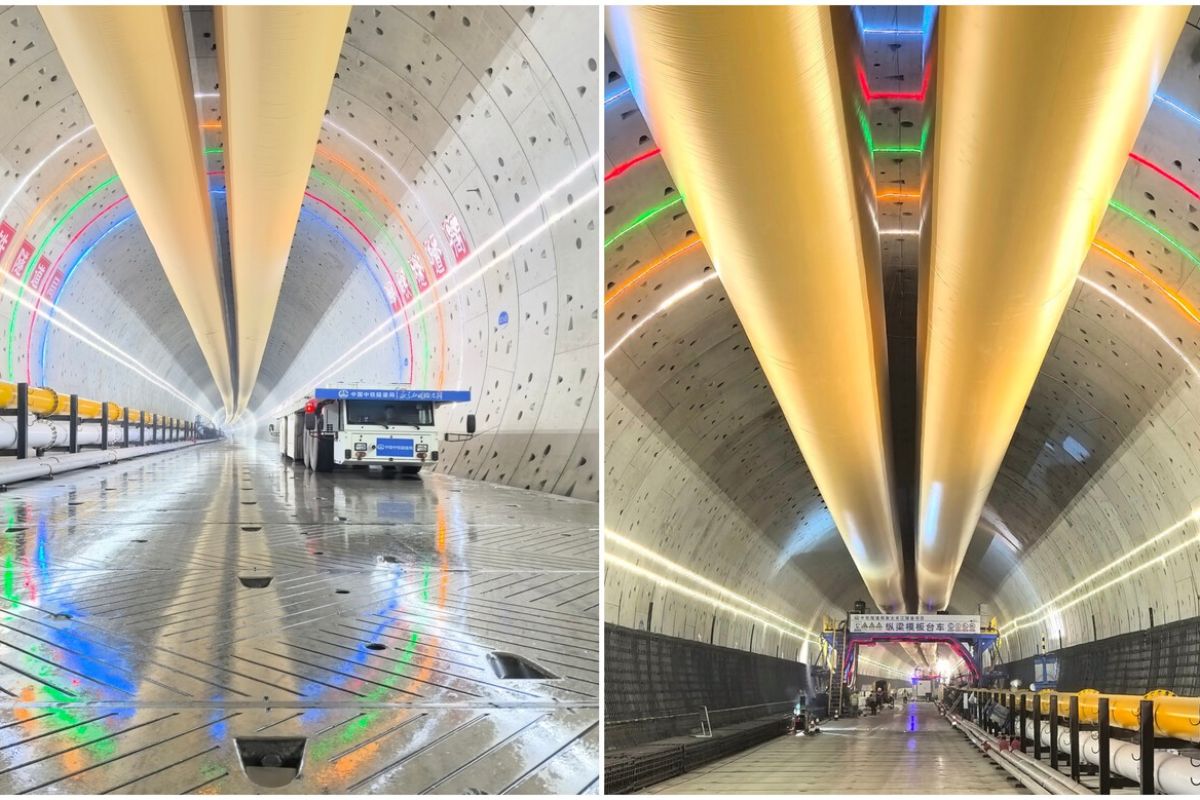
China completes the most critical section under the Yangtze River with the intelligent tunneling machine Linghang, excavating 11.32 continuous kilometers at depths of up to 89 meters and transforming the Chongming-Taicang tunnel into a landmark that redefines the scale of high-speed rail engineering in the 21st century.
-
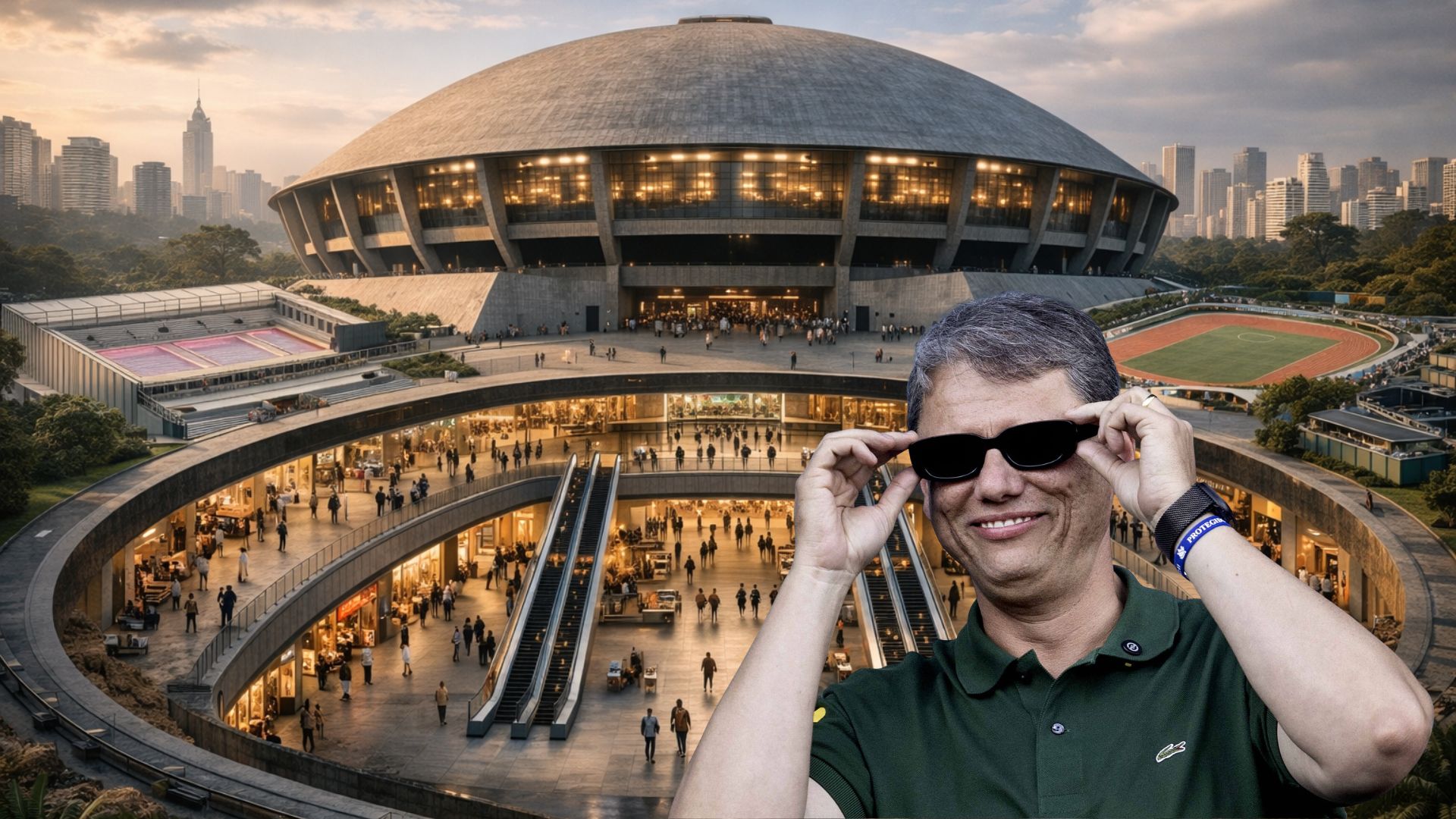
The government of São Paulo surprises South America with a plan to transform the famous Ibirapuera with underground shops, air conditioning, and a 25-year concession in a billion-dollar project that expands the audience, alters a protected area, and provokes an immediate reaction.
-
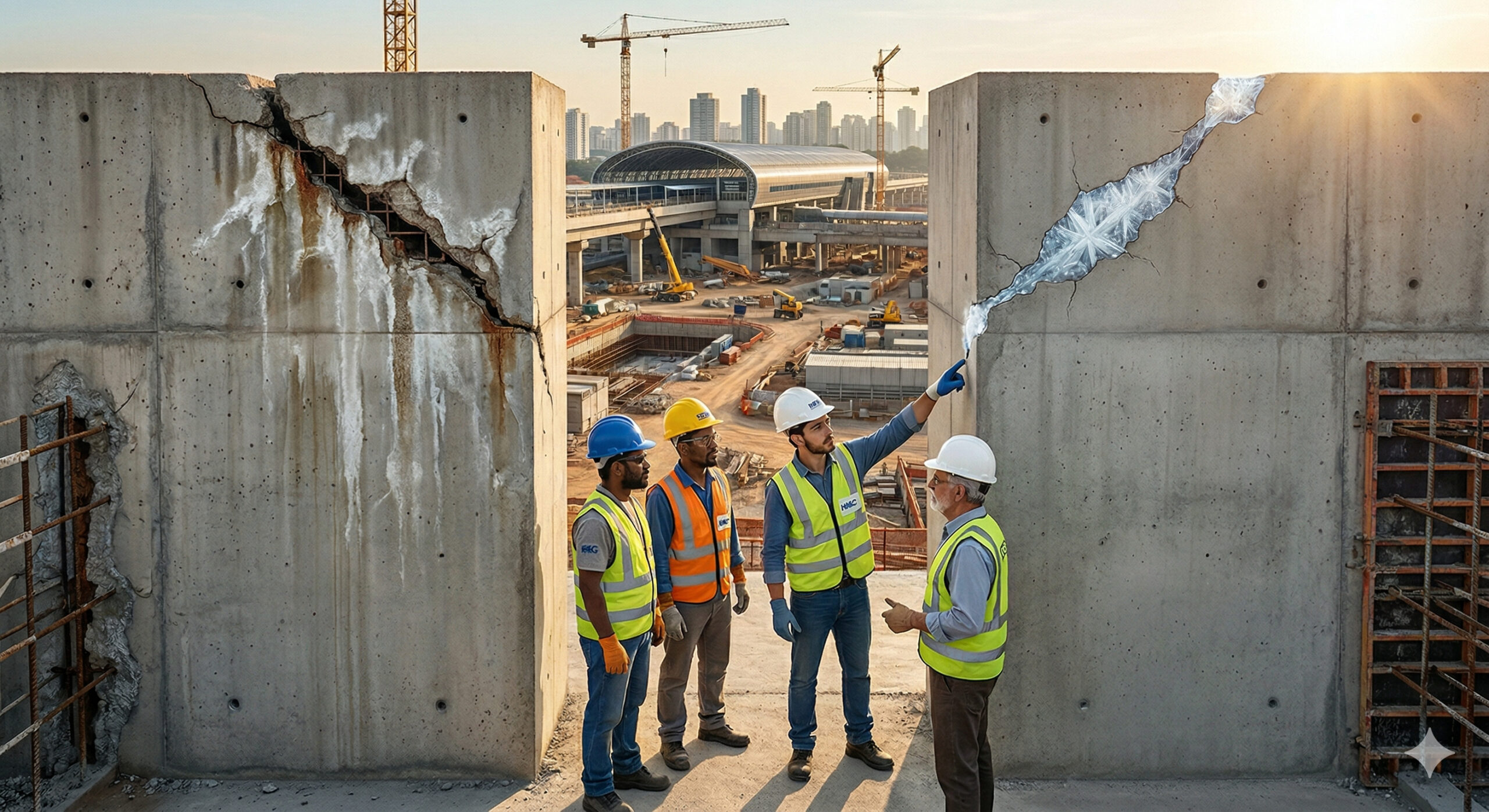
With a lifespan of up to 60 years and a cost up to 30% higher than conventional concrete, self-healing concrete is already being used in Brazil to eliminate leaks, reduce maintenance, and is changing the real cost of construction projects.
-
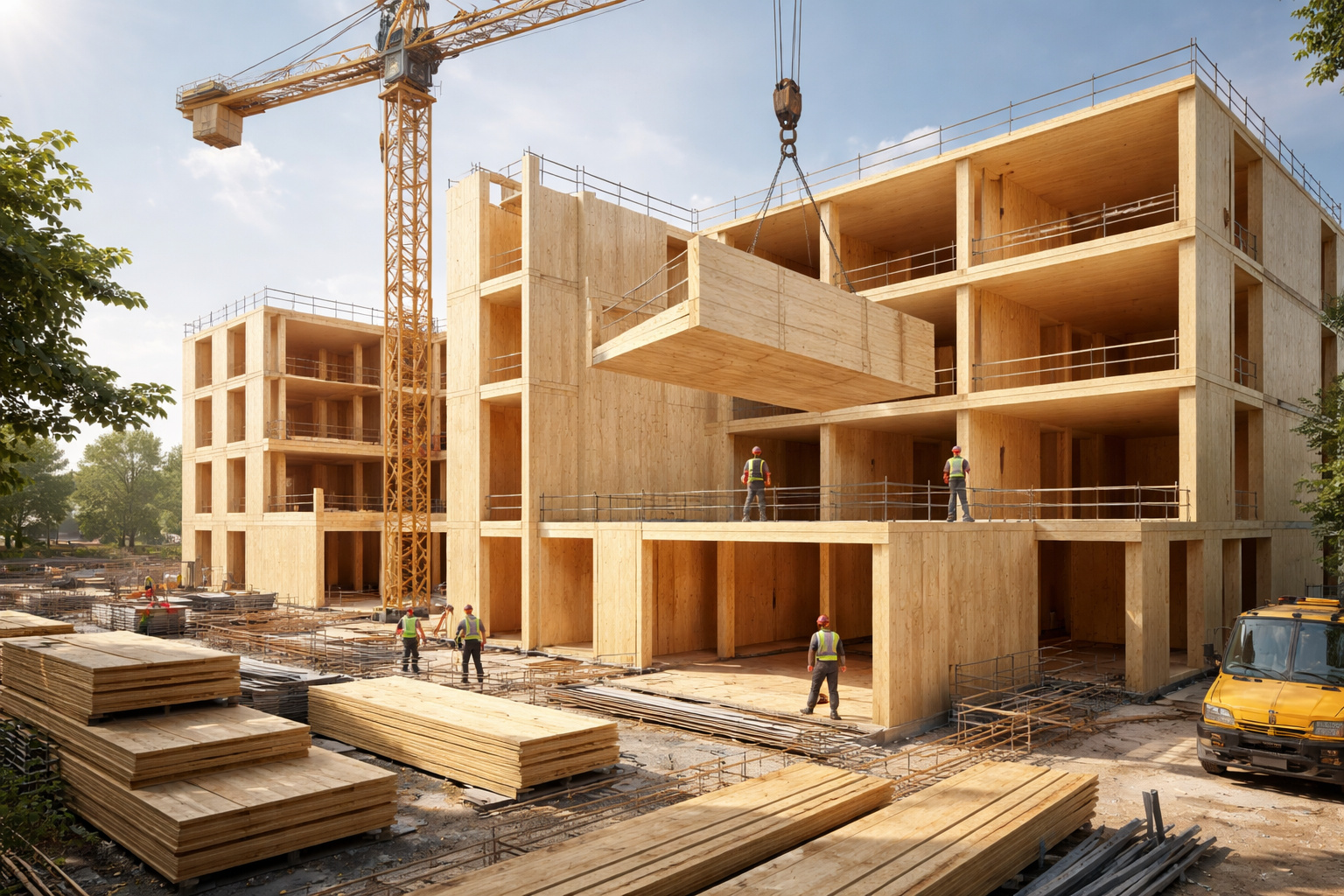
Engineered wood CLT challenges steel and concrete and promises construction that is up to 2x faster with a lower environmental impact in modern civil engineering.

Studies from the National Bank for Economic and Social Development (BNDES) and the National Land Transportation Agency (ANTT) support the program. Projections indicate the need to duplicate 1,783 km of highways and build 2,410 km of additional lanes. A BNDES report from February 2025 projects that these investments could generate up to 1.6 million direct and indirect jobs by 2026.
The Auction Schedule: Which Highways Will Be Granted In 2025?
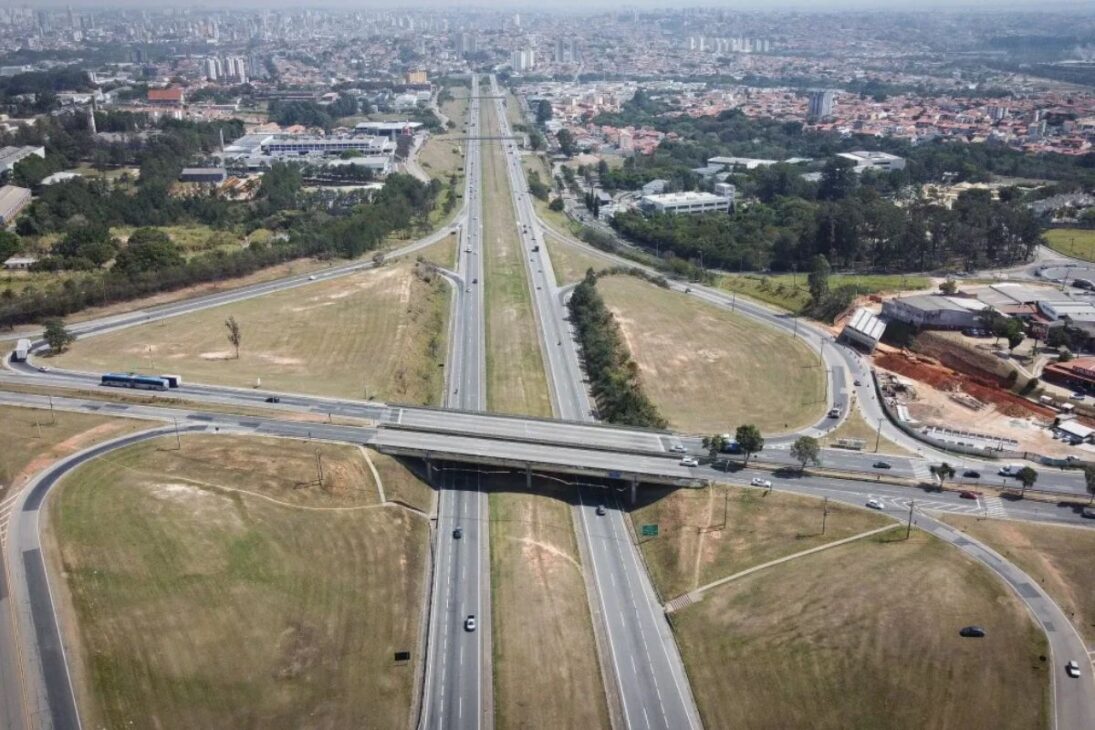
The 15 auctions are scheduled throughout the year, with bids already being analyzed by ANTT and the Federal Court of Accounts (TCU). The schedule covers crucial routes for agribusiness to sections with high tourist importance and international connections.
Check out the main projects planned for 2025:
| Project/Auction | Estimated Date | Main Sections | Length (km) | Investments (R$ billion) |
| Agricultural Route North (BR-364/RO) | February 27 | Porto Velho to Vilhena (RO) | 554 | 8.5 |
| BR-040/MG-RJ | April 30 | Juiz de Fora (MG) to Rio de Janeiro (RJ) | 328 | 5.0 |
| Batch 4 – Paraná Highways | October 23 | BR-272/369/376 and state highways | 628 | 15.0 |
| BR-381/MG-ES (“Highway of Death”) | August | Belo Horizonte to Gov. Valadares (MG) | 303 | 9.0 |
| BR-040/DF-GO-MG (Concebra) | September | Brasília (DF) to Juiz de Fora (MG) | 1,100 | 20.0 |
| BR-163/MT-PA | November | Sinop (MT) to Miritituba (PA) | 970 | 20.0 |
Who Are The Investors And Companies In The Dispute?
The highway concessions program in Brazil in 2025 has attracted the interest of major players in the infrastructure sector. Companies such as CCR, Ecorodovias, and Arteris are key participants in the auctions. CCR, for example, has already won lots in Paraná and plans to invest R$ 5.7 billion in its concessions in 2025.
To diversify the market, the government has been conducting international roadshows to attract new investors, such as sovereign funds from Asia and Europe. The strategy has shown results: in the last 10 auctions, eight different groups participated, demonstrating an increase in competitiveness.
Technology And Sustainability As Pillars Of The New Model
The new highway concessions in Brazil in 2025 bring a strong component of innovation and sustainability. The contracts foresee the implementation of technologies such as artificial intelligence for accident detection, monitoring cameras, and electronic tolls of the free flow type (without barriers).
Sustainability is also a pillar. The new contracts require that at least 1% of the gross revenue of concessionaires be allocated to environmental actions, such as wildlife conservation and the use of renewable energy. Additionally, there is an incentive for using more sustainable materials, such as ecological asphalt.
The Direct Impact For Brazilians: Jobs, Rates, And Safety
The largest cycle of highway concessions in Brazil in 2025 promises to generate direct impacts on the lives of the population. The generation of 1.6 million jobs is one of the main expectations. Furthermore, the New Granting Policy of the Ministry of Transport has adjusted the contracts to allow for lower toll rates, with reductions of up to 70% in some sections.
Road safety is another priority. The duplication of critical sections, such as BR-381/MG, known as the “Highway of Death,” aims to reduce the high number of accidents. With more investments and more efficient management, the expectation is that Brazil will transform its road network into a true “construction site,” as highlighted by the Valor Econômico newspaper, improving the lives of millions of people.
Do you believe that the concession model is the best path for Brazil’s infrastructure? Leave your opinion in the comments.







Seja o primeiro a reagir!