





 Portuguese
  English
  Spanish
 4 min of reading


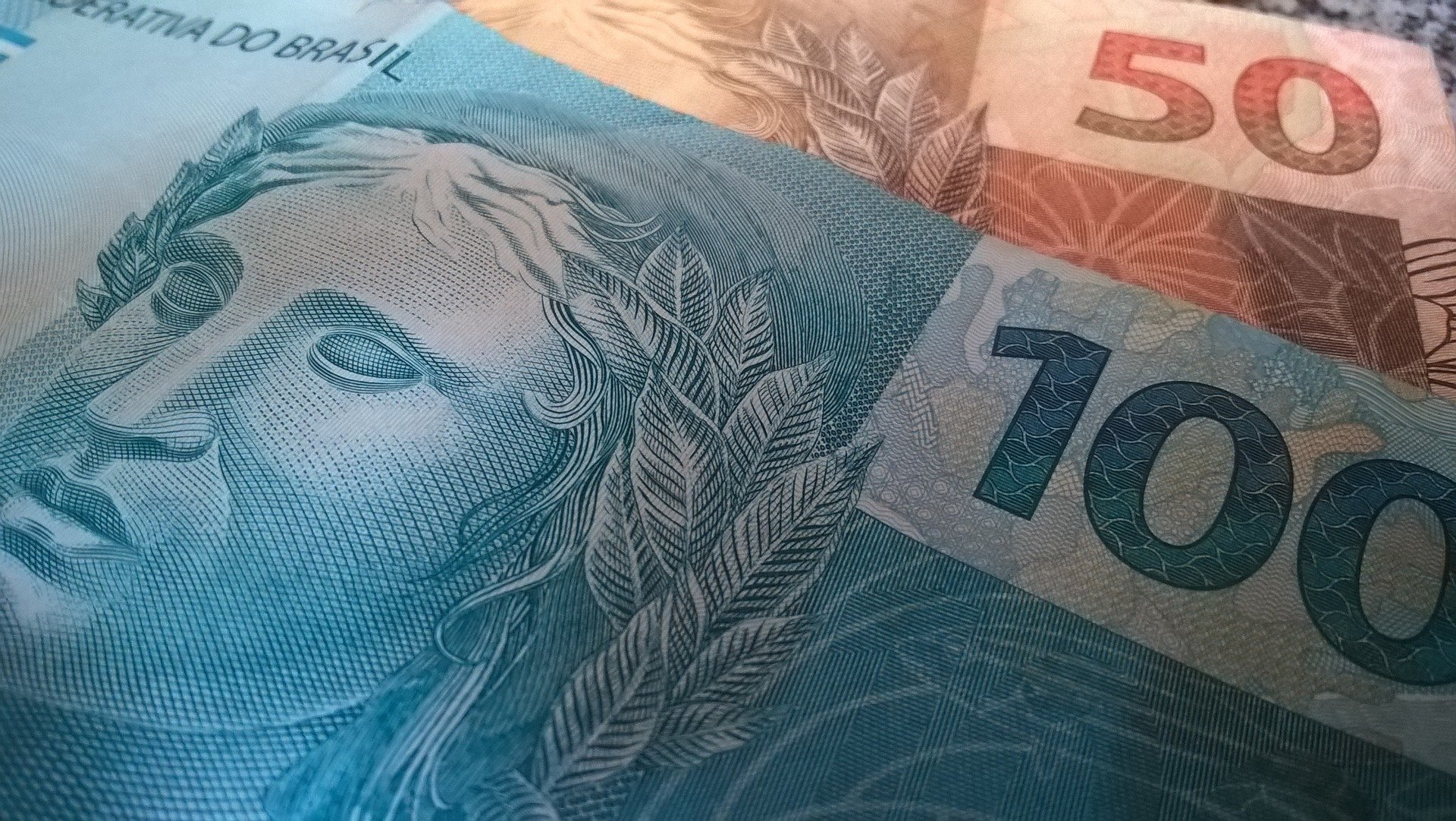
The Fertilizer And Commodity Sectors Are Likely To Be The Most Affected
April 2022 – Since February 24, when Russian troops launched a large-scale invasion of Ukraine, the global economy has been on alert – even before its recovery from the Covid-19 pandemic. The conflict, which can already be considered the most serious in Europe since 1945, brings serious fluctuations to the price of a barrel of oil and natural gas.
In Brazil, in addition to fossil fuel prices, the impacts are expected to hit two other main pillars of the economy: the exchange rate, with the depreciation of the real; and the food sector, which is also pressured by the oil crisis. Helmuth Hofstatter, founder of the foreign trade startup Logcomex, comments on Russia’s importance in the area. “When we talk about foreign trade, Russia is undoubtedly one of Brazil’s main trading partners over the past few years. Just last year, the country ranked tenth among those that conducted the most business with Brazil,” he explains.
Experts explain the collateral effects that the conflict between the two nations may cause on the Brazilian economy.
-
The government requests the Federal Revenue Service for a new system to automate the income tax declaration, reducing errors, time, and bureaucracy for millions of Brazilians.

-
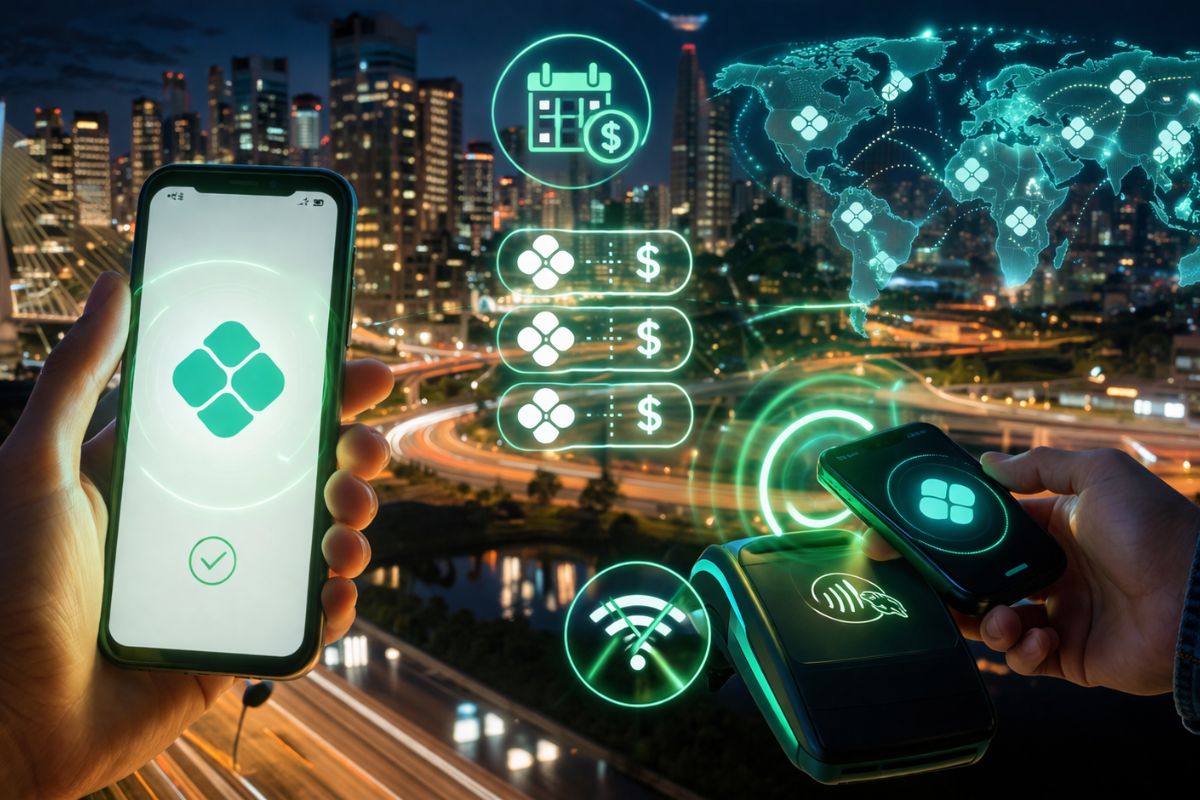
Pix in installments, international Pix, and contactless payment without internet: the Central Bank revealed the new features coming to the tool that is already used by almost every adult in Brazil.
-
Mercado Livre has just started selling medications with delivery in up to three hours to your door, and this move could completely change the way Brazilians buy medicines on a daily basis.

-
In Dubai, rising tensions from the war in the Middle East are causing super-rich individuals to leave the Gulf and direct their fortunes to a new financial refuge in Asia.

Drop in Fertilizer Production
Among the main products imported from Russia are inputs for fertilizer production. According to Helmuth, this is a cause for concern. “The Russians import potassium chloride, ammonia, and urea, which are important components for fertilizer production. Thus, if the conflict leads to a reduction in the supply of these inputs, the agribusiness sector may suffer as a result.” He further adds that, in light of the difficulties, the market will seek alternatives to keep operations running. “One of the effects of the confrontation between Russia and Ukraine may be on the global supply of sunflower oil. The Black Sea accounts for 75% of the product’s exports. This may stimulate the consumption of other vegetable oils, such as palm oil and soybean oil, which are being sold at a record price of US$1,700 per ton in India.”
Commodities
For the head of Treasury at Travelex Bank, Marcos Weigt, in this scenario with global impacts, the situation in Brazil has a positive counterpoint due to Brazilian commodities. With the conflict, prices for items are rising significantly, especially soybeans, corn, wheat, and oil. “As a major exporter, Brazil benefits from this movement since global investors view Brazilian assets as an inflation hedge. Additionally, our interest rates are quite high. Therefore, during this period of conflict, the real is not expected to depreciate sharply, unless the war intensifies to other countries, a scenario that seems unlikely for now,” he emphasizes.
Brazil-Russia Trade Relations
The trade relationship between Brazil and Russia saw an increase of about 111% in 2021, according to Leonardo Baltieri, co-founder of Vixtra, a fintech for foreign trade. According to data from the Ministry of Economy, in 2021, US$ 5.7 billion in products and raw materials were imported from the Russians, compared to US$ 2.7 billion in 2020. “This growth was mainly driven by fertilizers, making Russia occupy the 6th position in the ranking of Brazilian imports,” Baltieri notes. The impact of the conflict between Russia and Ukraine can still escalate into a “snowball effect,” with the market reacting instantly by increasing, for example, the price of oil and food items such as wheat and corn. “This will primarily affect the end consumer, and the supply crisis may worsen with this conflict in Eastern Europe,” the executive concludes.
Meanwhile, In The Conflict Region… Cryptocurrencies
While Russia faces economic sanctions and Ukrainians are prevented from withdrawing in foreign currencies, in addition to restrictions on their own local currency, cryptocurrencies, especially Bitcoin, are being used as alternatives by the population.
“Crypto assets and decentralized economy, meaning without the control of government institutions, are alternatives to the traditional financial system and can help ensure well-being and, in this case, even the survival of citizens,” explains Safiri Felix, director of Products and Partnerships at Transfero, an international financial solutions company based on Blockchain technology.
This is the analysis the specialist makes of the situation of the Ukrainian population, for example. “Ukraine already has an interesting aspect, which is the fact that it is the fourth country in the world with the highest Bitcoin adoption. So what we are seeing is that Ukrainians are looking for alternatives to escape or try to protect part of their wealth through cryptocurrencies. In practice, Bitcoin is serving to allow ordinary people to preserve their savings during this time of instability,” he concludes.
Source: VCRP Brasil









Seja o primeiro a reagir!