Portuguese
  Spanish



With Low International Steel Supply and Freight Cost Impacted, Brazilian Steelmakers Find Need to Increase Steel Price
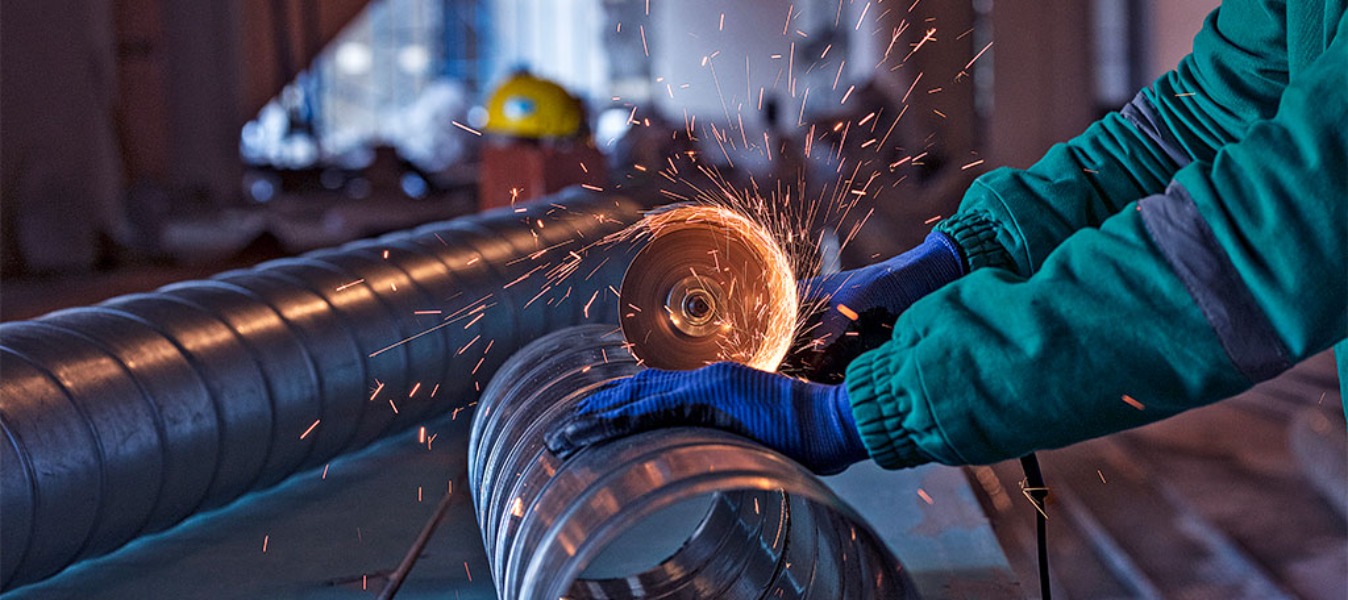
Due to the conflict between Russia and Ukraine, the global market has been affected in several ways, one of which is the increase in steel prices. Thus, Brazilian steelmakers have also followed international steel prices. According to industry experts, the prices of Gerdau’s rebar in Brazil have increased by 6% to 9%. Companhia Siderúrgica Nacional (CSN) will implement increases of between 8% to 10% by early April at the latest. So far, Usiminas has not announced any changes, but it is likely to follow the same path.
The increase by Gerdau follows an equation of similarity with significantly reduced imports, above 20%, against equilibrium levels of 5%. Also this week, a report was published by BTG Pactual in which analysts Caio Greiner and Leonardo Correa stated that long steel prices had been lower compared to parity for a long time, indicating that demand conditions remained weak.
“However, with the recent sharp recovery of Turkish rebar prices to around US$ 880 (+30% year-to-date) and renewed cost pressures (following the Russia/Ukraine conflict), the large discount on domestic prices makes little sense to us. We believe that partial implementation (at least) is likely”, said the analysts.
-
Half of Brazilians Prefer Lower Taxes with Private Health and Education, While 44% Opt for Higher Taxes for State-Provided Services, Datafolha Survey Reveals

-
The U.S. Navy Conducts Submarine Tests in Idaho Lake to Detect Underwater Noises Hidden by the Ocean

-
Brazil’s Most Expensive Toll Rises to R$ 40.60 on Route from São Paulo to the Coast, Nearly Matching Bus Fare to Santos

-
72-Year-Old Man Spends Six Years Building a Rotating House for His Wife, Completing a Full Turn in 22 Seconds



The Commercial Executive Director of CSN, Luis Fernando Barbosa Martinez, stated that the steel company will adjust the prices of flat products, long steel, and packaging, taking advantage of the high demand for steel in Brazil. A few weeks ago, the steelmaker, which intended to expand its internal and external sales, had already informed its flat steel customers that it would raise its prices due to the loss of a portion of the discounts granted in recent months of 2021 as a way to mitigate competition with foreign steel.
During a virtual meeting with analysts about the fourth-quarter data (4Q21), Martinez revisited this issue as requested by bank specialists. He explained that abroad, product prices increased as soon as the conflict in Eastern Europe began. According to him, overseas, the sector was already regaining its margins, which would not be different here. “Within the supply and demand equation, substantial cost increases, reduced imports, and dollar fluctuations will create space to recover prices later this month or early next month around 8% to 10%”, commented the steelmaker’s director.
In 2021, the main reasons why CSN strengthened its transactions and achieved a revenue of around R$ 48 billion. According to the company’s director, the estimate for this year is that the market will remain favorable regarding the demand for steel, which should support international prices during this short period.
Impacts of the Conflict in Brazil
Just before the war began, Carlos Loureiro, president of the National Institute of Steel Distributors (Inda), stated that potential sanctions against Russia would bring benefits regarding prices and market conditions for exporting steel from Brazil. Now, it is evident that this is exactly what happened: external steel supply was reduced due to the halt in supplies of Russian and Ukrainian products, the global logistics of goods affected freight costs, and prices increased.
Besides steel, other commodities have been impacted, raising concerns among governments around the world. There was a rise in oil prices and fuels, in aluminum, iron ore, nickel, and palladium, products exported by the two conflicting countries.
Representatives from the Industry Coalition reported during a meeting that the Brazil Commodity Index (IC-Br), conducted by the Central Bank, had a positive accumulated variation of 39.3% between January 2021 and February 2022. Meanwhile, the IC-Br for metals increased by 41.1% during the same period. The global index, created by the Commodity Research Bureau (CRM), indicated a 27.9% advance during the same time frame.