





 Portuguese
  English
  Spanish
  2 min of reading


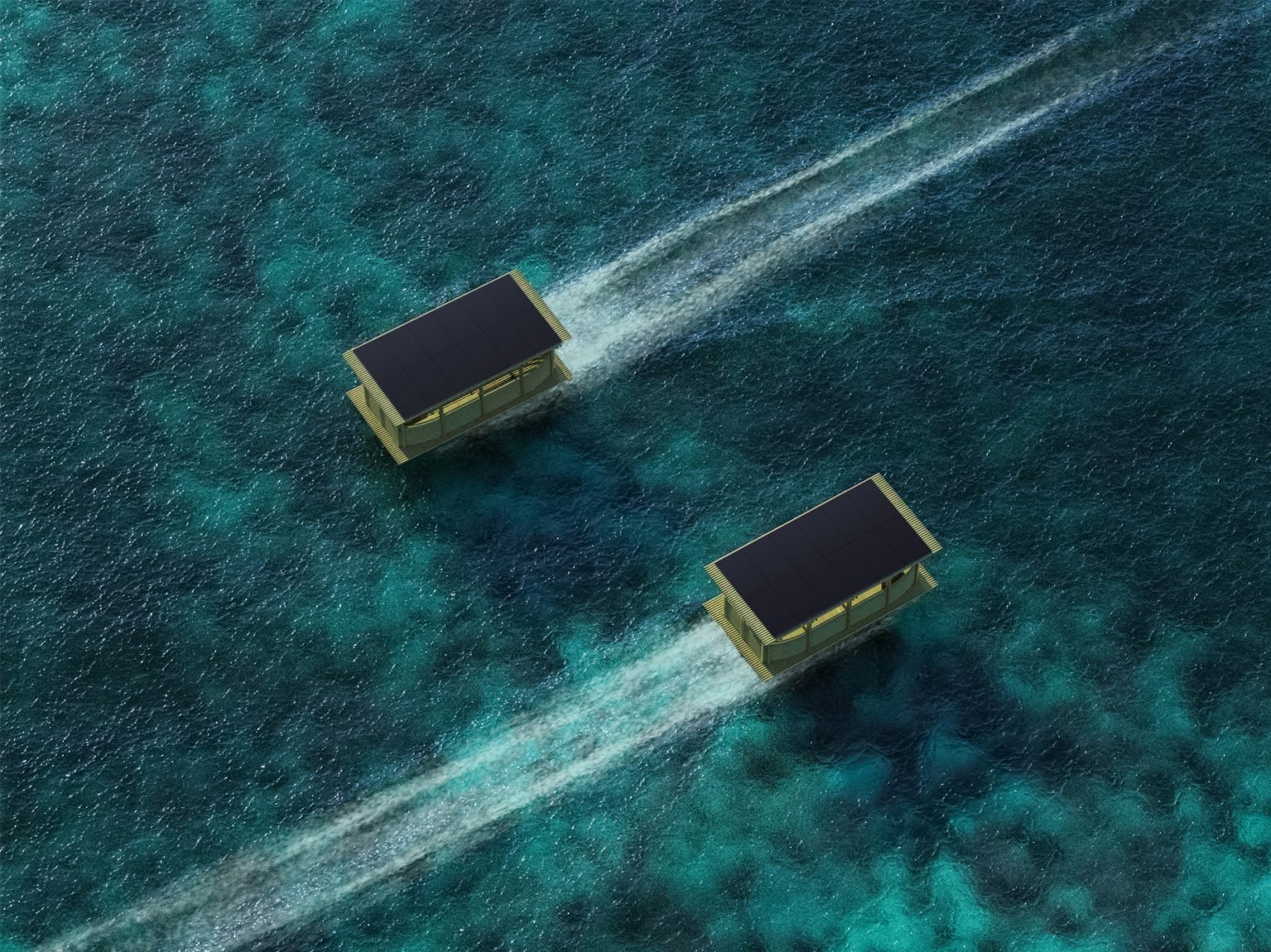
A Small Design Studio in the United Kingdom Developed a Bamboo Water Taxi That Combines Cutting-Edge Solar Technologies and One of the Most Practical Natural Materials on the Planet.
The solar-powered watercraft is a new fully sustainable and low-cost means of aquatic transportation, offering an environmentally friendly alternative to gasoline boats.
Read Also
- Port of Macaé is Authorized to Receive Large Vessels from Petrobras
- Safety Technician in the Maritime Support Navigation Area
- Next Generation of Modec’s FPSO Will Have New Design
- 1,500 Vacancies – Senac Opens Slots for Free Courses in 30 Areas in the State of Pernambuco
“We wanted to create a solar-powered watercraft that was extremely practical, spacious, and safe,” says the founder of duffy london, chris duffy. ‘
The main design idea throughout this project was to combine traditional materials and traditional craftsmanship techniques with cutting-edge solar and battery technology, bringing all of that together and using modern design with state-of-the-art laser-cut fastening components.
-
The Brazilian state accelerates industrial competitiveness with a focus on the extraction of strategic minerals to boost the energy transition in Goiás.

-
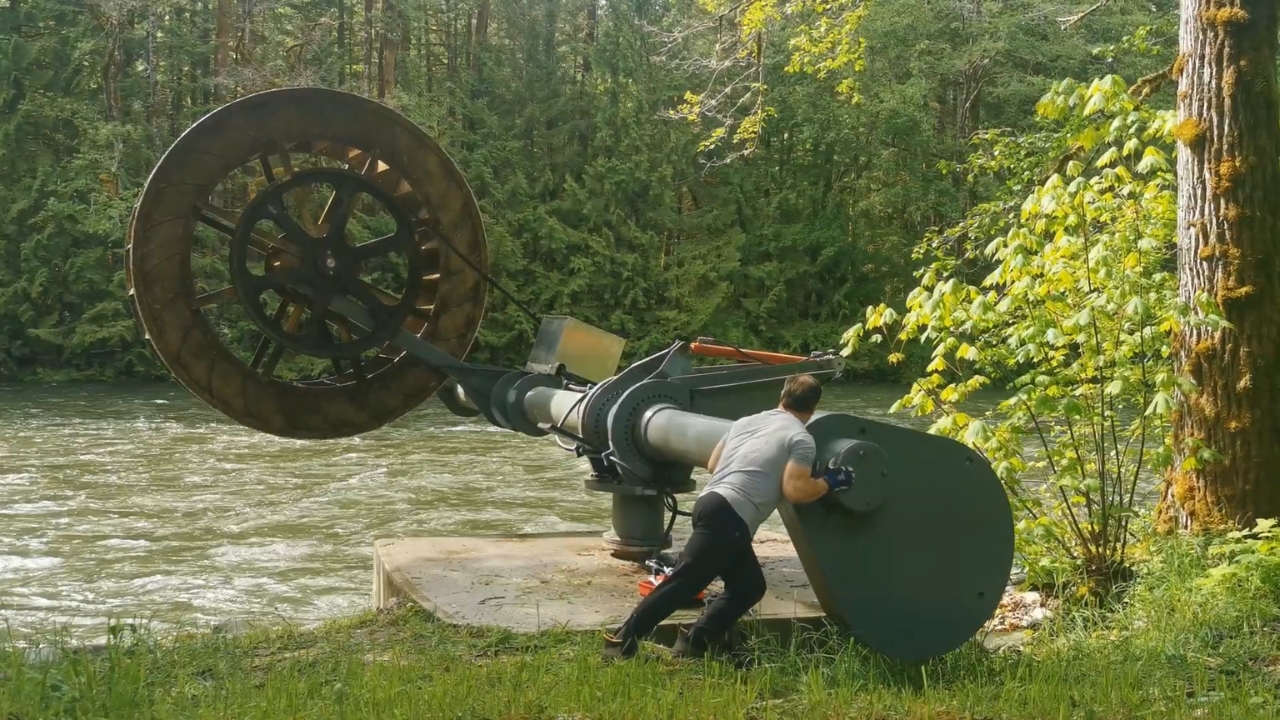
A Canadian retiree creates a hydroelectric system on a real river, generating energy continuously throughout the day and demonstrating how the power of water can supply a house with stability even in a simple structure.
-
Petrobras reaffirms its commitment to the market and ensures that it will carry out the energy transition safely to maintain national sovereignty.

-
Researchers discover a possible hydrogen deposit of up to 46 million tons beneath an ancient coal basin, and the volume could exceed half of the entire global production.

Solar-Powered Bamboo Watercraft
The studio made the watercraft predominantly from fast-growing bamboo, a naturally buoyant, widely available, and inexpensive material.
Bamboo self-replicates at incredible speeds, with 100% natural fibers and resins combined to form a strong building material that has structural properties similar to modern fiberglass and carbon fiber composites. To grow, bamboo uses sunlight, water, and carbon dioxide. These properties were utilized to create a watercraft powered by solar energy, that lives in the water and not only produces zero carbon but also captures carbon.
Solar-Powered Vessels are Cost-Effective and Do Not Pollution the Atmosphere
In an effort to overcome initial costs in developing countries, the studio proposes a non-profit supply chain to allow business owners to purchase the hari pontoon (the name given to the vessel) with a low-interest rate that would function for several years.
“Our vision for this solar-powered watercraft is that it would go into a simplified and eco-friendly mass production system,” explains duffy.’ By replacing many similarly sized and used gasoline-powered vessels, we could create a non-profit organization to enable the vessels to be purchased at an extremely low interest rate, lower than the monthly cost of fuel, to pay off the increase.
Initial costs over several years to provide stable income for the local population in their communities and to provide a much more eco-friendly and conscious solution for daily transportation needs. The bamboo taxi would operate like Itaú Bank bikes, which are loaned for people who do not own a vehicle to get around or make deliveries through Ifood.






Seja o primeiro a reagir!