





 Portuguese
  English
  Spanish
  5 min of reading
  9 comments


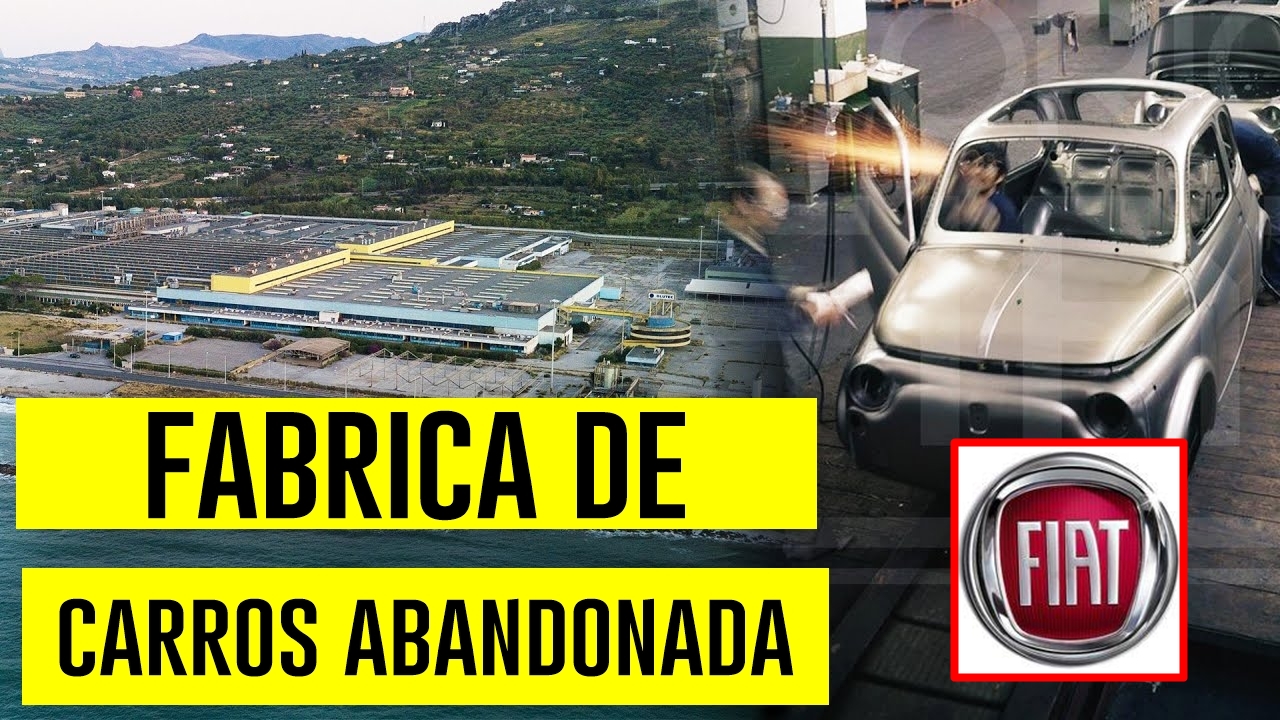


An Old Fiat Car Factory, Abandoned Since 2011, Still Has All Its Machines Working, But Remains Without Employees
On the Mediterranean coast of Sicily, an abandoned Fiat car factory seems to be frozen in time. The industrial complex of Termini Imerese, built with the support of the Italian government in the 1960s to boost the region’s economy and the country’s automotive industry, now faces imminent collapse.
The site is a point of attraction for urban explorers, who venture to see what the former owners left behind on the day the factory closed in 2011. Watch a video below in Portuguese of explorers who visited the site last month.
The Beginning of the History of the Fiat Car Factory: A Promise of Development

The factory was founded in 1970 in Termini Imerese, a Sicilian seaside municipality. The Italian government decided to invest in the south of the country, encouraging automobile production in the region, which had traditionally been distant from the major industrial centers in the north.
-
Less than a Tera TSI, up to 710 km of range and charging in 9 minutes: the new BYD Song Ultra expands the Chinese brand’s bet on increasingly faster, more technological, and competitively priced electric SUVs.

-
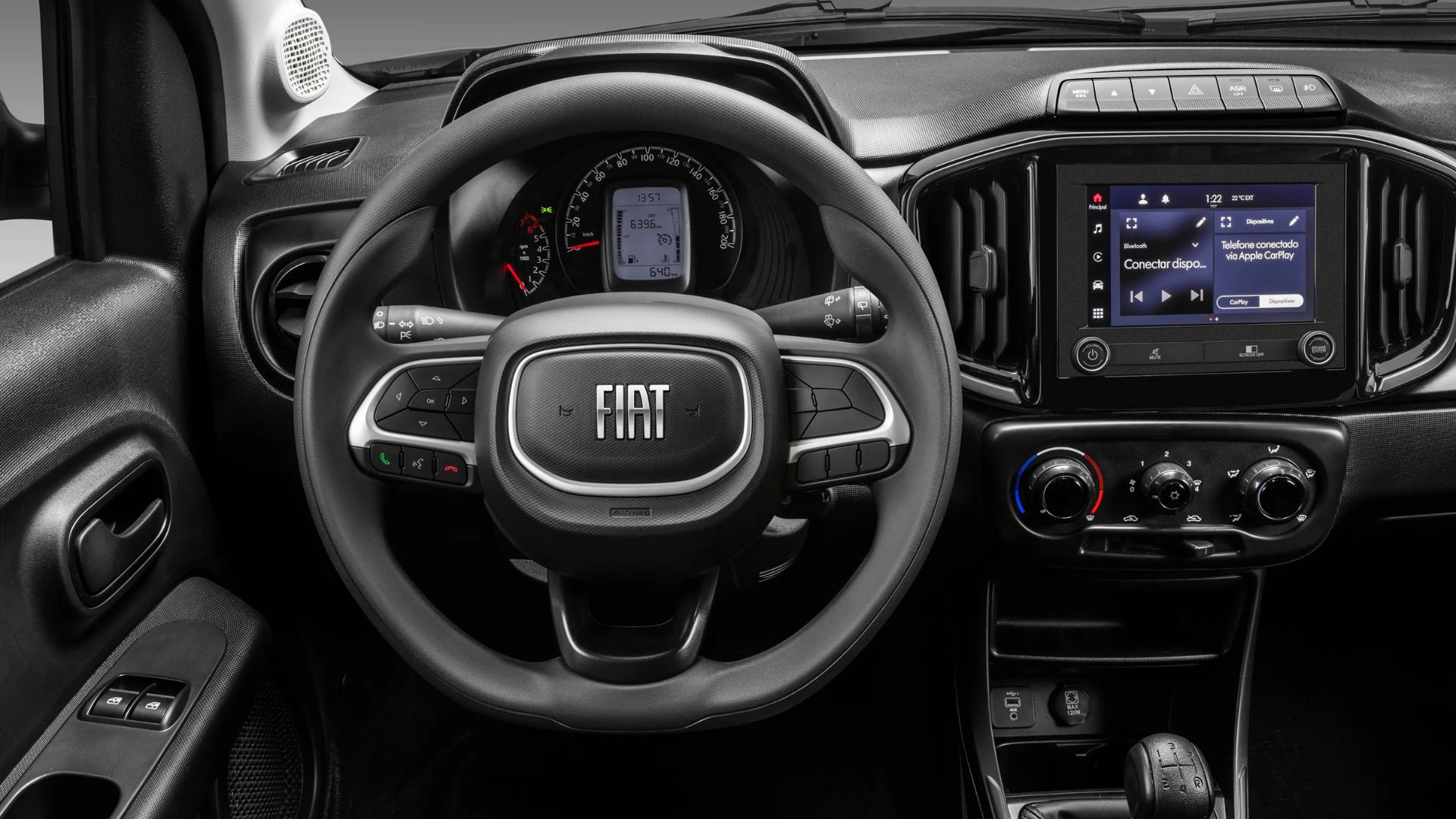
With a 1.0 engine producing 75 hp and costing less than R$ 70,000, Fiat’s car returns to the podium as the cheapest in the country; a temporary promotion for the 2026 Like version reduces the price of the Fiat Mobi.
-
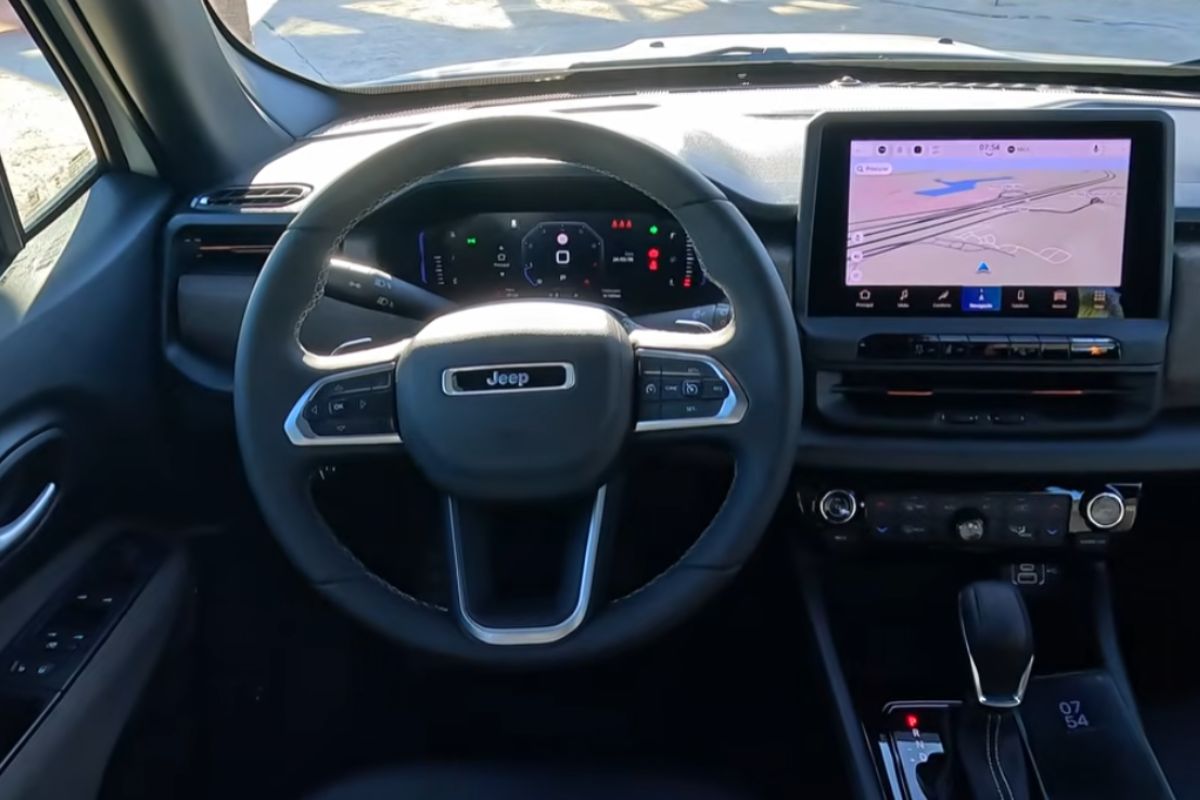
With a mild hybrid system of 48 V, 176 hp and a price of R$ 175,990 in the Sahara version, the new Jeep Renegade changes mostly on the inside, improves slightly in fuel consumption, and remains almost the same car.
-
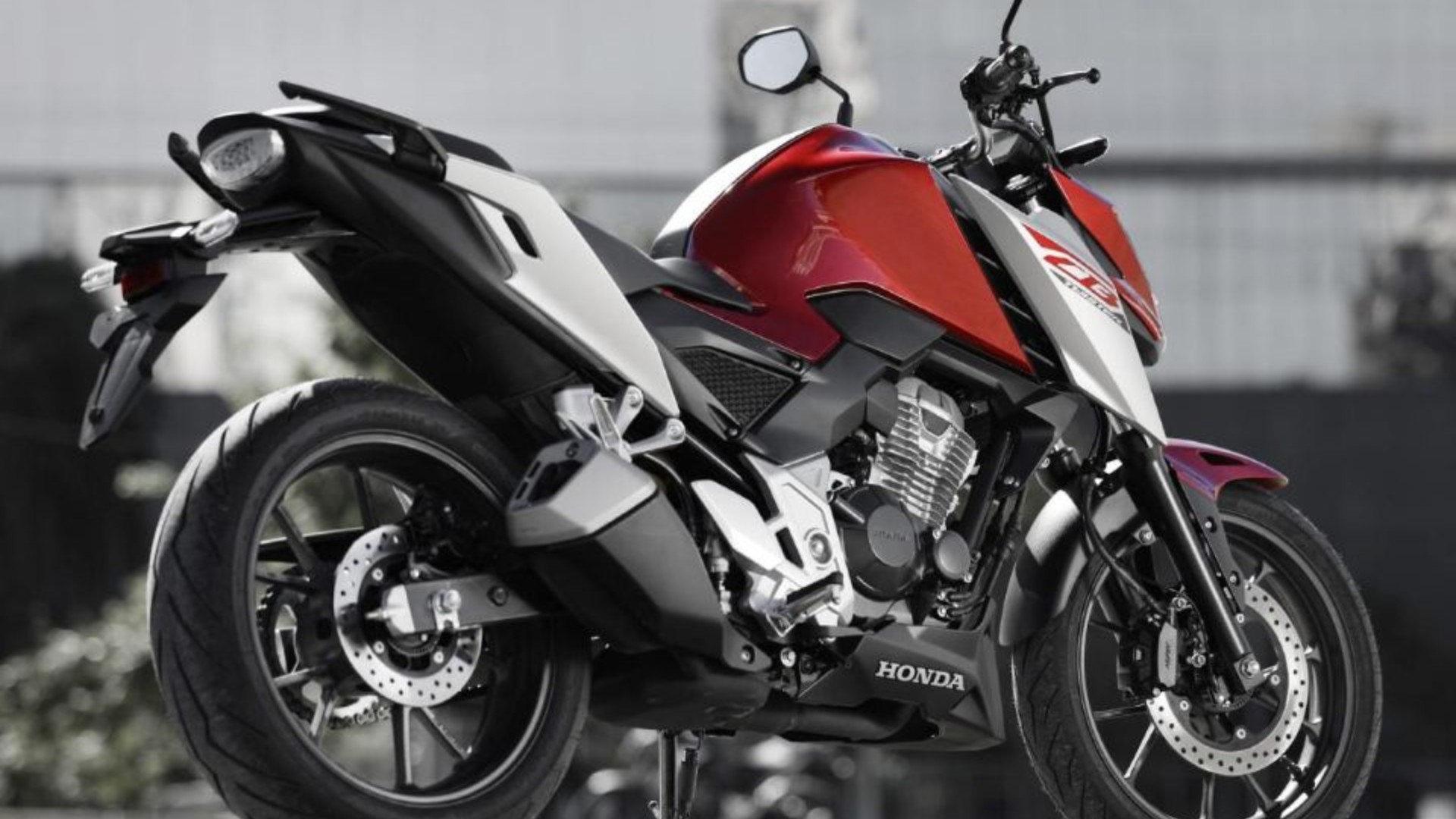
With a 293.5 cm³ engine and a range of up to 400 km with a 14.1-liter tank, the Honda CB 300F Twister 2026 has up to 24.7 hp, an initial price of R$ 25,150, and already exceeds R$ 29,000 in the Fipe Table.

The government provided significant financial support for Sicily to become an automotive production hub, focusing on job creation and revitalizing the local economy.
To ensure the success of the operation, cutting-edge technologies and the best professionals from the automotive industry were brought in.
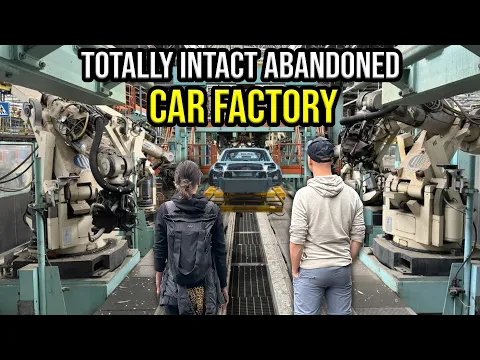

For years, the factory employed around 3,200 workers, who helped produce iconic vehicles like the Fiat 500, Panda, Punto, and Lancia Ypsilon.
The production of the Termini Imerese factory symbolized a new chapter for the Italian automotive industry and the region.
The Impact of the Global Economic Crisis
In November 2011, however, the factory gates closed for the last time. The main reason for the closure was the global financial crisis, which severely affected many industries.
For Fiat, producing on an island far from the mainland became unviable. Logistic costs increased due to the need to transport parts and completed cars across the sea, raising production costs by approximately 1,000 euros per vehicle. This extra cost made the operation unsustainable.
The Termini Imerese factory never managed to reach more than 40% of its maximum capacity, resulting in significant financial losses.
Amid this scenario, Fiat announced that the production of the Lancia Ypsilon would be transferred to Tychy, Poland, a decision that marked the end of operations in Sicily.
Attempts at Revitalization and the Difficulties

After the factory’s closure, several attempts at reopening were made. In 2016, Bluetec, a Metec SpA company, with the support of Invitalia, rehired 120 former employees in an attempt to revive production on site.
However, this attempt also failed. In 2019, Metec’s owners, Roberto Ginatta and Cosimo Di Cursi, were investigated for fraud worth 16 million euros, a scam that led to the operation’s bankruptcy and Ginatta’s imprisonment.
This sequence of bankruptcies, fraud accusations, and investigations became a constant in the history of the Termini Imerese factory, which, since its closure, has been considered a cursed place by many.
Each attempt at resurgence was followed by a new failure, and the factory’s fate seemed sealed. In 2023, the site was put up for sale again, but with no new updates.

The Car Factory Frozen in Time
However, what remains today of Termini Imerese is a true time capsule. When two urban explorers, Andrea and Eelco, venture into the abandoned facilities, they are immediately overwhelmed by the feeling that the factory is still waiting to restart.
The doors creak as they open, and the echo of emptiness fills the air, but everything there seems as if it was left abruptly, as if the workers had stepped out for lunch and never returned.
Inside the factory, the production lines still remain, as well as the paint booths where cars were finalized.
The two explorers find themselves walking among machines and equipment, all covered by a thick layer of dust.
Some computers are still on the desks, obsolete, as if time had stopped there. Tools rest on the shelves, waiting, but with no expectation of use.
In a corner, forgotten trophies still stand out, defying the loneliness of the environment. The setting seems so surreal that one of the explorers even compares the place to another planet.
The machines, even at a standstill, still show signs of maintenance, with papers on the walls indicating that the machines were being prepared for a restart that never came.
The Tension of Presence
At one point, as the explorers walk through the empty corridors, they hear a distant sound and realize they may not be alone.
A flicker of light appears, and the tension rises. Quickly, they retreat, fearing being caught by security personnel.
The feeling of invading a forbidden place makes the adrenaline rise, but they manage to escape, still with racing hearts.
The Termini Imerese factory still stands, but rumors about its demolition have been circulating for years. The reality, however, remains another: the industrial complex still exists, defying time and abandonment, as a reminder of what could have been a landmark in Sicilian industrial history.
The Future of the Past
Although the factory is about to be demolished, its legacy remains alive in the memories of former workers and in the ruins that still hold traces of what once was.
For urban explorers, the site offers a rare opportunity to dive into the past and understand the complex interactions between economy, technology, and the difficulties of operating on an isolated island.
The history of the Termini Imerese factory is a reflection of the reality of many other ventures that, despite initial promises, end up succumbing to economic, logistical, and political challenges.
Even with bankruptcies and abandonment, the old factory is still a place of curiosity and a piece of history that, while about to disappear, will always retain a shadow of its legacy.








Quando uam fabrica fecha as portas muitas famílias tamben se fecham entre firma 3200 funcionários ,atrás dele eram mais de 15 mim pessoas se alimentando …. e uma tristeza sem precedentes….
Esse programa de levar indústria pro sul nunca deram certo. O alfa Romeo alfasud era feito perto de Nápoles, tb gerou muito problemas e custos elevados.
Essa Comau é pioneira mesmo, aqui na fábrica de Betim mesmo fora das operações principal ela ainda é a socorrista da planta com uma bagagem muito grande de conhecimento.