






 Portuguese
  Spanish


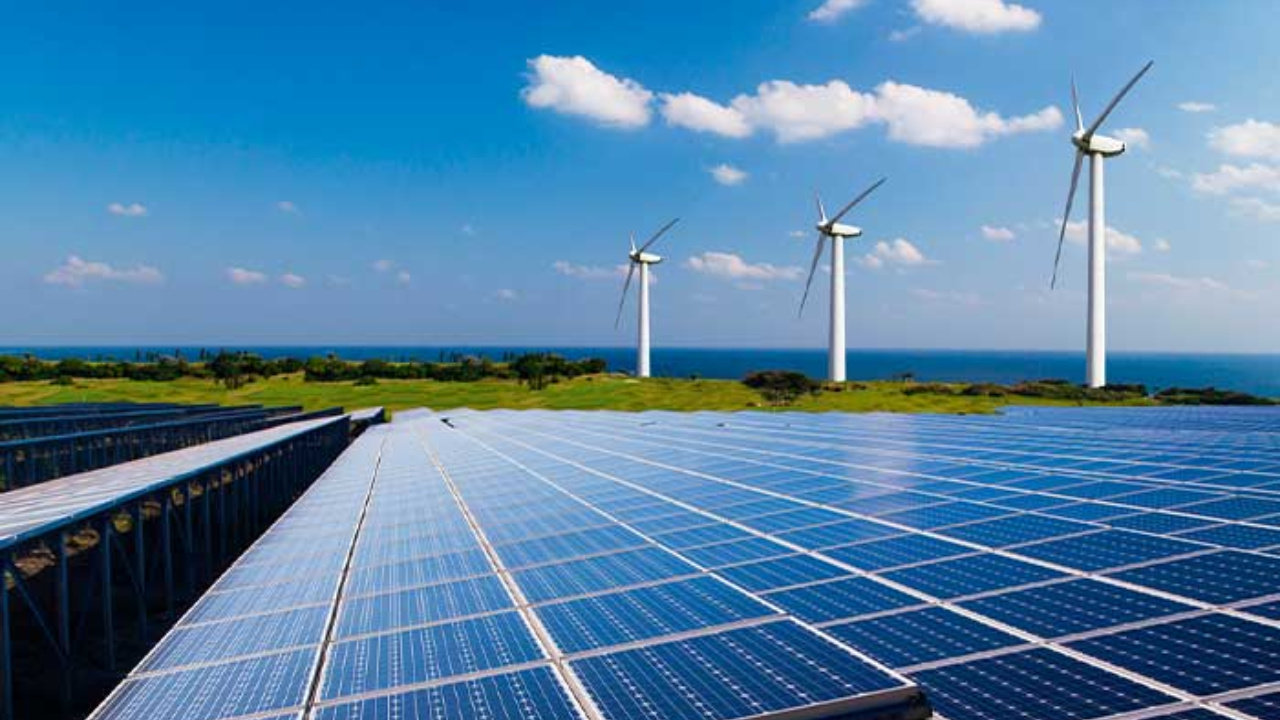

Government of Rio Grande do Norte Bets on the Energy Efficiency Program to Modernize Public Buildings, Reduce Consumption, and Save Over R$ 26 Million per Year, Supported by Technologies and a New Energy Management Center.
The Government of Rio Grande do Norte has presented a new Energy Efficiency Program that promises to transform the management of energy use in public buildings. Expected to reduce expenses by up to 40%, the initiative should ensure an annual savings of over R$ 26 million, according to official estimates.
The proposal integrates a public-private partnership model and aims to correct historical inefficiencies, especially in old structures that still consume above what is necessary.
Old Structures Are a Priority in New Energy Modernization Cycle
The state’s strategy focuses mainly on direct administration offices. Thus, secretariats, schools, hospitals, police stations, and administrative buildings are included in the modernization package.
-
College Dropout Turned Window Cleaner Builds $1 Million Cleaning Business with Subscription Model After 18 Years of Door-to-Door Work
-
Race for Data Centers in Brazil Intensifies Pressure on Critical Energy Resources

-
Melting Glaciers Uncover Ancient Tools, Preserved Mummies, and Strategic Minerals in the Arctic and European Mountains
-
Melting Glaciers Uncover Ancient Tools, Preserved Mummies, and Strategic Minerals in the Arctic and European Mountains

Many of these spaces, built between the 1970s and 1980s, operate with outdated facilities. Therefore, the plan envisions the adoption of more economical technologies, standardization of processes, review of contracts, and encouragement of intelligent and rational energy use.
Before the creation of the Energy Efficiency Program, the Secretariat of Economic Development (Sedec) conducted a unique survey of the state’s consumer units. The mapping analyzed consumption for the years 2023 and 2024, in addition to checking current tariffs, identifying nonconformities, and assessing the situation of the 54 photovoltaic plants already installed.
The diagnosis exposed the current scenario: RN consumes about 8.22 GWh per month, with an average cost of R$ 5.5 million — a value that can reach up to R$ 70 million annually depending on tariff bands.
Four Possible Pathways Define the New Energy Model of RN
Based on the study, Sedec structured four possible scenarios for consolidating the new energy model. Among them are the deployment of a centralized photovoltaic plant, installation of a wind farm, a combination of solar generation with purchases in the free market, and finally, acquisition of energy in the free market associated with support from a wind farm.
According to the government, each scenario offers different advantages for cost reduction and stability in supply.
Another highlight of the initiative is the creation of the State Energy Management Center. The body will play a fundamental role in executing the Energy Efficiency Program, operating in the real-time monitoring of consumption in public offices.
Additionally, it will be the Center’s responsibility to oversee the performance of the plants, supervise contracts, generate indicators, and propose continuous improvements. The structure will also be responsible for ensuring that the goals set in the PPP are met within the schedule.


