





 Portuguese
  English
  Spanish
  3 min of reading
  0 comments


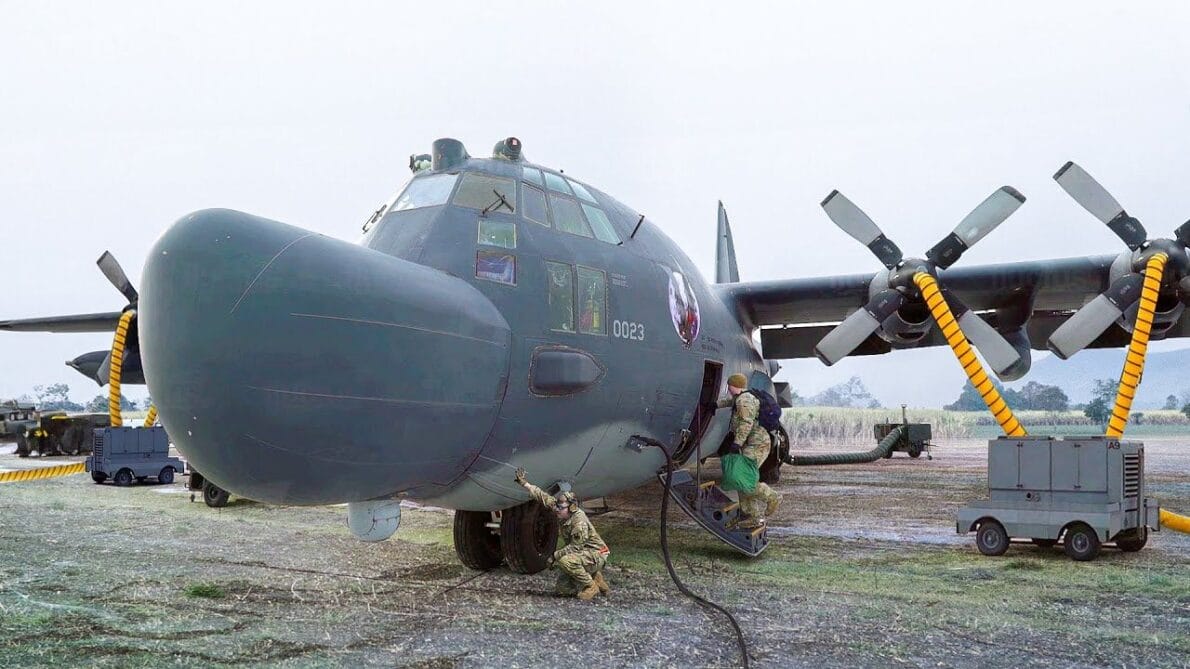
The MC-130 Is a Special Operations Aircraft Designed for Extreme Missions, Especially in the Arctic. With Advanced Technologies and Powerful Engines, It Ensures Efficiency and Safety for the United States Air Force in Challenging Environments.
The MC-130 special operations aircraft is one of the most unique and advanced in the United States Air Force. Designed for missions in extreme environments, such as the Arctic, this aircraft is equipped with technologies that ensure its efficiency and safety. With an investment of US$ 160 million, the MC-130 is crucial for the infiltration, exfiltration, and refueling of special forces.
Originally developed from the versatile fuselage of the C-130 Hercules, the MC-130 made its first flight in April 2011 and has since played a crucial role in military operations. The MC-130 has a wingspan of 133 feet, a length of 98 feet, and a height of 39 feet. It is powered by four Rolls-Royce AE 2100 turboprop engines, generating a total power of 4,591 horsepower. This combination allows the aircraft to reach speeds of up to 362 knots at 22,000 feet, with a maximum takeoff weight of 164,000 pounds.
Special Operations Aircraft Undergoes a Rigorous Pre-Flight Procedure
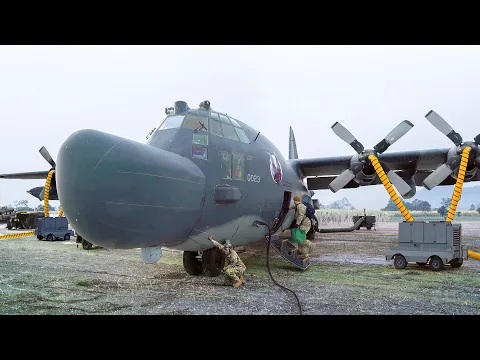

Before any mission in the Arctic, the United States special operations aircraft, MC-130, undergoes a rigorous pre-flight procedure. Teams connect hoses to the propellers to circulate hot and compressed air to the engines, ensuring they are ready to operate in the cold temperatures of the Arctic environment. This care is essential to avoid mechanical problems during missions.
-
Seen from space, a colossal volcano nearly 5,000 meters high in Russia has released 1,600 km of smoke over the Pacific, forming “devil’s horns” of lava and revealing the brutal force of the Ring of Fire.

-
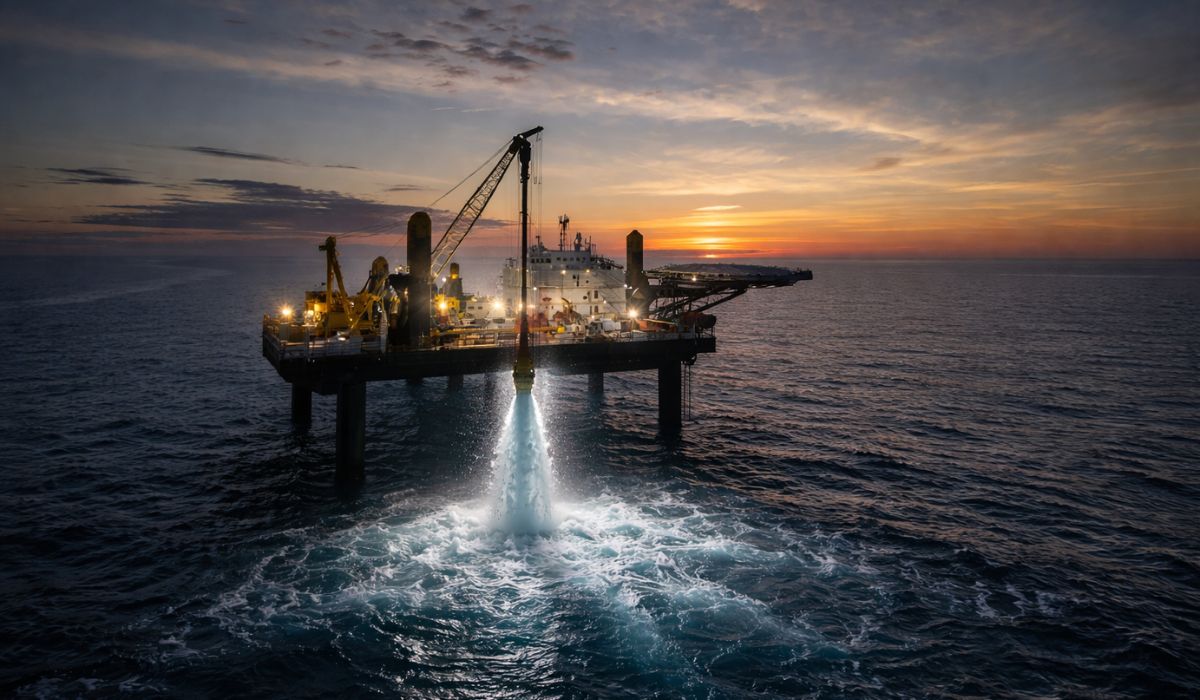
Expedition 501: Scientists drill into the ocean floor and discover a giant reserve of fresh water hidden beneath the sea, extracting nearly 50,000 liters and revealing an invisible system that could reshape the map of water scarcity.
-
Archaeologists find an intact tomb over 2,500 years old, with more than 100 preserved objects, weapons, jewelry, and human remains never touched.

-
Volcanic lava transforms into threads as fine as human hair that travel over 30 kilometers by wind and fall like cutting rain on roofs and backyards in Hawaii and Iceland.


The MC-130 is equipped with state-of-the-art communication and avionics systems. This includes a Global Positioning System (GPS), inertial navigation system, and terrain-following radar, which allow pilots to perform aerial drops and other missions with precision, even in adverse conditions.
MC-130 Is Also Used to Launch Scientific Probes Over the Arctic
In addition to its primary missions of infiltration and exfiltration, the MC-130 is also used to launch scientific probes over the Arctic, collecting vital data on temperature, salinity, and water density. This information is transmitted to researchers, helping to better understand the climatic conditions of the region.
The C-130 fuselage, the basis of the MC-130, is known for its versatility. Besides the MC-130, other variants such as the LC-130 and the KC-130J perform important roles, from transportation and refueling to command and control missions.
MC-130 Is a Key Piece in the United States Special Operations Fleet
The LC-130, for example, is equipped with skis and eight-blade propellers, allowing effective operations in Arctic environments. The KC-130J serves as an aerial tanker, refueling other aircraft and helicopters in flight.
The MC-130 is a key piece in the United States special operations fleet, equipped to face the most extreme challenges. With its advanced technologies and versatile capabilities, it ensures that special forces can operate efficiently and safely in any environment. This investment of US$ 160 million reinforces the United States’ position at the forefront of military innovation, preparing its aircraft for critical missions worldwide.







Seja o primeiro a reagir!