





 English
  Francês
  Alemão
  Italiano
  Japonês
  Norueguês
  Portuguese
  Spanish
  3 min of reading
  0 comments


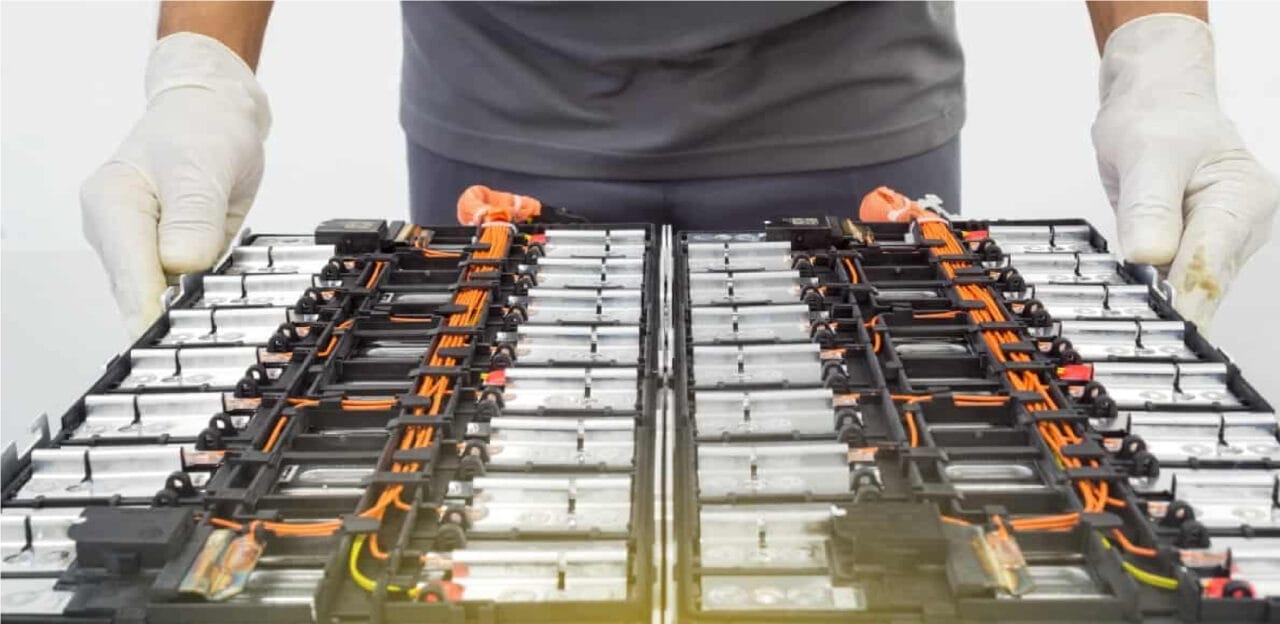
Device Demonstrates Notable Advancement in Energy Storage and Promises to Be a Sustainable Solution
The world of battery technology is constantly evolving, driven by the search for more efficient and sustainable solutions for energy storage. Recently, researchers from the Department of Mechanical Engineering at the University of Hong Kong unveiled an innovative design that promises to revolutionize the field. This new battery combines high energy density and sustainability, becoming a beacon of hope for the future of energy storage.
The battery is the heart of many electronic devices and electric vehicles, playing a vital role in our modern society. The quest for more efficient batteries has been a priority, and the use of magnesium ions (Mg-ion) has emerged as a promising alternative to traditional lithium-ion batteries, mainly due to its sustainability.
The researchers at this university have excelled in developing a quasi-solid-state magnesium-ion battery (QSMB) with an innovative approach. This battery is powered by an enhanced polymer electrolyte, addressing the challenge of competition between protons and metallic ions in magnesium ion storage. The result? A battery that offers high energy density and impressive performance, promoting greater sustainability.
-
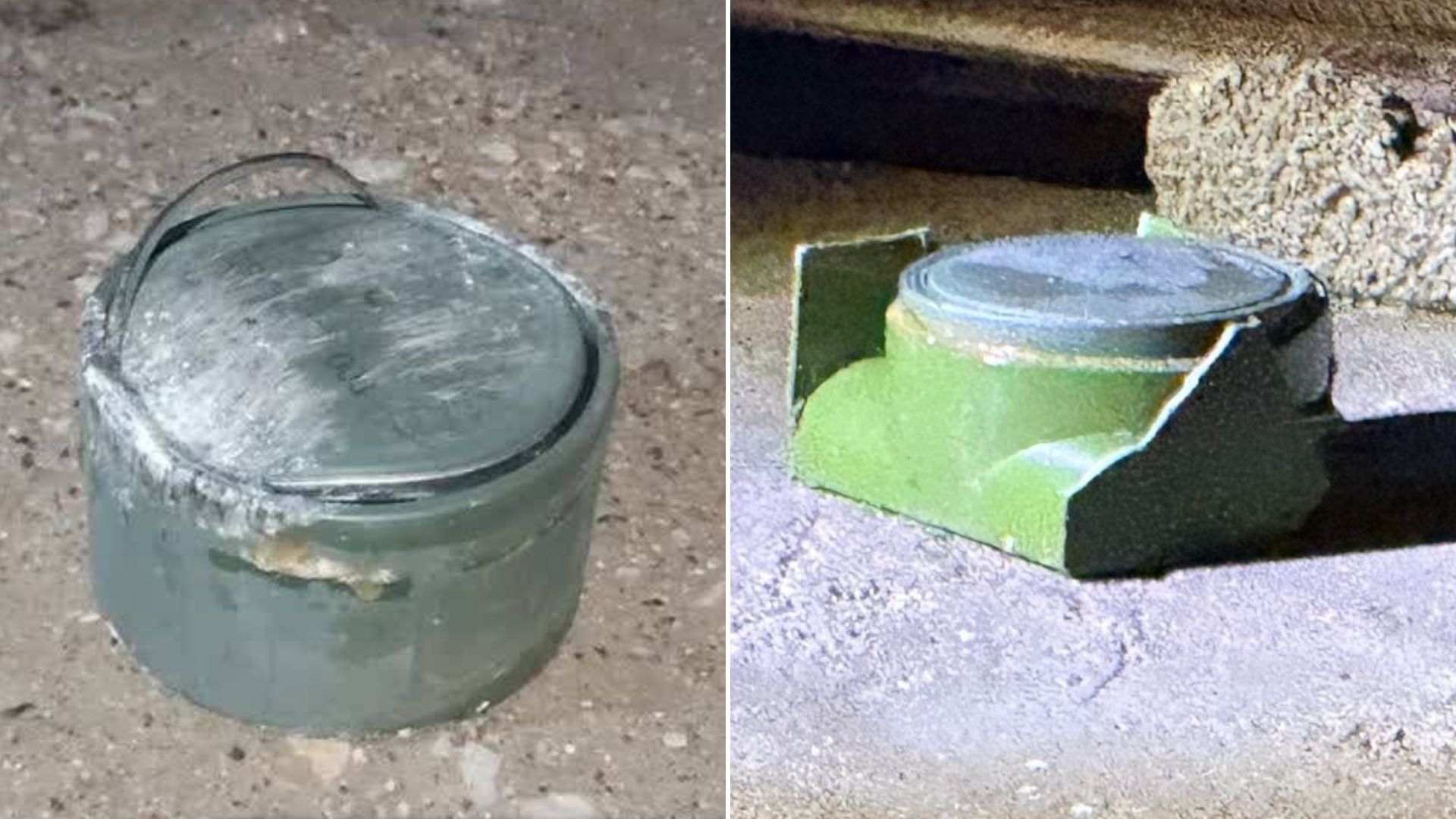
Anti-tank mines appear near a missile base in Iran, causing fatalities and raising suspicion of a new move to block underground launchers.
-
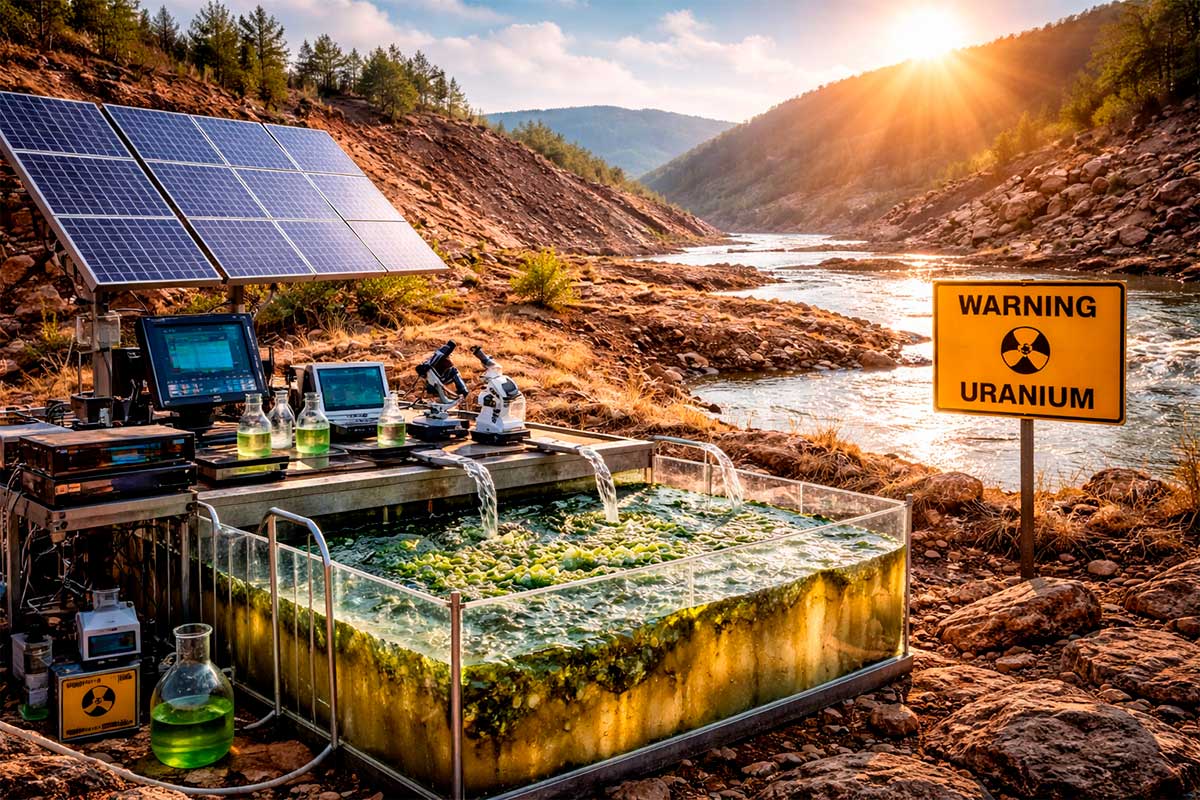
Contaminated water from uranium threatens mining areas, and Chinese scientists have created a solar-powered living filter that could change environmental decontamination.
-
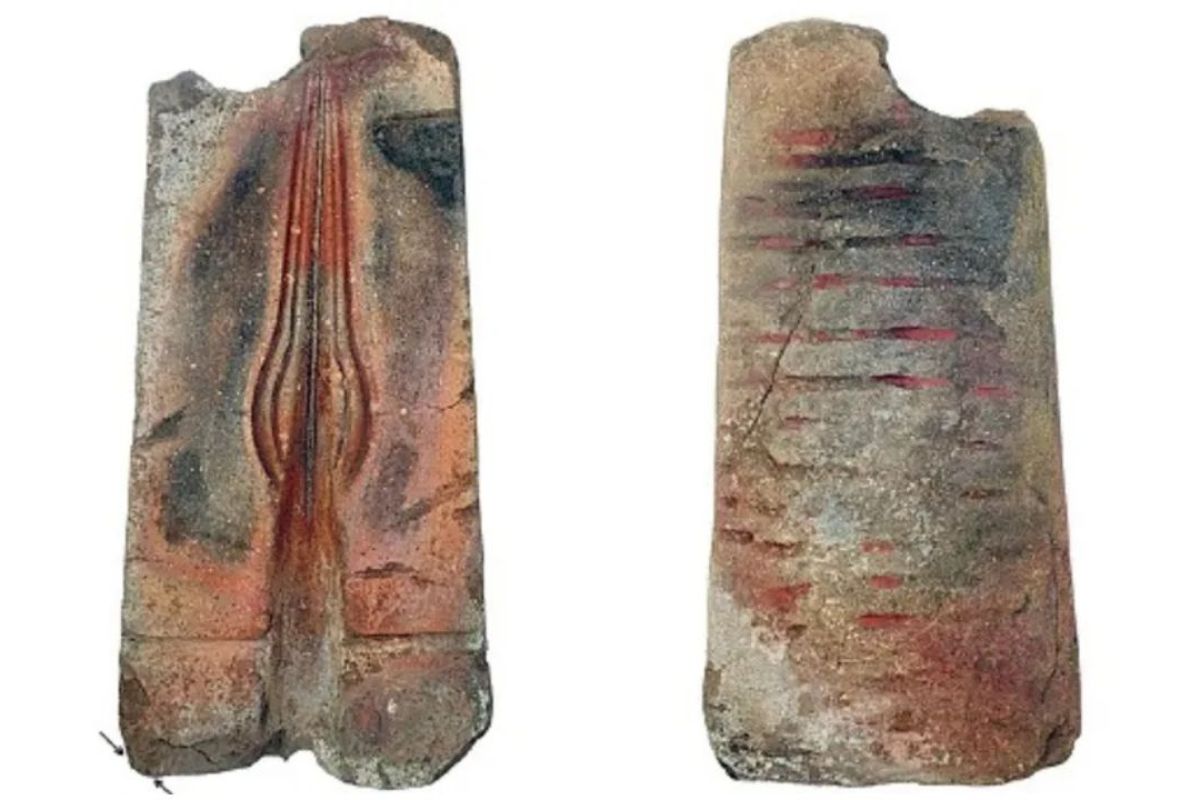
Archaeologists find in Mexico a sacrifice altar over 1,000 years old, surrounded by skulls, human bones, and signs of rituals from the Toltec Empire.

-
Goodbye to the traditional oven? IKEA draws attention with a 3-in-1 microwave that combines an air fryer, grill, and heating in the same compact, affordable appliance designed for small kitchens.


Ion Battery Can Solve Ecological and Performance Challenges
One of the main limitations of magnesium ion batteries has been the narrow electrochemical window in aqueous or water-based systems. Moreover, the low ionic conductivity in non-aqueous systems has also posed a significant challenge. However, the innovative design of the QSMB remarkably resolves these issues.
Sarah Leong, Ph.D. and the lead author of the study, explained that protons, due to their smaller size, could easily enter the battery’s cathode structure, competing with magnesium ions. This severely limited the amount of energy the battery could store and how long it could last. The QSMB overcomes these obstacles, achieving a voltage of 2.4 V and an energy density of 264 W·h kg–1, surpassing traditional magnesium ion batteries and impressing in terms of sustainability.
Throughout the testing, this battery proved to be incredibly resilient, with only 10% of its capacity eliminated after 900 cycles at extremely low temperatures, reaching -22°C. This exceptional performance highlights the promise of the QSMB as a reliable solution for energy storage under challenging conditions and greater sustainability.
The Path to Cleaner and More Efficient Energy
The quasi-solid-state magnesium ion battery represents a notable advancement in the field of energy storage but also offers significant promises for sustainability. The innovative design and superior performance make this technology relevant for a wide range of applications, from personal electronics to electric vehicles and large-scale energy storage.
Dennis YC Leung, the research leader, expressed enthusiasm regarding the potential of this battery: “Our quasi-solid-state magnesium ion battery combines the best of both worlds, offering the high voltage of non-aqueous systems and the safety and cost-effectiveness of aqueous systems. It represents a significant step forward in developing high-performance magnesium ion batteries.”
As the demand for sustainability and efficient energy storage continues to grow, the QSMB could become a key piece of the puzzle, promoting a quicker transition to a society powered by clean and renewable energy sources. The combination of high energy density and sustainability makes this battery design a valuable contribution to a greener and more prosperous future.






Seja o primeiro a reagir!