





 Portuguese
  English
  Spanish
  4 min of reading
  0 comments


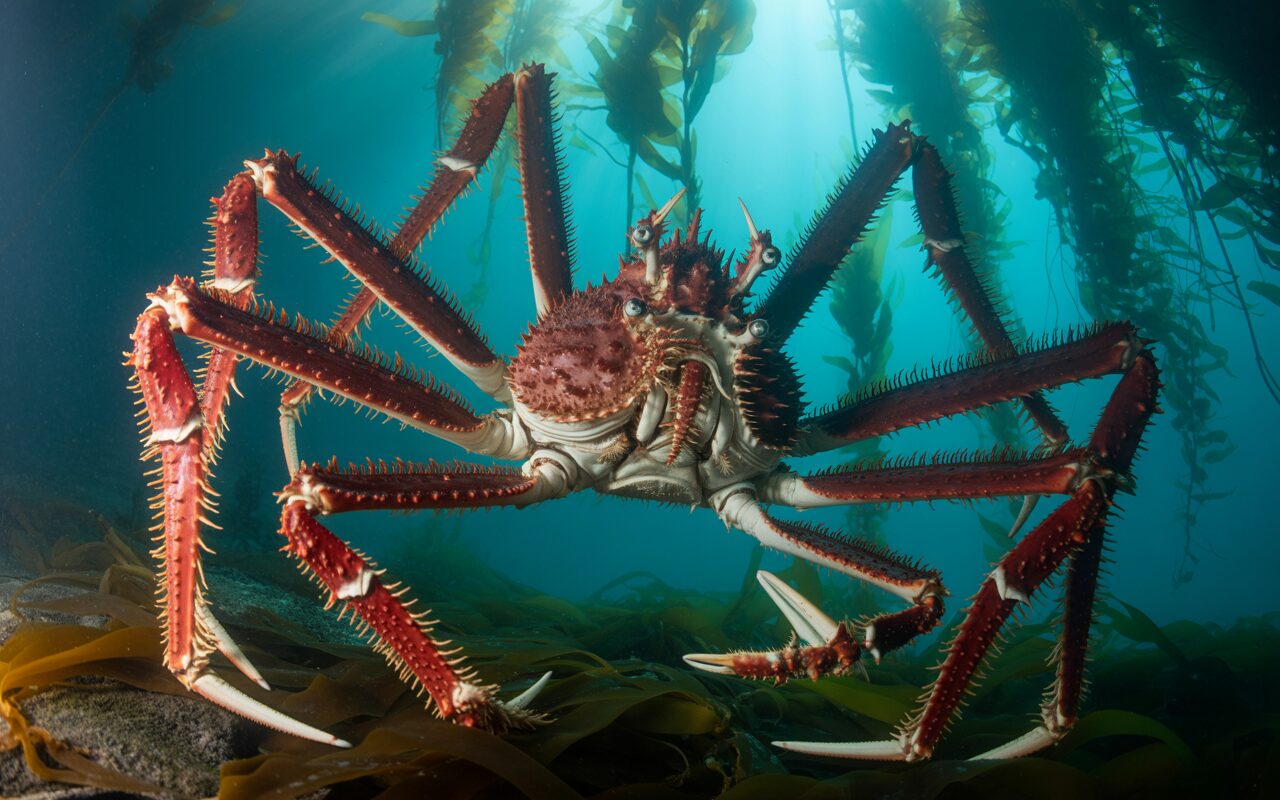
Meet The Largest Crab In The World That Can Reach The Size Of A Car: Japanese Giant Crab Has A Wingspan Of 3.7 Meters And Attracts The Attention Of The Whole World.
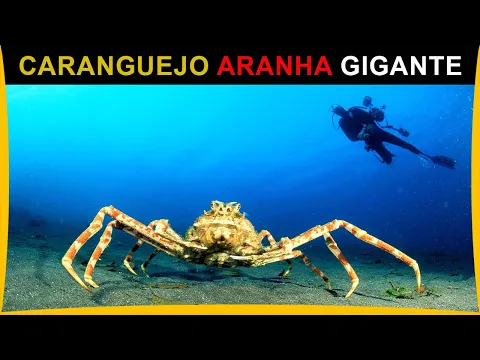
The Japanese giant spider crab is one of the most fascinating creatures in the Arthropod Kingdom and draws attention for its colossal size. Considered the largest crab in the world, this marine animal is native to the depths of the Pacific Ocean, near the coast of Japan, where it inhabits cold, abyssal regions. The Japanese giant crab can reach an impressive 3.7 meters in wingspan, when measured from the tip of one claw to the tip of the other — a size that makes it comparable to the length of a compact car, such as a Fiat Uno.
In addition to its surprising size, the Japanese giant spider crab (scientific name Macrocheira kaempferi) also impresses with its peculiar appearance: it has long, thin legs, an orange body with whitish spots, and a robust shell that aids in camouflage among rocks and sediment on the seafloor. Despite its intimidating appearance, it is a relatively peaceful species, primarily feeding on mollusks, organic matter, and small animals.
This giant of the depths can live for several decades — there are records of individuals over 100 years old — and is considered a true living fossil, having changed very little over millions of years of evolution. Its existence reinforces how little we know about marine biodiversity in deep areas and how such ancient creatures still play important roles in underwater ecosystems.
-
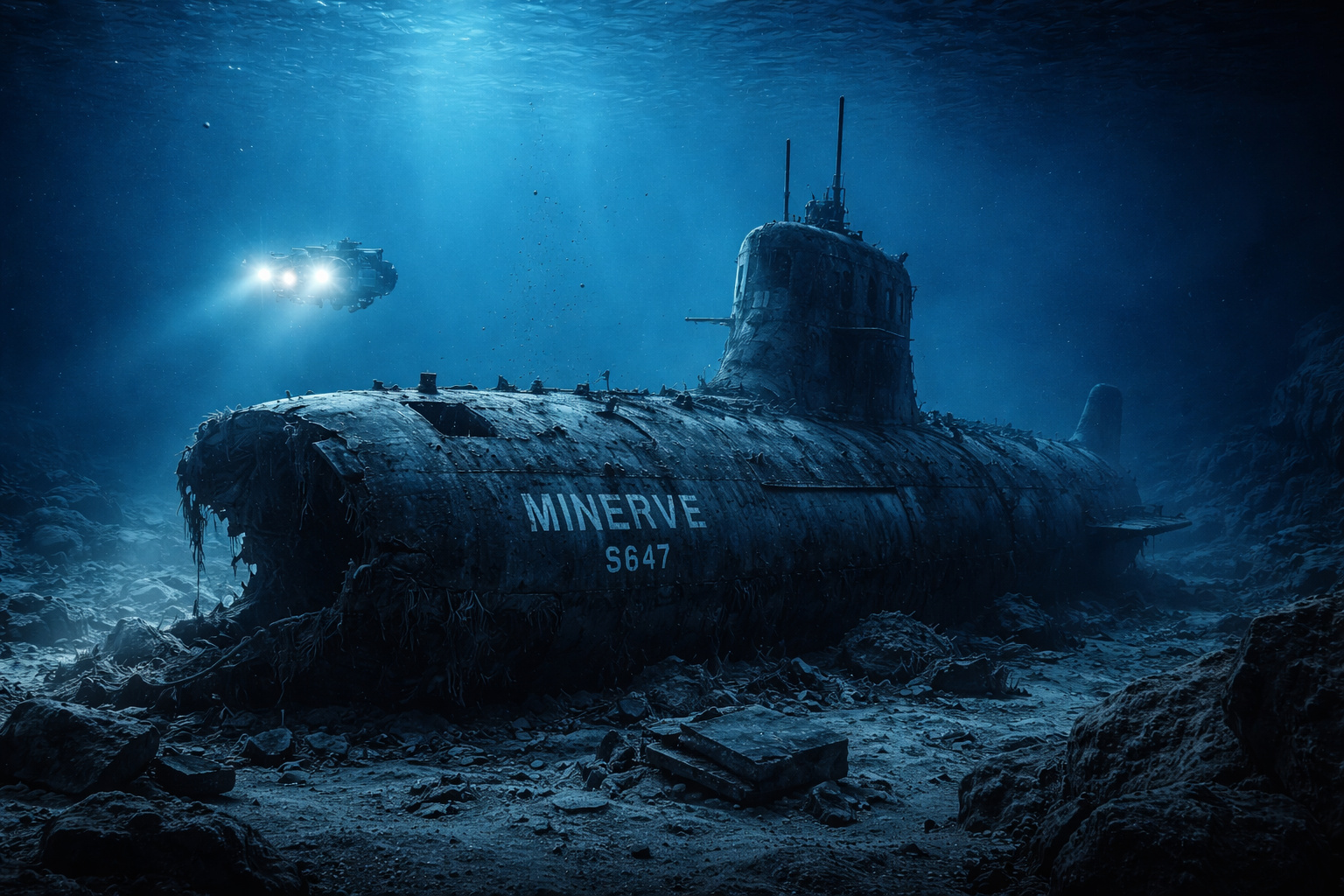
Few remember, but the submarine that disappeared in 1968 with 52 crew members was found after 51 years at the bottom of the sea at more than 2,000 meters, intriguing the entire world.
-
With 1,200 tons suspended, the Japan mega-structure in a grid shape with a floating sphere from Fuji TV features two 25-story towers connected by elevated walkways, titanium panels, and impresses the world with its ability to reduce wind impact.

-
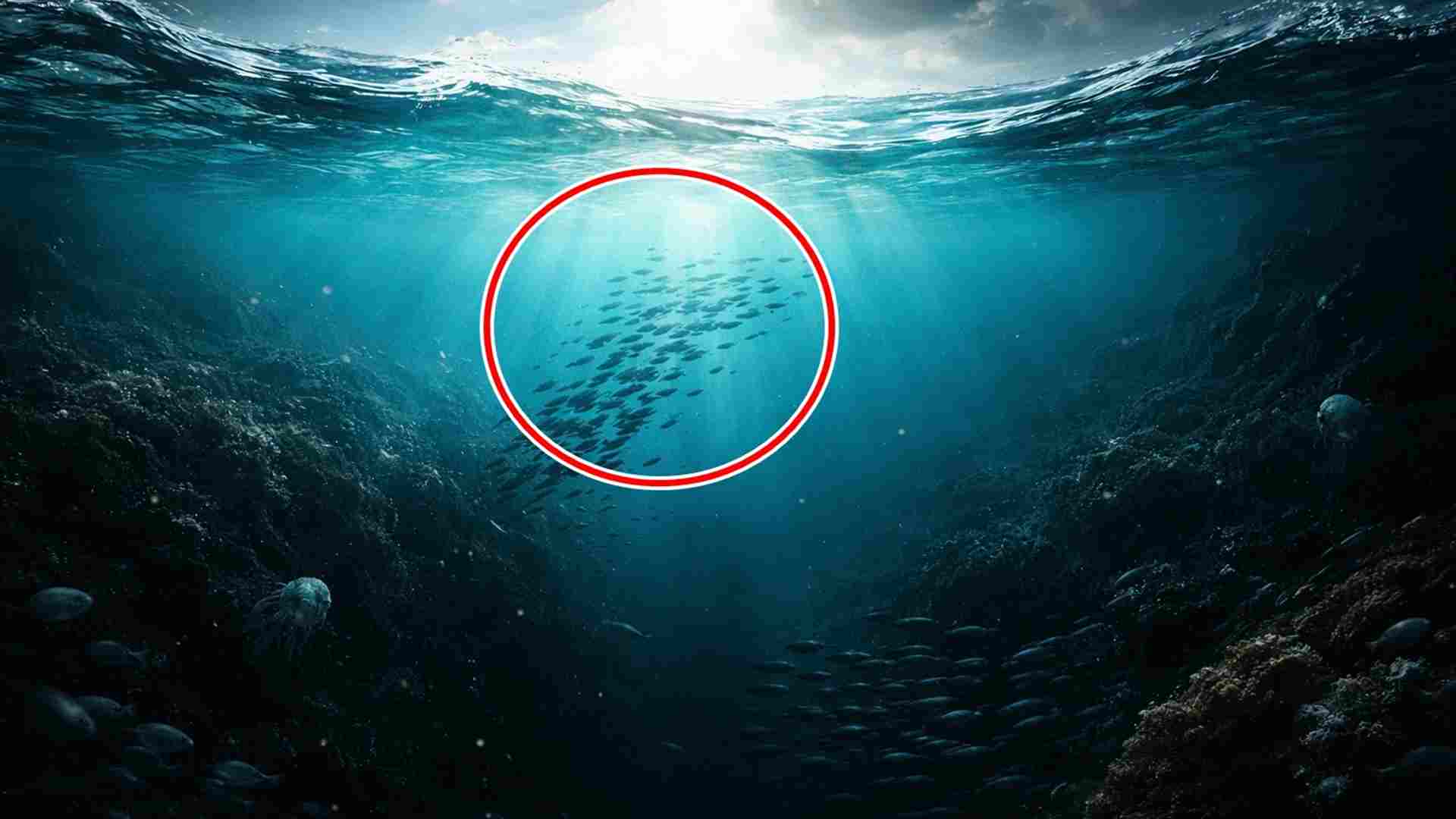
The oceans are darkening all over the planet – what is happening?
-
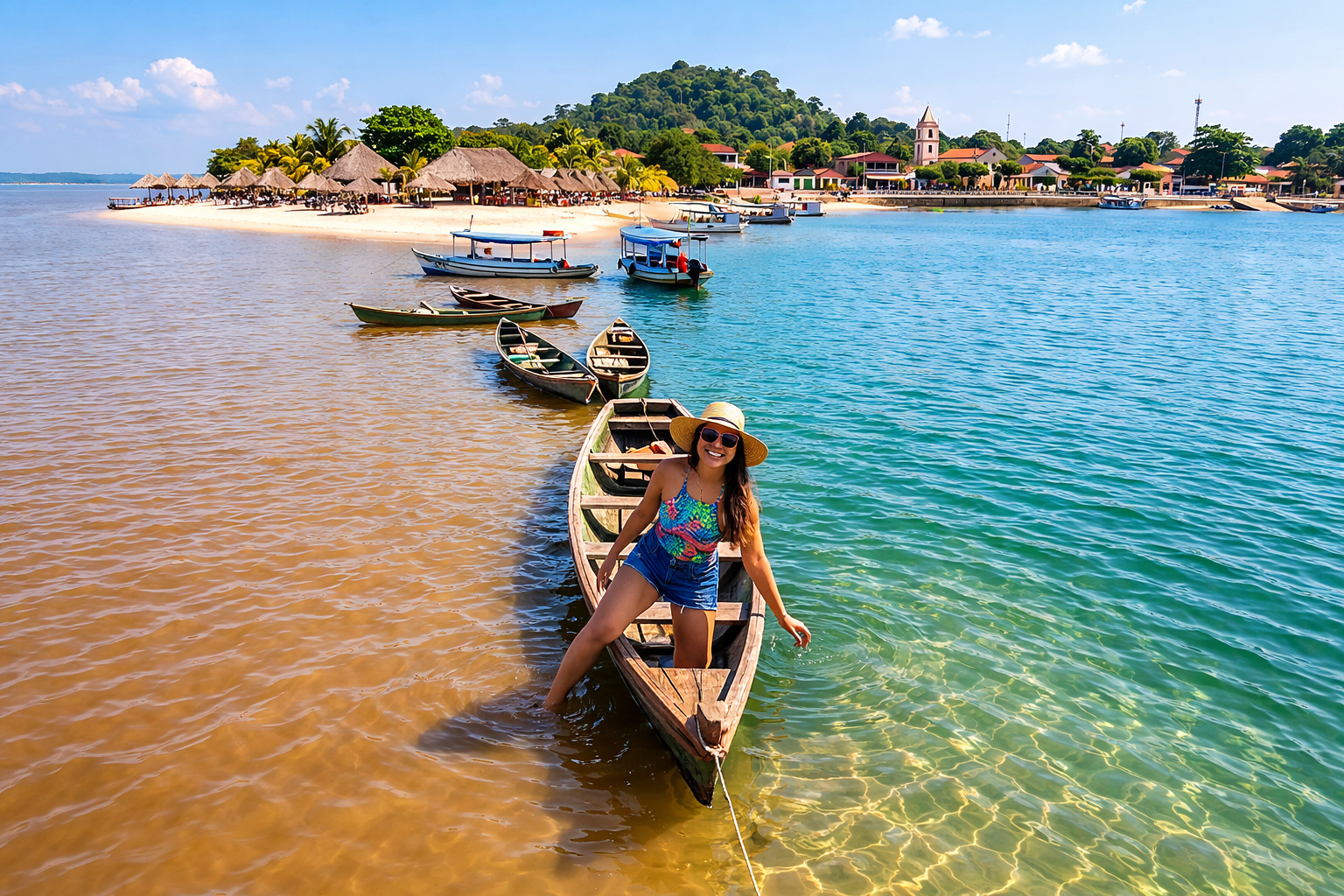
The village where two rivers run side by side without mixing in Santarém and Alter do Chão reveals some of the most beautiful freshwater beaches on the planet.

Largest Crab In The World Can Weigh Over 18 Kilograms

Before proceeding, it is important to mention that the crab is an arthropod animal belonging to the crustacean group, along with lobsters and crayfish. These animals have a tough shell and 10 legs, with the first pair equipped with claws. These curious animals can be found in marine environments, freshwater, and even terrestrial habitats.
Returning to the Japanese giant crab, this remarkable animal inhabits the depths of the ocean, between 50 and 300 meters, in the waters surrounding the Asian country. With its robust and rounded body, the largest crab in the world has long, thin legs that contribute to its impressive wingspan.
Its weight can exceed 18 kg, making it one of the largest known arthropods. The diet of this giant is quite varied, as it is an omnivorous animal that feeds on both plant and animal matter. Additionally, it is well-known for its scavenging behavior, consuming decomposing organisms.
The natural habitat of the Japanese giant spider crab is in the temperate waters of the northwestern Pacific Ocean, mainly around Japan. The commercial fishing of this species occurs in these regions, where fishermen take advantage of the animal’s abundance for commercial purposes. The depth at which they live also creates an ideal environment for their survival, away from surface predators.
Importance And Curiosities About The Largest Crab In The World
In addition to its ecological importance, the Japanese giant crab plays an important role in local culture and economy. The fishing of this animal is a traditional activity in some regions of the country, contributing to the local economy. Moreover, its appearance and impressive sizes make it an attraction in aquariums around the world, where it is displayed to the public.
The giant of Japan has achieved notable records. In 2013, a captive specimen named Big Daddy, who was kept at the Sea Life Blackpool aquarium in the United Kingdom, was recognized by the Guinness World Records for having the longest leg of a crab in captivity, measuring 1.43 m. Big Daddy lived to be 80 years old, passing away in 2016, thus demonstrating the long lifespan that these crustaceans can achieve.
These points make the Japanese giant spider crab a fascinating creature that continues to intrigue scientists and marine life enthusiasts. Its presence in the oceans serves as a reminder of the diversity and complexity of the underwater world, fostering conservation and ongoing study of these unique species.
Second Largest Crab In The World Also Impresses
In addition to the Japanese giant, another species that attracts the attention of scientists is the coconut crab. With the scientific name Birgus latro, this species can weigh up to 4 kg, which is approximately the weight of a domestic cat. Additionally, it has long legs that extend nearly 1 m in length and surprises anyone who comes in contact with them, as these limbs help it climb coconut trees, as the name suggests.
The natural habitat of the coconut crab, as it is also known, is in the atolls of the Indian and Pacific Oceans, which are small ring-shaped oceanic islands in the tropical region. In these places, the second largest crab in the world mainly lives in underground burrows, which it forms with coconut husk fibers that it feeds on.
They also only go to the sea to lay their eggs, unlike most animals of their species, being mostly terrestrial beings. Despite having a name related to coconut, these animals have a varied diet that can include juicy fruits, smaller crabs, and they have even been seen eating meat, especially as scavengers.
In 2016, however, researcher Mark Laidre from Dartmouth College in New Hampshire recorded an attack by a crab on a seagull, an event observed for the first time by specialists.







-

Uma pessoa reagiu a isso.