Portuguese
  Spanish


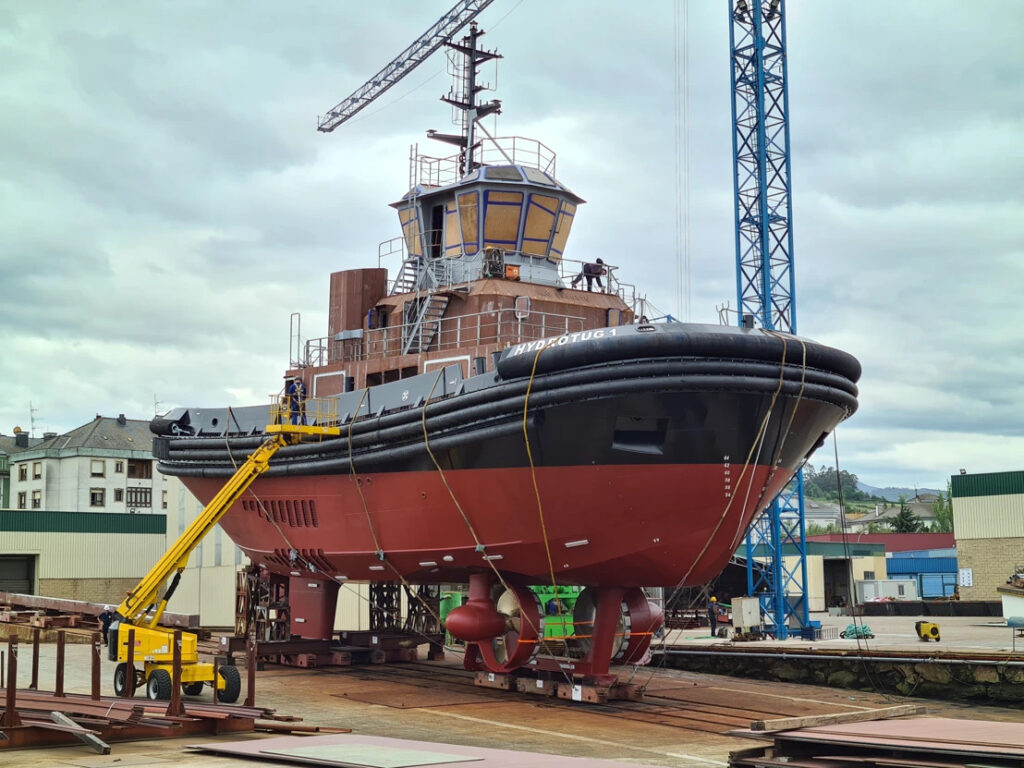

The Port of Antwerp-Bruges Is Preparing to Welcome Soon the Hydrotug, First Hydrogen-Powered Tugboat
Companies and industries worldwide are working to reduce or even eliminate carbon emissions in the medium to long term. Bold goals will only be achieved with investment in new technologies and environmentally friendly equipment. Aiming to take an important step in this direction, the Port of Antwerp-Bruges in Belgium and the clean technology company CMB.TECH are preparing to welcome the Hydrotug, the world’s first hydrogen-powered tugboat.
The hydrogen-powered tugboat was unveiled on May 16 in Spain. The tug still needs final details to be launched for testing later this year. The innovative vessel is expected to be delivered by the end of 2022. It is anticipated to be fully operational in the first quarter of 2023.
The Hydrotug is the first ship to be powered by two BeHydro V12 medium-speed dual-fuel engines – each providing 2 megawatts. It can also operate on hydrogen and traditional fuel.
-
The man who started in construction with his own house founded a company in 1957, went through a banking crisis in 1987, and ended up connected to 16,500 houses in Houston.

-
They exchanged the idea of a large house for a 35 m² warehouse, spent US$ 12,000 on the structure, and created a tiny house in Colorado with space to live and work.
-
While modern cities rely on pumps and electricity, in Iran, ancient tunnels carried water through the desert using only slope and gravity.
-
Instead of sending families far from the city, a project in Chile intentionally created incomplete houses on expensive urban land and left technical space for each to grow.



How Does the Equipment Work?
The tugboat can store a total of 415 kg of compressed hydrogen. The technology has the capacity to eliminate carbon emissions equivalent to about 350 cars per year. Roy Campe, director of CMB.TECH, emphasized that this innovation can significantly improve air quality in ports around the world.
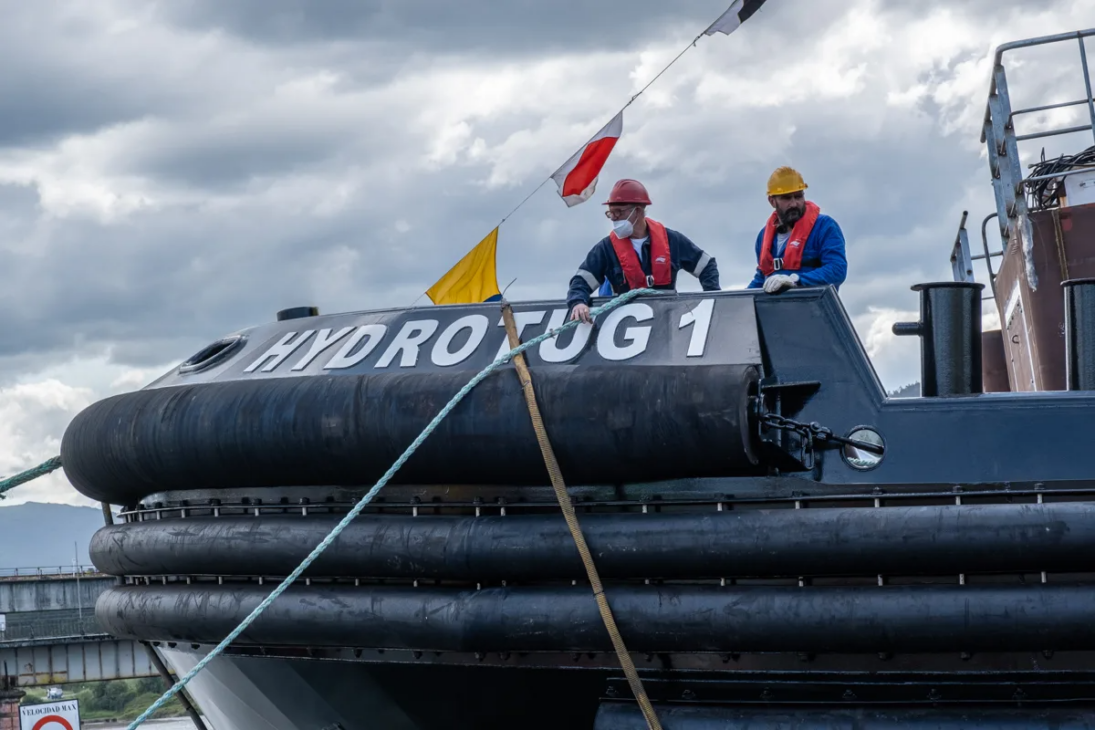
“The Hydrotug is the largest hydrogen-powered ship in the world. The technology has been approved by Lloyd’s Register, and we are ready to approach the global market of 10,000 tugboats. With this technology, we can significantly improve air quality in ports and bring hydrogen technology to all ports around the world,” said Campe.
Rob Smeets, Operations Manager of the Port of Antwerp-Bruges, spoke about the green ambitions of the Antwerp-Bruges port for the coming years. “By 2028, our goal is to have the first molecules of green hydrogen on our platforms. Moreover, we are investigating a hydrogen pipeline between the two ports and inland Europe so that we can utilize as much renewable energy as possible. This hydro tug is a fantastic example of what our sustainable future should look like,” he said.
Ports Seek to Be More Environmentally Friendly
More and more ports are taking measures to support the decarbonization of maritime transport. In addition to initiatives aimed at forming green transport corridors, individual ports are introducing green incentives for ships that meet emission standards or employ alternative green fuels to reduce carbon emissions.
The Maritime and Port Authority of Singapore announced on May 1 that it was introducing enhancements to its Green Port Program to encourage sustainability among ocean-going vessels calling at the Port of Singapore.