





 Portuguese
  English
  Spanish
  3 min of reading
  0 comments


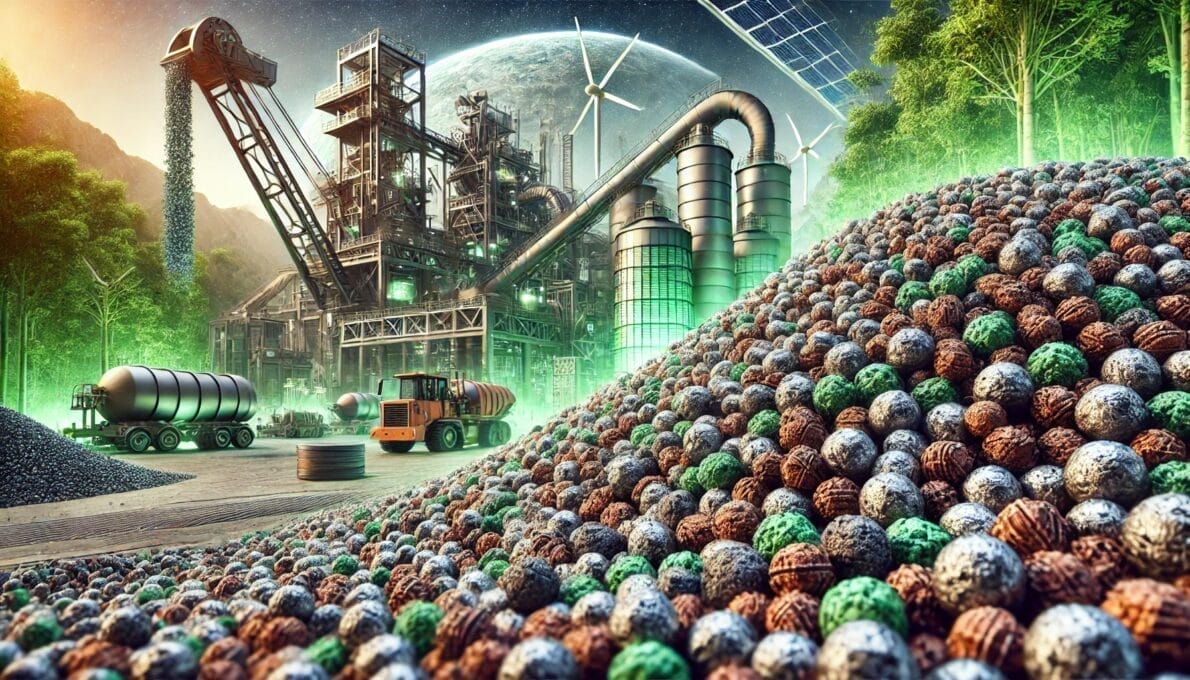
New Raw Material Promises to Revolutionize Mining: Meet the Pellet Feed, the “Green Ore” of the New Generation, Which Brings Several Advantages and Potential to Boost Brazil in the Mineral Sector
With the growing demand from the steel industry for sustainable solutions, Brazil, being the second largest producer of iron ore in the world, is gaining prominence on the international scene thanks to a new product: direct reduction pellet feed (DRPF), also known as “green ore.” This innovative raw material has the potential to transform the mining sector by offering a more ecological alternative, aligned with global sustainability and energy efficiency requirements – the future of global mining.
Meet the Pellet Feed – Regarded as the Future of Mining
Finer, richer, and with low levels of impurities, this green ore is intended for the production of iron ore pellets that, when used in the direct reduction process in steelmaking, reduce carbon emissions by up to 50%. Considering that this is the industrial sector with the highest global CO2 emissions, this is an extremely relevant impact.
Due to its exceptional quality and a promising alternative for decarbonization, there is currently a high global demand for direct reduction pellet feed, making it the future of mining. The Middle East and Europe, for example, are already giving total priority to the green ore. However, there are few producers, and Brazil is one of them, with production expanding.
-
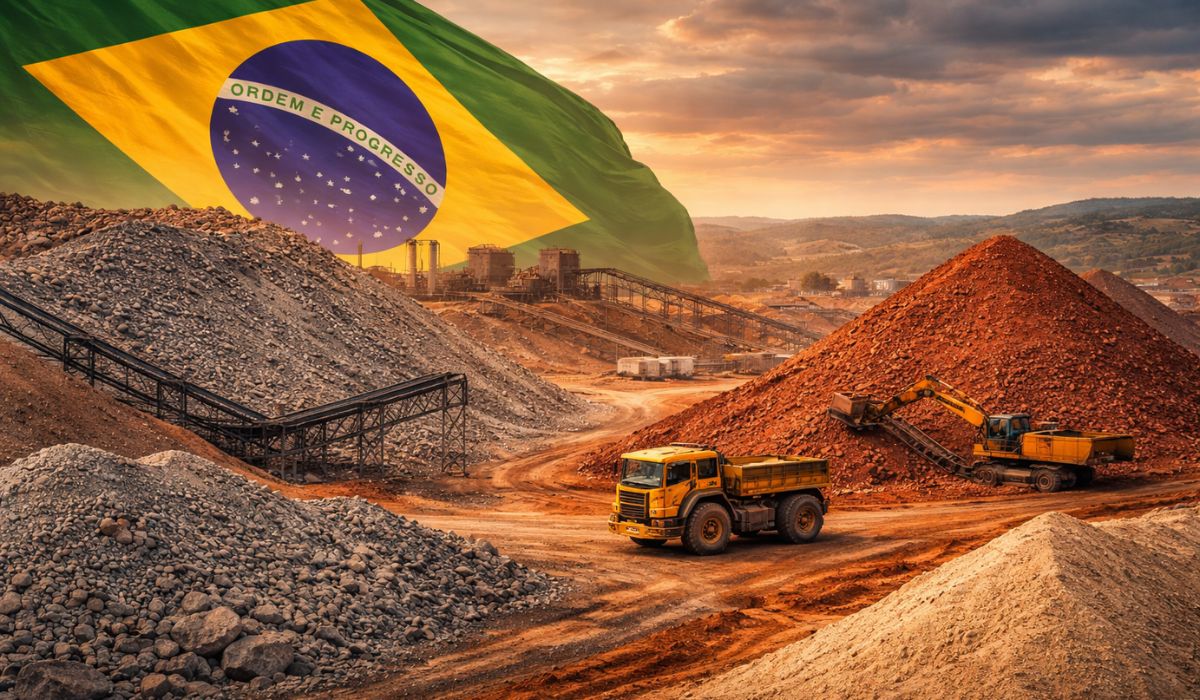
Brazil extracts 26.3 million tons of ore from what was previously treated as waste, transforming residues into wealth, producing over 3 million tons of sand, and demonstrating how national mining is relearning to generate value.
-
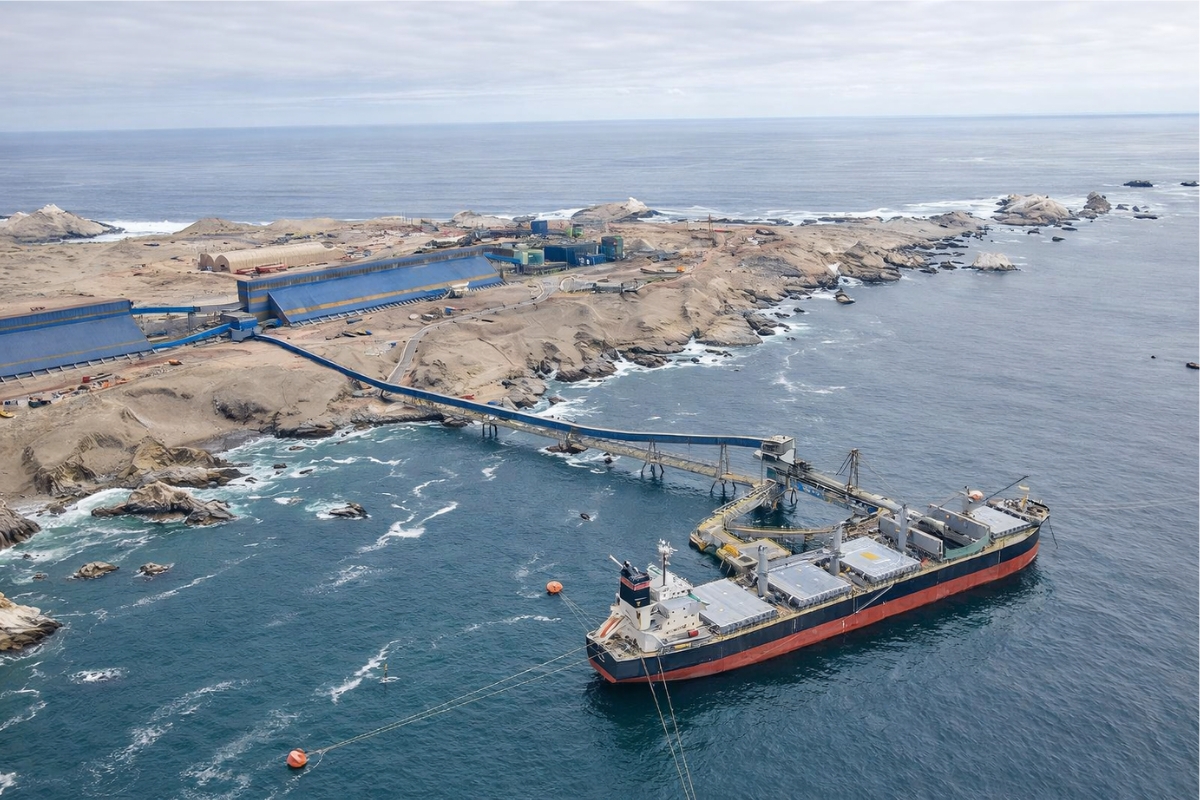
A $3.5 billion megaproject in Latin America pumps desalinated seawater at 1,050 liters per second over 194 km to keep a copper supermine in the Andes operational for another 20 years.
-
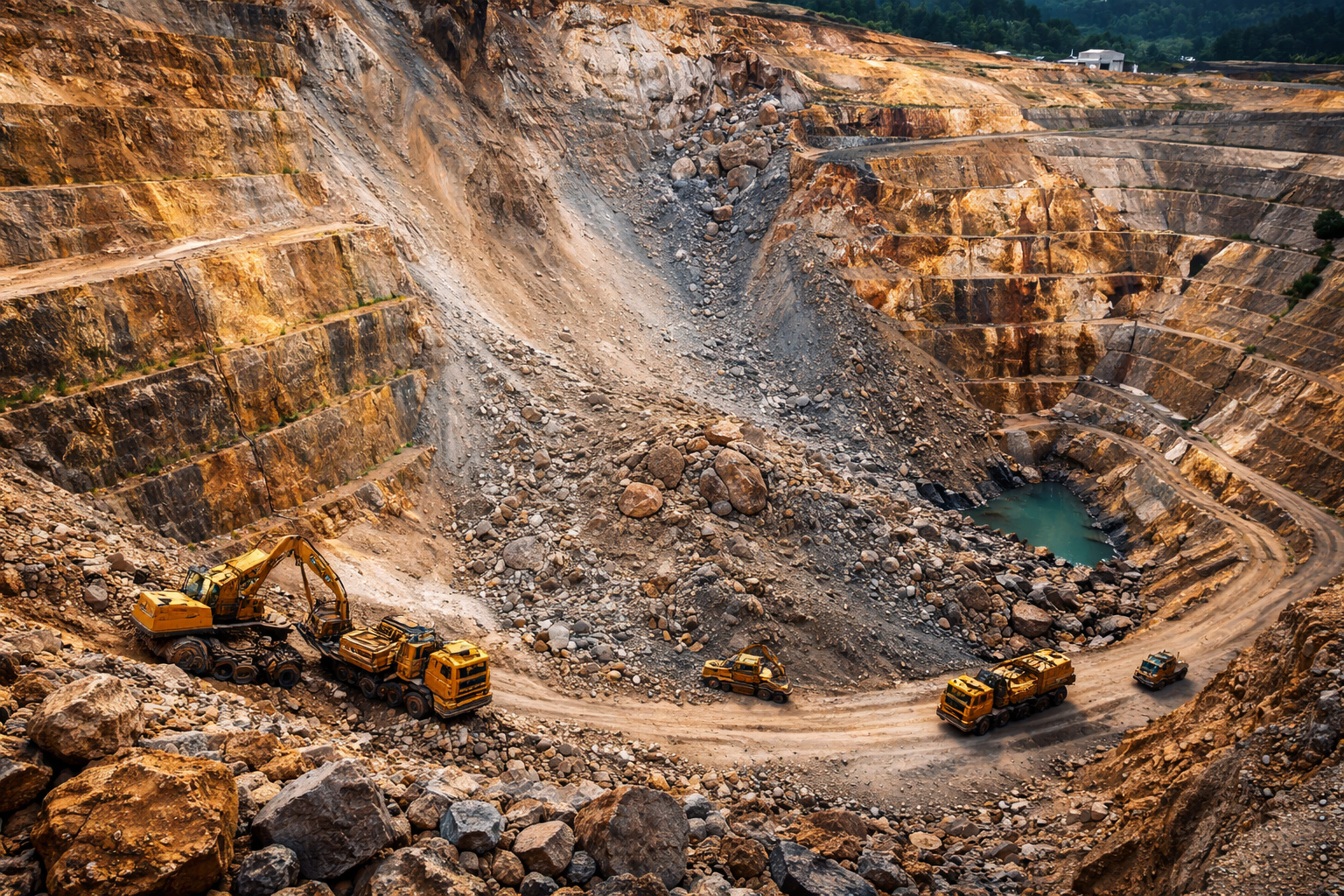
A hidden mine in the Andes valued at nearly R$ 1 trillion is starting to attract global attention, containing copper, gold, and silver, and raises an intriguing question: why do Argentina and Chile need to act together to exploit this gigantic wealth?
-
A silent discovery in the interior of Bahia could change the future of energy in Brazil: a uranium reserve in Lagoa Real has an estimated capacity to produce 400 tons per year and is already attracting the attention of energy sector specialists.
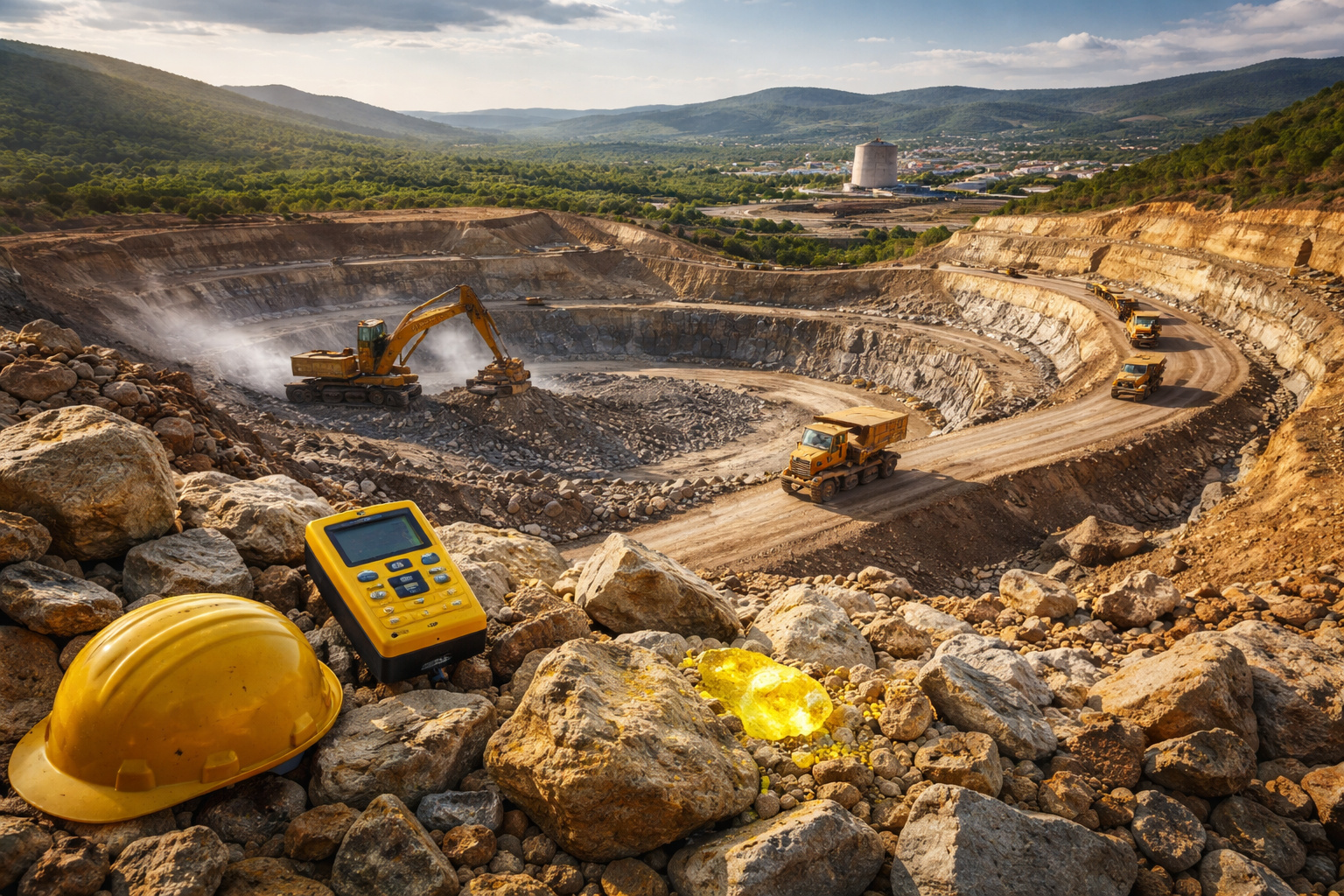

In Minas Gerais, Cedro Mineração, specialized in the extraction, processing, and commercialization of iron ore, intends to produce more than 25 million tons per year of pellet feed by 2030, becoming a reference in the sector.
The mining company, which focuses on sustainability as its central axis, aims to have 100% of its production in DRPF by the end of the decade.
Advantages of ‘Green Ore’
According to the chairman of Cedro Participações, Lucas Kallas, the company is focused on transitioning from the production of sinter feed (another iron ore product) to pellet feed, especially for direct reduction.
There is a growing demand for technological solutions in the future of mining for cleaner and more efficient steel production, which has directed significant investments to transform its production compatible with direct reduction processes.
The fundamentals of Cedro’s strategy are clear and justify the billion-dollar investment. Besides differentiation in the market through sustainability, pellet feed production ensures, for example, transportation savings, as the ore concentration is higher than in sinter feed (67% versus 60% of SF), in addition to a cleaner operation with operational gains.
However, primarily, DRPF is good for sales. With such a high grade and low levels of impurities, such as silica (1%) and alumina (0.5%), the green ore can be sold at higher prices than traditional iron ore.
The executive emphasizes that pellet feed meets the stringent requirements of modern steelmaking, which values energy efficiency and the quality of the final product. This level of purity is a significant advancement compared to traditional market products.
The Future of Mining Should Reach $50.6 Billion with Pellet Feed
The direct reduction iron ore market is expected to reach $50.6 billion by 2031, an incredible increase compared to the 2020 figures of $21.8 billion.
Consequently, the national economy also benefits. In recent years, Brazil has been losing market share and competitiveness in the global iron ore market compared to the largest producer, Australia.
In the current context of energy transition, however, a new window of competitiveness opens with DRPF, as the country can position itself to gain market. After all, pellet feed production requires a lot of energy, and clean energy, which Brazil has in large scale.






Seja o primeiro a reagir!