





 Portuguese
  English
  Spanish
  3 min of reading
  0 comments


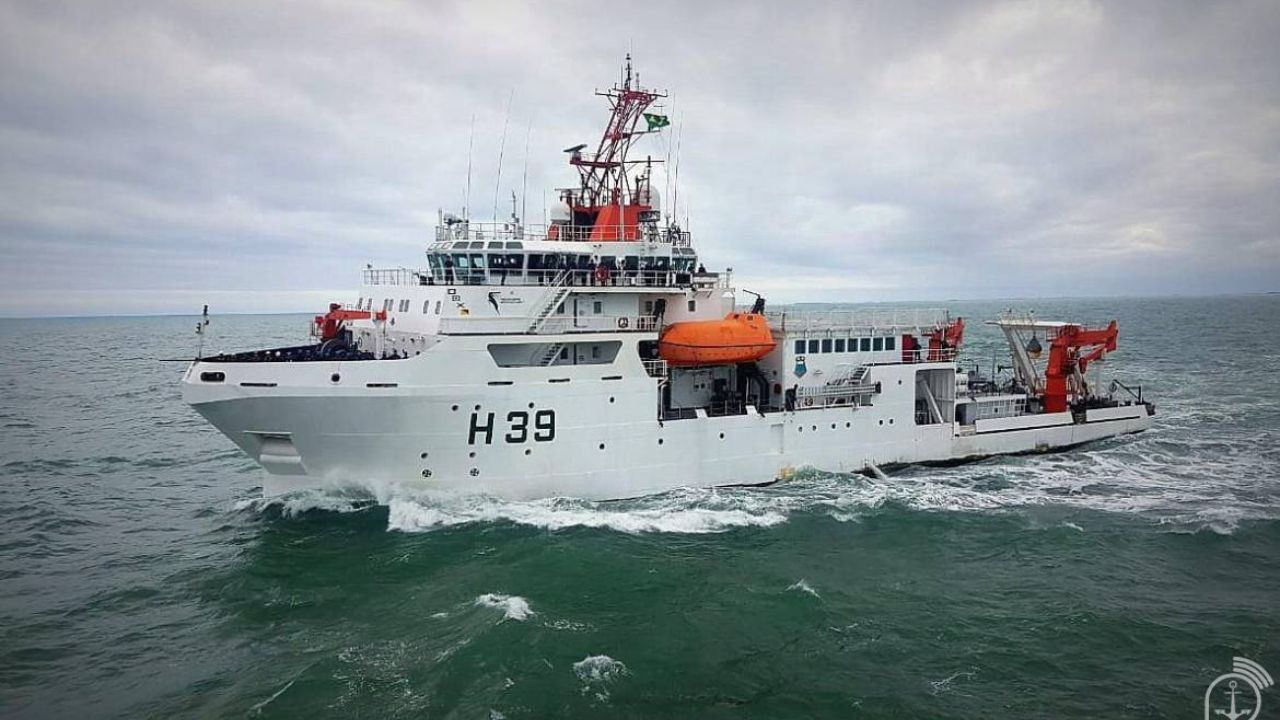
Away From Cannons, These Vessels Are Equipped With High Technology to Map Waters, Ensure Safe Routes, and Support Scientific Research, Being Essential for Brazil.
Little known to the general public, the “white ships” of the Brazilian Navy are fundamental to the sovereignty and development of the country. Without missiles but with sonars and precision sensors, its fleet of 21 vessels works silently to ensure the safety of those who navigate and to unveil the secrets of the marine environment.
What Are the “White Ships” and What Is Their Mission?
Instead of cannons, the white ships carry echo sounders and high-precision positioners. These hydro-oceanographic vessels of the Brazilian Navy (MB) play an essential role in ensuring navigation safety. They also engage in scientific research and environmental monitoring.
Their mission is to maintain safe maritime routes and safeguard human life at sea. They conduct hydrographic surveys and produce nautical charts, which are like maps of the sea. Additionally, they issue weather forecasts and take care of buoyage, which involves the installation and maintenance of buoys and lighthouses in rivers and along the coast. They pinpoint dangerous areas for navigators.
-
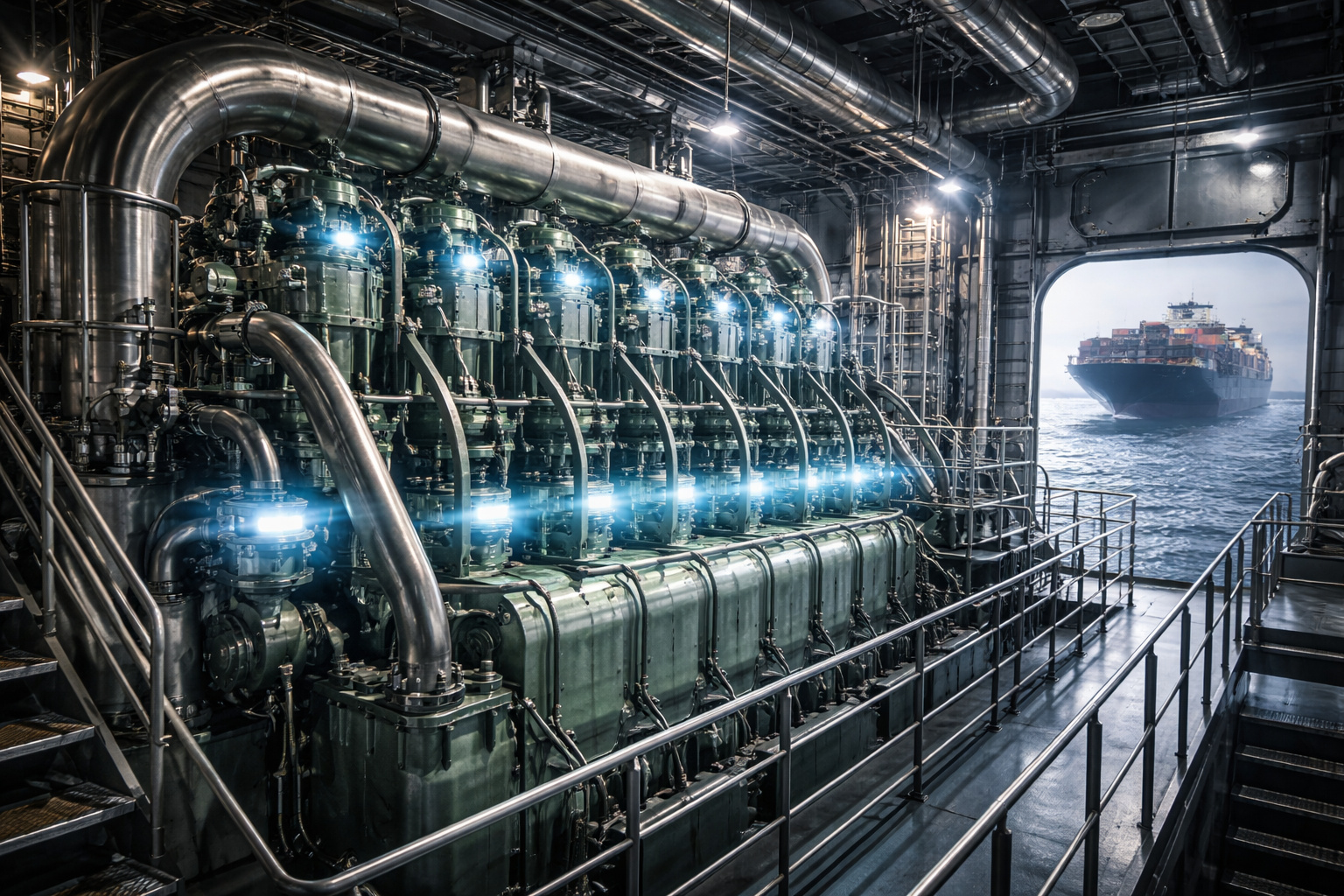
Europe is trying to create an ammonia-powered marine engine without auxiliary fuel, which could unlock the race for giant emission-free ships. The technology aims to eliminate one of the biggest obstacles to clean maritime propulsion.
-
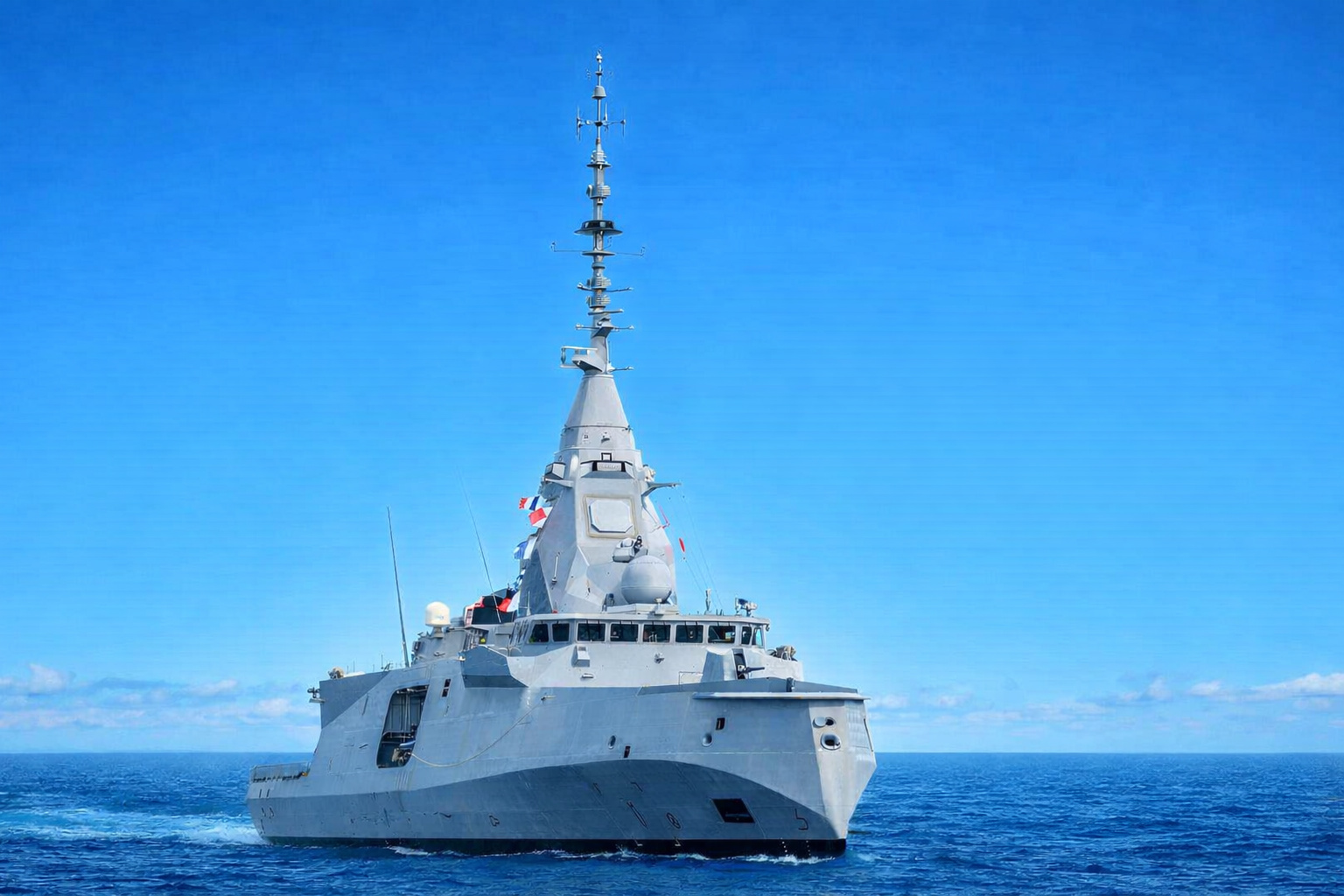
A 4,500-ton frigate with just over 100 crew members, state-of-the-art radar, and cruise missiles is being touted as the new standard of naval warfare in the 21st century.
-
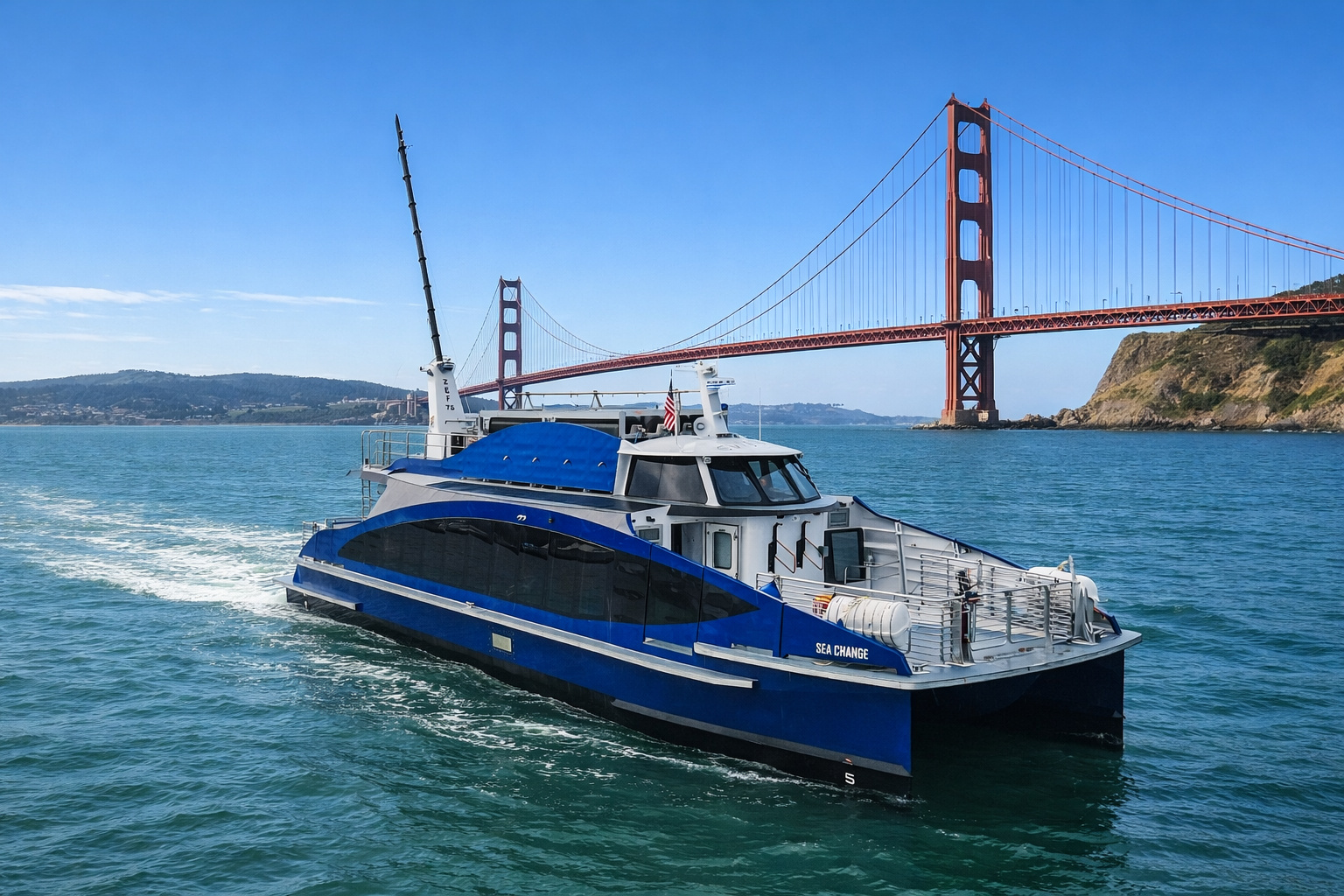
The first commercial hydrogen-powered ferry enters operation in the U.S., eliminates the use of diesel, uses fuel cells to generate clean energy on board, and transforms San Francisco Bay into a landmark of the new era of emission-free navigation.
-
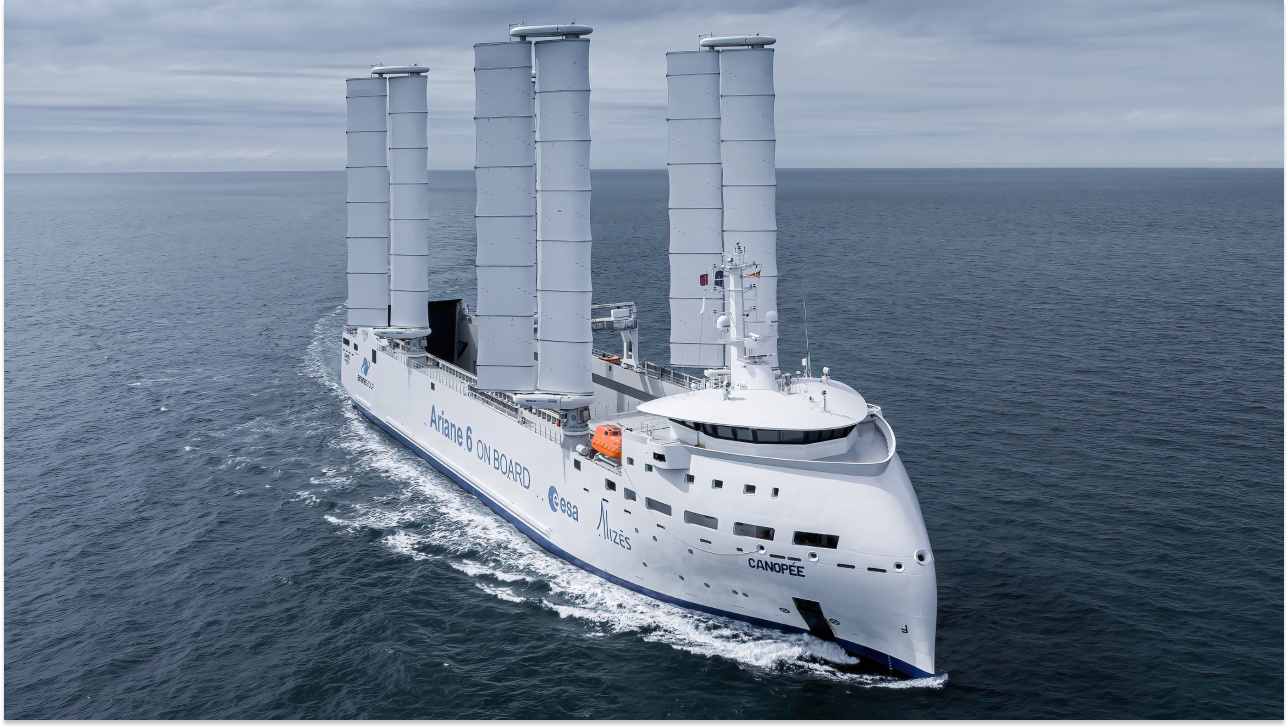
With a length of 121 meters and four rigid sails of 36 meters that automatically rotate to capture the wind, Canopée is the world’s first hybrid industrial cargo ship powered by wind, used to transport rockets and reduce fuel consumption by up to 30% on transoceanic routes.
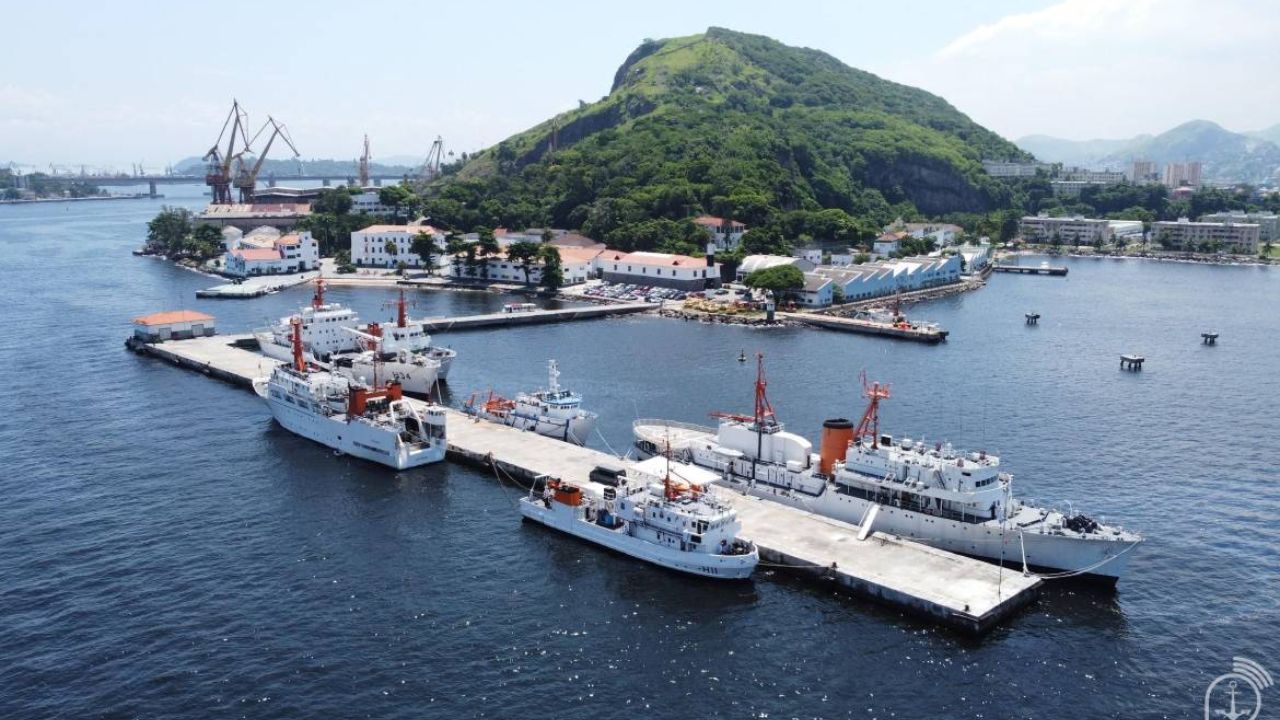
Mapping Brazilian Waters
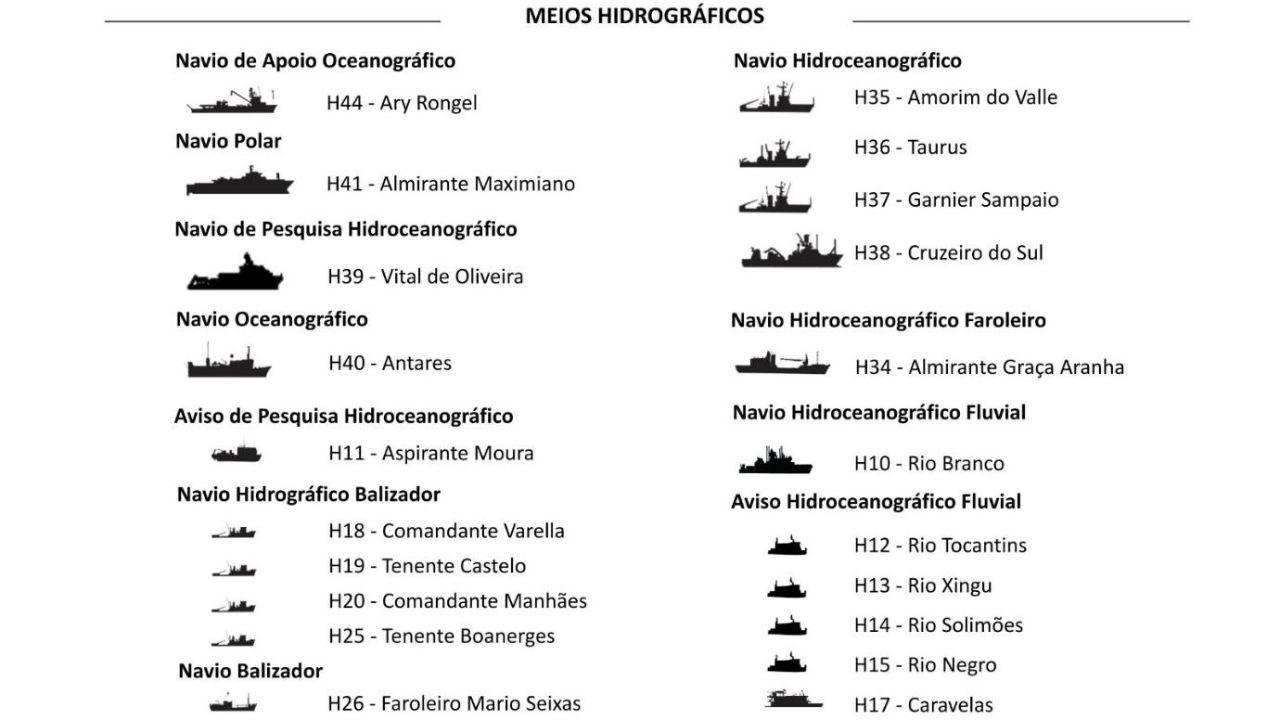
Many of these ships operate in hard-to-reach locations. They navigate through shallow waters and narrow river channels. This work allows for the discovery of new safe routes and enhances knowledge about the geography of Brazilian waters.
According to Frigate Captain Jorge Luiz Nascimento de Paula, the hydrography of the Navy is crucial for safety and science in the country. “Their continuous work ensures safe maritime routes and contributes to the knowledge of our seas and inland waters,” he states. A notable example is the Hydroceanographic Research Ship “Vital de Oliveira.” In 2015, it located the only Brazilian warship sunk in the country during World War II on the seabed.
The Intense Routine of Hydrographers
Work aboard the white ships is intense. Chief Petty Officer Alberto Rêgo Chaves Junior, with over 30 years of service and 1,600 days at sea, describes the routine. Data collection, processing, and verification dictate the rhythm of the missions, 24 hours a day.
“There is a symbiosis among the working groups,” explains the petty officer. Teams take turns operating the equipment and ensuring data quality. Despite the demanding routine, he says he would choose this career again. “The white ships represent, for me, professional and personal fulfillment. I know our work is useful for the nation.”
The Importance of White Ships in Combat Scenarios
The relevance of these vessels extends beyond peacetime. They hold significant strategic value. As emphasized by Frigate Captain Jorge Luiz, in conflict situations, hydro-oceanographic ships can operate in complex scenarios.
They are capable of conducting beach surveys for amphibious operations. They can also carry out reconnaissance of areas for mine warfare and characterize the environment in regions of strategic interest for a task force.
From Antarctica to the Training of New Professionals
In addition to the white ships, the Navy’s hydrography operates the “red ships” in Antarctica. The NApOc “Ary Rongel” and the Polar Ship “Almirante Maximiano” support the Brazilian Antarctic Program (PROANTAR). In the last operation, they supported 23 scientific projects involving 134 researchers.
The ships of the Hydrography and Navigation Directorate (DHN) also serve as training platforms. They host oceanography students for internships and contribute to the training of military and civilians. Lastly, they actively participate in nautical signaling, installing and maintaining lighthouses and buoys that guide navigators and protect Brazilian trade, 95% of which passes through ports.
Source: Brazilian Navy Agency of News.







-

-

4 pessoas reagiram a isso.