





 Portuguese
  English
  Spanish
  4 min of reading
  0 comments


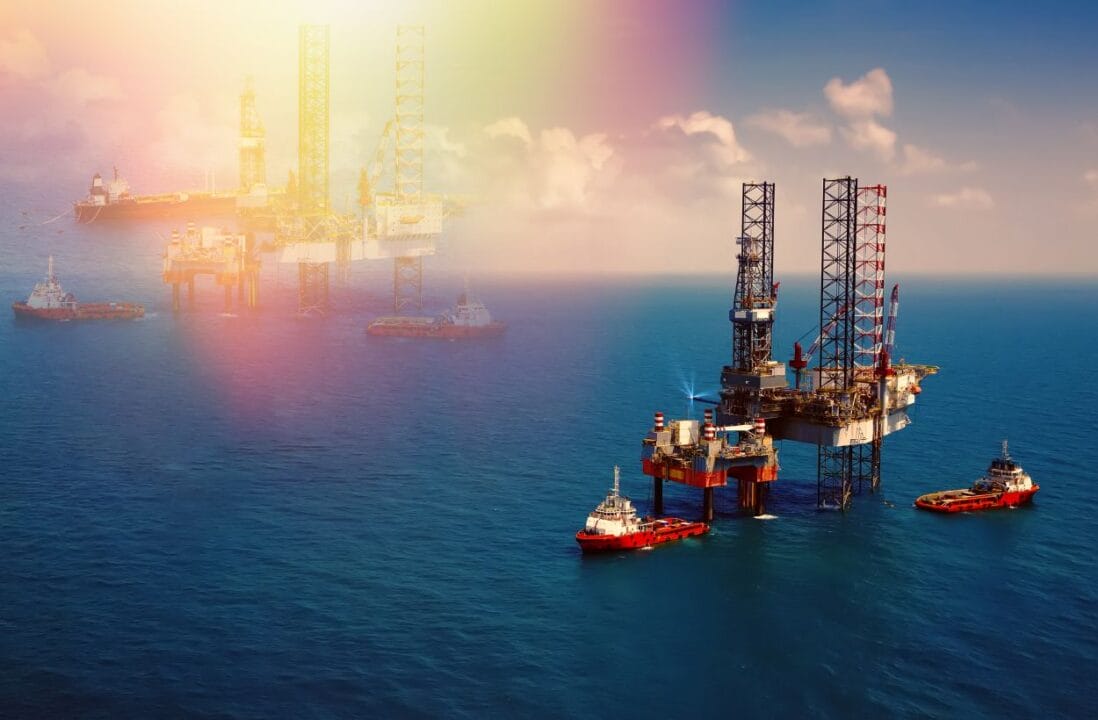
Detailing The Various Types Of Vessels Used In Offshore Operations, It Ranges From The Robust AHTS, Responsible For Anchor Handling, To The PLSVs, Crucial In The Installation Of Submarine Pipelines, Highlighting The Complexity And Importance Of These Vessels In The Maritime And Oil Industry.
In the offshore world, a fleet of specialized vessels plays crucial roles in oil and gas exploration and production operations. These vessels are designed to meet specific demands of the sector, ranging from the transport and handling of cargo to the execution of complex technical tasks on the seabed.
The offshore industry relies on sophisticated and robust maritime logistics, where each type of vessel plays a strategic role. AHTSs, for example, are essential for the installation and maintenance of offshore platforms, while PSVs ensure the continuous supply of essential resources for offshore operations. RSVs, with their advanced robotic systems, conduct inspections and underwater repairs, vital for maintaining critical infrastructure.
AHTS: Anchor Handling Vessel
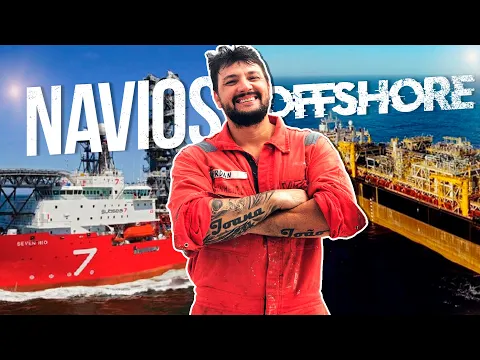

The anchor handling vessel, known as AHTS (Anchor Handling Tug Supply), stands out for its critical role in mooring operations. These vessels, not very large, have an open stern and are designed to transport, position, and recover anchors for offshore platforms.
-
The rise in oil prices could ensure an extra revenue of R$ 100 billion for the Federal Government, indicates a recent economic study.

-
Naturgy begins an investment of R$ 1.6 million to expand the gas network in Niterói and benefit thousands of new residences and businesses.

-
A major turn in the Justice system suspends tax increases and directly impacts oil and gas companies in Brazil by affecting costs, contracts, and financial planning, leaving uncertain what could happen to the sector if these costs had increased.
-
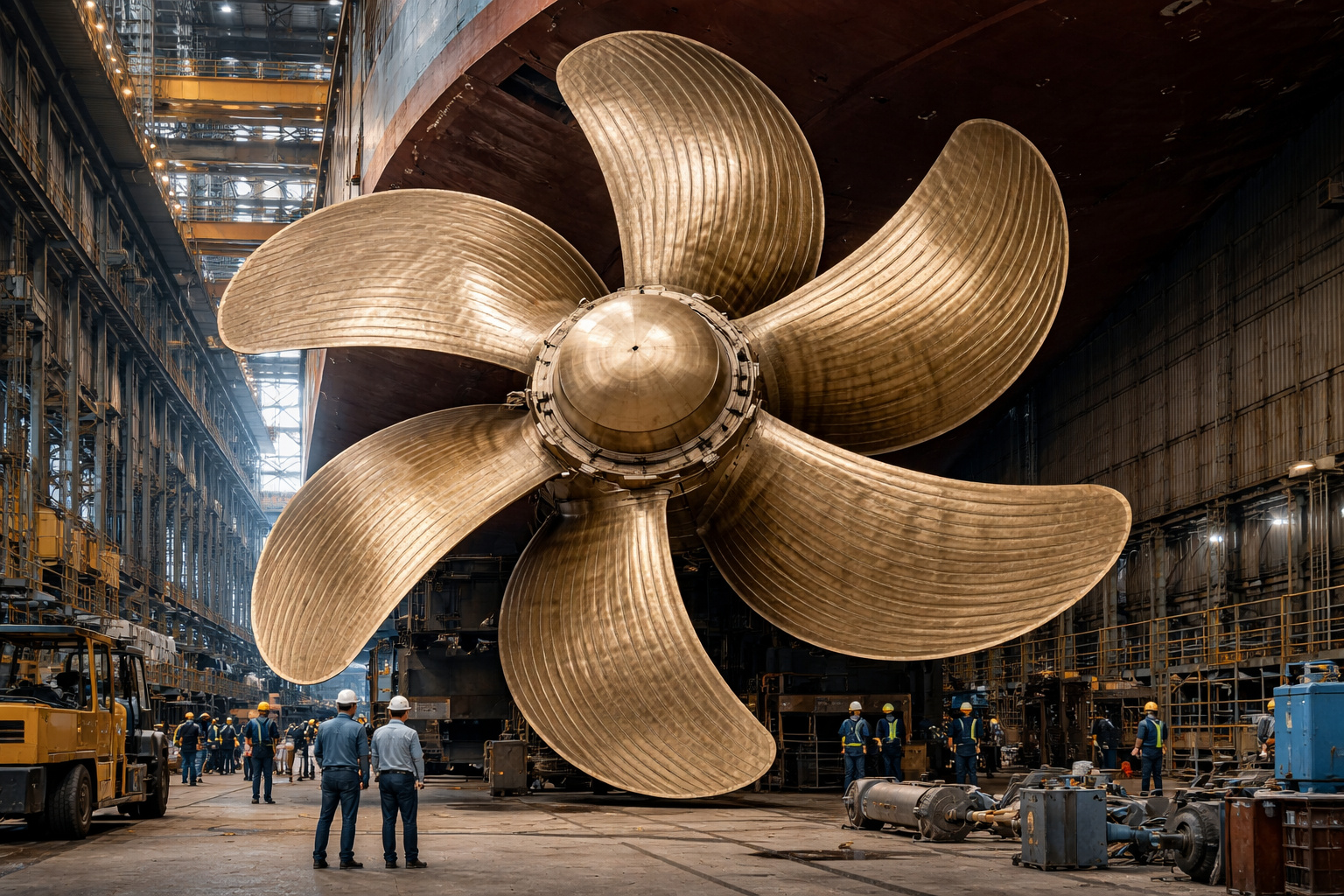
How a 131-ton, 11-meter propeller supports 90% of global trade and transforms the largest container ships on the planet.

PSV: Supply Vessels
Supply vessels, or PSVs (Platform Supply Vessels), are vital for transporting various supplies, from food and potable water to chemicals and tools, to offshore platforms and other vessels.
RSV: Equipped With ROVs
RSVs (Remote Subsea Vehicles) are vessels equipped with ROVs (remotely operated vehicles) to carry out complex tasks on the seabed, such as inspection, maintenance, and repair of underwater structures, aided by cameras and specialized tools.
SRV: For Rapid Interventions
The SRV vessels (Oil Spill Recovery Vessels) are designed for rapid interventions in oil spills, equipped with advanced technologies to collect pollutants and minimize environmental impacts.
PLSV: Installation Of Submarine Pipelines
PLSVs (Pipe Laying Support Vessels) are fundamental in the installation of submarine pipelines, connecting wells and production platforms, with enhanced capacities for storage and handling of piping.
Tugs: Maneuvers And Tows In Ports And Offshore Areas
Essential for maneuvers and tows in ports and offshore areas, tugs have high power and are capable of moving large maritime structures, ensuring safety and efficiency in operations.
In addition to their primary functions, many of these vessels have additional capabilities, such as firefighting and towing operations, demonstrating the versatility and strategic importance of these vessels in the offshore sector. This diversity of offshore vessels plays crucial roles in maritime operations, ensuring the safe and efficient execution of oil and underwater exploration activities.
History Of Offshore Vessels And Platforms
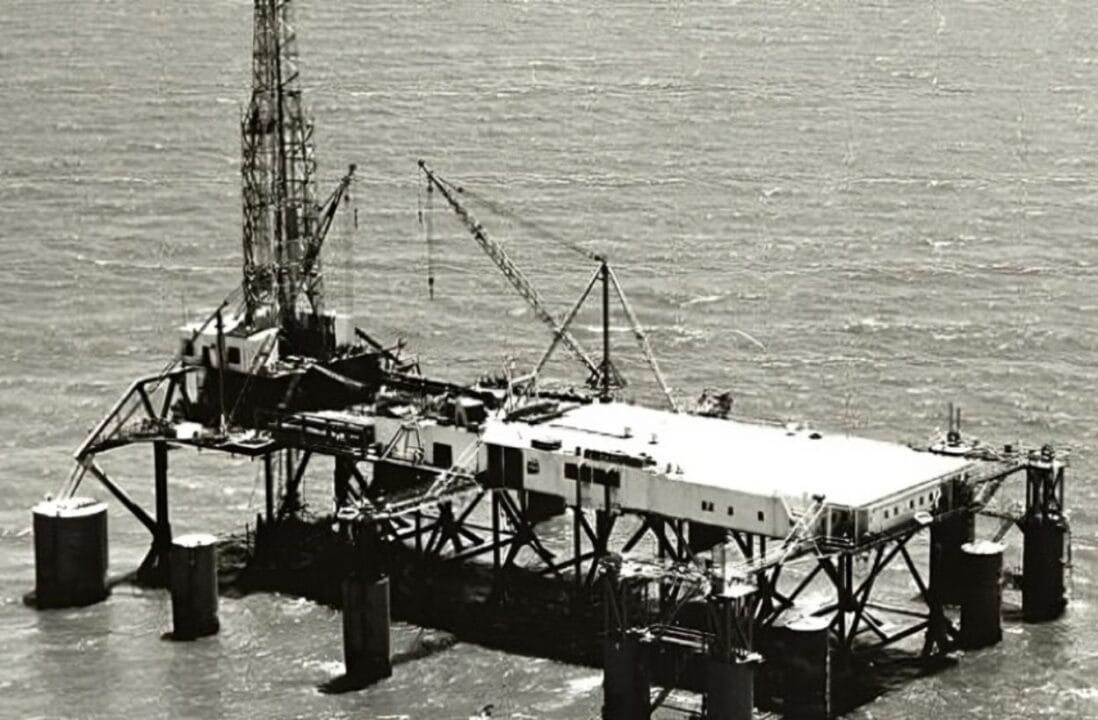
The history of offshore vessels and platforms is intrinsically linked to the evolution of offshore oil and gas extraction, marked by a constant quest for technological innovation and overcoming challenges. From the first subsea wells in freshwater at the end of the 19th century to the complex operations in deep waters today, the offshore industry has undergone significant transformations.
The modern era of offshore exploration began with the successful drilling of the oil well in the Gulf of Mexico by Kerr-McGee Oil Industries in 1947. This milestone initiated a new phase in oil exploration, with the development of fixed and mobile platforms adapted to operate in deep waters. The “Mr. Charlie,” the first operational MODU (Mobile Offshore Drilling Unit), symbolizes the innovation of the time, allowing drilling at various locations without the need for permanent infrastructure.
The following decades witnessed advances in drilling and extraction technologies, with the introduction of jack-up rigs, semi-submersible units, and eventually floating production systems that can operate at previously inaccessible depths. These innovations not only expanded the geographical reach of offshore exploration but also improved the efficiency and safety of operations.
In the current landscape, offshore platforms and vessels are central pieces in the global energy industry. They enable the exploration and production of oil and gas in remote locations, facing challenges such as extreme ocean depths and harsh environmental conditions. Offshore exploration now involves advanced technologies, such as dynamic positioning systems for vessels and platforms, as well as highly specialized drilling and extraction techniques that minimize environmental impact and increase production efficiency.






Seja o primeiro a reagir!