Portuguese
  Spanish


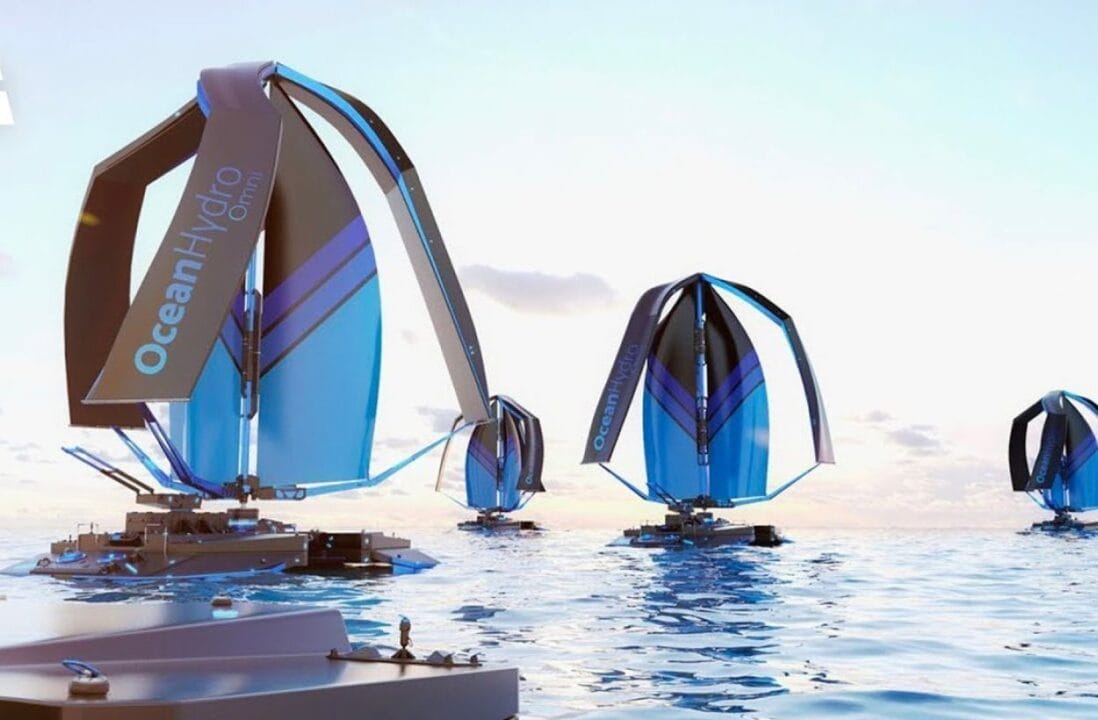

The OceanHydro Omni Emerges as a Revolutionary Solution in Offshore Wind Energy Generation, Combining Hydraulic and Wind Technologies to Overcome the Limitations of Conventional Mills, Promising Greater Efficiency, Sustainability, and Energy Storage Capacity in Response to Growing Global Demand.
With global electricity demand rising due to population growth and technological advancements, the search for renewable energy sources is becoming increasingly critical. Wind energy, already known to surpass solar in production, emerges as a strong candidate to meet this need. Studies suggest that offshore wind energy has the potential to meet global energy needs on its own. However, current technical and cost limitations challenge its viability.
In response to these challenges, the OceanHydro Omni emerges as a promising technology that combines hydraulic and wind energy, offering a powerful and effective solution for offshore energy generation. Moving away from traditional windmills, the Omni utilizes vertical-axis wind turbines, capable of capturing winds with high efficiency, even in adverse conditions.
Offshore Wind Energy

Data indicates that about 80% of global wind resources are located offshore, presenting a vast opportunity for this new approach. Conventional offshore wind energy, despite its potential, faces challenges such as wind intermittency and installation limitations. Larger turbines, such as those developed by Siemens Gamesa, promise record capacity, but also entail high costs and logistical complexities.
-
World’s Largest Engie Solar Plant in Brazil Highlights Billion-Dollar Energy Waste Issue: Company Considers Batteries and Bitcoin Mining to Avoid Wasting Production

-
Air Products Cancels $2.9 Billion Clean Hydrogen Megaproject in Louisiana, Shuts Down Arizona Unit, Highlighting High Costs of U.S. Energy Transition
-
Over 60 Tractors Take to the Streets in Lopera as Solar Parks Compete with Olive Groves, Affecting 13,000 to 100,000 Trees According to Conflicting Reports

-
Green Hydrogen Projects in Northeastern Brazil Stalled for 18 Months Awaiting Government Decree, Delaying Billions in Investments


OceanHydro Omni
The OceanHydro Omni, however, overcomes these barriers with an innovative system that not only generates energy more consistently and reliably but also offers storage solutions, operating efficiently across a wide range of wind speeds. This makes offshore wind energy more flexible and adaptable to fluctuations in energy demand.
The first prototype of the OceanHydro Omni is set to be launched soon, promising not only to generate energy more efficiently but also to act as an integrated energy storage and management solution. This development represents a significant milestone in the advancement of renewable energies, enabling a more sustainable global energy transition that is less dependent on fossil fuels.
Thus, the OceanHydro Omni is not just an alternative to traditional windmills; it is also a necessary evolution in the search for renewable energy sources that are economically viable and ecologically sustainable, capable of meeting the planet’s growing energy demands with greater efficiency and lower environmental impact.
How Does Offshore Wind Energy Work?
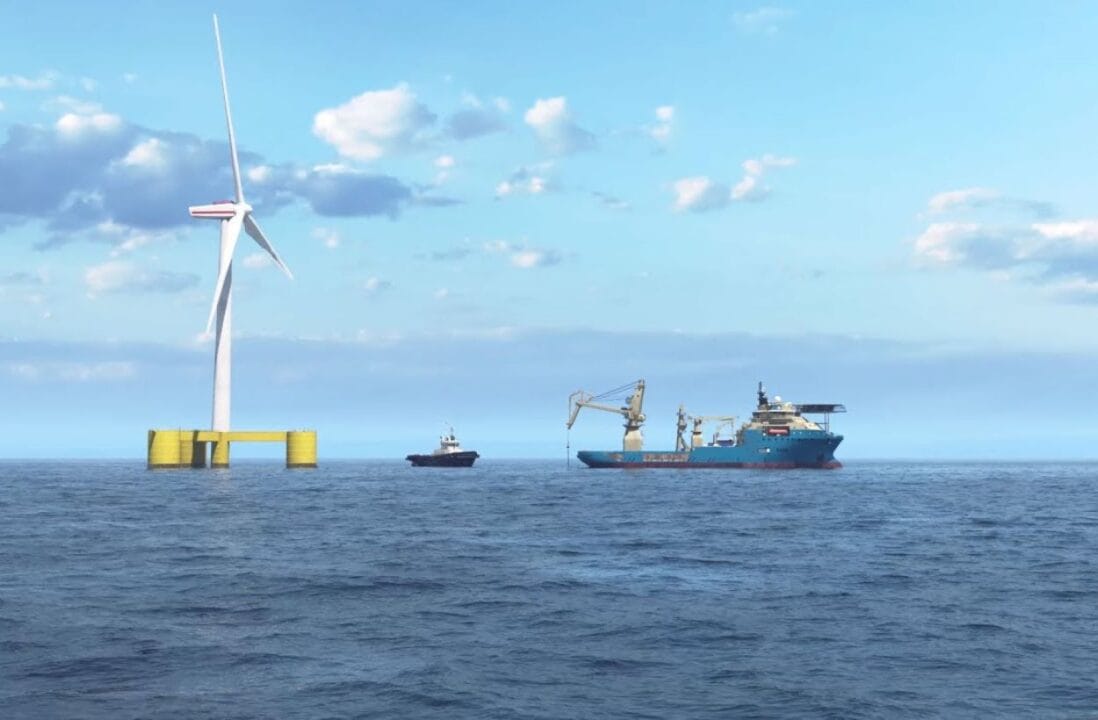
Offshore wind energy operates with turbines placed in the sea to capture stronger and more consistent winds, available far from land barriers. These turbines, fixed to the seabed or on floating platforms, transform the kinetic energy of the wind into electricity, using rotating blades connected to a generator.
Although Brazil has significant potential for offshore wind energy development due to its extensive coastline and favorable wind conditions, this market is still in the early stages of exploration. The country has the opportunity to become a leader in this sector, utilizing its vast coastal areas for renewable energy generation.
Difference Between Onshore and Offshore Wind Energy
Onshore wind energy is generated on land, while offshore is produced at sea. Offshore turbines are larger and more powerful due to the favorable conditions at sea, such as stronger and more consistent winds, and have lower visual and sound impacts. Offshore exploits wind potential more efficiently, representing a significant advancement in terms of energy generation capacity.
Offshore wind farms can impact marine life and birds, but are generally considered less harmful than other forms of energy generation. It is important to conduct detailed environmental studies to minimize these impacts, ensuring that marine biodiversity is preserved. While there are challenges, offshore wind energy is seen as a cleaner and more sustainable alternative, significantly contributing to the reduction of fossil fuel dependence and climate change mitigation.