





 Portuguese
  English
  Spanish
  3 min of reading
  12 comments


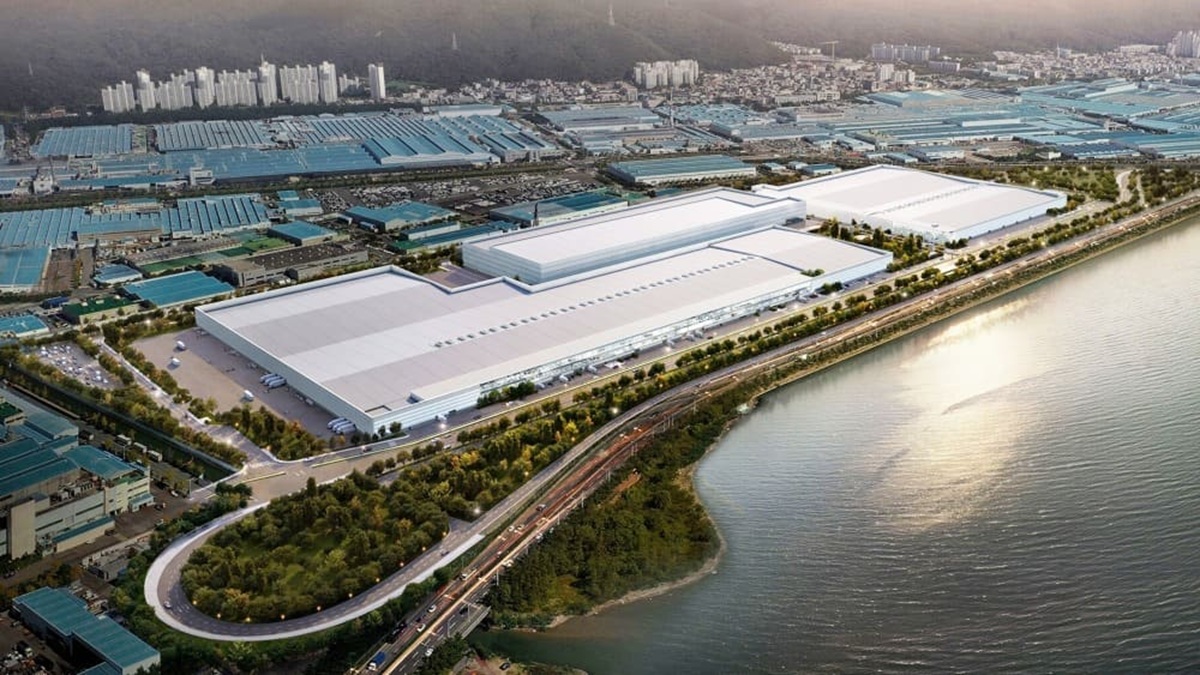


The Largest Automobile Factory on the Planet, Hyundai’s Complex in Ulsan Produces 1.5 Million Cars Per Year and Exports Directly from Its Own Port.
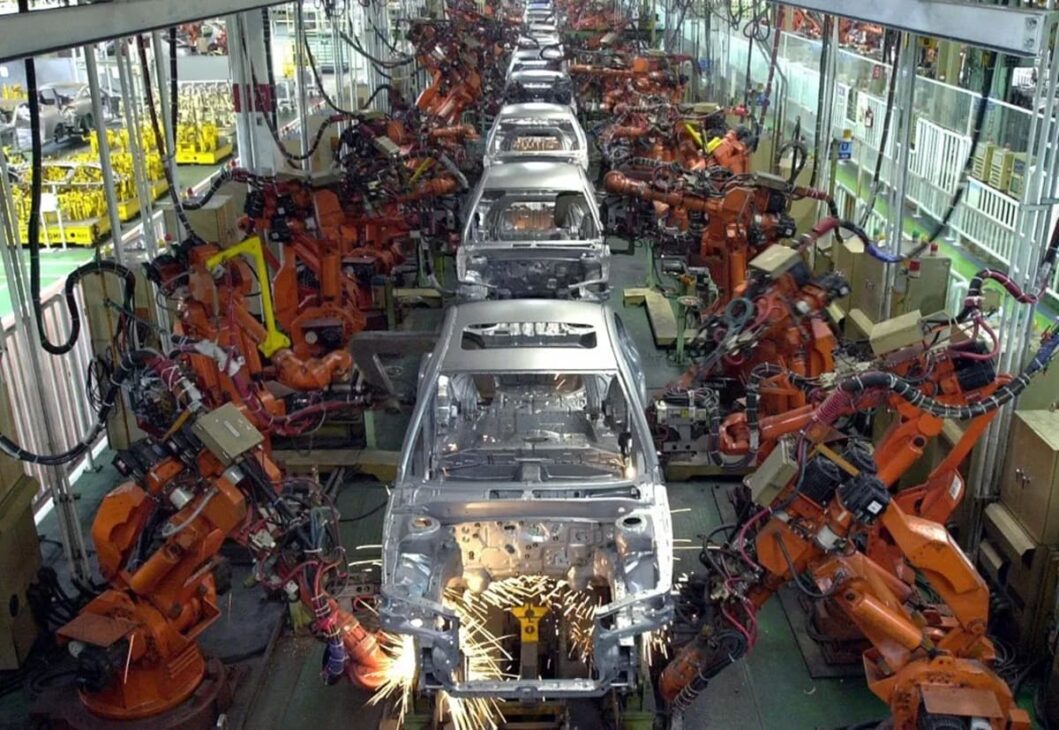
The largest automobile factory in the world impresses not only with its size but also with the speed of production.
In South Korea, the city of Ulsan is home to one of the greatest achievements of the global automotive industry. This is where the largest car factory on the planet, operated by Hyundai, is located.
The facility impresses with its numbers and the efficiency of the process: 17 different models are produced, with an average of 1 vehicle every ten seconds.
-
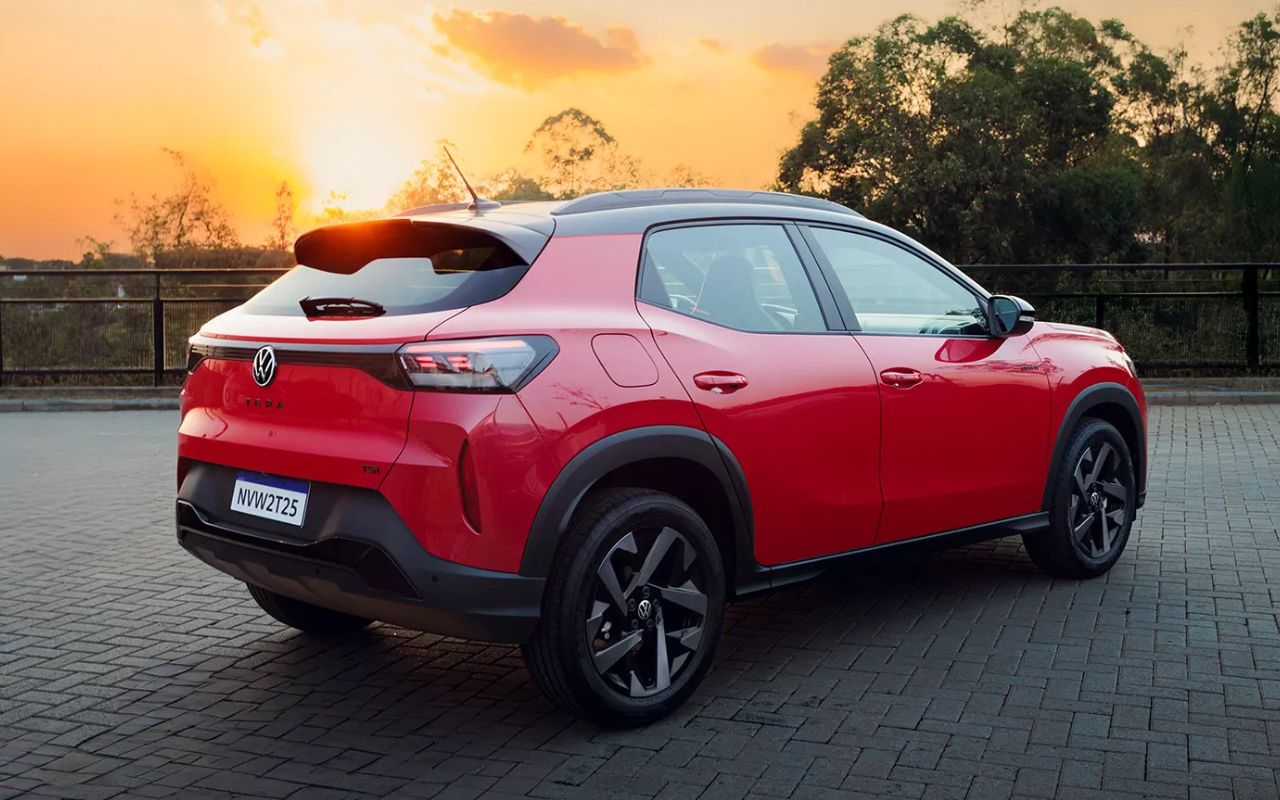
It surpassed the T-Cross, Creta, and Tracker: with nearly 8,000 units sold, the Volkswagen Tera was the best-selling SUV in March 2026.
-
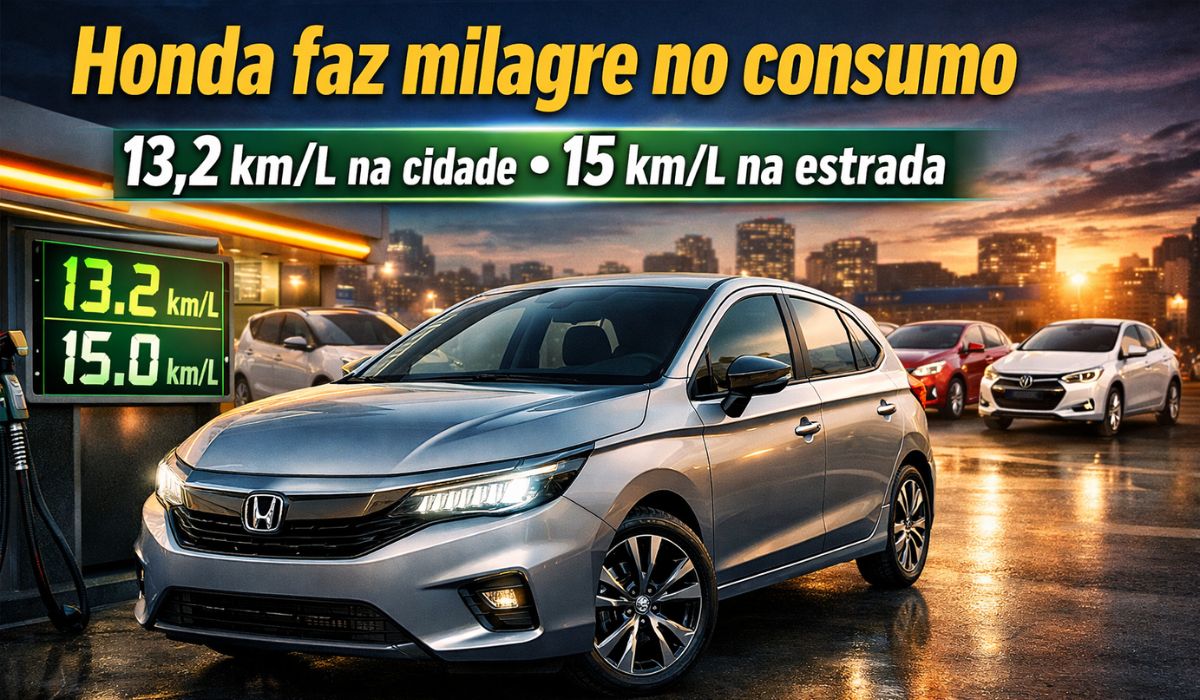
Honda performs miracles in fuel consumption with a hatch that marks 13.2 km/l in the city and 15 km/l on the highway, leaving Polo, HB20, 208, and Onix behind and becoming a reference among compact cars without resorting to turbo or hybrid systems.
-
Six diseases that seem common but can prevent the renewal of the driver’s license for the elderly throughout Brazil and surprise experienced drivers — could any of them affect you without showing clear signs?

-
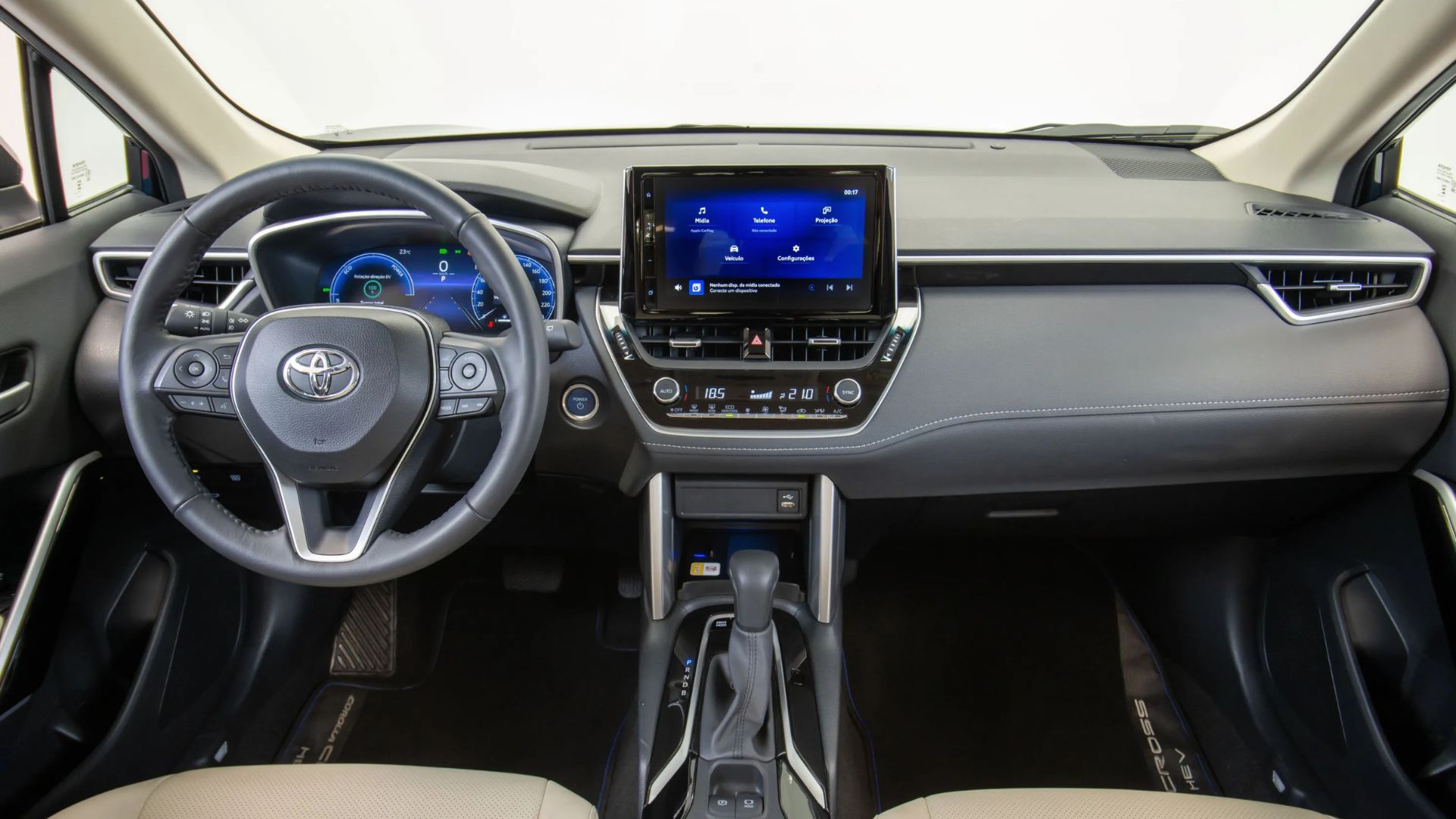
With 122 hp, fuel consumption of up to 17.7 km/l, and a trunk capacity of 440 liters, this hybrid SUV impresses even though it costs up to R$ 47,000 more than the Yaris — meet the Toyota Corolla Cross.

Uncommon Capacity
The Ulsan factory has an annual production capacity of 1.5 million vehicles. This number is nearly double the total production of the United Kingdom in 2024, which has 25 factories.
It also represents enough to meet 98% of the demand for new cars in Italy during the same period.
The entire process occurs within the same complex: manufacturing, testing, and shipping of vehicles.
This is only possible because Hyundai has its own port next to the facilities.
At the end of the production line, the cars are taken directly to a cargo ship with a capacity for 6,000 units, which departs for over 200 countries.
Unique Complex in the World
The site houses not only the five main factories.
It also has production units for engines and transmissions, as well as an exclusive port for vehicle transportation — the only one of its kind in the world.
About 75% of the vehicles produced there are destined for export.
The operation runs at a fast pace. The assembly lines operate 18 hours a day.
Popular models like the Hyundai Tucson and Santa Fe come from there, along with the luxury cars from the Genesis line.
The factory is also preparing for the future. In 2026, a new plant dedicated exclusively to the production of electric vehicles will be inaugurated, where the Genesis GV90 will be manufactured.
From Ford Cortina to High Technology
Inaugurated in 1968, the factory began by manually assembling Ford Cortina models for the South Korean market.
Decades later, it has transformed into a mega structure. Between one factory and another, visitors encounter green areas with about 600,000 trees planted throughout the complex.
Factory 5 stands out for producing the most sophisticated Hyundai models, like the Genesis G70, G80, and G90.
The SUV Palisade and the hydrogen-powered Nexo also come from there. The batteries for the electric Genesis G80 are assembled at the same location.
After quality control, the cars are taken to the parking lot next to the dock. There, drivers maneuver the vehicles at high speed into the interior of the ship. Shortly after, they return running to repeat the process. On average, a newly loaded ship departs the port every 24 hours.
This integrated production model allows Hyundai to reduce costs and save time. It is one of the secrets behind the impressive scale achieved by the largest automobile factory in the world.







A ÁGUA SEMPRE CORRE PARA O MAR. ERRADICAR A POBREZA? QUEM VAI FAZER ISSO?
A Coreia do Sul e o Japão podia fazer uma união, isso seria possível num futuro, será?..
Considero tudo isso espetacular. O Planeta navega por grandeza e riqueza para os mega empreendedores. Pena que nao erradica a pobreza, para vender mais carros. Venderia muito mais. E pena que não termina as guerras, que detonam os países envolvidos. Venderia muito mais.
A riqueza precisa ser para todos. É horrível ser rico e conviver com a miséria dos que nos cercam
Por outro lado, quem limparia nossas casas e faria nossos trabalhos pesados se não houvessem os pobres? Precisamos de robôs inteligentes para fazer as tarefas pesadas, sujas e perigosas, e em seguida, promover a independência dos pobres. Eis o caminho.
Assim teremos mais fábricas como essa. S
Sonho com uma assim em Moçambique, uma em Portugal, uma em Angola. E talvez uma em Honduras.
G. G. Carsan. Brasil.