





 Portuguese
  English
  Spanish
 5 min of reading
  0 comments


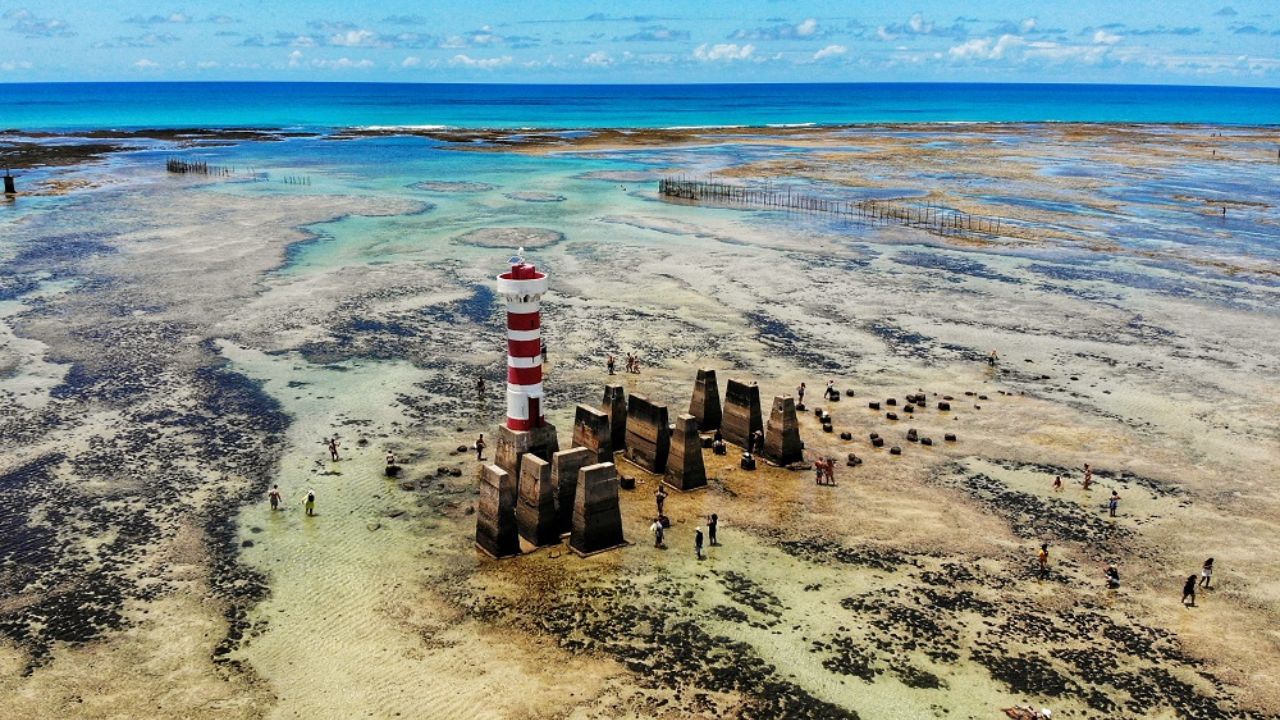
Detailed Analysis Reveals How Continuous Investments, Strategic Planning, and a Governance Model Transformed the Coastal Area of the City into an Attraction for Leisure, Sports, and Real Estate Appreciation.
Maceió has established itself nationally as the capital with the best-structured waterfront in Brazil. This reputation, which goes beyond its undeniable natural beauty, is the result of a long-term project that transformed the coastal areas of the neighborhoods of Pajuçara, Ponta Verde, and Jatiúca into an open multifunctional complex. The space, which was once just the boundary between the city and the sea, has become the main civic, social, and economic asset of the Alagoan capital, serving as a true paradigm of coastal urban development in the country.
But how did the city achieve this status? The answer lies not in a single project, but in decades of sustained investments, planning that prioritizes human experience, and a sophisticated governance model. The combination of high-quality infrastructure, a diversity of public amenities, and a vibrant economic activity has generated a virtuous cycle that boosts tourism, the real estate market, and, primarily, the quality of life for residents and visitors.
The Anatomy of Success: Infrastructure That Generates Life
The excellence of Maceió’s waterfront is supported by meticulously planned infrastructure. The functional base, or “hard infrastructure“, ensures safety and accessibility, being a decisive factor for the intense use of the space at any time. Elements such as high-quality paving, well-defined bike lanes, and a comprehensive lighting system, combined with visible policing, create a high sense of security that encourages the presence of families and the practice of nighttime activities.
-
According to specialists, after the age of 60, elderly individuals can indeed take creatine every day, but the decision depends on little-known factors that can completely change the effects.

-
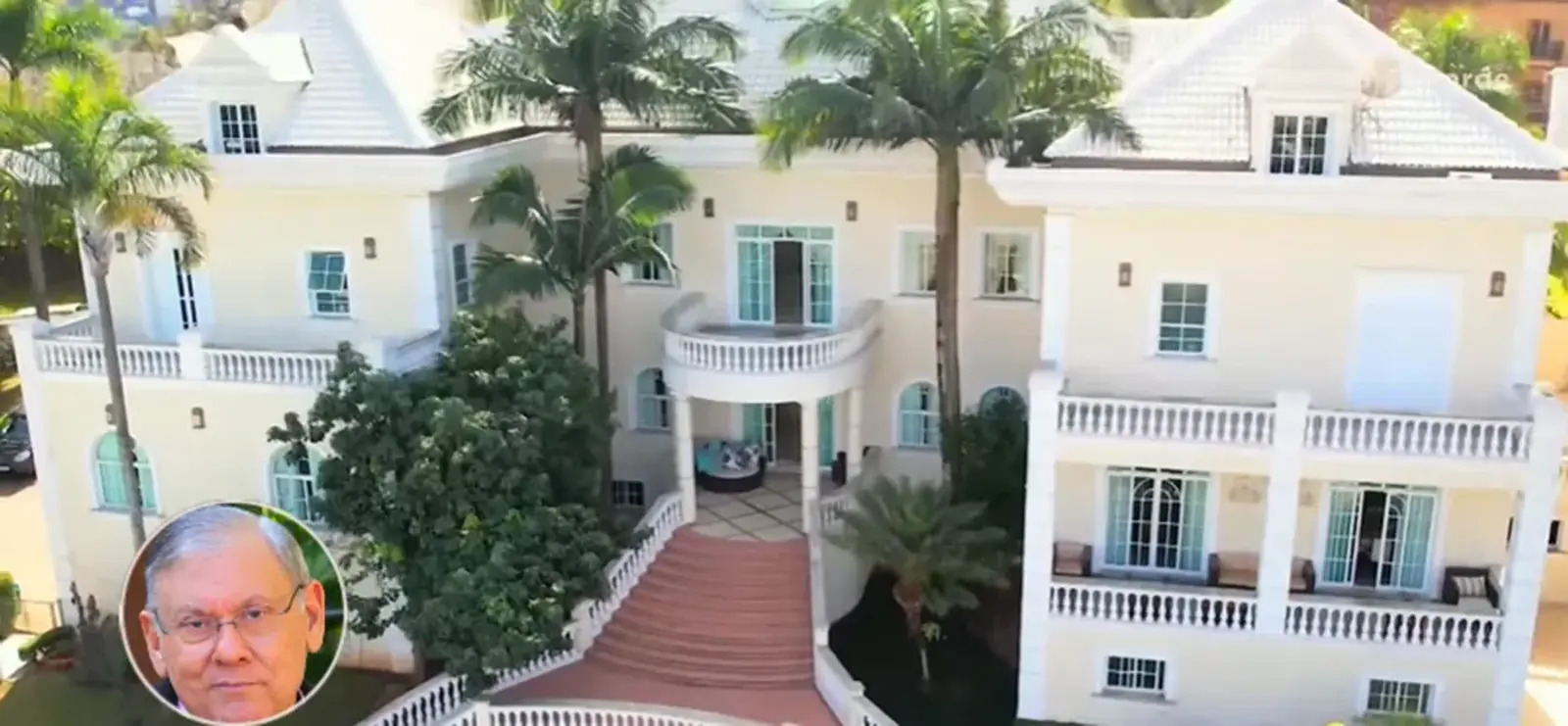
A 63-year icon of Brazilian sports TV showcases a R$ 70 million mansion in Alphaville, featuring 5,000 m², seven floors, a squash court, a soccer field, a swimming pool, two wine cellars, and a leisure area that resembles a private resort.
-
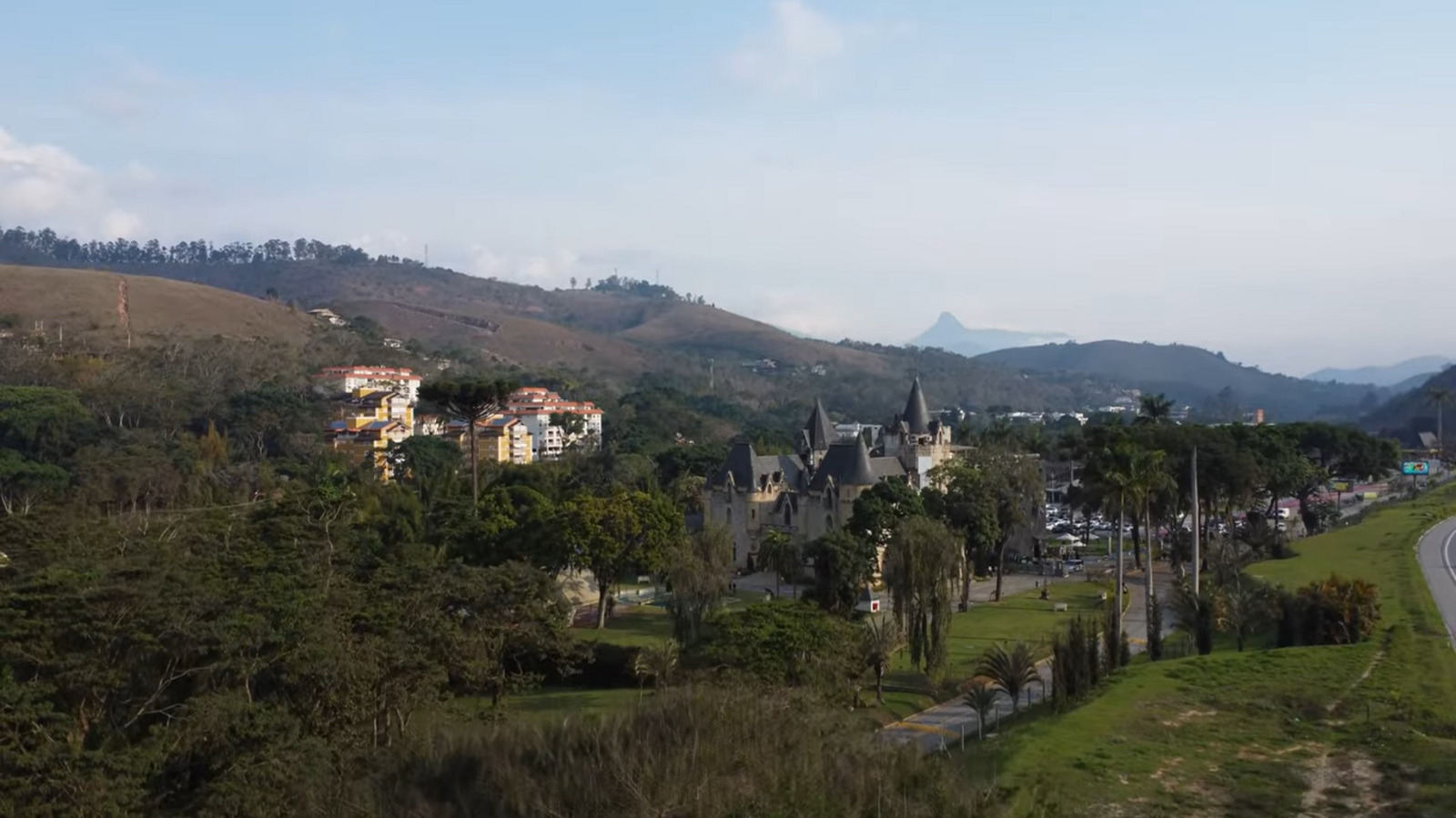
Cradle of the Empire and the first beer in Brazil, a city from 1822 located at 800 meters above sea level with a mild climate, European-style streets, historic palaces, and walks that can be done entirely on foot.
-
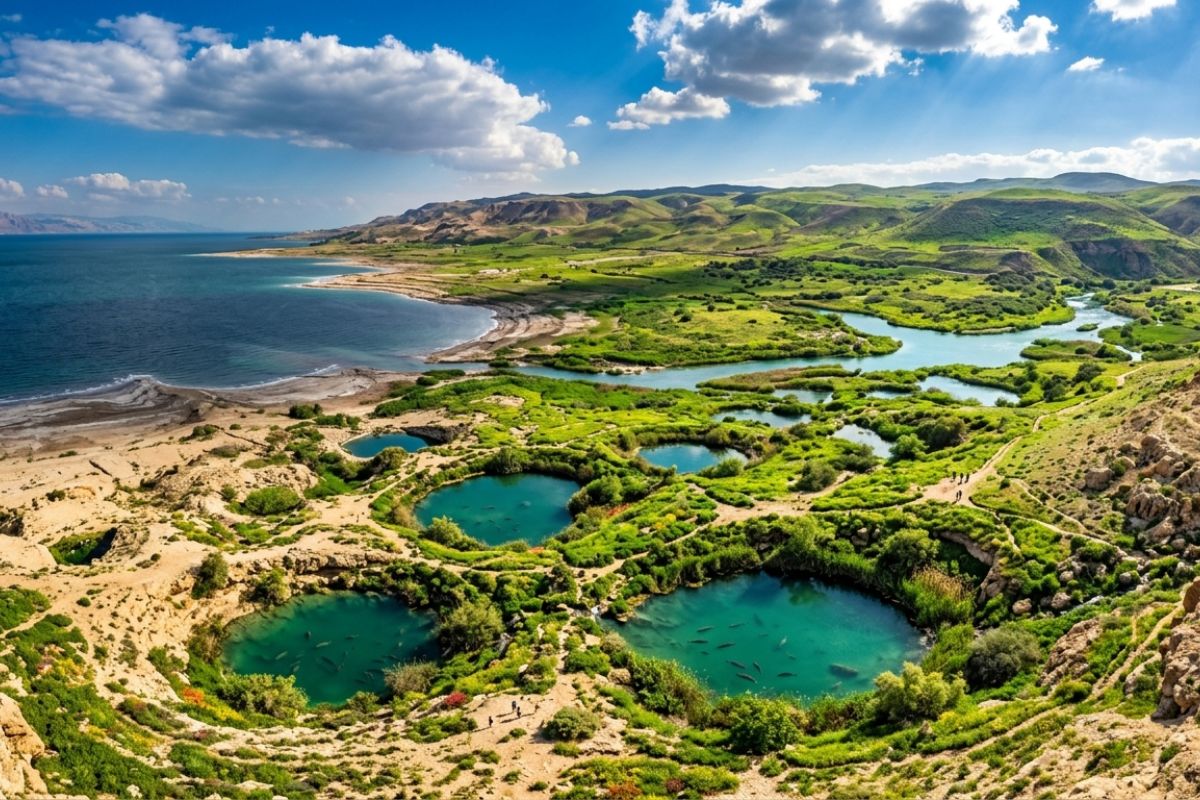
The Judean Desert flourishes alongside the Dead Sea, craters turn into freshwater lagoons with fish, and satellite images show Israel greener, raising debate about biblical prophecies in the world.
Complementing this base, user comfort and well-being are priorities. According to information from the TNH1 portal, a prominent project foresees the construction of new public restroom modules along the waterfront, a crucial investment to meet high demand. Additionally, the City Hall of Maceió details the installation of hundreds of pieces of modern and sustainable urban furniture, such as benches and loungers, which not only enhance comfort but also modernize the aesthetics of the boardwalk, demonstrating a continuous commitment to maintaining and improving the space.
Green Stripe: The Symbol of Priority for the Citizen
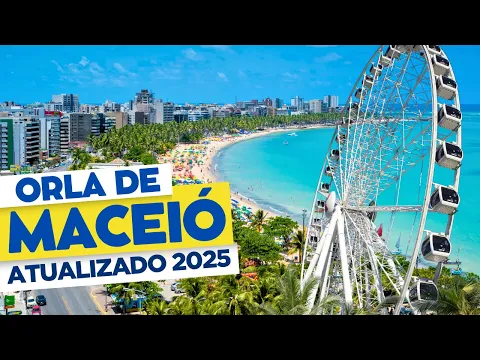

Perhaps the most emblematic project of this new phase is the “Green Stripe”. What began as a tactical intervention to dedicate a lane for pedestrians, runners, and cyclists quickly became a popular success. As reported by the City Hall of Maceió, the initiative has evolved into a permanent and expanded project, with signage and physical separators that ensure user safety. The “Green Stripe” is the materialization of a public policy focused on active mobility and health, creating a huge linear park that integrates different neighborhoods.
The success of the “Green Stripe” illustrates a differential of Maceió’s management model: the ability to respond promptly to public demand. The appropriation of the space by the population justified its expansion and improvement, creating a virtuous cycle where quality public investment generates massive use, which in turn legitimizes new investments. This space was designed with an explicit focus on inclusion, serving everyone from high-performance athletes to families with children and people with reduced mobility.
The Economic Impact: Tourism on the Rise and a Historic Real Estate Boom
The transformation of the waterfront is the main driver of Maceió’s modern economy. Investing in the quality of public space generated massive returns, boosting tourism and triggering unprecedented real estate appreciation. The city, marketed as the “Brazilian Caribbean”, has seen the number of arrivals at the airport and the volume of flights grow exponentially, establishing itself as one of the country’s most desired destinations.
This dynamism is even more impressively reflected in the real estate market. According to data from the FipeZAP Index, published by the Movimento Econômico portal, Maceió has surpassed other metropolises and now has the most expensive residential square meter in the Northeast. The appreciation is even more pronounced in the waterfront neighborhoods, with the price per square meter reaching R$ 14,177 in Pajuçara, R$ 12,725 in Ponta Verde, and R$ 11,227 in Jatiúca. These figures, driven by the high profitability of seasonal rentals, have transformed the region into one of Brazil’s most sought-after investments.
Planning and Governance: The Key to Continuity
The status of being the capital with the best-structured waterfront in Brazil would not be possible without a governance model that balances development, public interest, and environmental sustainability. This process is the result of a rare administrative continuity in the country, where different administrations have continued revitalization projects. The City Hall of Maceió leads current large-scale initiatives, such as the requalification of the Porto Waterfront, an investment of R$ 8.2 million to create a new leisure complex and connect Pajuçara to the historic neighborhood of Jaraguá.
This development, however, does not occur without oversight. According to investigations by TNH1, the Federal Public Ministry (MPF) acts as a strict overseer, ensuring compliance with judicial obligations that include replanting beach vegetation, guaranteeing universal accessibility, and prohibiting new constructions that compromise the sand area. This dynamic between the executive branch and regulatory bodies ensures that urban growth does not sacrifice environmental heritage and the public character of the waterfront, which are pillars of the sustainability of the “Maceió Model”.
The waterfront of Maceió is proof that consistent and well-planned investment in public spaces generates returns that go far beyond leisure. It has become the vibrant heart of the city, an economic engine that attracts investments, and an example of how urban planning can create a safer, healthier, and more prosperous environment for all.
Do you agree with this change? Do you think it impacts the market? Leave your opinion in the comments; we want to hear from those who live this experience.






-

-

-

-

-

-

553 pessoas reagiram a isso.