





 English
  Francês
  Alemão
  Italiano
  Japonês
  Norueguês
  Portuguese
  Spanish
 3 min of reading


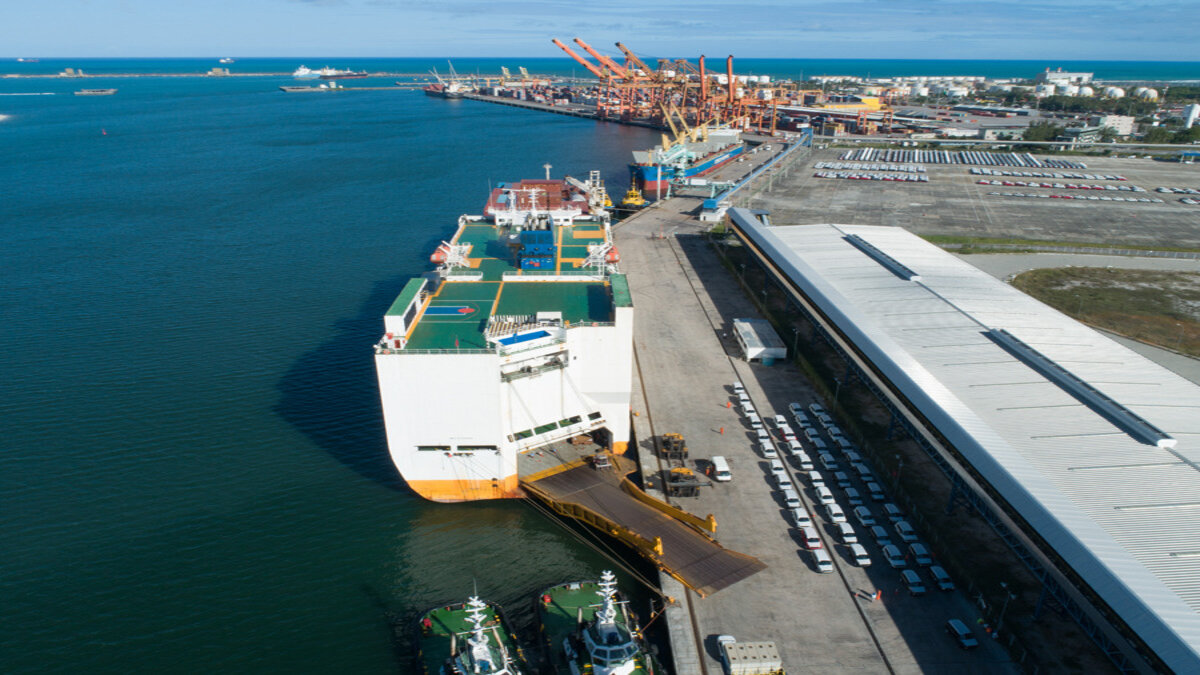
With the Constant Growth of Grain Production in the States of Matopiba, the Consortium SUA Granéis, which has a terminal in the port complex, plans to use the Port of Suape to export these goods in the coming years.
This Friday, (06/17), the Consortium SUA Granéis has great expectations for the Port of Suape, located in the state of Pernambuco. This is because the company intends to use its terminal in the complex to export the grains produced in the region of the states of Matopiba, formed by Maranhão, Tocantins, Piauí, and Bahia, which have a strong presence in the agribusiness sector focused on this type of commodity.
Port of Suape May Become Export Route for Grains Produced in the Matopiba Region with the New Perspective of SUA Granéis on Operations in the Complex
The Port of Suape is one of the most relevant in Brazil when it comes to the efficiency of exporting goods, and for this reason, the Consortium SUA Granéis is now seeking new uses for its portion of the location.
This is because during the month of March this year, the port logistics company acquired the Solid Bulk Terminal at the Port of Suape in an auction held at the Stock Exchange in São Paulo and intends to use it for the flow of production from the states of Matopiba for export.
-
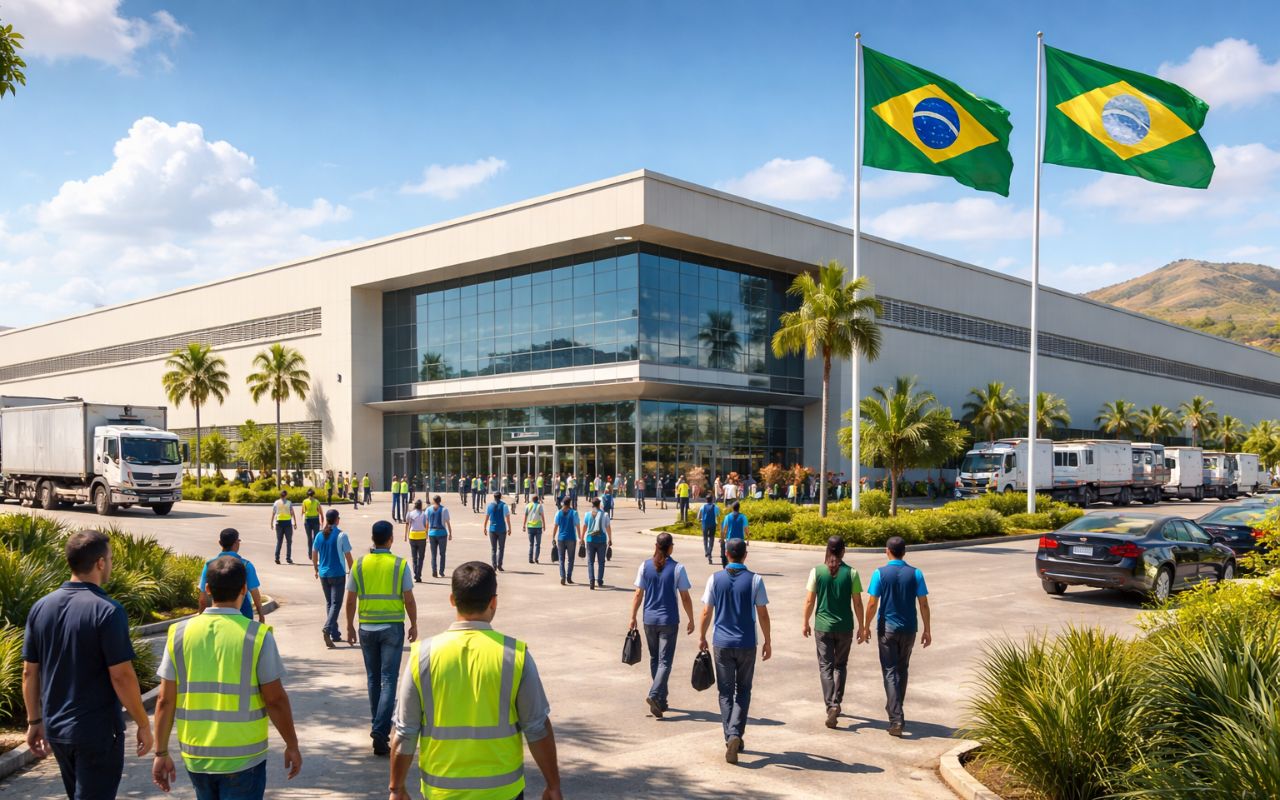
New shoe factory in Ceará is expected to create 400 jobs and strengthen the local economy.
-
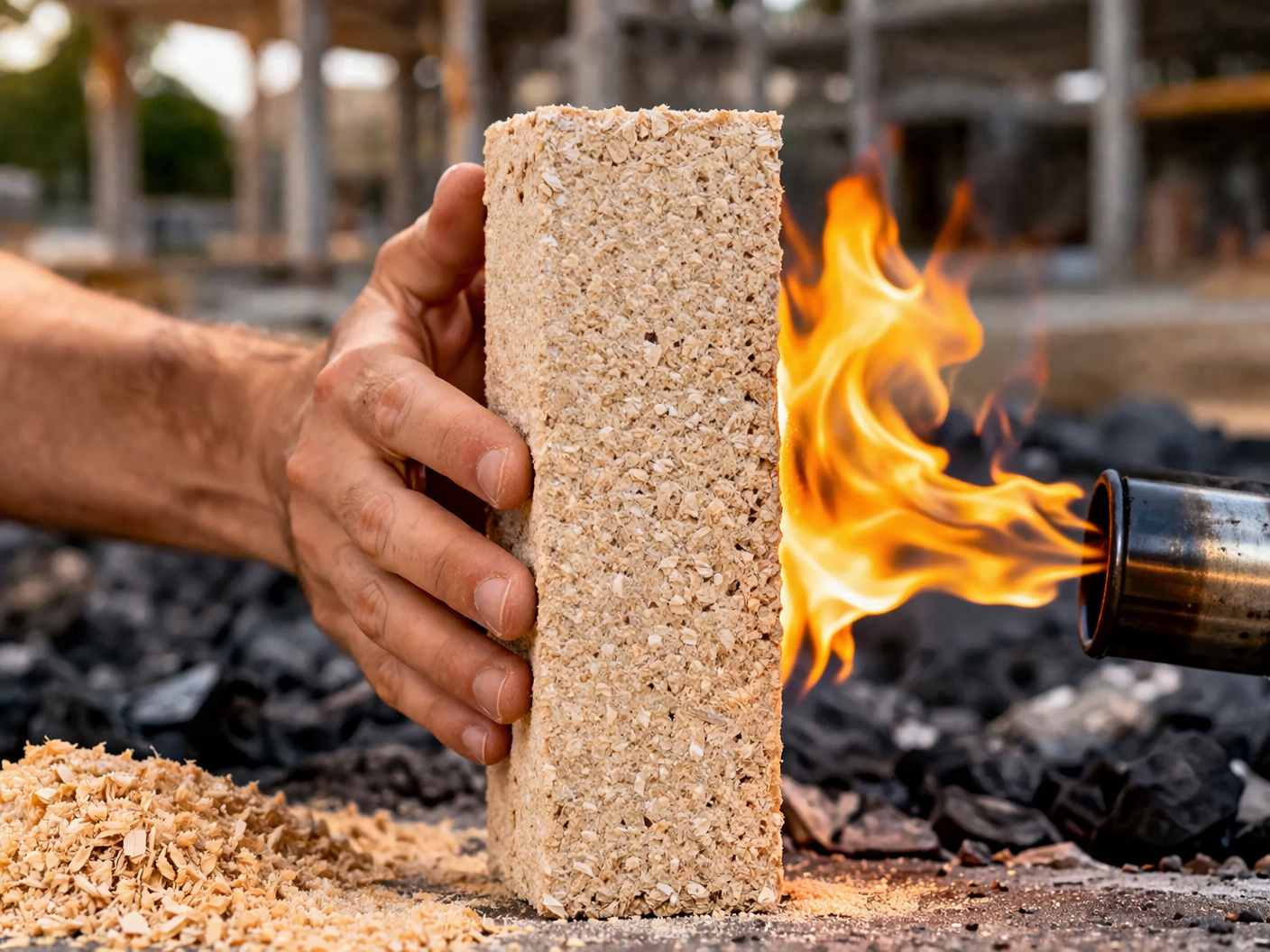
No one imagined it, but a mixture of sawdust with a mineral that fights fires surprises scientists with a result that changes the course of fire-resistant construction.
-
From empty land to a high-end house, wooden construction uses a lightweight system, metal structure for the foundation, ventilated ceramic cladding, and special windows to create an efficient and comfortable living space throughout the year.
-
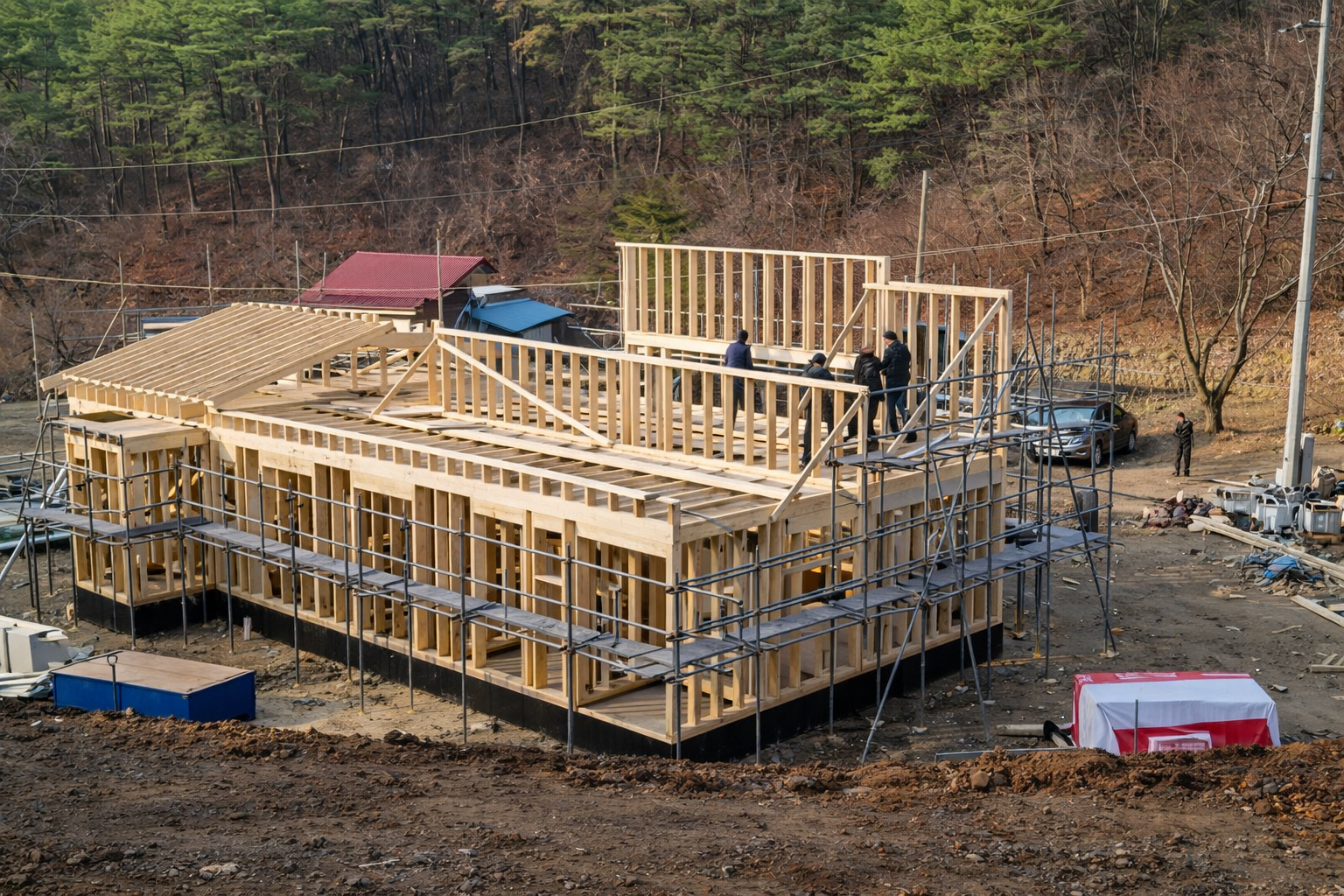
From vacant land to a high-end house, wooden construction uses a lightweight system, a metal structure for support, ventilated ceramic cladding, and special windows to create an efficient and comfortable living space throughout the year.
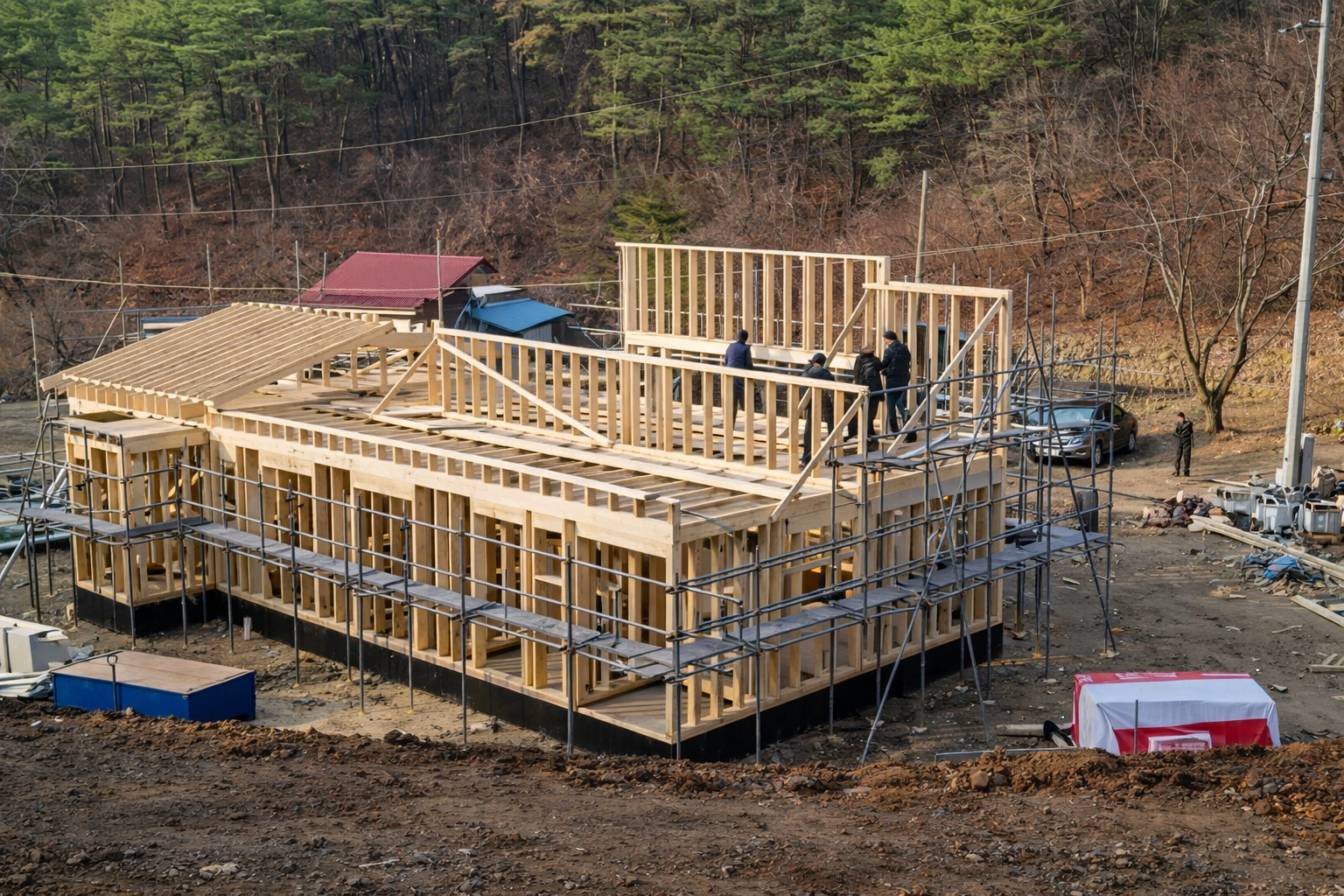

The region, which includes the states of Maranhão, Tocantins, Piauí, and Bahia, has been marked by a rise in grain productivity and the need for new routes for the flow of goods.
According to data from the National Supply Company (Conab), released this month, the grain harvest in the Northeast is expected to grow nearly 17% in 2022, reaching 28 million tons, marking a record in the historical series. Thus, the Consortium SUA Granéis sees an excellent scenario for expanding product exports.
Therefore, Manoel Ferreira, director of SUA Granéis, commented on the future of grain exports through the Port of Suape and emphasized that the region could grow even more with the use of the port complex for operations over the coming months.
Manoel concluded: “Matopiba is on our radar! Seven of the nine states in the region are expected to drive growth, and three of them, Maranhão, Piauí, and Bahia, which are part of Matopiba, are expected to harvest around 26 million tons, just over 90% of the total.”
Event Held by SUA Granéis in the Complex Discussed the Need for the Use of the Complex for Exporting Grains Produced in Matopiba
This Friday morning, an event held by SUA Granéis and other representatives from the agribusiness and port sector took place at the Administrative Center of the Suape Industrial Port Complex. The main topic of the meeting was the growth of vegetable bulk production in the Matopiba region and the export potential through the Port of Suape, as well as the use of the complex for grain exports.
Additionally, there was a lecture by the executive director of the Pro-Logistics Movement of Mato Grosso, Edeon Vaz Ferreira, who is also a consultant for Aprosoja — Association of Soybean and Corn Producers of the State of Mato Grosso.
The event served as a basis for discussing the new plan for grain production flow from the Matopiba region through the Port of Suape, and SUA Granéis was able to present its future project for the terminal.
Now, the company highlights that it will continue to seek new ways to use its terminal at the Port of Suape to attract even more contracts and partnerships with grain producers, focusing on the Matopiba region, over the coming months.








-

Uma pessoa reagiu a isso.