





 Portuguese
  English
  Spanish
  3 min of reading
  0 comments



Construction Sector Represents Only 6% of the Formal Workforce, but Accounted for Over 30% of Job Openings Created in the Country in March.
The construction sector generated 21,946 formal jobs in March 2025, according to data from the Novo Caged published by the Ministry of Labor. Even with a slight retraction compared to February, when the positive balance was 39,729 positions, the sector maintained solid performance and accounted for 30.66% of the total job openings created in the country that month.
In comparative terms, the number also fell short of what was recorded in March 2024, when the balance was 28,224 jobs, but the segment showed strength by surpassing other important sectors of the economy. The construction sector, which represents 6.18% of the formal Brazilian workforce, performed better than the General Industry, which created 13,131 jobs in the same period.
Hiring and Terminations Show Sector Dynamism
In total, there were 214,973 admissions and 193,027 terminations in March in the construction sector, resulting in a net balance of 21,946 new job openings. The significant movement indicates a still vibrant hiring environment, despite natural market fluctuations.
-
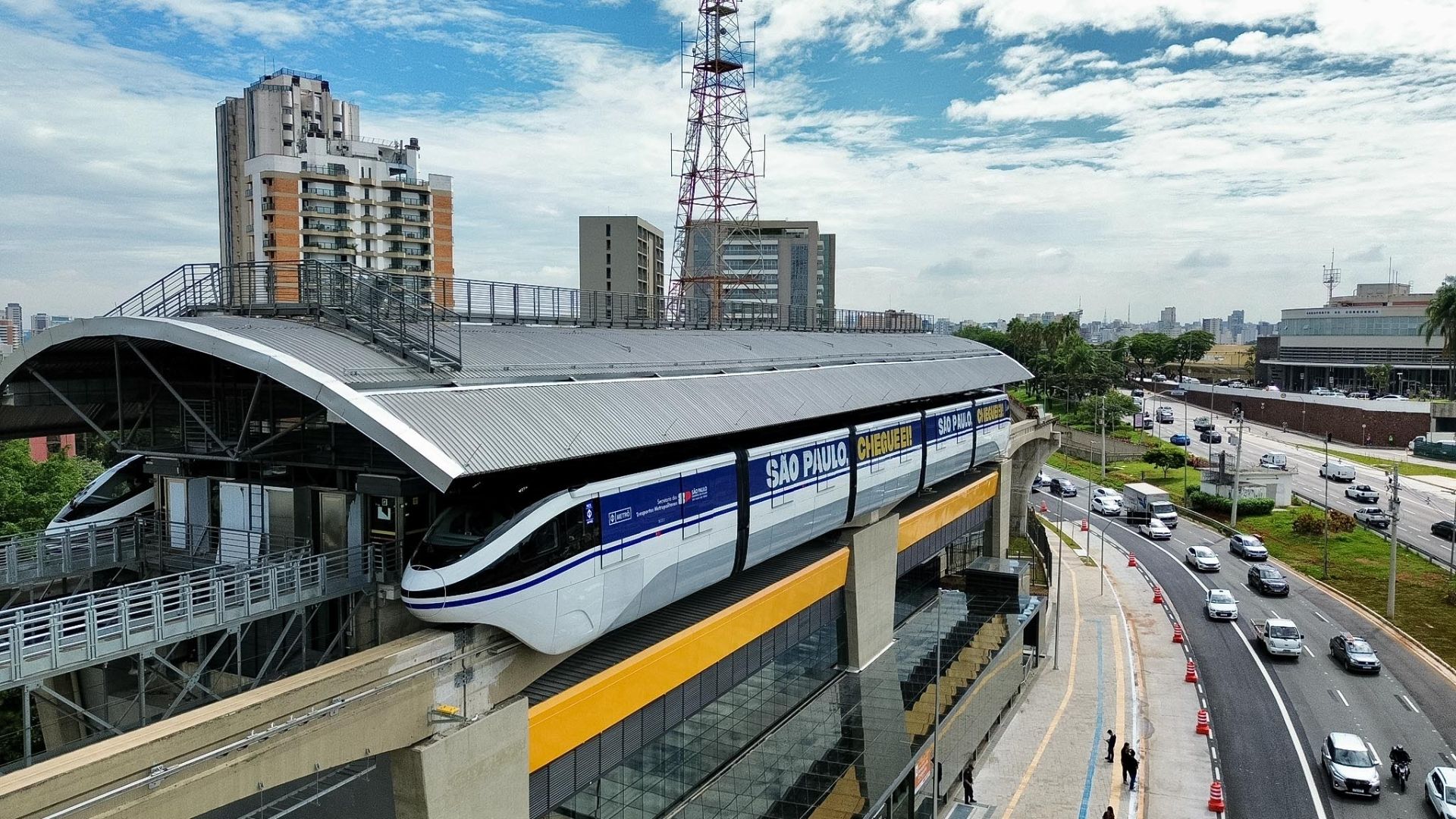
Congonhas receives the monorail promised for the 2014 World Cup after more than a decade of delays and becomes the first airport in Brazil with integrated subway.
-
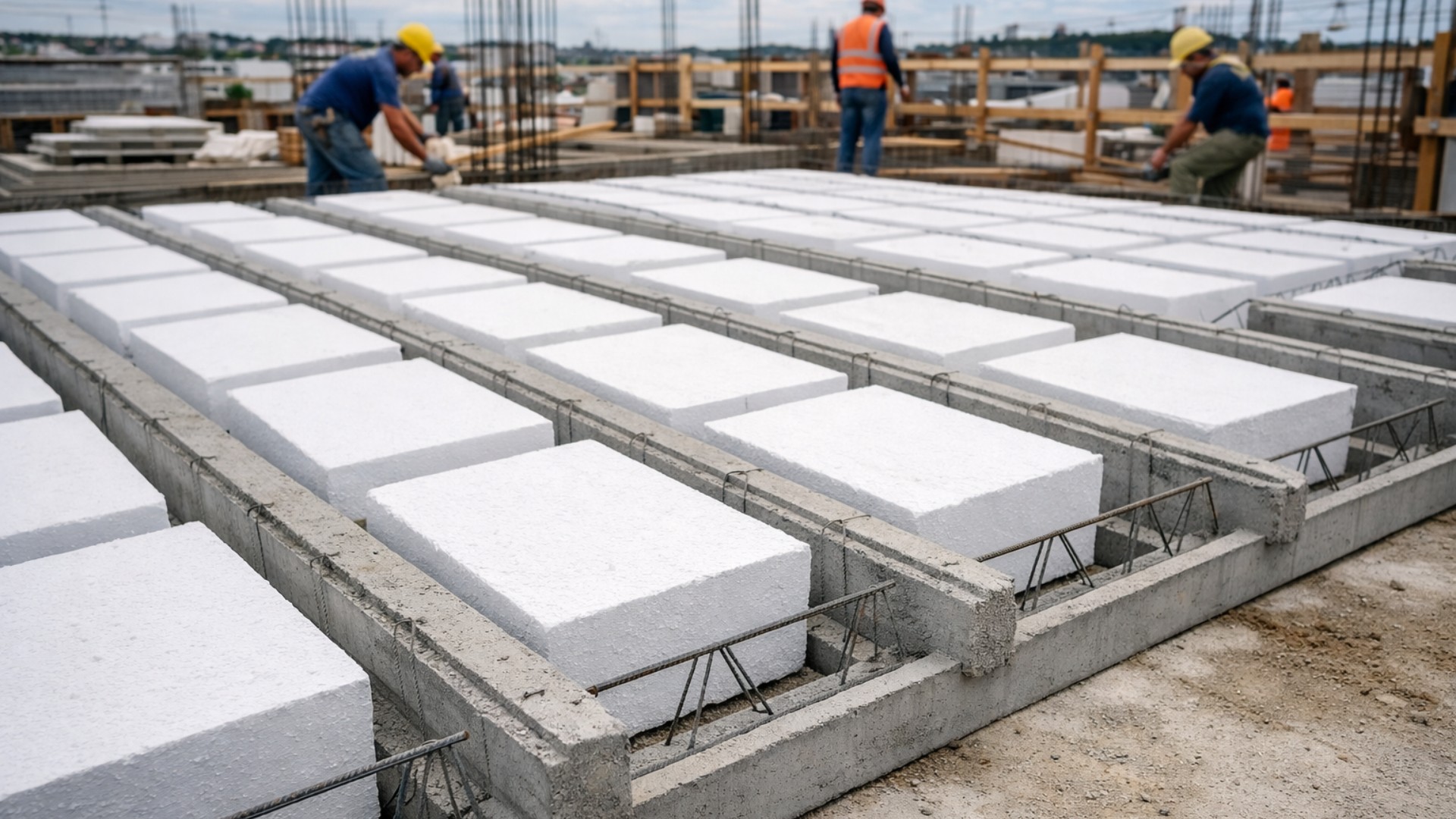
Goodbye, concrete: a new trend in civil construction reduces the weight of the structure by up to 30%, accelerates projects by up to 40%, cuts costs on steel and labor, and improves thermal insulation with EPS.
-
Russian engineers create an innovative propeller blade for aircraft that could completely change the way airplanes and helicopters operate.

-
Couple finishes building PVC chalet on the beach on the last day, with air conditioning and curtains, but discovers the bathroom drain is inverted: water escapes from the drain, risking breaking the floor, and the rush continues before the trip.




With the updated data, the sector closed the month with 2.958 million formal workers throughout Brazil. This number represents a growth of 3.51% compared to the total in December 2024, when there were 2.857 million formal professionals working in the field.
Construction Segments Register Positive Balances
According to the Chief Economist of the Brazilian Chamber of Construction Industry (CBIC), Ieda Vasconcelos, the positive performance in March was driven by consistent results in the three main segments of the construction sector.
Building construction generated 6,821 new jobs that month, while infrastructure projects led with the creation of 8,268 formal job openings. Meanwhile, specialized construction services contributed with 6,857 jobs.
This data demonstrates the essential contribution of the construction sector to job creation, both in urban areas and in infrastructure projects across different regions of the country.
Construction Sector Maintains Prominence in the Job Market
Even representing a relatively small portion of the formal workforce in Brazil, the construction sector has been consolidating its position as one of the main employment sectors in the country. In March, its performance significantly contributed to the overall positive balance of the formal job market.
Sector experts point out that the diversity of areas of operation in the construction sector — ranging from small renovations to large infrastructure projects — allows the absorption of labor from different profiles, which aids in job creation on a national scale.
Housing programs, investments in urban infrastructure, and public-private partnerships have increased the hiring of professionals at various stages of the construction process.
Expectations for the Coming Months
The CBIC believes that, if the hiring pace observed in the first quarter continues, the construction sector can continue to contribute to the job balance for the rest of the year. The sector is expected to benefit from ongoing projects, new real estate launches, and public investments in mobility, sanitation, and housing.
On the other hand, the sector’s performance will also depend on the macroeconomic scenario, the stability in construction material prices, and access to credit for financing projects.
Source: CBIC Agency







Seja o primeiro a reagir!