





 Portuguese
  English
  Spanish
  3 min of reading
  0 comments



Falconi Research Shows How Construction Companies Deal With Labor Shortages, Rising Costs And Seek Efficiency With Technology, Cost Management And Training.
The construction sector faces a challenging scenario marked by a shortage of qualified professionals, high costs, and pressure for efficiency. The latest edition of the “Falconi Construction Thermometer”, conducted by Falconi in partnership with the Sienge Ecosystem, reveals how companies are reacting with a focus on technology, artificial intelligence (AI), and strategic management.
Stagnation And Challenges Of The Sector
According to the survey, six out of ten executives in the segment assess that the area is experiencing a phase of stagnation, which is expected to continue in the coming months. This perception arises from factors such as difficulty in attracting and retaining qualified labor and the high cost of financing projects.
Among the obstacles for 2025, the lack of labor ranks first, cited by 71% of respondents. In 2023, this figure was 52%. High interest rates come in second (48%), followed by the cost of materials and services (37%) and market demand (36%). In the previous study, demand led the list, with 63%.
-
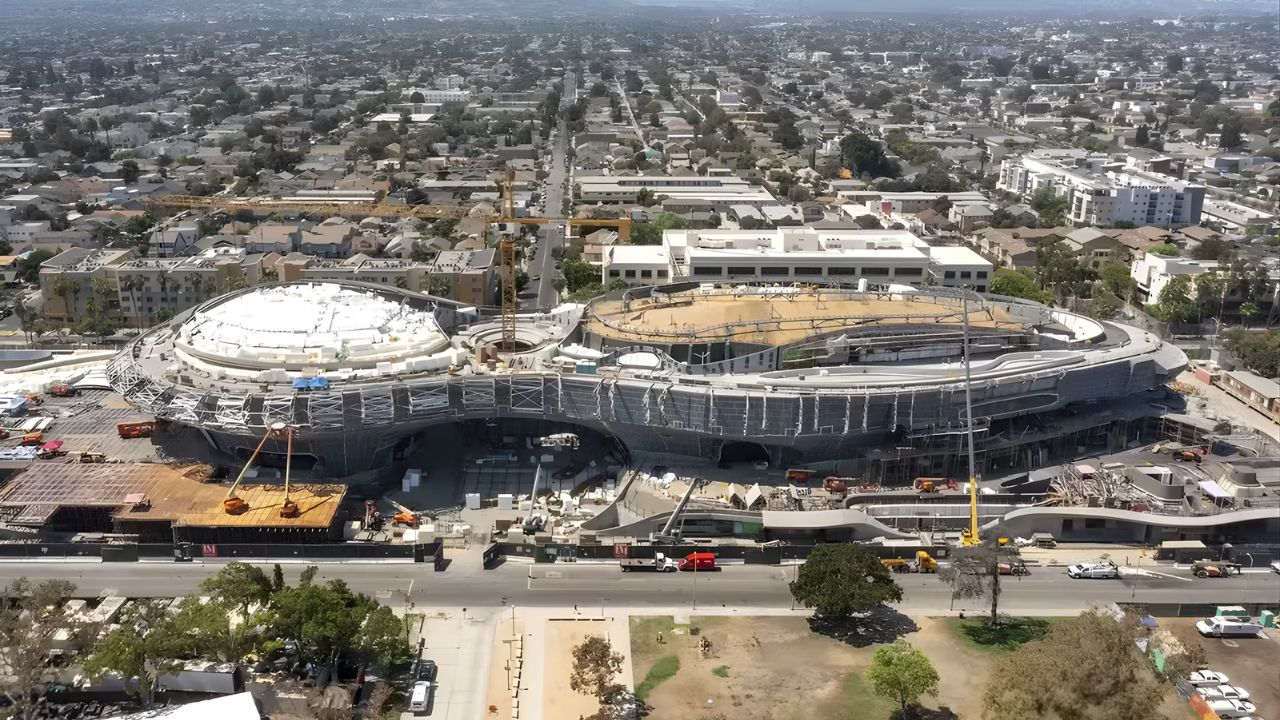
Created by George Lucas with over $1 billion, a futuristic museum in the shape of a spaceship with 1,500 curved panels is about to open in Los Angeles and will house one of the largest private collections of narrative art in the world.
-
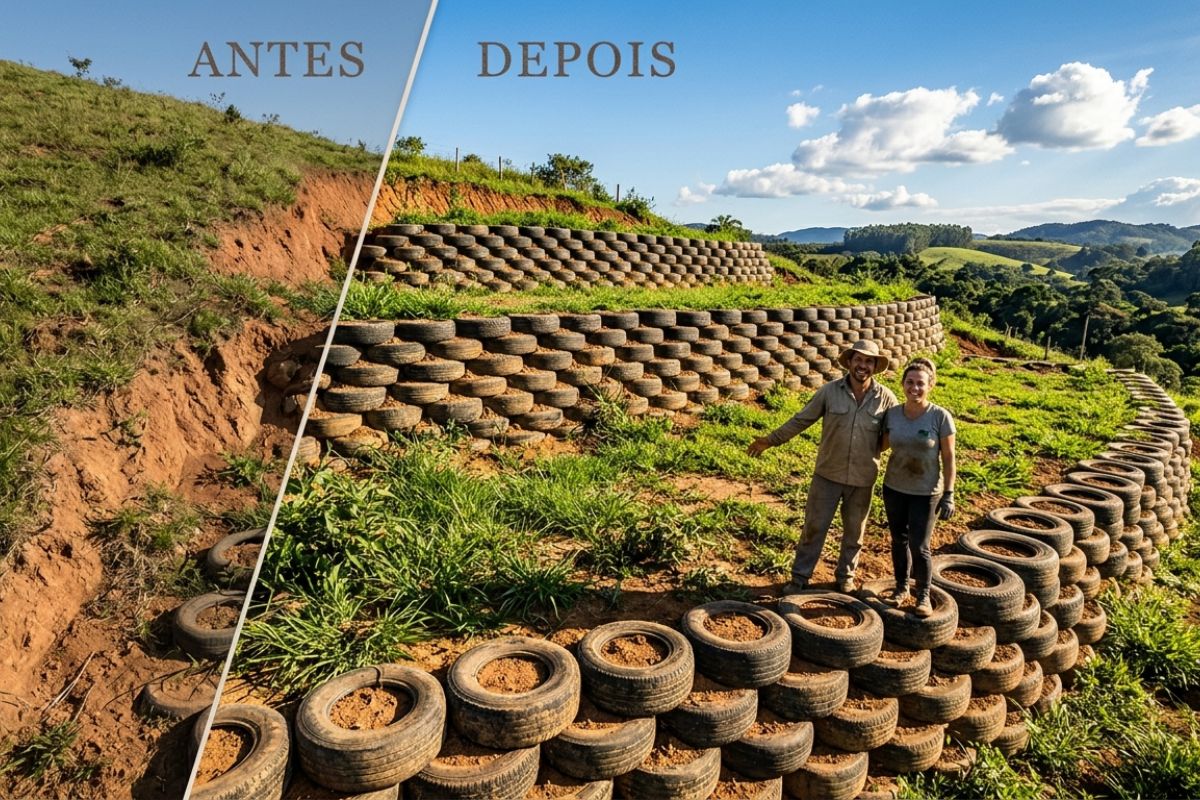
Couple shows how they built a retaining wall on their property using 400 old tires: sloped land turned into plateaus, tires are aligned, filled, and compacted with layers of soil, with grass helping in support and at almost zero cost.
-
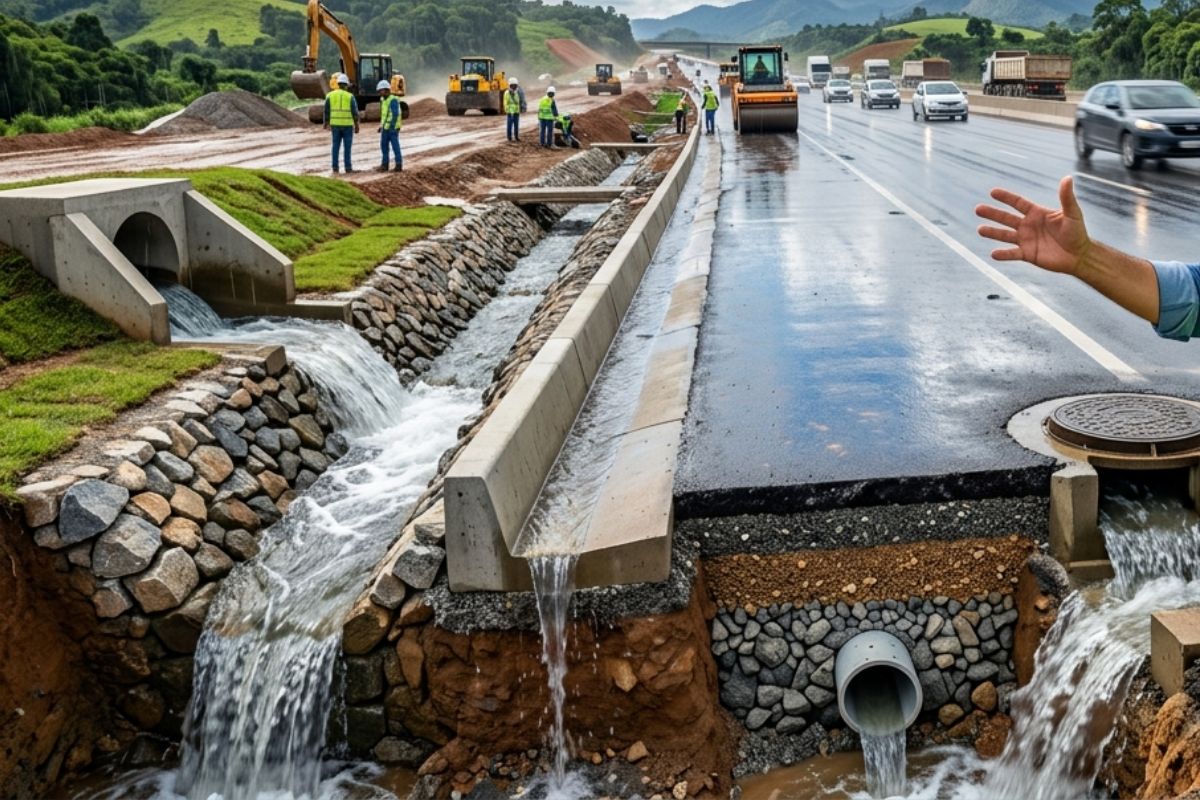
Engineer explains drainage during the rainy season: the difference between surface water and deep water, ditches, gutters, and water outlets on the road, as well as drains and drainage mattresses, to prevent erosion, aquaplaning, and flooding at the construction site today.
-
With 55 floors, 177 meters in height, a 15-meter walkway between the twin towers, ventilated facade, and 6,300 m² of leisure space, Ápice Towers already has one tower completed and another nearly at the top.


For André Chaves, vice president of Falconi’s business unit specialized in Base Industry and Capital Goods, the shortage of qualified professionals delays the transformation of the sector. “It is undeniable that the difficulty in attracting and retaining qualified labor delays the transformation of the sector,” he stated.
Paths Taken By Companies
In light of the difficulties, construction companies and developers are seeking immediate solutions. Most respondents highlighted their priorities as investing in project cost management (74%), training and qualifying the workforce (57%), and strengthening the brand (43%).
In the 2023 edition, the focus was different: completing projects on time (66%), improving customer experience (44%), and investing in industrialization (41%). This shift in priorities shows an adaptation to new market pressures, mainly concerning operational efficiency.
Advances In Technology And AI
A key point of the study is the leap in the adoption of AI-based technologies. In 2023, only 15% of companies were using these tools. By 2025, that number more than doubled, reaching 38%.
In addition to AI, other technological solutions are consolidating, such as the use of BIM (55%), CRM (43%), and Lean Construction (41%). Nevertheless, confidence in structural changes for the sector has decreased. Only 20.8% believe in significant transformations in the next five years, down from 37% in 2023.
According to Chaves, the risk lies in adopting tools without management maturity. “More than just seeking innovation for the sake of innovation, we need to understand which problems are priorities to solve, define the most suitable solutions (both with and without technology), establish robust execution standards, create monitoring routines, and align objectives between the project and the headquarters,” he evaluated.
He also warned that, without proper training, companies may underutilize digital solutions. “Without capacity-building actions, companies run the risk of not being able to implement them effectively,” he affirmed.
Profile Of The Research And About Falconi
The “Falconi Construction Thermometer” included the participation of 120 sector executives, of whom 35% hold positions as CEOs, owners, or directors. The interviews were conducted between June 2 and July 10.
Falconi, responsible for the survey, is the largest Brazilian management consulting firm. Founded in 1984, it operates in more than 50 sectors of the economy, with a presence in 42 countries and over 10,000 projects in its portfolio.
The consultancy stands out for its work at different management levels: strategic (business model and organizational structure), tactical (implementation of processes and goals), and operational (monitoring operations). Recognized as a leader in Latin America, the company also maintains operations in the United States, with headquarters in Chicago, where it reports double-digit growth each year.








Seja o primeiro a reagir!