





 Portuguese
  English
  Spanish
  3 min of reading


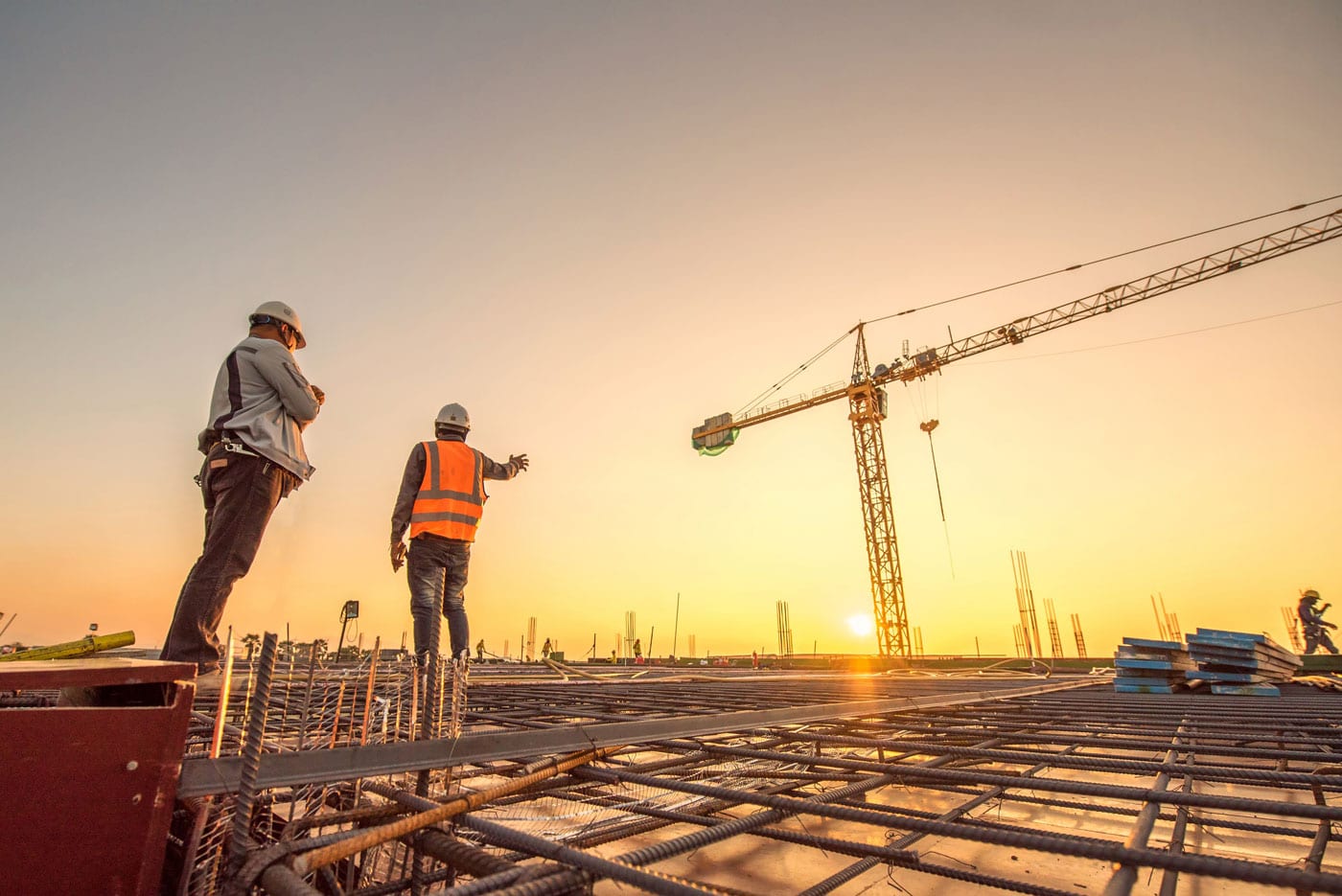
With Increasing Interest Rates And The Price Of Materials For Civil Construction, Investors Have Been Showing Concerns About The Sector
According to estimates from the Brazilian Chamber of Construction Industry (CBIC), the civil construction sector is close to declaring one of the most active years in recent history. The increase in revenue for the sector in 2021 is expected to be 7.6%, which means the best result in ten years, mainly due to the real estate market.
Read Also:
- Company Recognized By Microsoft As Startup Of The Year In Latin America Offers 831 Remote Job Vacancies To Work From The Comfort Of Home Anywhere In The World
- Portuguese Multinational Has Ambitious Plans In Brazil, Bets On The Brazilian Market And Projects To Earn More Than R$ 218 Million By 2025
- China, Which Will Have The Largest GDP (Gross Domestic Product) In The World By 2030, Changes A Rule That Has Been In Place For Almost 30 Years And Opens Its Market To Foreign Automakers With A Projection To Manufacture 30 Million Vehicles By 2025; Decision Will Affect The Entire Global Automotive Industry
Between January and September, the civil construction segment saw a 37.6% increase in launches and a 22.5% increase in sales, according to CBIC itself. However, while the numbers reflect the current reality, this is a scenario that is gradually becoming part of the past.
The causes of this are diverse: the increase in interest rates, as well as the rising prices of materials for civil construction, drive the lack of investment in the sector. Additionally, the tighter budget of the Brazilian population and fears about the economy, which is in a technical recession after a 0.1% drop in the third quarter, are also causes of this situation.
-
With a dependence of up to 80% on gas imported from the United States, Mexico is responding with a robust energy strategy, betting on shale gas, creating a scientific committee, and preparing to expand natural gas production to reduce vulnerability and strengthen its energy security in the coming years.

-
The United States proposes to Brazil a critical minerals agreement with a minimum price to combat Chinese dumping and priority for investment, but the Planalto is blocking the signing out of fear of upsetting China and due to electoral calculations in a year of competition.

-
How the world’s largest market sidestepped Trump’s tariff hike, diverted part of the cargo to new destinations, and still set a record in exports.

-
Petrobras buys back fields for billions — what no one is talking about regarding this decision and how it could impact jobs and oil in Brazil.

To illustrate this situation, there is the National Construction Cost Index (INCC), which increased by 14.3% in 2021, representing the highest level since 2003. Therefore, despite having good accumulated results in 2020, companies in the civil construction sector still suffer from investor distrust.
According to data provided by the consultancy Economatica, the accumulated drop of 26 developers on the stock market in 2021 was 31.1%, while the Ibovespa fell by 11.93%. Plano&Plano, which entered the capital market in October 2020, dropped more than the average, with a devaluation of 56%. This occurred in a year when the company achieved R$ 1 billion in net sales, the largest annual sales amount in its history.
“Of course we would like to bring a better result for our shareholders, but our vision is long-term,” said Rodrigo Luna, chairman of the board of the company. Despite the scenario, Luna sees positive points, such as the reduction in the price of some materials, such as steel, which could boost results for 2022.
Cost Pressure
Eduardo Fischer, one of the presidents of MRV, one of the largest companies in the civil construction sector in the country, also shares this view. He remains optimistic but agrees that cost pressures, which affected the company’s margin, made the situation more complicated this year. “We thought that this price imbalance would dissipate in the first half and it didn’t happen. In 28 years in the industry, I’ve never seen such a strong explosion of costs in such a short period of time,” said Fischer, who noted that MRV’s shares fell by almost 35% in 2021.
The executive states that there is not much to change in 2022, but maintains the premise that there is more supply than demand. “And we are looking at this for 2023, 2024, and 2025,” he says.
Economy In Recovery
In 2022, market expectations for the real estate sector are not high. According to José Carlos Martins, president of CBIC, the civil construction industry will see an increase of no more than 2%.
In the opinion of Waldir Morgado, partner at Nexgen Capital, inflation in costs will persist, as well as the income deficit among lower-income classes, a condition that should affect companies in the construction sector, such as Plano&Plano and MRV.
“In our understanding, companies focusing more on the high-income segment should suffer less,” says Morgado.








Seja o primeiro a reagir!