





 Portuguese
  English
  Spanish
  3 min of reading
  0 comments


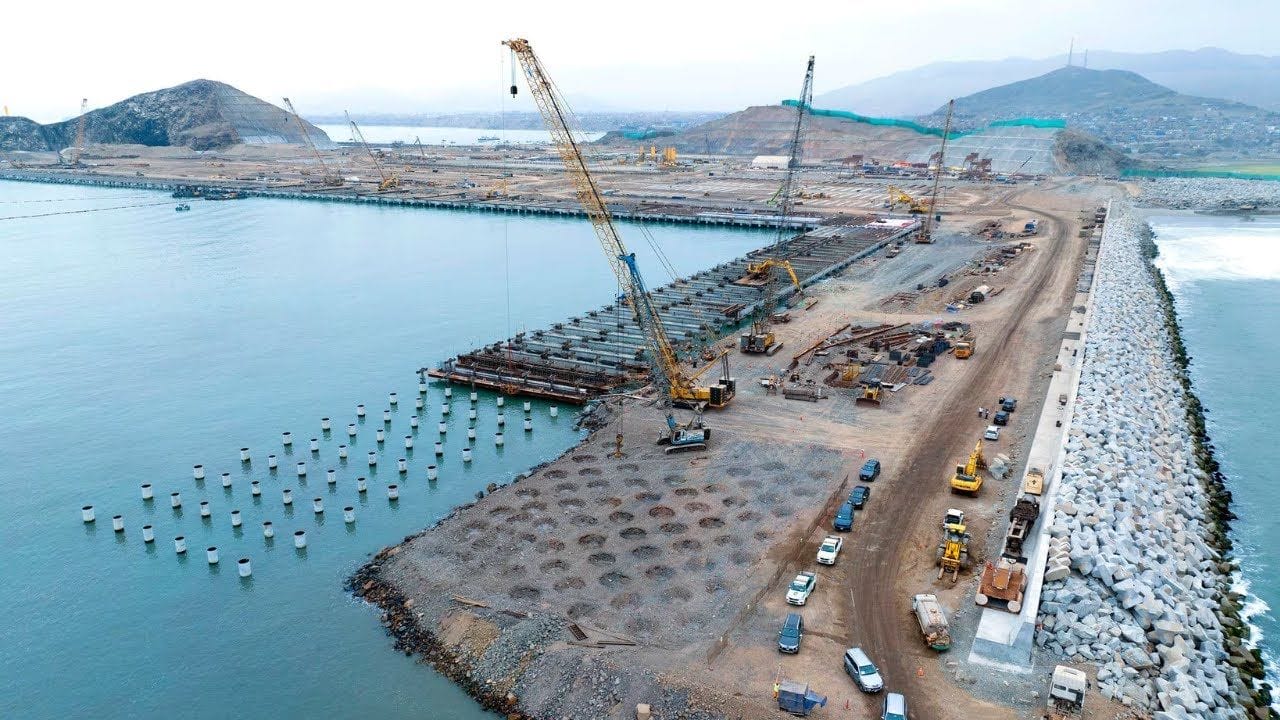
In Chancay, Peru, 80 km from Lima, construction is underway for one of the largest ports in Latin America. With an investment of US$ 3.6 billion, the project, led by the Chinese company COSCO Shipping and the Peruvian miner Volcan, promises to transform regional commerce and strengthen the commercial connection with Asia.
The construction of the Chancay Port project represents a significant milestone in the economic landscape of Latin America. By providing direct access to the Asian market through the Pacific Ocean, this port will not only challenge the dominance of Chilean ports on the Bioceanic Route, but it will also have a substantial impact on South American trade and logistics. Its completion, scheduled for 2024, coincides with the growing global interest in the region, making this development a focal point of international attention.
Located in Chancay, a quiet fishing town, the port is more than just a simple construction. It has transformed into a vast construction site where modernity and ambition meet. With an area of 280 hectares, the port aims to be one of the most advanced in the world. This colossal construction will not only alter the commercial dynamics of the region but also challenge the supremacy of Chilean ports on the Bioceanic Route. Its goal? To handle 1 million containers and 6 million tons of cargo annually. The impact is clear: a significant change in maritime traffic along the Pacific coast of South America.
Investments for the Ambitious Construction of the Chancay Port


The magnitude of the project is reflected in its numbers. With an investment of US$ 3.6 billion, of which US$ 1.3 billion has already been applied in the first phase, the port is a partnership between COSCO Shipping, holding 60% control, and the Peruvian company Volcan, holding the remaining 40%. The expectation is that the port will not only strengthen Peru’s position as a central point in trade with Asia but also revitalize the local and regional economy.
-
With 74% of companies facing difficulties in hiring, technicians and engineers in renewable energy are becoming scarce in Brazil and are essential to support the expansion of solar, wind, and green hydrogen projects.

-
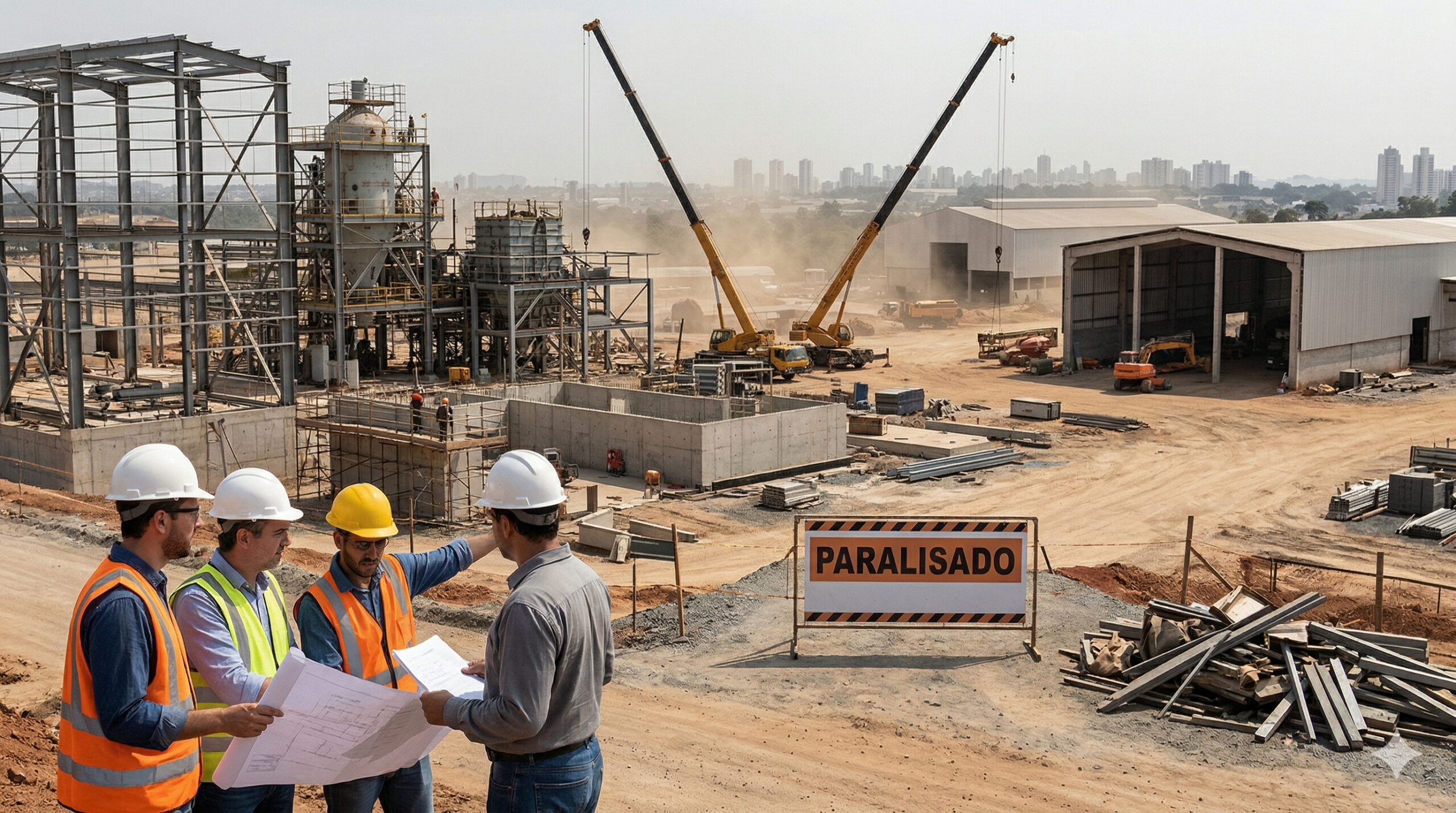
The lack of welders, electricians, and operators becomes a structural threat in 2025, with the construction industry and manufacturing already suffering from delays, cost pressures, and labor shortages in Brazil.
-
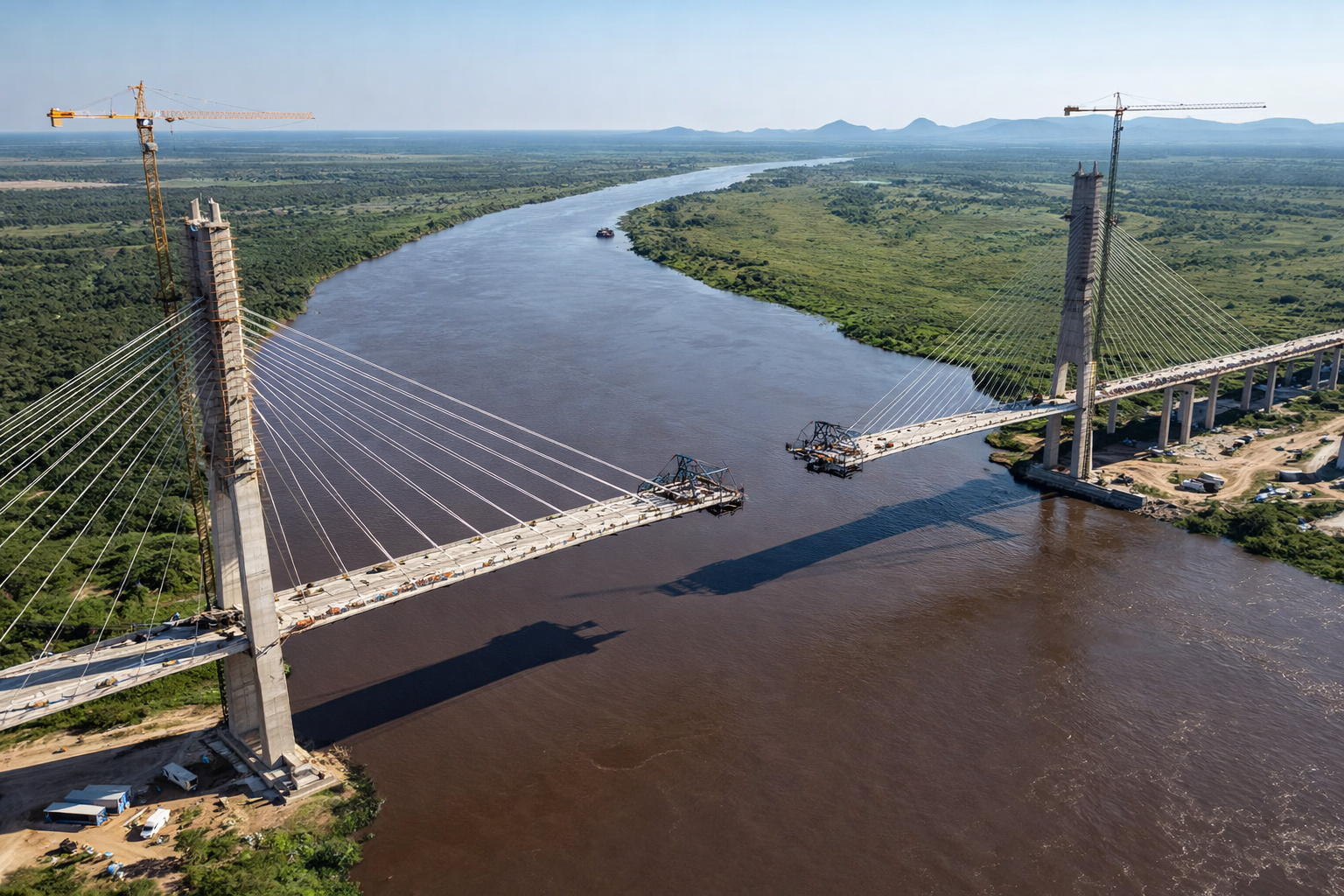
Brazil and Paraguay are just 46 meters away from a historic union on the bioceanic bridge that promises to revolutionize trade between the Atlantic and the Pacific.
-
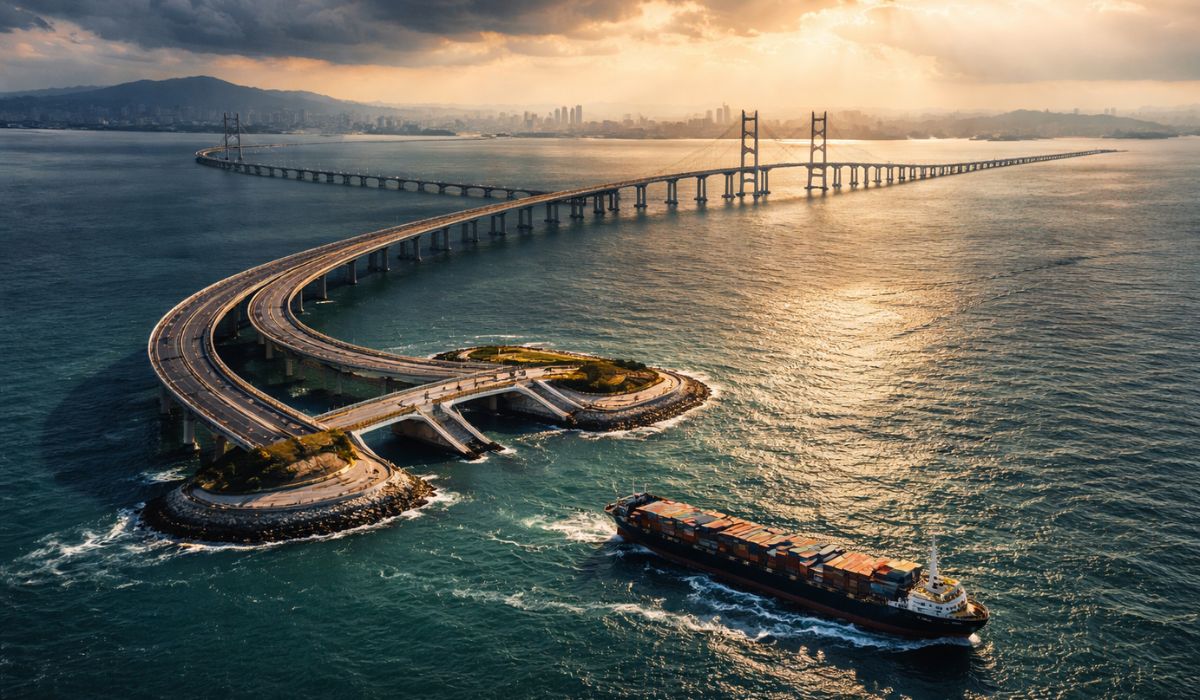
With 55 km over the sea, a cost of US$ 20 billion, and enough steel to build 60 Eiffel Towers, China’s largest project has connected Hong Kong, Zhuhai, and Macau in a colossal bridge that defies the logic of engineering.
In addition to Peru, Brazil, and especially Acre, are expected to reap significant benefits from this new port. The reduction in the transport time of cargo to China, from 45 to 10 days, is a remarkable achievement. Acre, located on the Brazil-Peru interoceanic route, could become a vital corridor for trade, boosting its exports and imports, as well as opening new tourist possibilities.
Geopolitics and China’s Influence
However, the project is not without challenges. Incidents such as collapses during tunnel construction have raised questions about the quality of labor and China’s true intentions in the project. Environmental and social concerns are also significant, with impacts on local flora and fauna and residents in nearby areas.
The growing presence of China in Latin America, especially in large infrastructure projects, raises important questions. Concerns are not limited to trade but also encompass the potential military use of the port, highlighting the geopolitical competition between China and the United States for influence in the region.
Future Connections and Opportunities
The effectiveness of the port will also depend on the construction of new highways and the proposed transoceanic railway, which would connect Brazil to Peru. These projects are crucial for regional economic integration and for maximizing the port’s capabilities. The government and investors are focused on turning this vision into reality, promising a future of opportunities and development.
The Chancay Port is a monumental construction that promises to redefine trade in Latin America. With completion expected in 2024, this project is not just a symbol of economic progress, but also a point of intersection for global interests, environmental challenges, and social expectations. As it progresses, the world watches closely, anticipating its lasting impact on the region.









Seja o primeiro a reagir!