





 Portuguese
  English
  Spanish
 4 min of reading


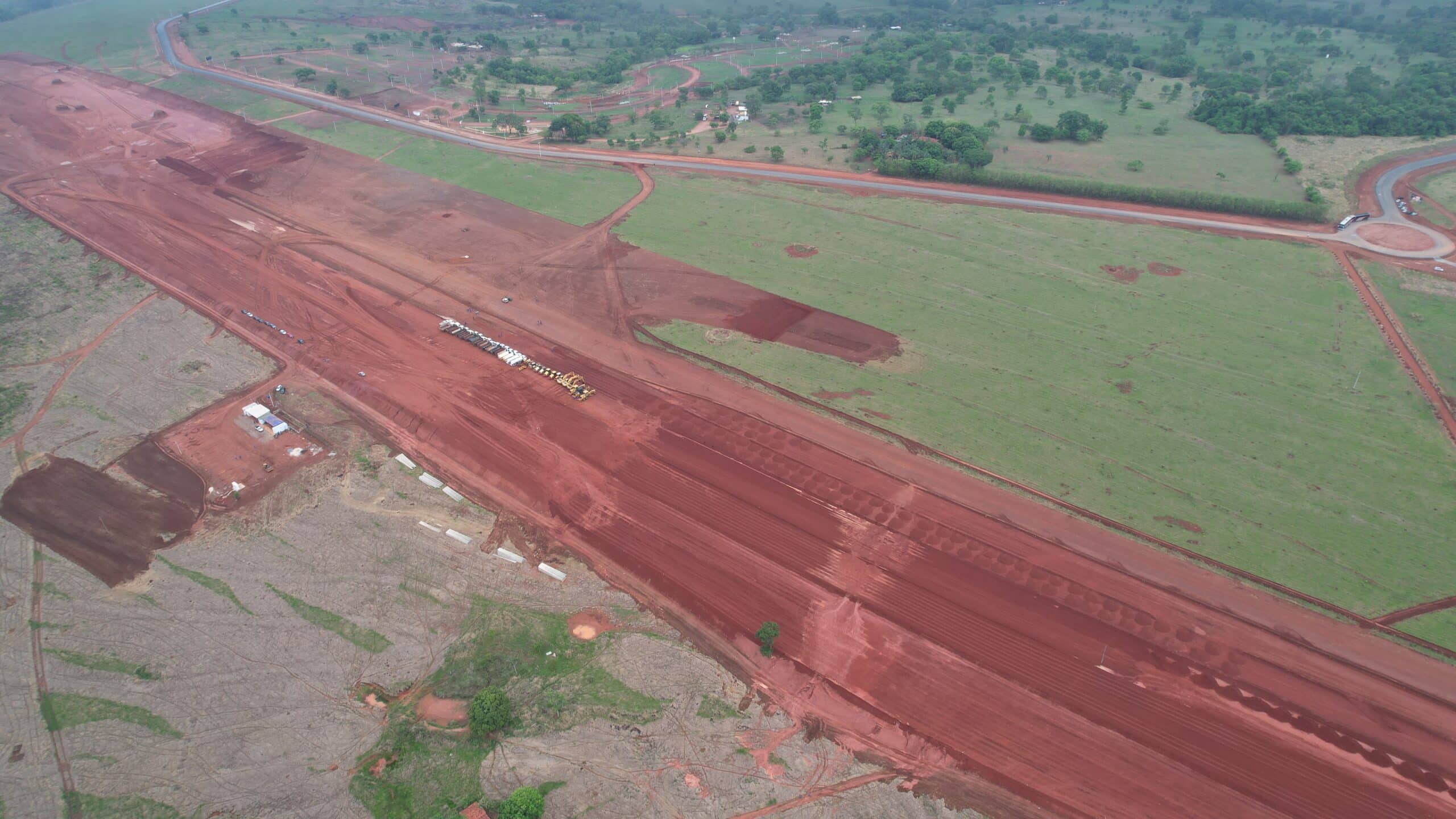
When Operational, Antares Will Generate More Than 2,200 Direct Jobs, Reaching Over 3,000 Positions, Considering the Construction Period.
In a universe of more than 5,600 Brazilian municipalities, only 100 are served by regular flights from conventional commercial aviation, leaving approximately 5,500 cities off this air route. The number is just a sample of how much this market can still be explored in Brazil by the business aviation sector. This analysis comes from entrepreneur, pilot, and consultant Francisco Lyra, who spoke to business leaders and political authorities during the launch, on the 19th, of the groundbreaking for Antares, an aeronautical hub being constructed in the city of Aparecida de Goiânia. When operational, the airport promises to generate around 3,000 job openings in the region!
Also Read
- Pre-salt Breaks Production Record for Oil and Gas, Exceeding Total Production Accumulated in Onshore Fields Since 1941
- Gas Allowance Approved on Tuesday (10/19) by the Senate Will Use Resources from Royalties, Shared Oil, and Petrobras Dividends
- São Paulo Invests R$ 47 Billion in Infrastructure with a Forecast of Eight Thousand Projects and Creation of 200,000 Jobs in the State
- More Than 5,000 Temporary Job Openings Available Today (10/21), for End-of-Year Demand Including Black Friday and Christmas
On the occasion, Francisco Lyra’s name was also officially announced as the operational director of the future executive airport. “The need for connectivity in a continental country like ours compels entrepreneurs to seek alternatives for transportation and logistics. Today, far more than the few 100 municipalities with regular flights offered by commercial aviation, business aviation is able to connect about three thousand Brazilian municipalities,” stressed Lyra, highlighting the importance of the project for aviation and businesses. For him, executive aviation enhances time management for entrepreneurs and decision-makers, which ultimately boosts the economy.
The mayor of Aparecida de Goiânia, Gustavo Mendanha, paid tribute to Maguito Vilela. While speaking about the efforts of the late mayor toward the realization of a project that promises to add social and economic value to the city, Mendanha recalled that as early as 2014, the late official was the one who signed the municipal decree that designated the entire area for the establishment of the airport site as an Area of Public Utility. “The Master Plan already foresaw the airport site as an area of economic interest. And Maguito, a public man of great vision, always knew the enormous potential of this project, which is now becoming a reality,” he noted.
-
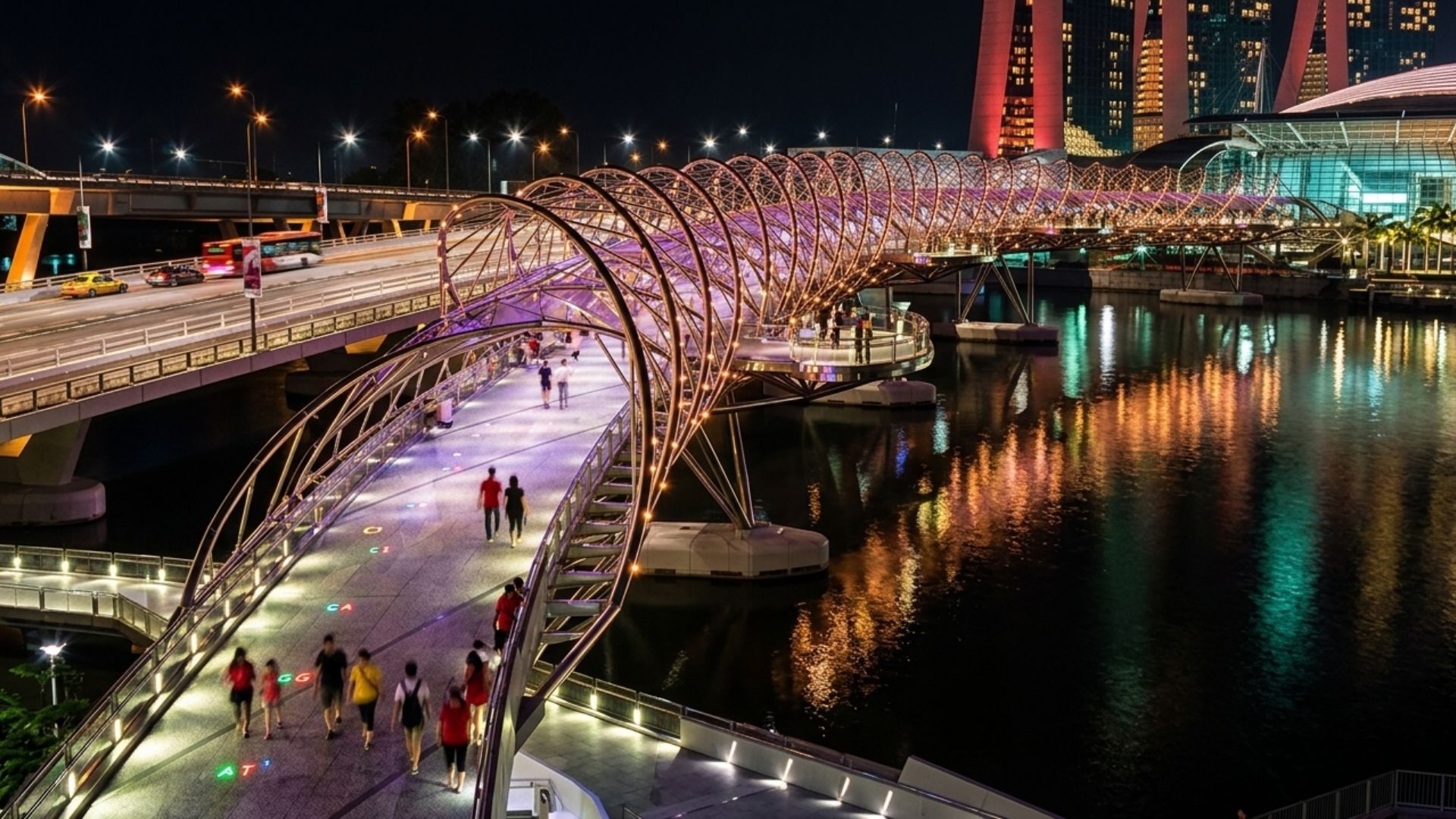
With a DNA shape, this bridge in Singapore draws attention in modern architecture and surprises tourists by transforming a simple crossing into an unforgettable visual experience in the urban heart.
-
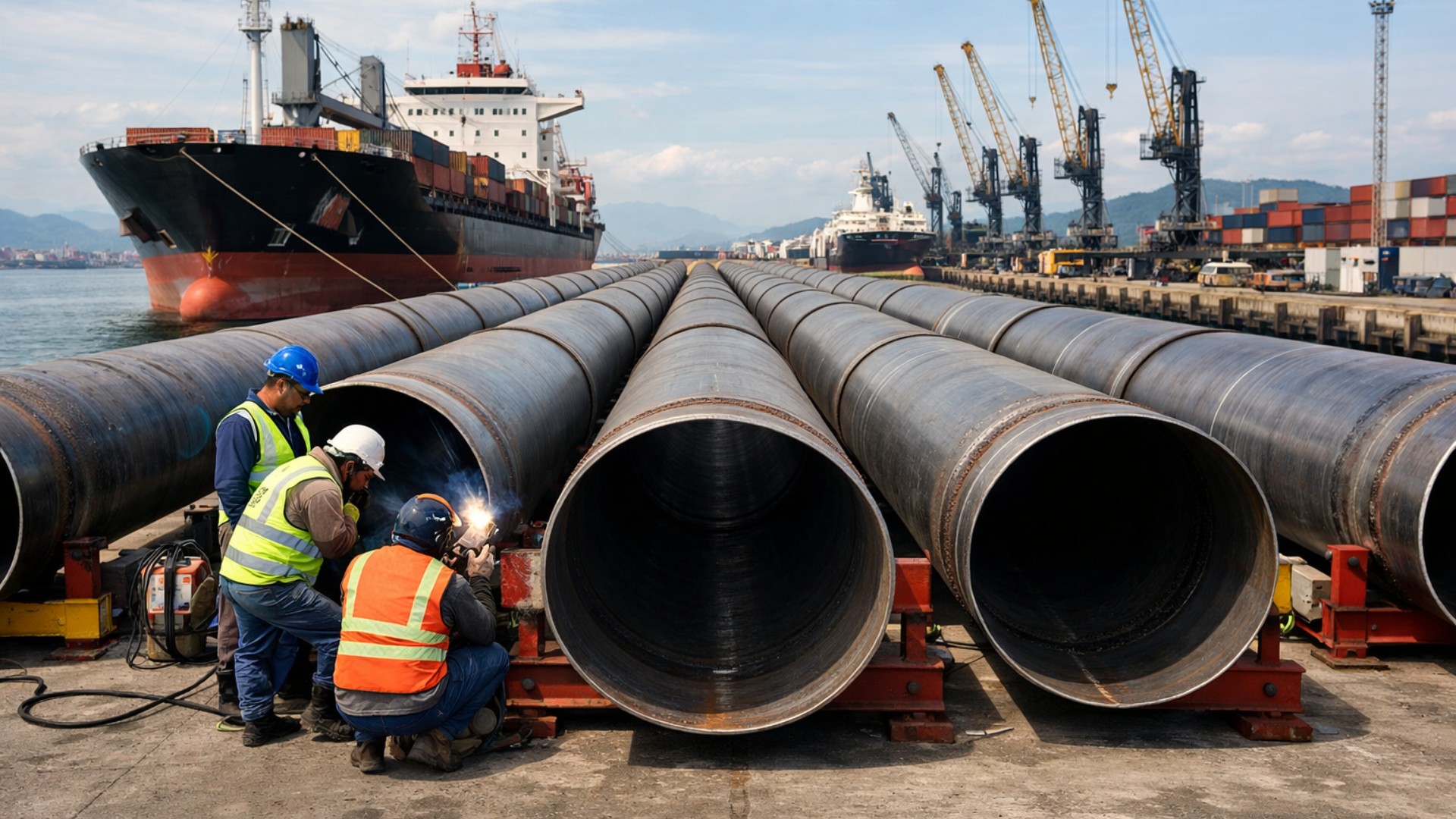
Giant underwater pipeline begins to take shape with a R$ 134.7 million project at the Port of Santos: the 1.7 km structure uses 12-meter and 700 mm pipes to supply water to 450,000 people in Guarujá.
-
A mason reveals a professional plastering technique that uses aligned guides and a 3-meter ruler to plaster an entire wall in up to 3 hours, without visible seams, with uniform thickness, perfect plumb, and a finish ready for painting without rework.

-
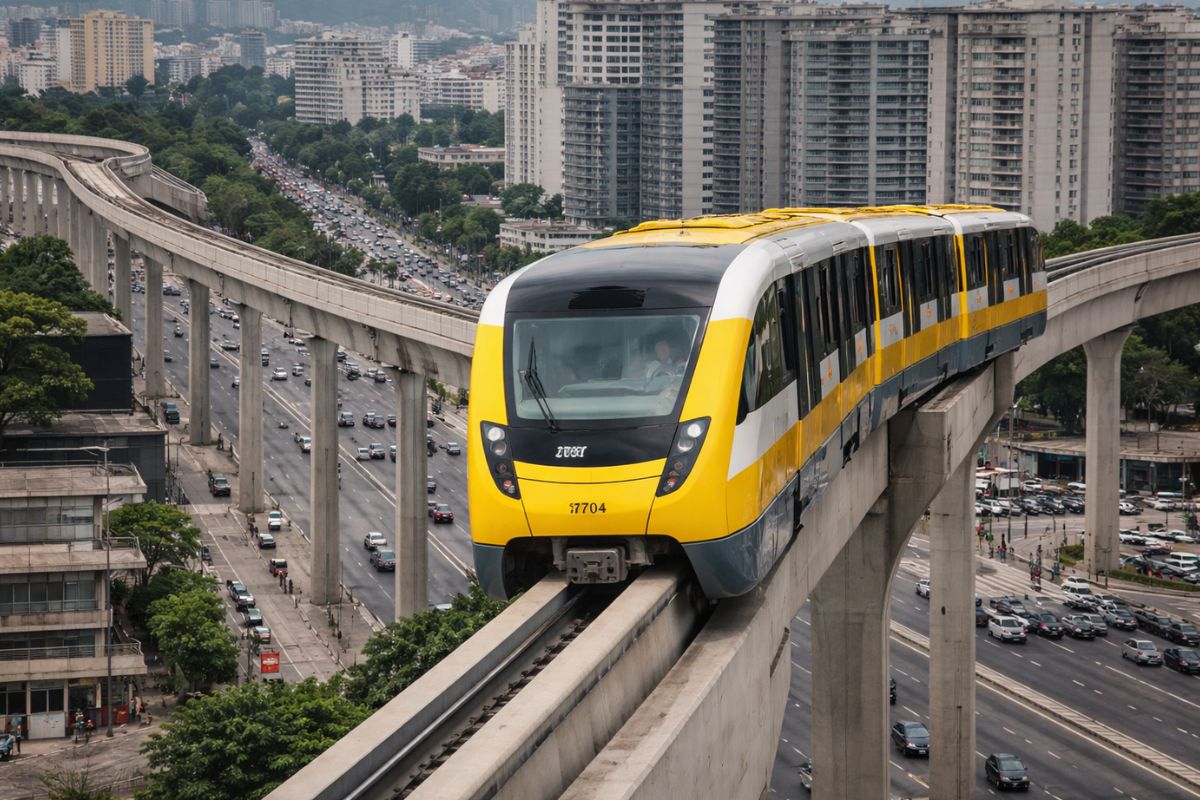
The project that was supposed to be ready for the 2014 World Cup in Brazil debuted with a 12-year delay and nearly R$ 6 billion invested: the Line 17-Gold of the São Paulo monorail opened with reduced hours and is only expected to operate fully in October.

Aparecida de Goiânia Converges All the Potentials Required for a Project Like Antares
Entrepreneurs highlighted that Aparecida de Goiânia converges all the potentials needed for a project like Antares, as it is a highly industrialized city located in the heart of the country, 210 kilometers from the Federal District. It is also a hub being built close to two international airports, Brasília and Goiânia. Antares will also feature easy access to road and rail transport modalities. “We found in Aparecida, at the heart of an important logistical and roadway junction in the country, a natural potential for this venture,” emphasized Marcos Alberto Luis de Campos.
Also attending the Antares Aeronautical Hub event, the mayor of Goiânia, Rogério Cruz, emphasized the importance of the partnership between the public and private sectors. He classified the project as a milestone, not only for the city of Aparecida de Goiânia but for the entire Greater Goiânia. “This project is a great force for our Metropolitan Region, an important driver of investments. Anyone looking to invest in Goiânia can indeed come through Aparecida,” highlighted Rogério Cruz.
During the Antares presentation, businessman Romeu Neiva Júnior, one of the entrepreneurs behind the aeronautical hub, mentioned some project statistics. “This is a unique and challenging project. It will occupy more than two million m² of total area. Our runway alone will be 1,800 meters long and 30 meters wide. There will be 450 hangars to accommodate various types of businesses. We will have a boarding and disembarking terminal with two floors; a food court, operations room, and meeting room. And everything will comply with all urban and environmental regulations as required by law,” reported the entrepreneur.
Antares Will Generate About 3,000 Job Openings for the Region
When operational, Antares will generate more than 2,200 direct jobs, reaching over 3,000 job openings, considering the construction period.
The construction work has already begun. In total, the construction of the project will be divided into five phases, with the first phase scheduled for completion in 2024. The first phase is expected to be finished in 2024, with 72 lots delivered, an operating runway, as well as boarding and disembarking areas and all necessary infrastructure for the hangars, such as electricity, water supply system, asphalt paving, and the entire area enclosed with monitored security.
The runway and all the paving of the project will be made with Hot Mix Asphalt Concrete (CBUQ), which is the most commonly used material today for airport runways in Brazil. About 4,500 tons, nearly half, will be used solely for the construction of the runway.
Antares has a total area of 2.096 million m², of which 611,000 m² is available for sale, distributed across 455 hangars. It will also feature extensive support infrastructure such as shops, restaurants, and an executive hotel, as well as a runway measuring 1,800 meters long by 30 meters wide, which will be capable of accommodating all types of general aviation, executive jets, single-engine, twin-engine, up to the Gulfstream 650.
The venture is led by five companies from Goiás: Tropical Urbanismo, Innovar Construtora, CMC Engenharia, BCI Empreendimentos e Participações, and RC Bastos Participações.





Seja o primeiro a reagir!