





 Portuguese
  English
  Spanish
  5 min of reading
  0 comments


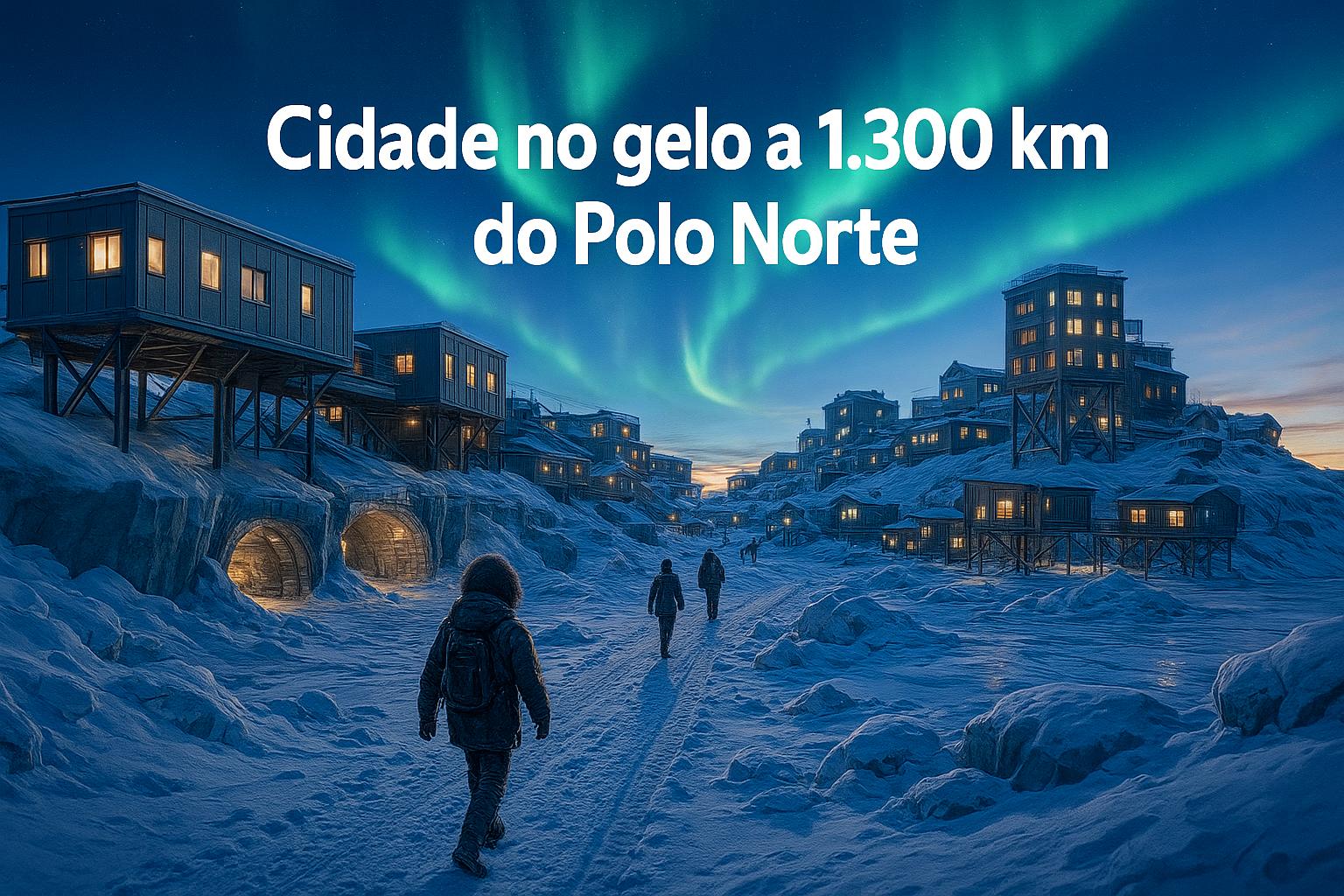
Located 1,300 km from the North Pole, Longyearbyen is the northernmost city in the world, built on ice, with underground tunnels and life at –30°C.
At the northernmost point of the planet, where the sun disappears for months and the cold freezes even sound, there exists a city that defies all limits of human life. Built on ground that never melts, this community of just over two thousand people has learned to live in one of the most inhospitable places on Earth. Constructed on metal stilts driven into the ice, artificially lit during the winter, and connected by underground tunnels, it is the last outpost of civilization before the North Pole. Its name is Longyearbyen, the main settlement of the Svalbard archipelago in Norway and the northernmost permanently inhabited city in the world.
Where Life Happens on the Ice
Located at about 78° north latitude, Longyearbyen experiences six months of extreme cold and four months of total darkness.
During the winter, the sun simply does not rise, a phenomenon known as polar night. In contrast, in summer, the day never ends: the midnight sun illuminates the mountains and fjords for 24 consecutive hours.
-
Sleeping at different times each day can be a bomb for your heart and even double your risk of having a heart attack.

-
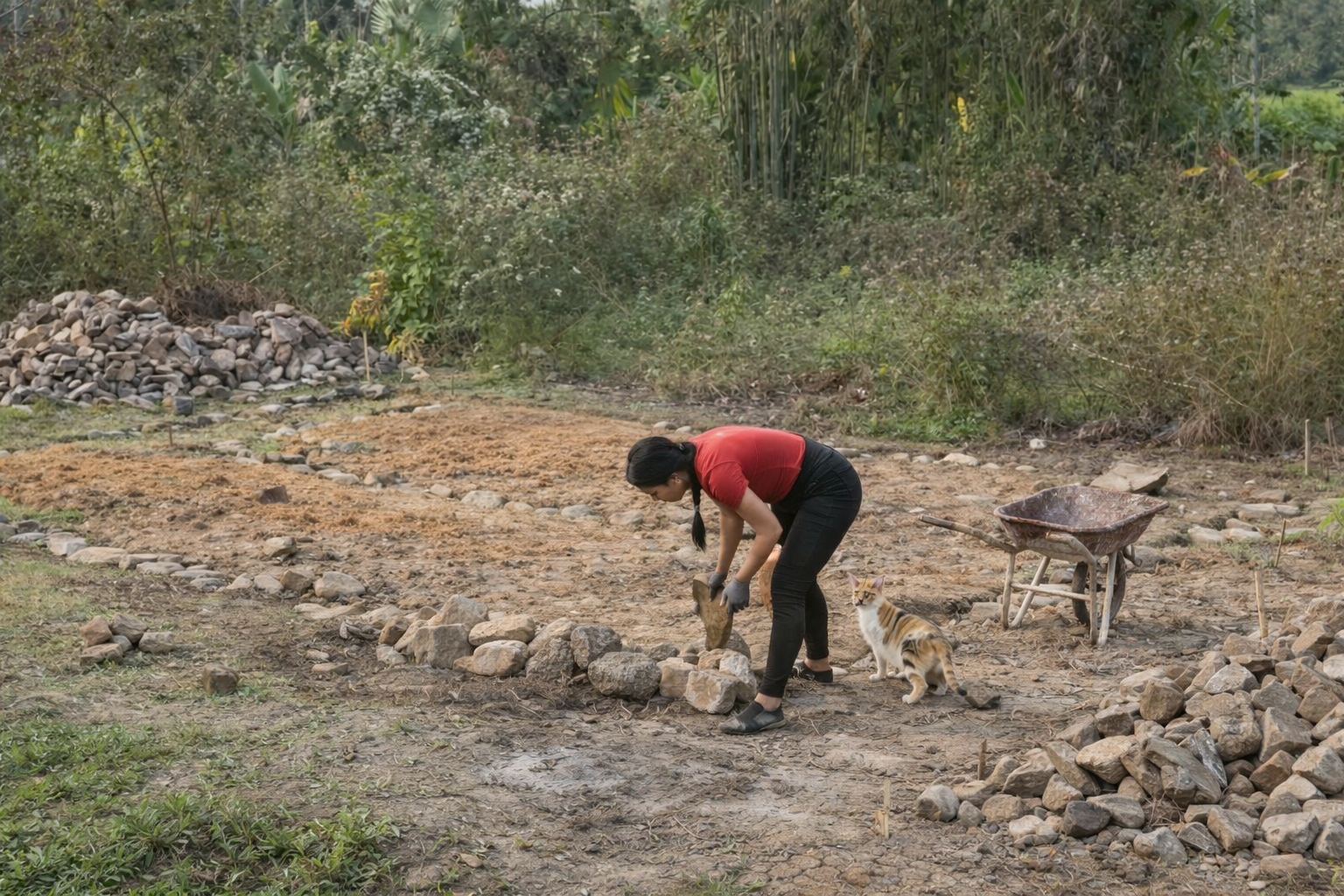
Without help and without heavy machinery, a woman builds a house from scratch with stone, wood, and cement, erects a chimney, creates a complete leisure area, and transforms an empty lot into her dream home.
-
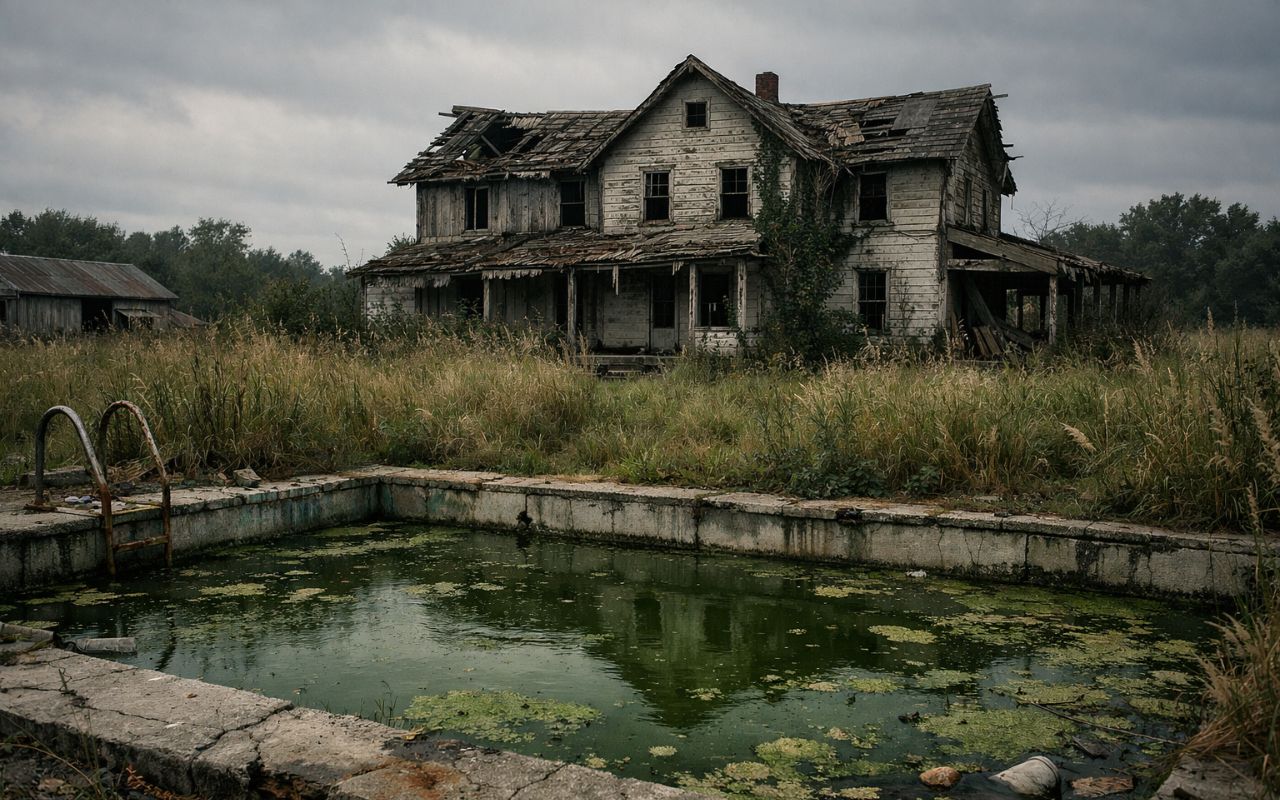
Couple transforms abandoned house after years of being closed; residence was overgrown with weeds, had a green pool, and a deteriorated structure in the interior of Rio de Janeiro.
-
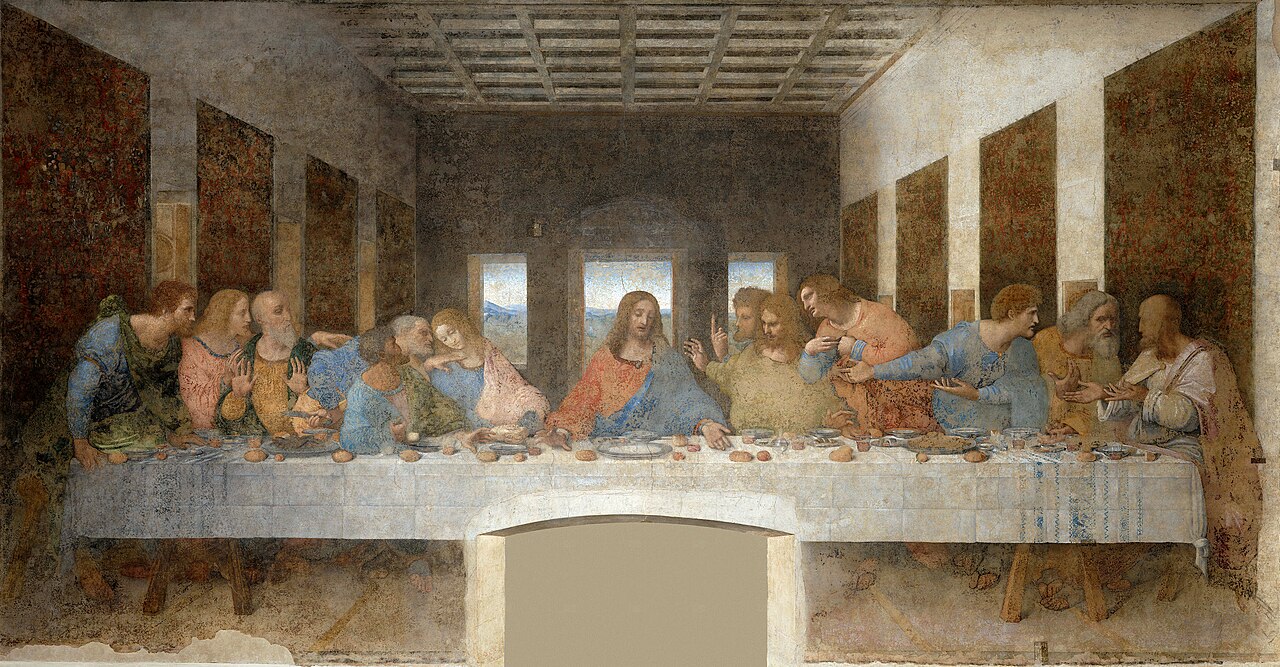
Hidden marks on the walls of the site associated with the Last Supper of Jesus for centuries have been deciphered in Jerusalem, revealing medieval inscriptions left by pilgrims, European nobles, and travelers from the Middle East.

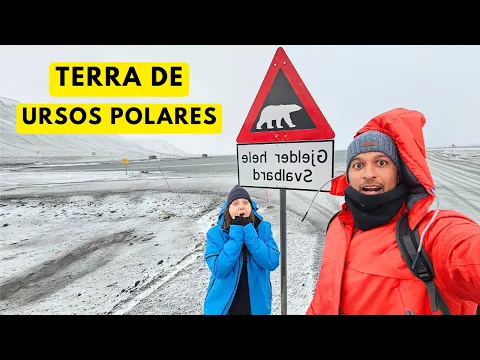

The average annual temperature hovers around –4°C, but in February and March, it can drop to –30°C. The ground is made up of permafrost, a layer of permanent ice that never completely melts. For this reason, all buildings in the city—from houses to schools—are raised on metal pillars to prevent the heat from the buildings from melting the frozen ground and causing landslides.
The result is a surreal landscape: rows of colorful houses, suspended about a meter off the ground, surrounded by white mountains and ice valleys. There are no trees, dense vegetation, or continuous asphalt. Everything needs to be planned to withstand the cold, wind, and absence of light.
The City Where You Cannot Die
In Longyearbyen, even death is different. Since the 1950s, it has been prohibited to bury people on-site. The reason is scientific: the frozen ground prevents the decomposition of bodies, and there are records of viruses and bacteria preserved for decades in ancient graves.
The deceased must be transported by plane to the Norwegian mainland, where they are buried in regular soil.
The city also does not have a maternity ward. Pregnant women travel weeks before childbirth to give birth in Tromsø, 1,000 km away. This is not only a tradition but a medical and logistical requirement since the weather and isolation hinder emergency care.
Living in Longyearbyen means accepting the improbable: facing extreme cold, solitude, and the total absence of night or day for long periods. Still, the city thrives.
A Laboratory of Human Survival
What was once a mining colony founded in the early 20th century has transformed into a center for scientific research and global preservation. Today, Longyearbyen houses universities, meteorological stations, and climate observation centers that monitor the Arctic in real time.
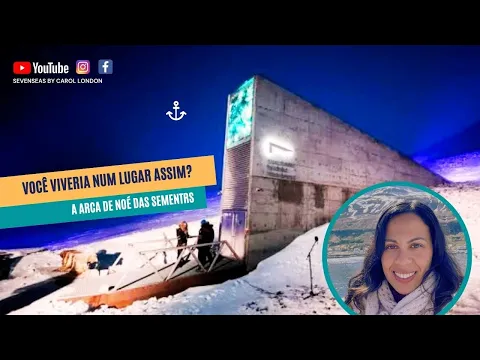
The ultimate symbol of this commitment to the future is the Svalbard Global Seed Vault. Built in 2008 inside a frozen mountain, the vault stores over 1.2 million seed samples from all over the planet, functioning as a sort of “genetic ark” for global agriculture. It was designed to withstand earthquakes, wars, and even the melting of polar ice caps—a life insurance policy for the Earth’s biodiversity.
Underground Tunnels and Suspended Houses
In a city where the ground can crack from the heat and the wind cuts the skin, every urban detail needs to be planned to ensure survival.
The streets are connected by underground tunnels that allow for the passage of heating ducts, electricity, and water. These heated corridors are also used by technicians and workers for maintenance during the winter when extreme cold prevents prolonged use of outdoor vehicles.
The houses, in turn, are painted in bright colors such as red, blue, yellow, and green—not for aesthetics, but for psychological function. The chromatic contrast helps combat depression during the months of total darkness, a strategy recommended by psychologists and used in other polar regions.
Where the Sun Is a Rare Visitor
During the polar night, Longyearbyen plunges into four months of almost complete darkness. The city is illuminated by artificial lights and the northern lights, which paint the sky in shades of green and violet.
This natural spectacle has become part of the routine—some people go out in the middle of the night just to watch the lights dancing over the fjord.
But winter is also a mental test. The lack of sunlight causes what is called “seasonal affective disorder,” a type of depression associated with prolonged darkness. For this reason, schools and offices install bright white light bulbs that simulate sunlight and help residents maintain their biological clocks in balance.
Life at the Edge of the Earth
In Longyearbyen, polar bears outnumber humans—there are about 3,000 bears for 2,500 people. By law, all residents must carry weapons when leaving the city as a precaution against attacks. Still, the city is safe and incredibly organized.
Norway invests heavily to maintain the settlement as a symbol of sovereignty and scientific presence in the Arctic. The infrastructure includes hospitals, schools, supermarkets, post offices, and even bars—one of which, “Svalbar,” is considered the northernmost pub in the world.
Longyearbyen is not just a geographic address. It is a living experiment on what it means to endure. In a world where metropolises suffer from heat and pollution, this small city on the ice proves that humans can adapt even where life seems impossible.






Seja o primeiro a reagir!