





 Portuguese
  English
  Spanish
  6 min of reading
  1 comment


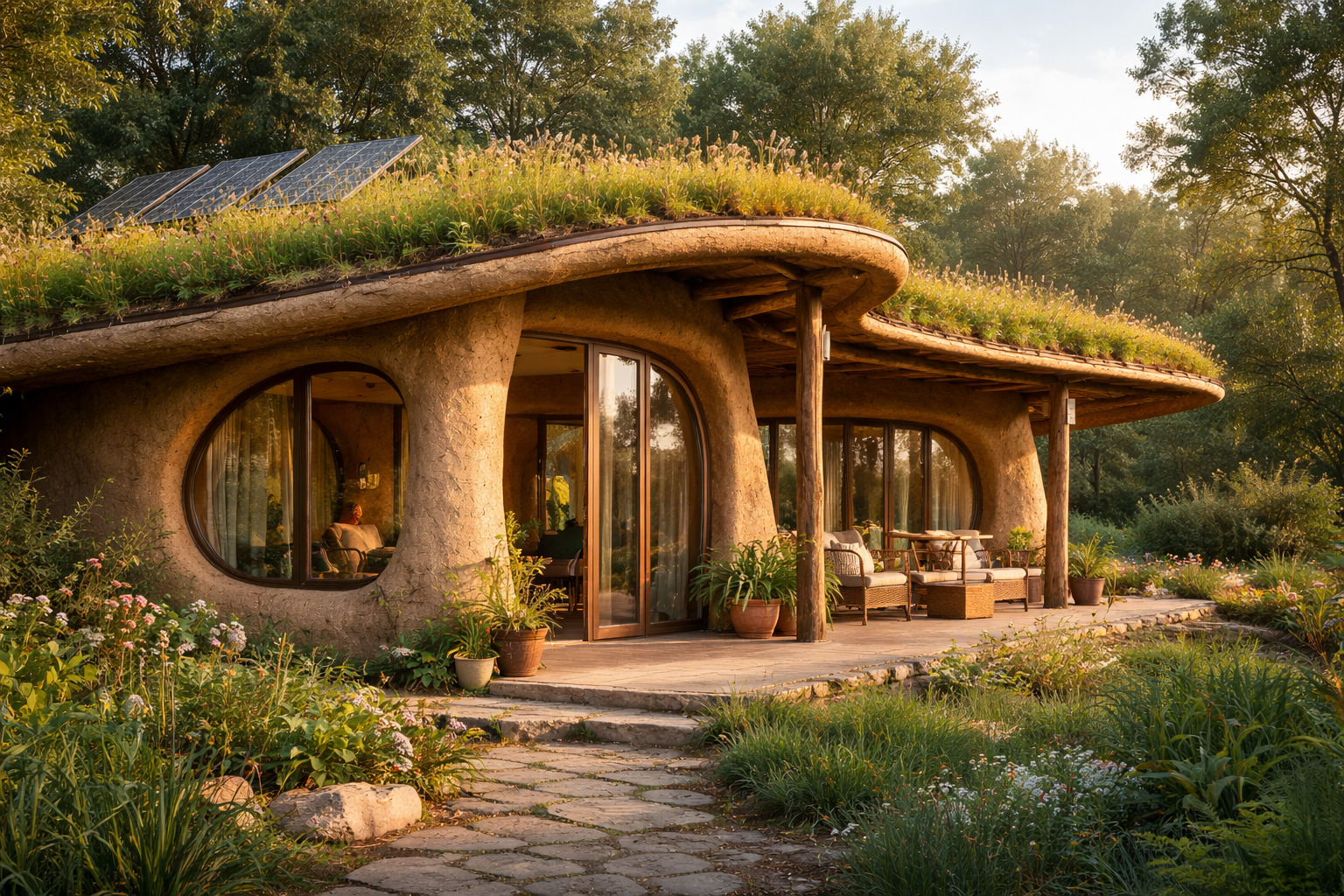


Mix of Clay, Straw, and Water Used for Thousands of Years Gains Attention in Sustainable Construction. The Technique Known as Cob Allows for Handmade Molded Walls with Low Cost and High Thermal Insulation.
At a time when the cost of construction materials continues to rise in various parts of the world, an ancient technique has once again captured the attention of architects, builders, and enthusiasts of natural building. This is cob, a traditional method that uses only earth, straw, and water to create a natural plaster capable of forming entire handmade walls. Although it may seem like an improvised solution at first glance, this technique has a long history in human architecture. Archaeological records indicate that similar structures were already being used about 10,000 years ago, during the Neolithic period, when agricultural communities began to build permanent homes using materials available in their own environment.
Today, cob reappears in sustainable architecture projects and low-impact building. The simple mix of clay and plant fibers creates solid walls with good structural resistance, high thermal performance, and an organic aesthetic that does not require industrial forms and molds.
What Is the Cob Technique and Why Has It Endured Through Millennia?
Cob is a building material made from the combination of four basic elements:
-
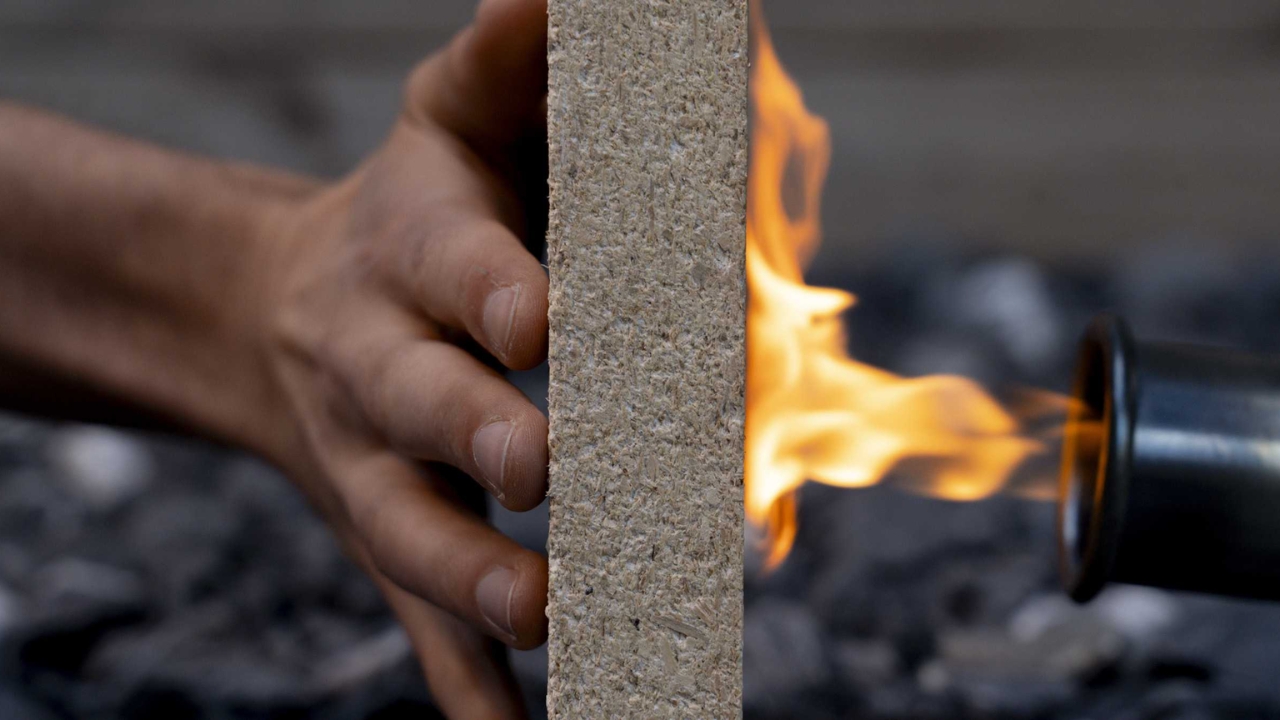
Scientists transform sawdust into fire-resistant panels, stabilize the compound with an enzyme extracted from watermelon seeds, and turn waste into promising material for construction.
-
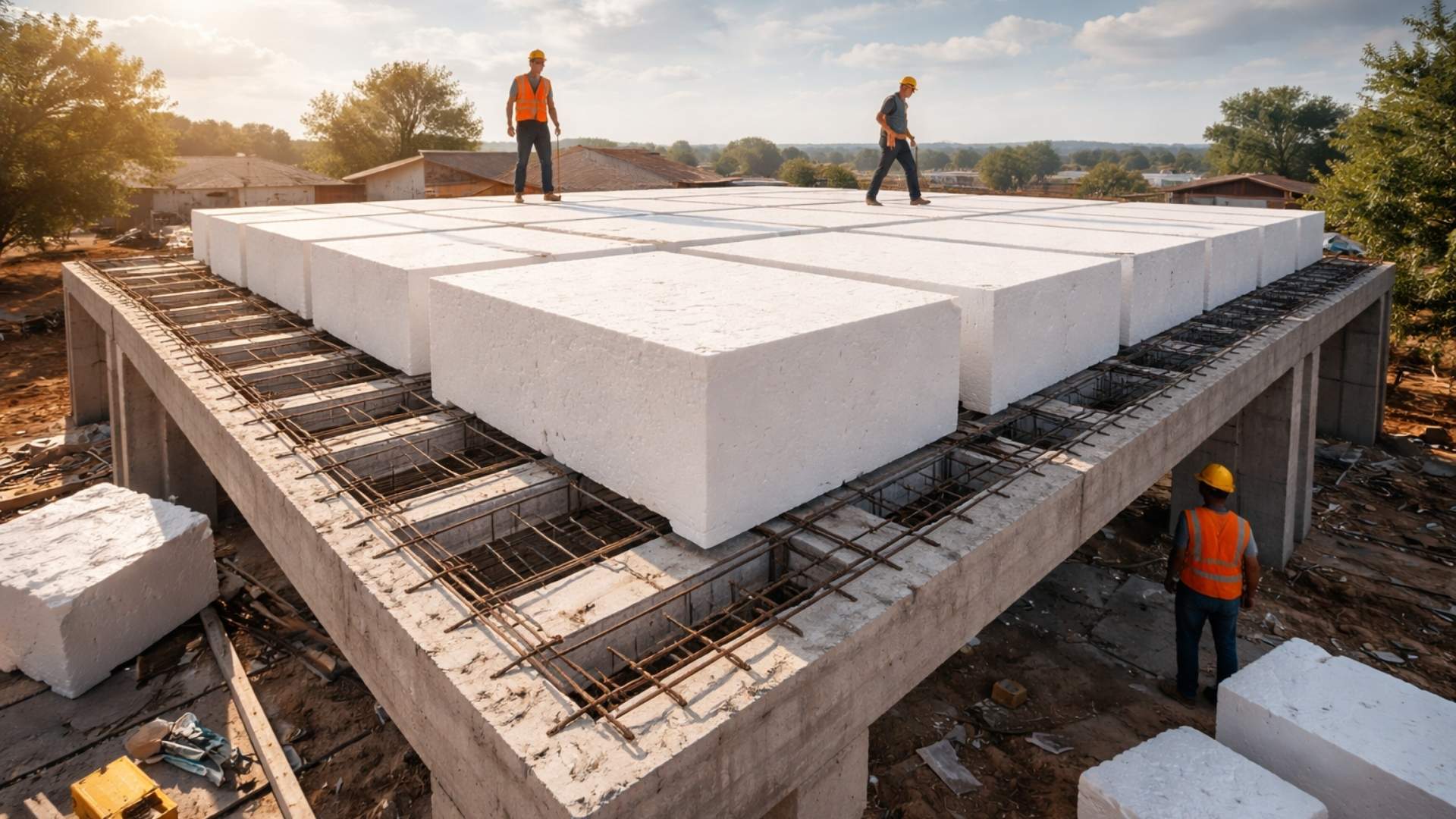
Forget concrete: architects are replacing tons of concrete with giant blocks of expanded polystyrene to build the roofs of houses and reduce structural weight by up to 50%, cut costs, improve thermal insulation, and speed up construction.
-
The Brazilian state enters the center of the global race for critical minerals by starting the construction of the largest underground nickel mine in Latin America, a mineral essential for electric car batteries that the entire world is competing for at this moment.

-
New CCR concrete paving technology promises roads up to 3x more durable, less maintenance, and cost reduction in Brazil.


- clayey soil
- sand
- straw or plant fibers
- water
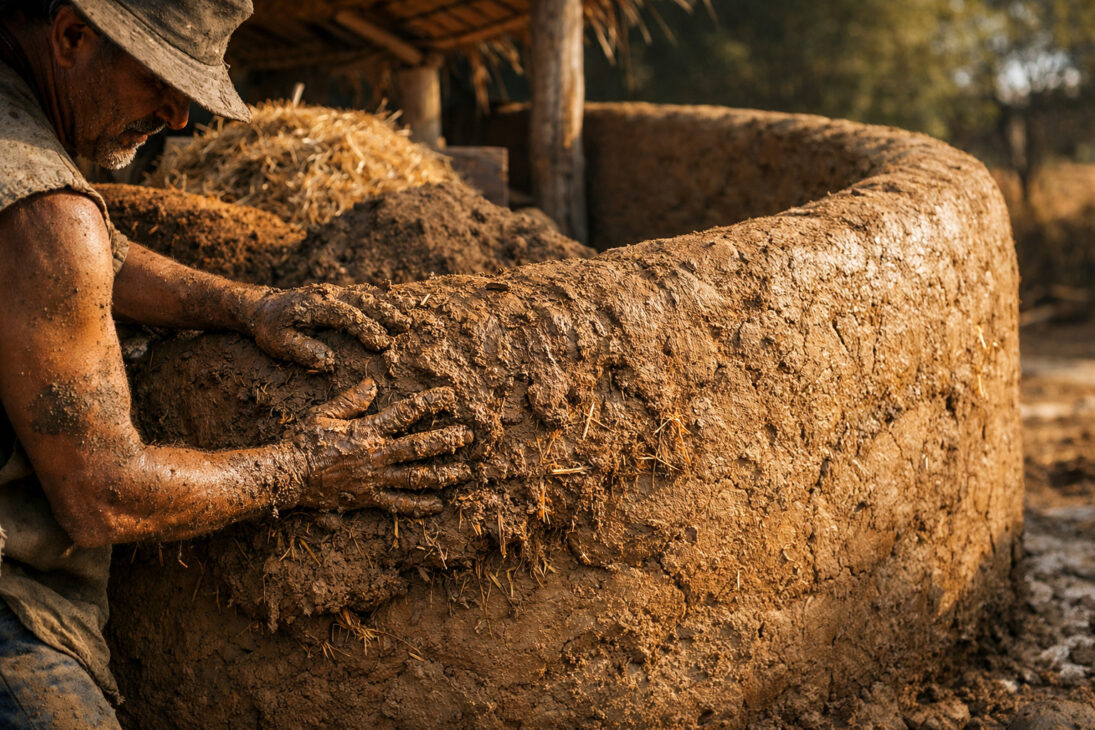
When these components are mixed until achieving a homogeneous consistency, they form a moldable mass similar to thick plaster. This mixture can be applied directly at the construction site, without the need for bricks, blocks, or concrete forms. The wall is gradually built up, layer by layer, with the material being shaped by hand.
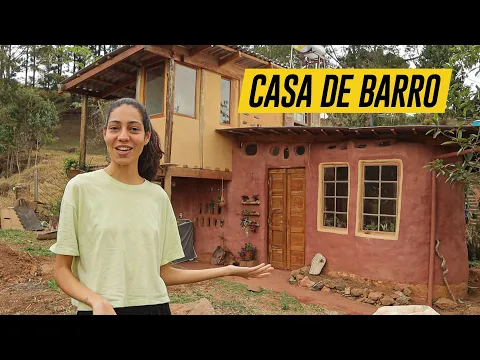

The word “cob” originates from England and appears in historical records since the 17th century, referring to the act of compacting damp earth to form walls.
Despite the relatively recent name, the principle of building with earth and plant fibers is much older. Civilizations in different regions of the world developed similar techniques to build houses, walls, and community structures.
Simple Mixture Creates Surprising Structural Material
The strength of cob depends on the balance between its components. Clay acts as the binding element, responsible for keeping the mixture together after drying. Sand serves as the structural material that reduces shrinkage and increases wall stability.
Straw plays an essential role. The plant fibers act as natural reinforcement, increasing the tensile strength of the material and helping to prevent cracking during drying. This principle is reminiscent, on a much smaller scale, of the role of steel reinforcements in reinforced concrete.
When the mixture dries and hardens, it forms a solid material that can be used to erect thick and relatively durable walls.
How the Mass Is Prepared in Practice
The preparation of the mixture is a fundamental step in the technique. Traditionally, the materials are spread on the ground and mixed until the correct consistency is achieved. In many communities, this process is still done manually.
Historically, the mixture could be prepared:
- by stepping barefoot on the mass
- using simple tools
- with the help of animals in some agricultural cultures

The ready mass needs to have a plastic texture, similar to firm clay that can be molded without dripping. Once prepared, the mixture is transformed into large blocks or “cobs,” which are placed on the construction base. Each layer is pressed and shaped manually until the desired wall is formed.
Walls Molded Like Sculptures
One of the most striking features of cob buildings is the freedom of shape. Since the material is shaped by hand and does not rely on rigid forms, the walls can take on curves and organic contours.
This allows for the creation of structures with great aesthetic diversity. In many buildings made with this technique, it is possible to find:
- rounded walls
- built-in niches
- benches integrated into the structure
- windows with curved edges
- sculptural details directly on the wall
This architectural flexibility has made cob popular in projects of natural architecture and organic design. Some houses built with this technique resemble shapes inspired by nature, with continuous surfaces and no straight corners.
Natural Thermal Performance of Earthen Walls
Another factor that explains the longevity of the technique is the thermal performance of the walls. Cob buildings generally have thick walls, which can reach several centimeters.
This mass of earth creates a phenomenon known as thermal mass, which helps regulate the internal temperature of environments. During the day, the walls slowly absorb heat. At night, this heat is gradually released.
The result is a more stable internal environment, with less temperature variation. This behavior can make cob houses naturally cooler in warm climates and more comfortable in cold regions.
Fire Resistance and Surprising Durability
Although made of earth, cob displays some interesting properties from a structural point of view. One of them is the fire resistance. Since the material does not contain significant flammable elements after drying, cob walls can withstand high temperatures without burning. Another important point is durability.
There are historical buildings made with this technique that have stood for centuries. In the United Kingdom, for example, there are cob houses that are over 300 years old still inhabited, especially in the regions of Devon and Cornwall. The longevity of these structures largely depends on two factors:
- an elevated foundation that prevents direct contact with soil moisture
- roofs with wide eaves that protect the walls from rain
When these precautions are taken, earthen walls can last a long time.
Practical Applications Beyond Houses
Although many people associate cob only with house construction, the material has various applications. It can be used to create smaller structures or landscaping elements. Among the most common applications are:
- wood-fired pizza ovens
- garden benches
- decorative walls
- agricultural structures
- small cabins or studios
These constructions take advantage of the material’s plasticity to create customized shapes.
Technique Gains New Interest in Sustainable Architecture
In recent decades, the cob technique has rekindled interest in various parts of the world. This revival is linked to the growth of the so-called natural building, a movement that seeks to reduce the environmental impact of construction. The production of cement and steel, for instance, is responsible for a significant portion of global carbon emissions.
Natural materials like earth and plant fibers have a much lower environmental impact. For this reason, architects and researchers have revisited traditional building techniques. Contemporary cob projects can now be found in countries such as:
- United States
- Canada
- United Kingdom
- Australia
- New Zealand
In many of these cases, the material is combined with modern technologies, such as passive solar systems and green roofs.
A Material That Can Cost Almost Zero
One of the most striking aspects of cob is its potentially low cost. When materials are available on the land itself, the expenditure on raw material can be minimal. The earth can be taken directly from the local soil, while the straw can come from nearby agricultural activities.
Under these conditions, the main resource needed to build is labor. This aspect has led to the technique being widely used in rural communities throughout history.
An Ancient Technology That Remains Relevant
Even in a world dominated by concrete, steel, and industrialized materials, cob shows that some ancient solutions remain relevant. The mix of clay, straw, and water has been used for thousands of years to build houses, agricultural structures, and community spaces.
Today, this technique is resurfacing in experimental sustainable architecture projects, demonstrating that traditional knowledge can still offer interesting alternatives for contemporary building.
And although it may seem simple, cob represents an ingenious combination of natural materials that allows for the transformation of earth and plant fibers into solid walls capable of lasting through generations.










Ya se que esta publicación es poco seria peo decir que Neolítico fue diez años atrás es llevasr las cosas al completo ridículo.