





 Portuguese
  English
  Spanish
  3 min of reading
  0 comments


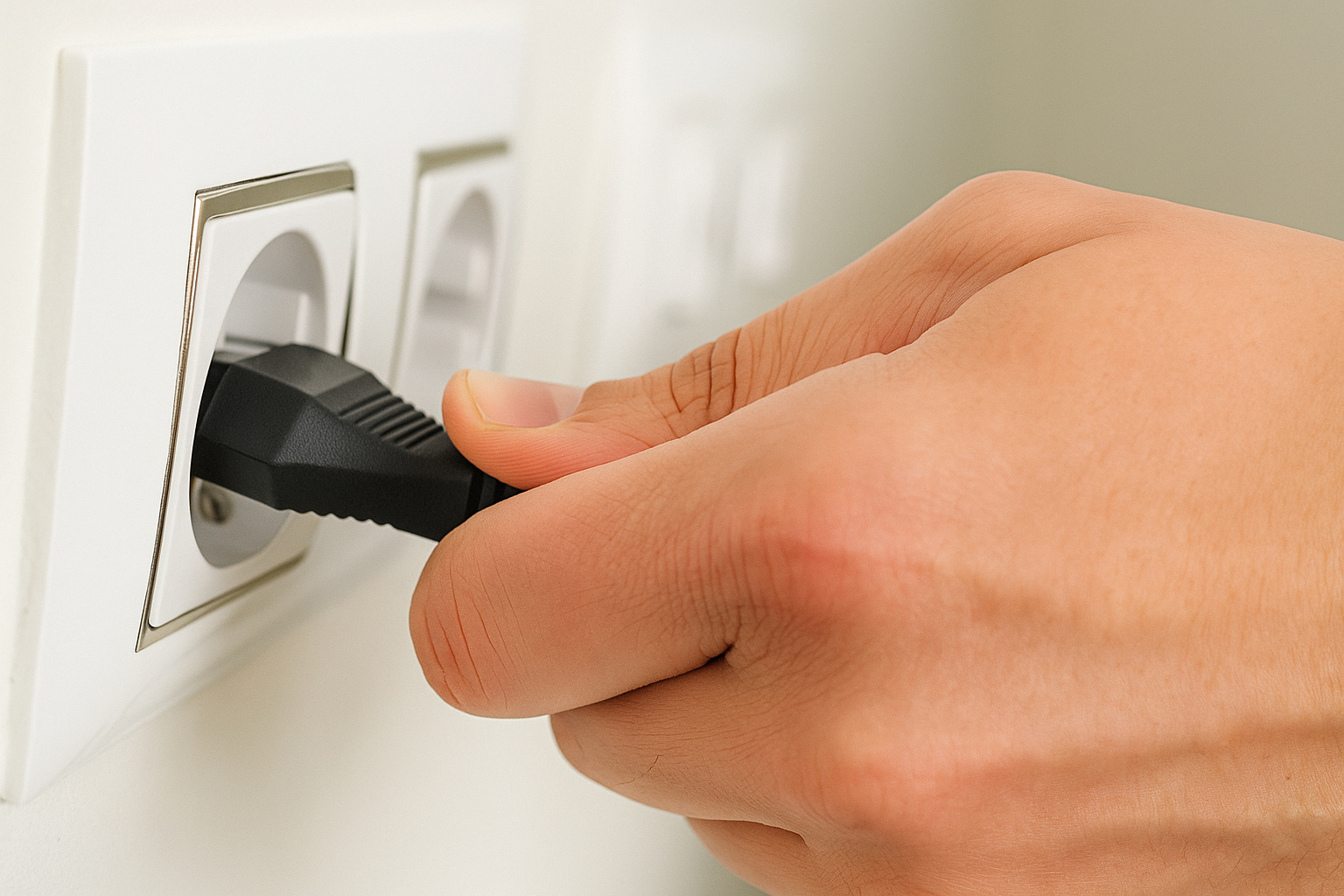
Turning Off At The Button Is Not Enough; Unplugging Cuts Standby Consumption, Especially From Chargers, Microwaves And Modems, And Helps Save Energy
Many people believe that turning off a device at the button is enough to zero energy consumption. However, experts explain that this is not true.
Even when not in use, equipment such as microwaves, televisions, modems, and chargers continue to consume electricity in standby mode.
Therefore, unplugging these devices, especially during long periods of inactivity, is an effective measure to save energy and reduce your electricity bill.
How Much Does This Represent In Practice
According to experts, savings can reach about 5% when all standby devices are considered.
Therefore, in a household with an average consumption of 300 kWh per month, the reduction can reach R$ 12.
This amount may vary according to the tariff flag applied in the period.
Thus, unplugging devices is a beneficial and effective habit.
Special Attention To Microwaves And Modems
The microwave and the internet or TV modem continue to consume energy even when not directly in use.
Therefore, if you will be away from home for hours, it is recommended to unplug them.
This avoids constant consumption during long periods of inactivity.
This simple care helps reduce waste and increases the energy efficiency of the household.
-
Foresea achieves 100% offshore waste reuse in 2025, eliminates landfill disposal, and consolidates sustainable strategy with 1,500 tons recycled.

-
With earth, bamboo, straw, and lime mortar, a specialist builds a house for just over $460 and draws attention for its cost being much lower than traditional construction.

-
Rodrigo de Freitas Lagoon advances in environmental recovery with sanitation, elimination of irregular sewage, and the resumption of water sports in Rio de Janeiro.

-
Sustainable housing gains strength with a nationally awarded project in Campo Grande, highlighting innovative solutions that combine sustainability, urban integration, and efficiency in the use of natural resources.


Chargers: Small But Numerous
In summary, chargers plugged in without devices consume on average 0.26 Watt.
When a fully charged phone remains connected, the consumption can reach 5 Watts, depending on the brand and model.
Thus, a single charger has little weight on total consumption.
However, multiple chargers connected simultaneously change this scenario.
Therefore, always unplug when possible and avoid leaving them connected unnecessarily.
How To Reduce The Bill With Simple Habits
- Reduce shower time, as the electric shower is the household’s highest energy-consuming appliance.
- Wash and iron clothes all at once, to optimize energy and time use.
- Bake small portions in the air fryer, as conventional ovens consume more electricity.
- Avoid direct sunlight exposure on refrigerators and air conditioning, as heat increases the effort of the motors.
- Review old wiring, as electrical overload increases consumption and can pose risks.
- Use a UPS or power strip with a button to turn off multiple devices at once.
Accessible And Practical Automation
Smart bulbs allow you to schedule timings and adjust intensity via an app or voice assistants.
Similarly, smart plugs integrated into the electrical network allow you to turn devices on and off automatically.
Thus, devices such as air conditioning, washing machines, electric ovens, and irons can be controlled by voice command.
This way, you can avoid forgetting devices on during the night.
This automation brings convenience and reduces energy waste.










Seja o primeiro a reagir!