





 Portuguese
  English
  Spanish
  3 min of reading
  0 comments


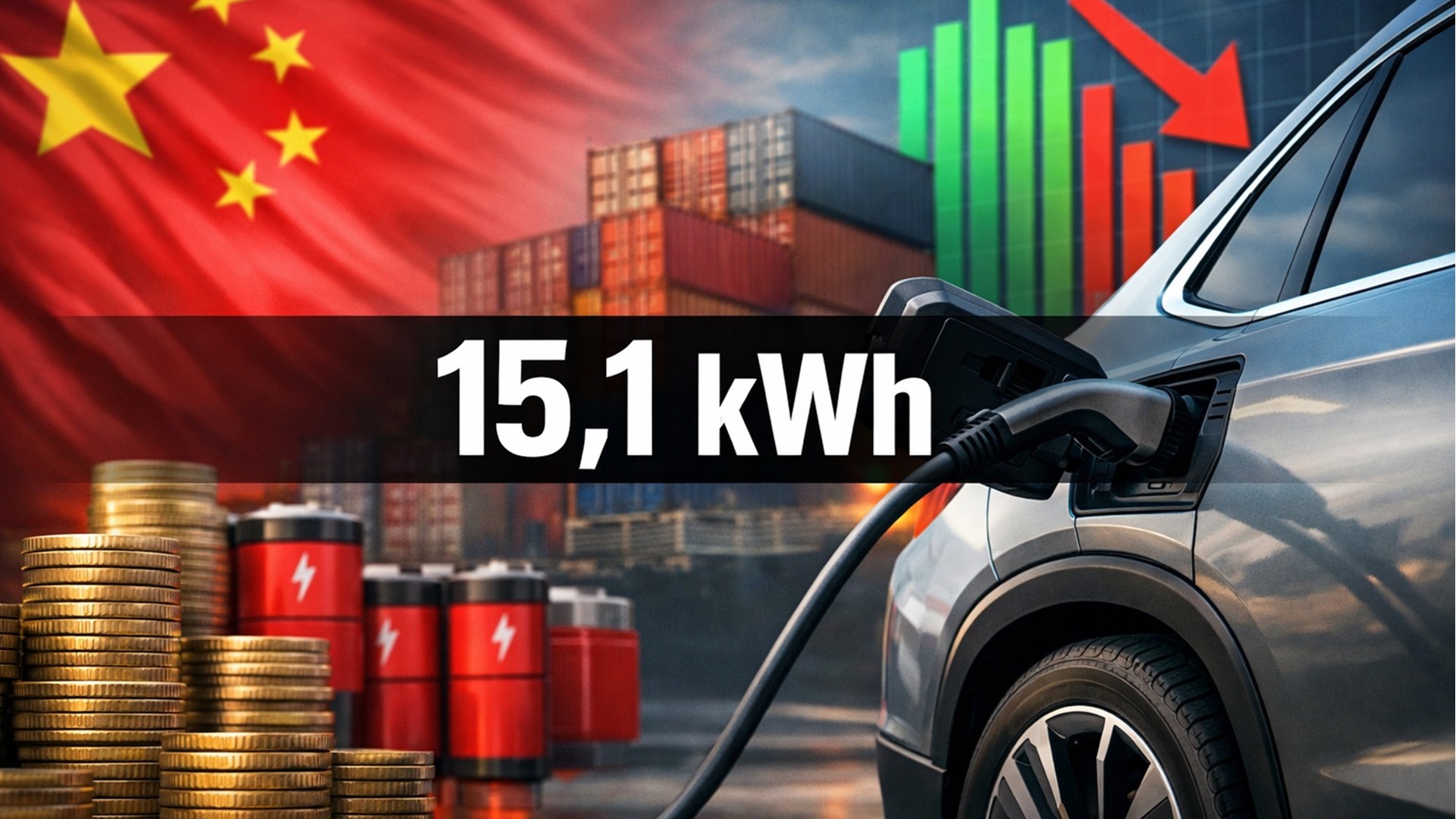
The New Chinese Rule Establishes Mandatory Energy Consumption Limits By Weight Range, Shifts The Industry Focus From Autonomy To Real Efficiency And Pressures Global Manufacturers To Redesign Heavy Electric SUVs
The Chinese government announced that starting in 2026, all electric vehicles sold in the country must meet mandatory efficiency standards, including a maximum consumption of 15.1 kWh per 100 kilometers for models weighing over two tons, deeply altering global industrial strategies.
Mandatory Regulation Shifts The Electric Industry Focus
The new Chinese regulation establishes, for the first time, a mandatory standard of energy efficiency for electric vehicles on a national scale, ending years of exclusive focus on autonomy, larger batteries, and high numbers of kilometers per charge.
This measure is not presented as a voluntary guideline but as a regulatory requirement for access to the largest automotive market in the world, directly affecting both local and foreign manufacturers producing or planning to sell electric vehicles in China.
-
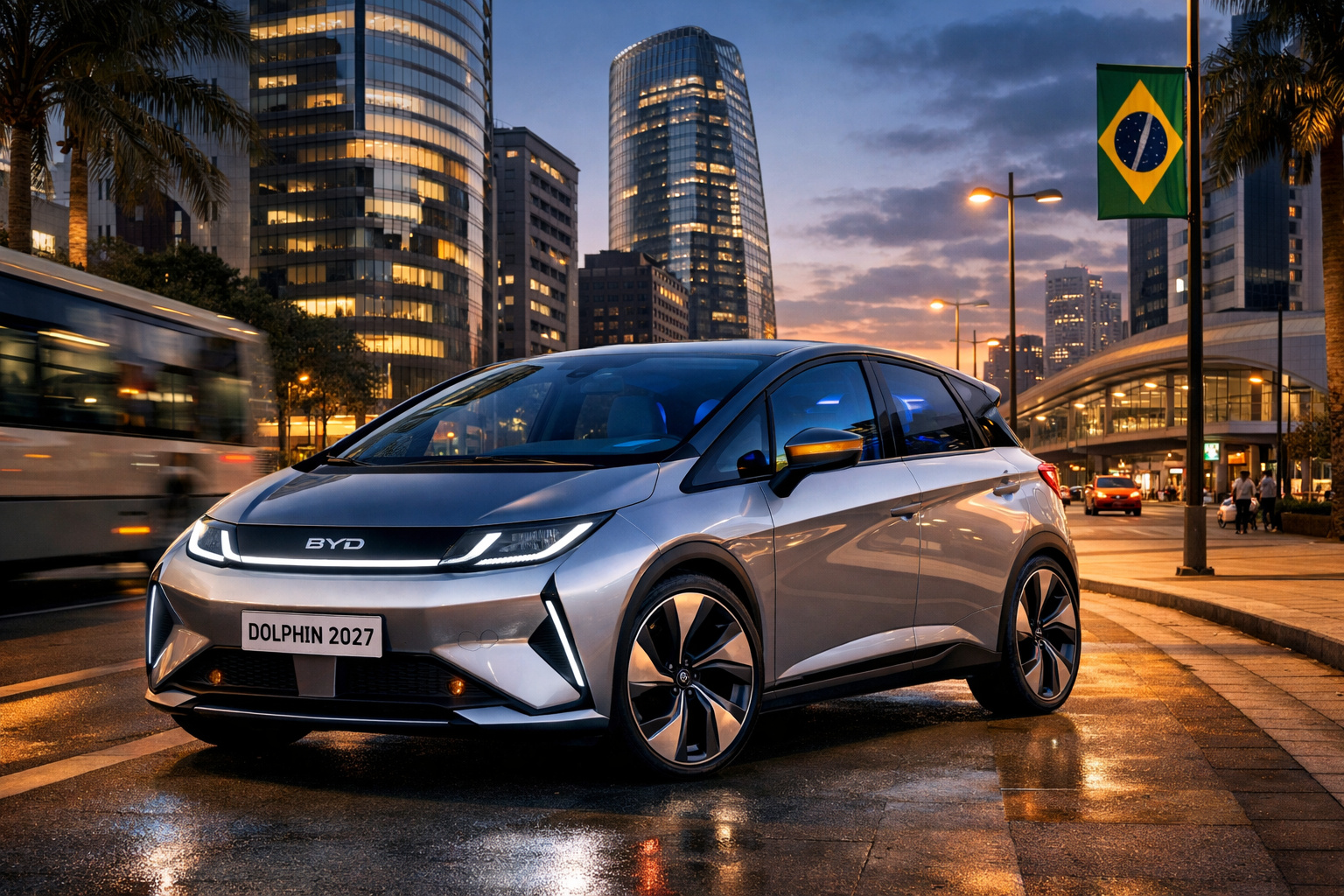
BYD Dolphin 2027 gains more power, increases in size, changes interior, and abandons controversial feature to face new competition in Brazil.
-
The German economist Wolf-Peter Schill has no doubts: “Electric cars are already far superior to cars with internal combustion engines.”

-
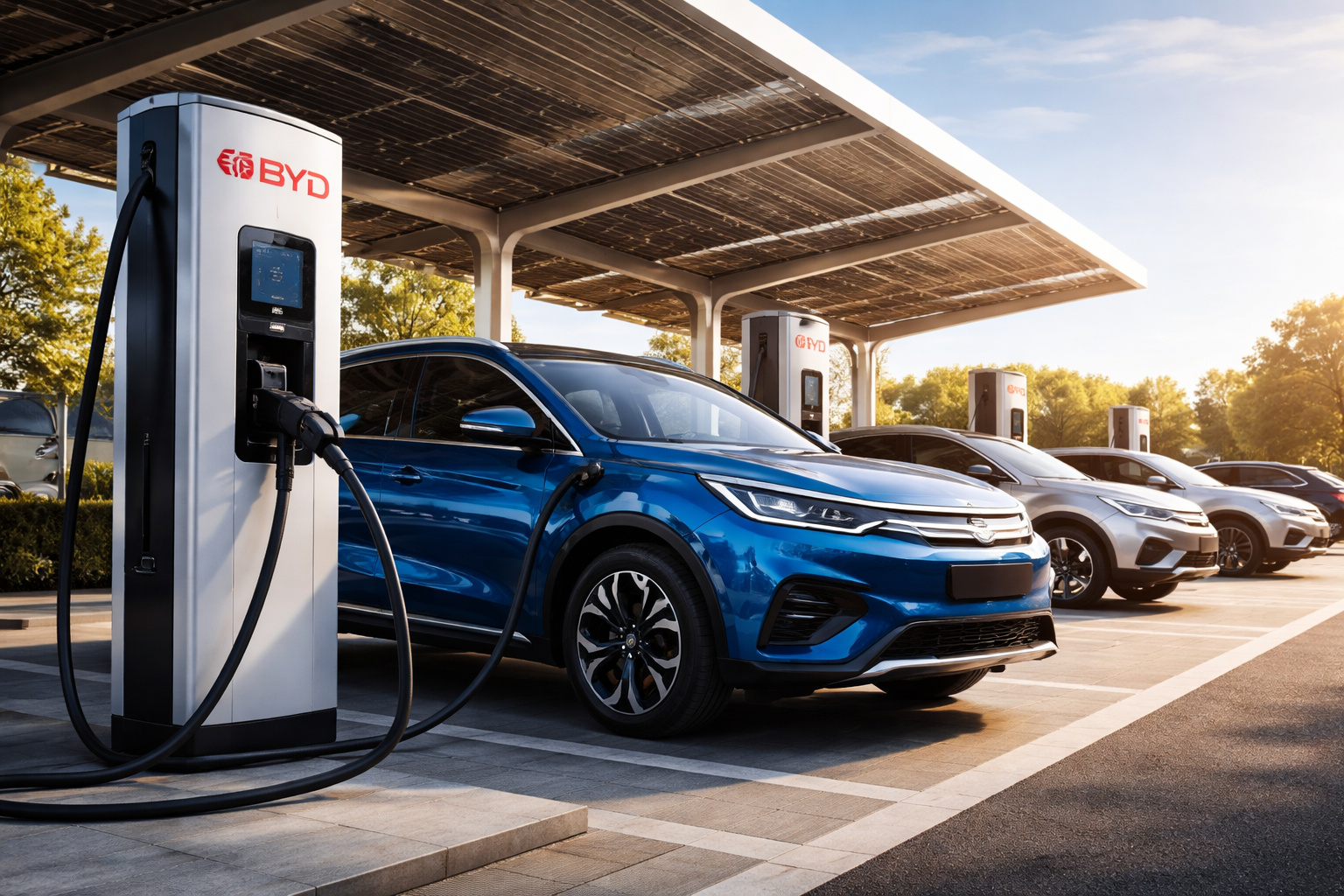
Largest public charging network in Brazil: BYD reaches 125 fast chargers and accelerates national expansion of electric mobility.
-
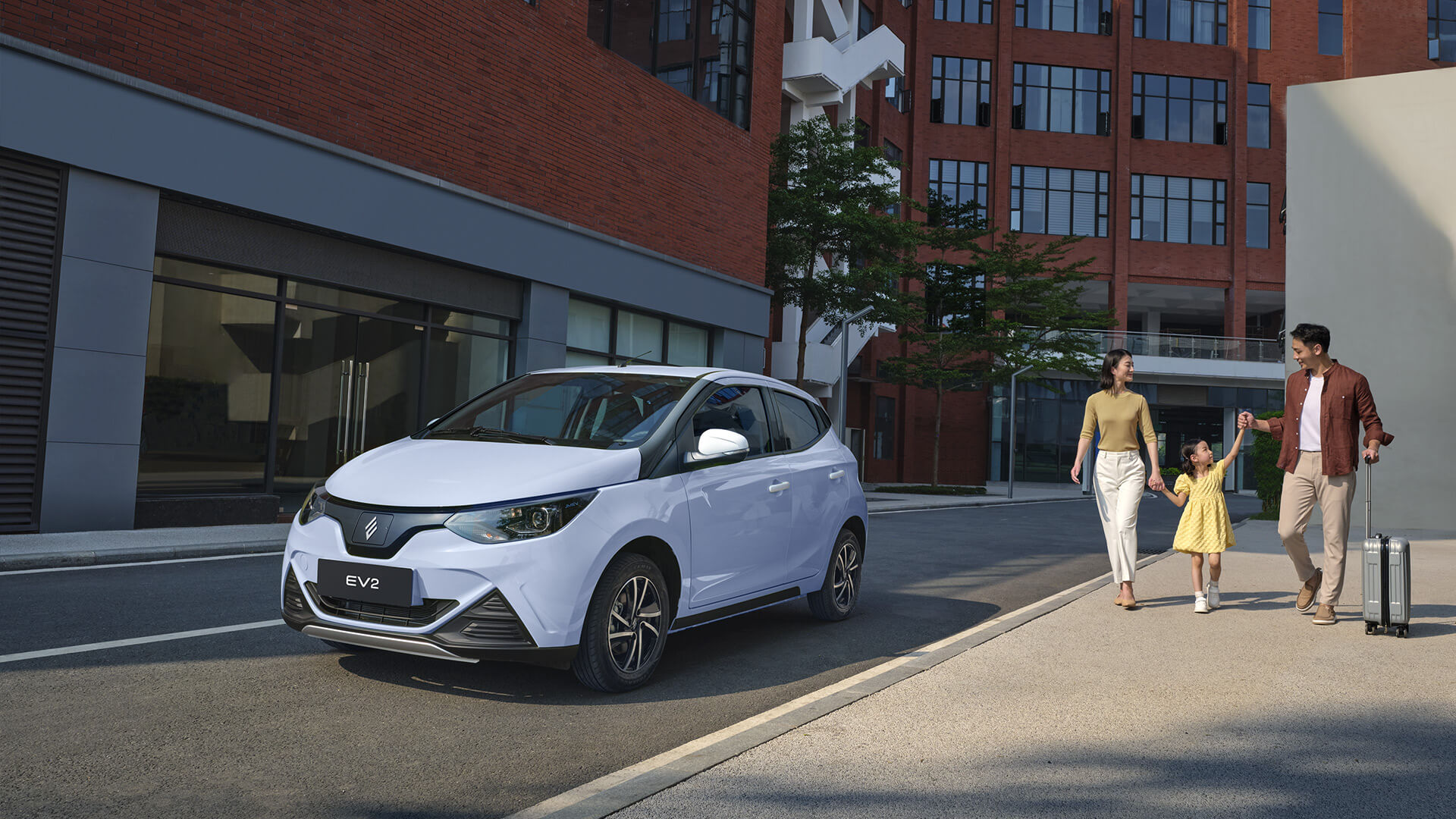
Goodbye expensive popular car: electric vehicle for less than R$ 70,000 starts being sold in Brazil with a range of 200 km and targets those looking to escape gasoline.

Starting in 2026, any electric model marketed in the country will need to meet the limits defined based on the vehicle’s weight, following the CLTC measurement cycle adopted by Chinese authorities.
Consumption Limits Are Defined By Weight Ranges
For electric vehicles weighing less than 1,000 kilograms, the maximum allowed consumption will be 10.1 kWh per 100 kilometers, establishing a strict benchmark for urban and compact models.
In the intermediate segment, with vehicles around 1,500 kilograms, the energy consumption limit will be approximately 12.2 kWh per 100 kilometers, requiring efficiency above the current market average.
For vehicles classified as heavy, weighing over 2,000 kilograms, a category that includes a large portion of medium-sized electric SUVs, the maximum allowed consumption will be 15.1 kWh per 100 kilometers.
These limits contrast with current levels, where several electric SUVs reach consumptions between 20 and 22 kWh per 100 kilometers in real highway use.
Direct Impact On Large Electric SUVs
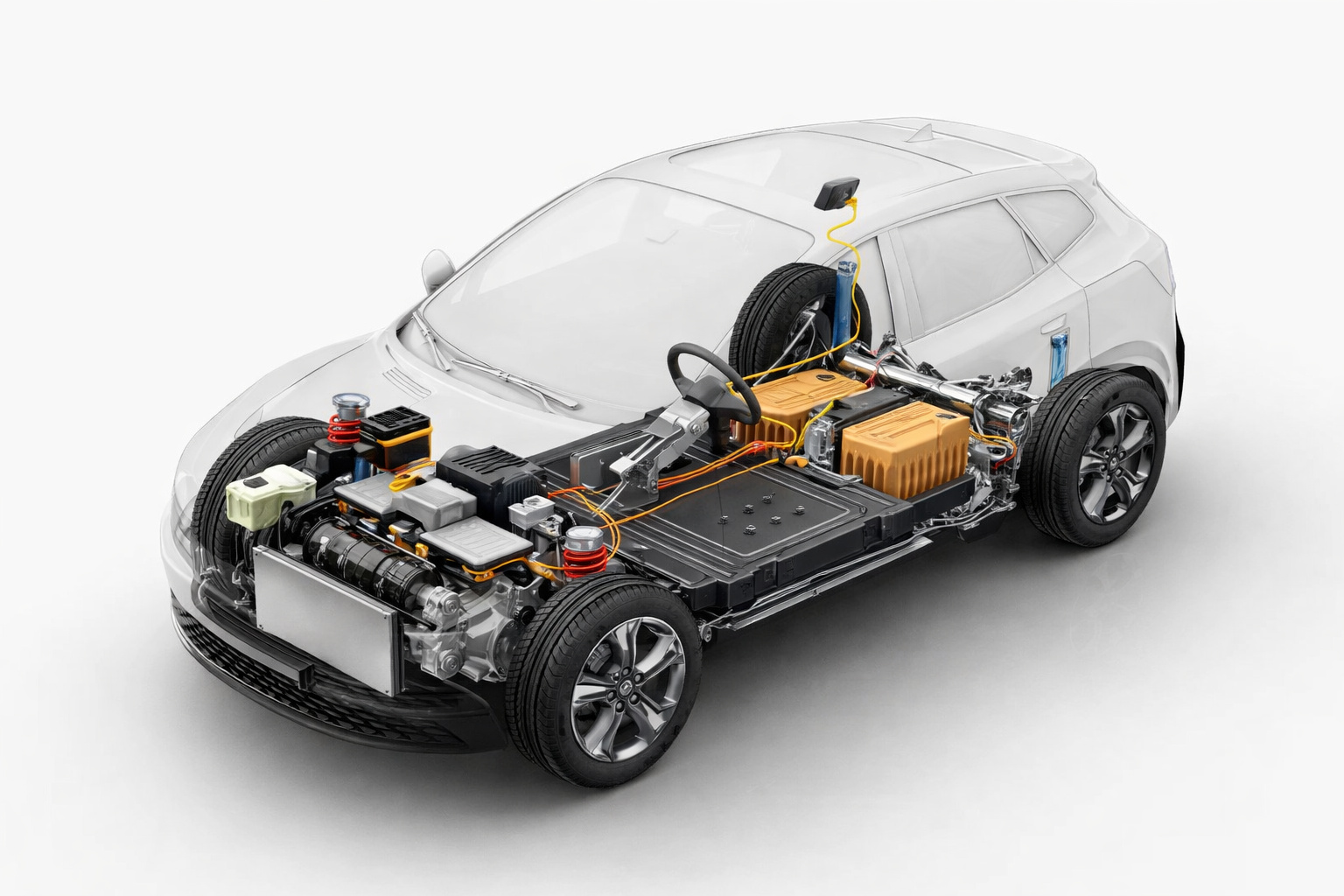
The adoption of the new standards places immediate pressure on large electric models, which have relied on larger batteries and heavier structures as a solution to improve claimed autonomy.
The Chinese regulation shifts the technical focus to aerodynamic efficiency, thermal management, and mass reduction, penalizing designs that compensate for low energy performance with greater battery capacity.
In this scenario, inefficient electric vehicles are no longer just less competitive but are prevented from entering the market, creating an unprecedented regulatory filter on a global scale.
The change also affects foreign brands that use China as a production base, requiring engineering adjustments to maintain access to the local market.
Difference In Approach Compared To Europe
While the European Union concentrates efforts on emission control and establishes future targets, such as those set for 2035, China adopts a direct approach based on the energy efficiency of the final product.
Instead of penalizing manufacturers for low volumes of electric sales, the Chinese model blocks the sale of vehicles deemed inefficient, eliminating projects that do not meet minimum technical criteria.
This method forces the industry to compete for real efficiency, not just for marketing specifications, altering development priorities and technological investment.
The strategy also creates an environment where brands must deliver consistent energy performance from the product’s inception.
Global Consequences And Effect On The European Market
The Chinese requirement is likely to influence other markets, especially Europe, by producing vehicles that are born adjusted to stricter energy efficiency standards.
Chinese models entering the European market in the coming years will have been developed under these restrictions, showing consumption lower than that observed in many vehicles currently sold on the continent.
Recent data indicates that among the ten vehicles with the highest autonomy sold in Europe, few manage to reduce consumption below 18 kWh per 100 kilometers in the WLTP cycle.
Thus, China establishes a regulatory precedent that pressures European manufacturers to enhance efficiency in areas where competitive advantages are difficult, redefining the technological balance of the global electric vehicle sector.







-

Uma pessoa reagiu a isso.